
Building Careers Through Movement: How The Pilates Academy Expands Instructor Education
The Pilates Academy offers flexible Pilates instructor training through digital education, mentorship, and certification pathways.
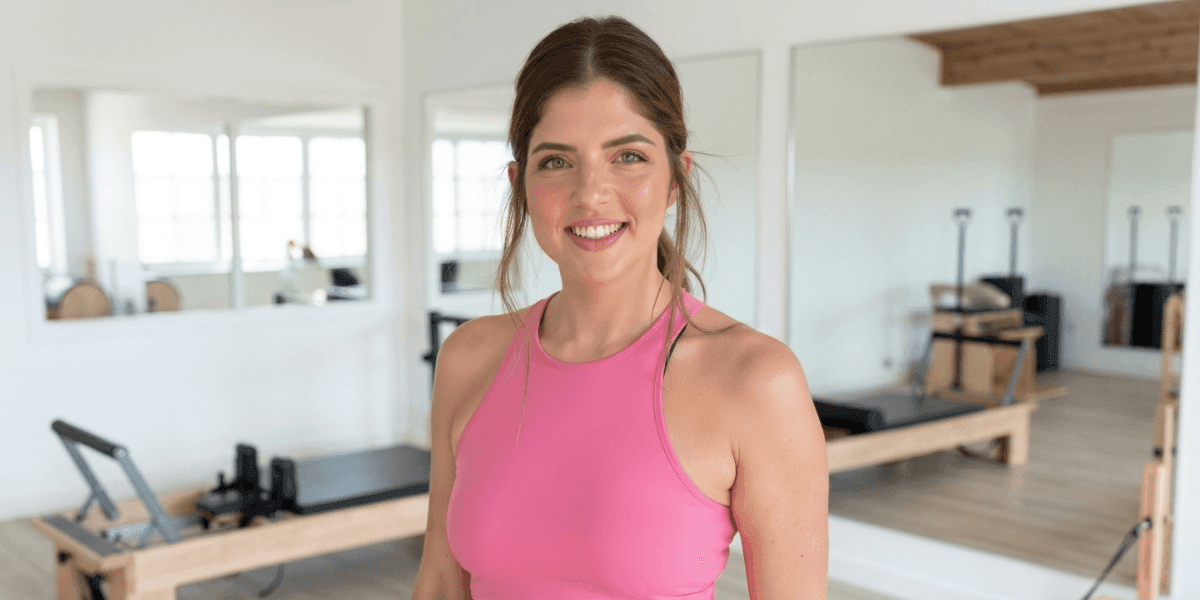
As interest in wellness careers continues to expand globally, many individuals are exploring opportunities within movement education and fitness instruction. Pilates, once viewed primarily as a supplemental exercise practice, has increasingly developed into a professional field supported by structured certification programs, studio networks, and continuing education opportunities.
The Pilates Academy was established to provide a more accessible pathway into Pilates instructor education for students balancing work, family responsibilities, and changing professional goals. Founded by movement educator Chen Leibovich, the academy delivers a digital-first certification model that combines remote coursework, mentorship, and practical teaching development for aspiring instructors across multiple countries.
The academy reflects broader changes occurring across professional education, where remote learning and flexible scheduling have become increasingly integrated into career training programs. Rather than relying entirely on fixed classroom attendance, The Pilates Academy allows students to complete large portions of their training remotely while progressing through structured educational modules at their own pace.
Students enrolled in the program come from a variety of backgrounds. Some enter with prior experience in fitness, dance, yoga, or rehabilitation support, while others begin without formal teaching experience and pursue certification as part of a broader career transition into the wellness industry.
The curriculum is designed to provide foundational education in anatomy, biomechanics, movement principles, communication techniques, and class planning. Coursework emphasizes understanding movement patterns and exercise modification alongside technical Pilates instruction. According to the academy, this approach is intended to help students develop the practical teaching skills necessary for working with clients in professional studio environments.
In addition to digital coursework, The Pilates Academy incorporates mentorship and practical teaching assessments throughout the certification process. Students participate in live mentor sessions, guided teaching practice, and structured evaluations intended to support the transition from theoretical learning into applied instruction.
The academy also uses a mentoring workbook during live sessions to assist students in connecting movement theory with practical application. This mentorship component is designed to support teaching development, communication skills, and classroom confidence as students progress through certification requirements.
A central component of the program is The Flow Method™, a teaching framework developed by Chen Leibovich. The method focuses on exercise sequencing, movement progression, and session structure within Pilates instruction. According to the academy, the framework combines anatomy and biomechanics principles with structured class design to help instructors create cohesive lesson plans and organized movement sessions.
The educational model places emphasis on both technical understanding and client experience. Students are trained to observe movement patterns, adjust exercises for varying ability levels, and structure sessions with attention to pacing and transitions. This balance between movement science and practical instruction reflects broader industry interest in structured wellness education and client-centered teaching approaches.
To accommodate varying professional goals and experience levels, The Pilates Academy offers multiple certification pathways. These include:
Mat-Only Certification (220 hours)
Mat + Reformer Certification (300 hours)
Comprehensive Certification (450 hours)
The comprehensive certification pathway includes training across multiple Pilates apparatus and is designed for students seeking broader professional preparation within studio-based instruction environments.
This tiered certification structure allows students to select training pathways aligned with their schedules, professional interests, and long-term educational objectives. Some students pursue Pilates instruction as a supplementary profession alongside existing careers, while others aim to work full-time within wellness, fitness, or private training environments.
The academy reports that it has trained more than 550 instructors internationally through its certification programs. The organization also states that many graduates continue into teaching roles within studios, wellness centers, and independent client practice after completing their coursework.
Beyond formal certification, The Pilates Academy maintains ongoing mentorship and community support for graduates entering the professional wellness industry. Continued access to educational guidance, peer discussion, and teaching feedback is intended to assist instructors as they develop professional experience and refine their teaching methods over time.
The expansion of remote education has continued reshaping professional training across multiple industries, including wellness and fitness instruction. Programs utilizing digital coursework and flexible learning models have created additional access points for students who may previously have faced scheduling or geographic limitations when pursuing certification.
Within Pilates education specifically, the integration of remote learning, mentorship, and structured practical development reflects broader shifts toward more adaptable professional training environments. Educational providers increasingly combine digital accessibility with guided instruction to support students pursuing long-term careers in movement and wellness education.
For individuals exploring professional pathways in Pilates instruction, programs such as The Pilates Academy represent one example of how certification models continue evolving to accommodate changing educational and workforce needs within the global wellness sector.
Those interested in learning more can visit The Pilates Academy Official Website, explore the academy’s Facebook Community, or follow updates through the Official TikTok Platform.