
David A. Ward Sr. Champions The Humanistic Shift To Put Employee Safety Before Profits
David A. Ward Sr. calls for executive alignment, humanistic leadership, and a safety culture that protects workers and the families behind them.

Somewhere, a family is waiting for someone who will never come home from work. An empty chair at the dinner table becomes a permanent reminder of a workplace tragedy. Behind every serious workplace injury or fatality are the unseen faces of spouses, children, parents, and loved ones whose lives may never be the same. For David A. Ward Sr., these families represent the most important reason organizations must rethink their approach to employee safety. Through The Humanistic Shift, he challenges executives to move beyond compliance, align their leadership values, and recognize that protecting employees must come before profits, production demands, and organizational convenience.
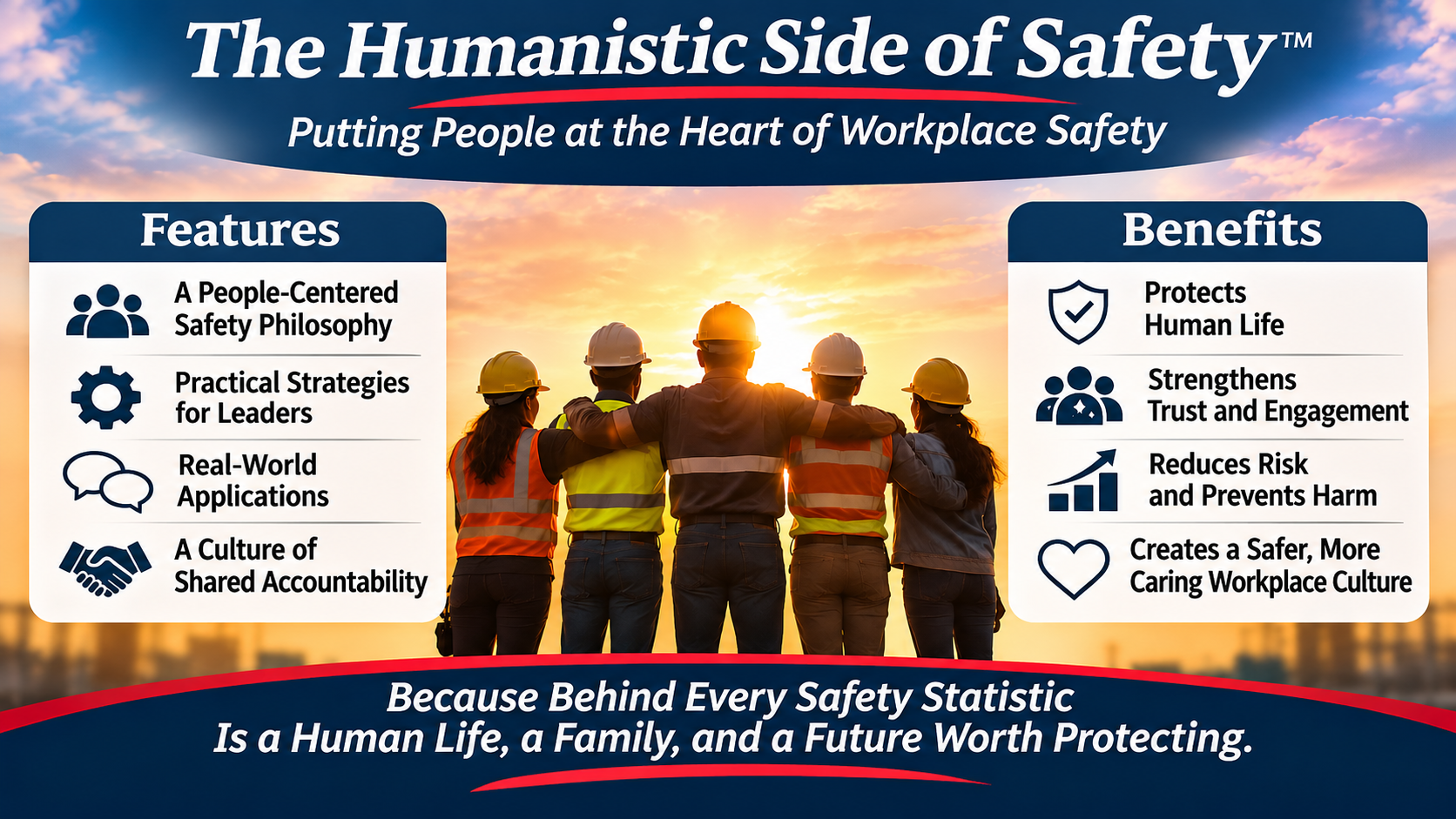
With more than four decades of experience in occupational safety, investigations, and organizational leadership, Ward has built his mission around a principle that is both simple and demanding: every employee deserves to return home safely. His philosophy, The Humanistic Side of Safety, calls on business owners and executives to recognize the human consequences of their decisions. Rather than treating workplace safety as a department's responsibility or a collection of regulatory requirements, Ward believes it must become a shared leadership commitment that shapes the entire organization.
Executive Alignment: Where The Humanistic Shift Begins
Workplace safety challenges often stem from a disconnect between executive priorities and employee experiences. While leaders emphasize safety, production demands and financial pressures can send conflicting messages. David A. Ward Sr. believes executive alignment is the foundation of The Humanistic Shift, requiring leaders at every level to share a commitment to protecting employees.
Guided by seven core values, honesty, work ethic, accountability, courage, persistence, empathy, and ownership, Ward's Humanistic Safety Shift Framework helps organizations identify leadership gaps, strengthen trust, and build a culture where safety remains a shared responsibility rather than a corporate promise.
The Humanistic Side Of Safety: Putting People Before Profits
Drawing on four decades of experience with the United States Air Force, OSHA's Whistleblower Protection Program, the Federal Bureau of Prisons, and Sentry Insurance, Ward believes workplace safety must extend beyond regulatory compliance.
The Humanistic Side of Safety challenges executives to recognize employees as human beings with families, responsibilities, and futures worth protecting. "Investing in employee safety speaks volumes about how much ownership values its employees' lives and their families' futures," Ward says.
His philosophy places employee safety before profits and production pressures, emphasizing that true leadership is measured not only by business performance but also by the lives protected and the families kept whole.

The Unseen Faces Behind Every Workplace Tragedy
Perhaps the most personal dimension of Ward's mission is his focus on the families who live with the consequences of workplace tragedies. Workplace incidents are often documented through investigation reports, injury statistics, insurance claims, and corrective action plans. Yet those records cannot fully capture the emotional and personal consequences experienced by the people left behind.
A workplace fatality does not end when an investigation closes. For a grieving family, its effects may continue for decades. Children grow up without a parent. Spouses face difficult decisions without their partners. Parents mourn sons and daughters who should have returned home. These are the unseen faces Ward wants every executive to remember before making decisions that could compromise safety.
His book, The Faces of Safety and Those Left Behind When Tragedy Strikes, brings this human reality to the forefront. Rather than focusing exclusively on procedures and compliance, it encourages readers to consider the lasting consequences of workplace injuries and fatalities. The book reflects Ward's conviction that genuine safety leadership begins when decision makers recognize the people behind every statistic.
This concern also shapes his children's book, Coloring Your Way to Safety at Home, School, and Play, which introduces safety awareness through family participation and conversation. By extending the discussion beyond the workplace, Ward emphasizes that safety is a responsibility shared across generations.
The central question he presents to executives is difficult but necessary: If a preventable tragedy occurred within their organization, could they confidently say their leadership decisions had consistently placed employee safety first?
Bridging The Leadership Gap Through The Humanistic Shift
Ward's book Bridging the Leadership Gap addresses another essential part of his mission: the distance that can develop between executive intentions and workforce experiences. Leaders may believe they have created a strong safety culture, yet employees may hesitate to report hazards, question unsafe practices, or express concerns about operational pressure. When that gap goes unrecognized, trust can weaken and risks may remain hidden.
The Humanistic Shift seeks to close this gap by making leadership more visible, accountable, and responsive. Ward's framework incorporates leadership assessments, cultural alignment, humanistic leadership training, workforce engagement, accountability systems, and progress tracking. Each component supports the broader objective of creating an organization where executives and employees share a clear commitment to protecting human life.
Ward does not view executive alignment as a single meeting or a statement of organizational values. It is an ongoing responsibility that requires leaders to listen, act consistently, and address the differences between what they promise and what employees experience. When workers see executives responding to concerns and making safety decisions that reflect their stated values, organizations have an opportunity to build stronger trust and participation.
His approach also challenges leaders to take personal ownership. Delegating safety responsibilities to a department does not remove executive accountability. Instead, Ward believes that every level of leadership must demonstrate the same commitment, especially when operational pressures make difficult decisions unavoidable.
Ward further shares his philosophy in his LinkedIn article, The Humanistic Side of Safety, where he highlights the importance of humanistic leadership and recognizing the people and families behind every workplace safety decision. The article further reinforces his belief that protecting employees must remain at the heart of every organization's values and leadership decisions.
A Leadership Legacy Measured In Lives Protected
David A. Ward Sr.'s mission ultimately reaches beyond safety programs, training sessions, and corporate policies. Through The Humanistic Shift, he is advancing a vision of leadership in which executive alignment, employee dignity, and family well being are inseparable. His message is that organizations cannot claim to value their people while allowing financial or production pressures to weaken their commitment to protecting them.
For executives willing to examine their leadership culture, Ward offers a different starting point: consider the unseen faces before considering the numbers. Think about the families waiting at home, the children expecting their parents, and the lives that depend on decisions made in conference rooms and on production floors.
Business owners, executives, and organizational leaders interested in exploring The Humanistic Shift can connect with David A. Ward Sr. to learn more about his books, leadership philosophy, and approach to executive alignment. Connect with David on LinkedIn, YouTube, Facebook, and TikTok. Through these platforms, readers can explore his message and discover how The Humanistic Side of Safety encourages organizations to evaluate whether their stated commitment to safety is reflected in everyday leadership decisions.
For Ward, the defining measure of leadership is not simply what an organization achieves. It is whether the people who make those achievements possible return safely to the families who depend on them. That is the heart of The Humanistic Side of Safety, and the lasting purpose behind The Humanistic Shift.