
Fed Tightens as Congress Turns to Russia and the Midterms
A Fed rate hike, new Russia sanctions and clashes over presidential power shaped a consequential day for the economy, Congress and U.S. institutions.
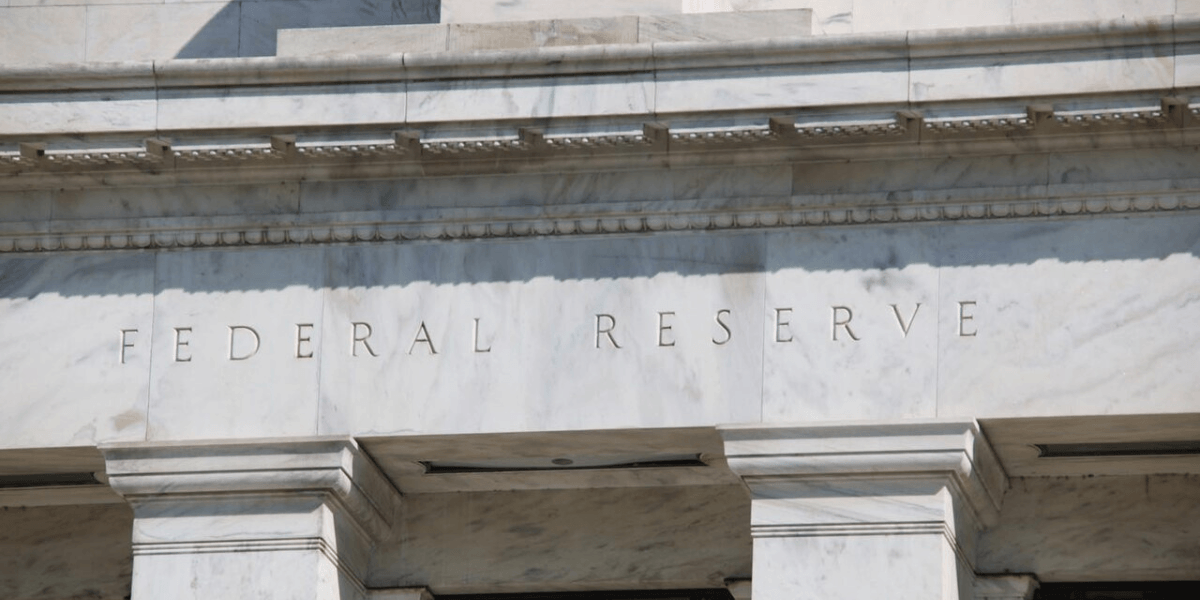
Federal Reserve Raises Rates as Inflation Pressures Persist
The Federal Reserve unanimously raised its benchmark interest rate by a quarter percentage point Wednesday, bringing the target range to 3.75%–4%. It was the central bank’s first rate increase since 2023 and its first policy change under Chair Kevin Warsh, who took office in May.
Fed officials pointed to persistent inflation and an economy that continued to expand at a solid pace. Higher oil prices associated with the conflict involving Iran have added to inflationary pressure. New projections showed that 16 of 18 policymakers expected at least one additional quarter-point increase before the end of 2026.
Markets reacted negatively. The Dow Jones Industrial Average fell 631 points, or 1.2%, while the 10-year Treasury yield closed just above 5%, its highest closing level in roughly 19 years. President Donald Trump, who has repeatedly called for lower borrowing costs, criticized the Fed’s decision and accused the central bank of acting for political reasons.
-2.png)
House Passes Sweeping New Sanctions on Russia
The House approved a broad package of sanctions aimed at increasing economic pressure on Russia over its war in Ukraine. The measure passed 262-159, with 203 Republicans and 58 Democrats voting in favor, and was sent to Trump for his signature.
The legislation targets Russian banks, government officials and energy shipping while authorizing tariffs of up to 100% on major importers of Russian oil and gas, subject to exceptions for countries reducing their reliance on Russian energy. The measure represents one of Washington’s most significant legislative actions supporting Ukraine since 2024. Ukrainian President Volodymyr Zelenskyy had urged lawmakers to approve the package.
The legislation nevertheless exposed disagreements over how much tariff authority should be placed in the president’s hands, with some Democrats warning that the powers could also affect U.S. allies.
.png)
House Leaves Washington With Major Disputes Unresolved
House Speaker Mike Johnson sent lawmakers home ahead of the midterm elections, ending the chamber’s September work earlier than some members had sought. The adjournment left several politically contentious matters unresolved, including proposals addressing artificial intelligence and an impeachment resolution against Defense Secretary Pete Hegseth over the U.S. military campaign against Iran.
The Iran conflict has increasingly generated debate in Congress over presidential war powers. Rep. Thomas Massie, a Kentucky Republican, introduced an impeachment resolution accusing Hegseth of deploying U.S. forces without congressional authorization. The early recess meant lawmakers would not immediately vote on that measure.
The House departure also shifted attention decisively toward November’s midterm elections, with control of Congress at stake and economic affordability, foreign policy and executive authority among the issues shaping the campaign.
.png)
Kennedy Center Fight Escalates After Closure
A political and legal dispute surrounding Washington’s John F. Kennedy Center for the Performing Arts intensified Wednesday, as fencing went up around the main building after its Trump-aligned board voted to close most of the facility for renovations.
The closure followed a federal judge’s ruling that the institution could not place Trump’s name on the Kennedy Center building or grounds without congressional approval. Congress has allocated $257 million for renovations, and Kennedy Center officials have cited serious infrastructure problems, including a recent ceiling collapse, as evidence that repairs are necessary. Trump has linked proceeding with the renovations to efforts to recognize him at the institution.
Democratic Rep. Joyce Beatty of Ohio, an ex officio Kennedy Center trustee who has challenged the renaming effort, requested an emergency court hearing over the closure. U.S. District Judge Christopher Cooper ordered the center to respond, setting up another potential confrontation over the building’s governance and future.
.png)
College Sports Overhaul Moves Through the Senate
Washington was also confronting a transformation closer to American campuses. A bipartisan proposal known as the Protect College Sports Act moved toward a final Senate vote after senators voted 74-24 to end debate on the measure.
The legislation attempts to establish federal rules for an industry reshaped by athlete compensation, name-image-likeness agreements, transfer rules and years of litigation. Among its provisions are a 22% cap on revenue that colleges can directly share with athletes, a separate player-retention pool and changes intended to reduce legal uncertainty surrounding eligibility and transfers.
Supporters argue that a national framework is needed to stabilize college athletics, while opponents—including the NAACP and several senators—contend that parts of the legislation could entrench inequities in the existing system. The debate reflects how quickly college athletes’ economic rights have evolved from an NCAA governance issue into a matter of federal legislation.
Looking Ahead
The economic consequences of the Fed’s rate increase will remain a central focus, particularly as policymakers signal that another increase could come before year’s end. Attention will also turn to implementation of the Russia sanctions package, further court proceedings surrounding the Kennedy Center and the Senate’s college-sports legislation.
Above all, Washington is moving deeper into the final stretch before the 2026 midterm elections. With the House leaving town and debates over inflation, war powers, presidential authority and federal regulation still unresolved, many of the disputes dominating September are now poised to become part of the campaign itself.