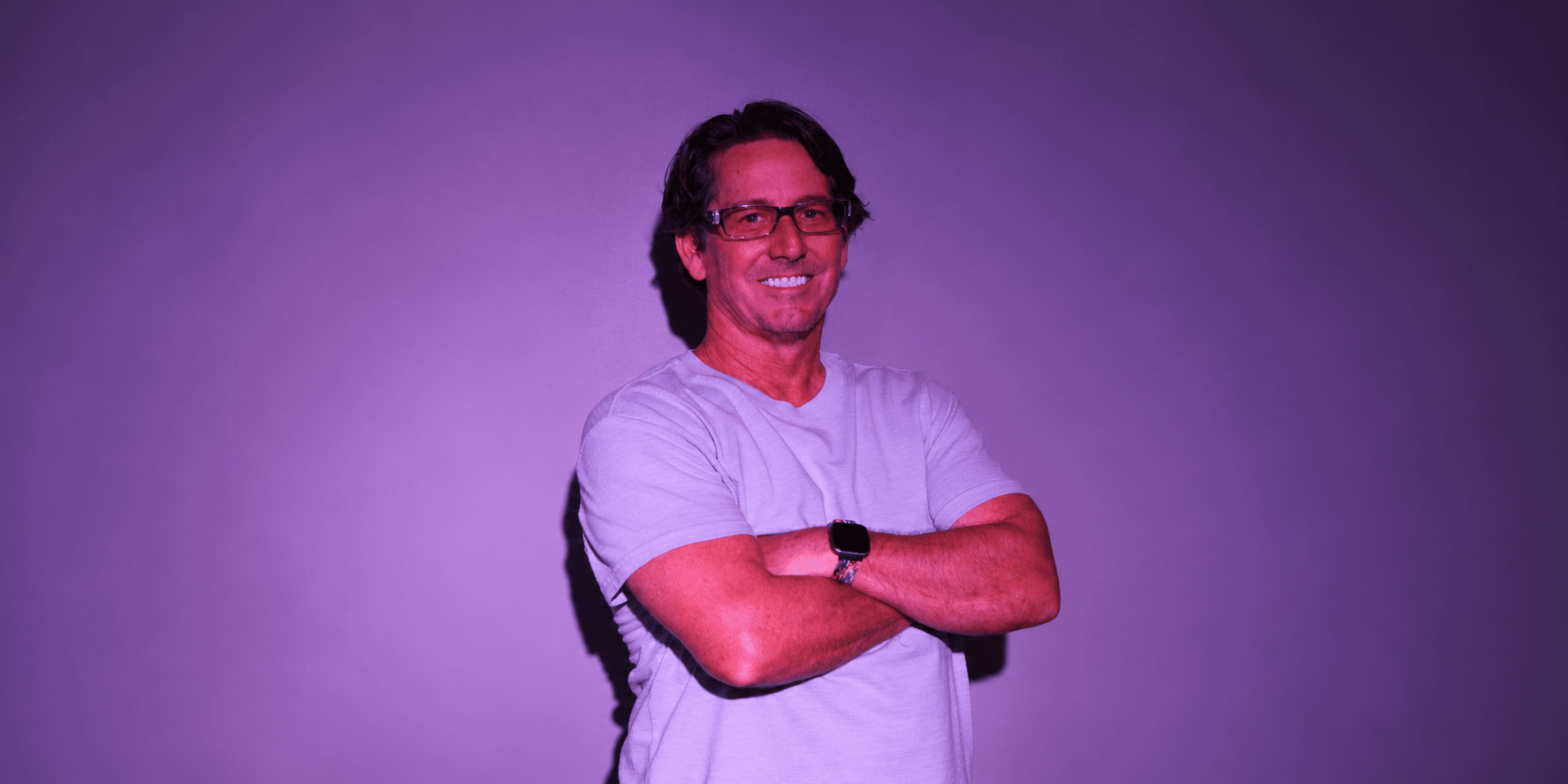
General Holdings Limited Starts Where Other Investors Stop
Paul Scribner argues that overlooked industrial assets require patience, duty, and a different first conversation.
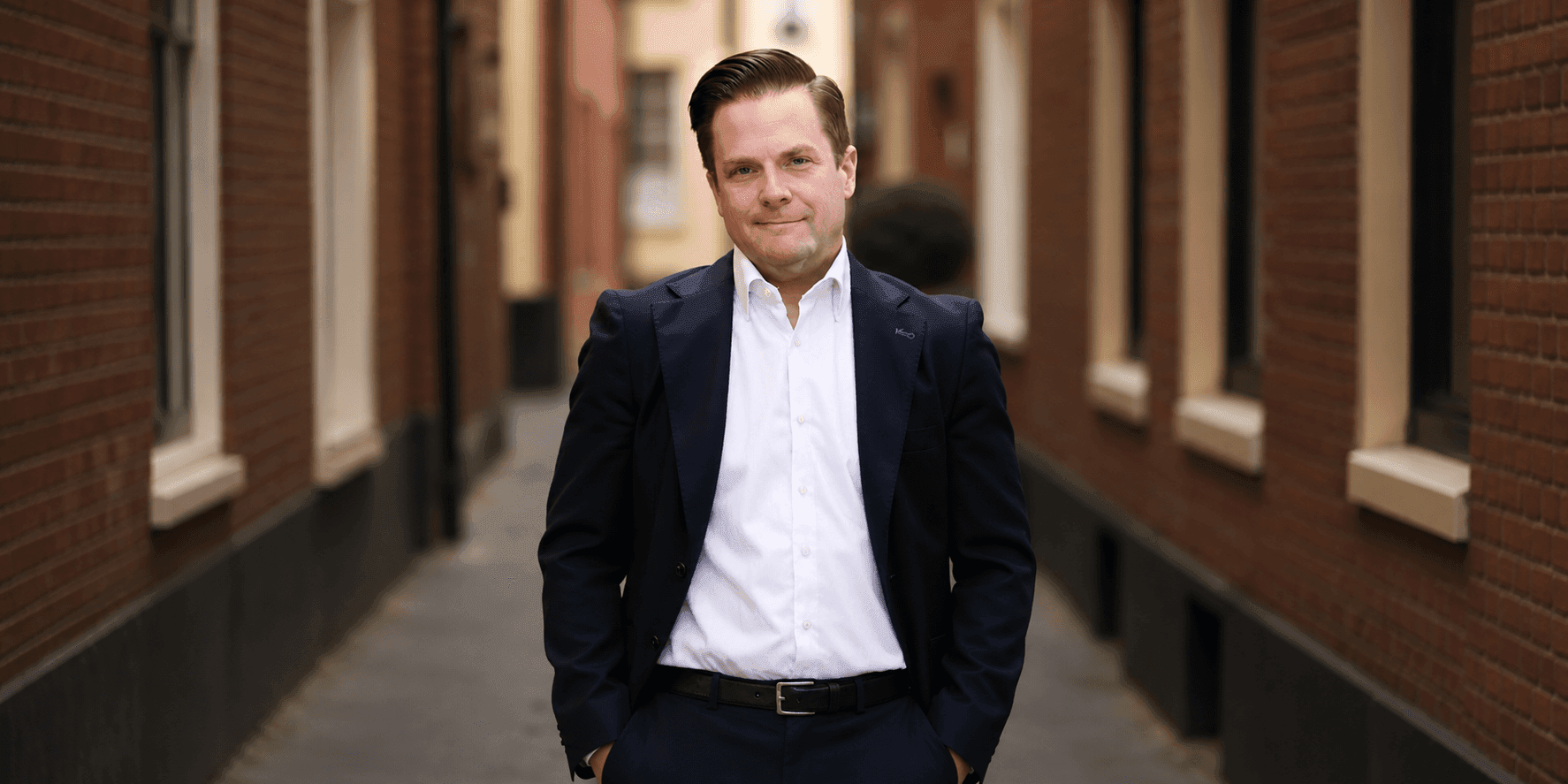
The room that matters is not always the one with the polished table. For Paul Scribner, Chief Executive Officer of General Holdings Limited, the decisive conversation often begins closer to the plant floor, with the people who understand the machinery, the history, and the cost of being ignored. In an asset class where international capital often blames “political risk” for failed transactions, Scribner sees a simpler problem. Investors arrive late to the constituency that can determine whether a deal lives or dies. “Political risk is the explanation people reach for when they do not want to examine their own approach,” he says. That sentence captures the thesis behind the firm, a Dubai-based private investment holding company built around patient ownership, concentrated positions, and the belief that labor is not a hurdle. It is a counterparty.
General Holdings Limited And The Mispriced Asset
The firm is young enough to resist mythology. Scribner does not present the firm as an heir to some grand institutional legacy. He describes it instead as a platform with a thesis under pressure in real time. Incorporated in the Dubai International Financial Centre, the firm invests as a principal from its own balance sheet. It does not manage outside capital as a conventional fund, and that distinction matters. Its attention sits on real assets, industrial infrastructure, distribution, energy, and hard-to-move operating platforms where liquidity is secondary to stewardship.
The assets Scribner studies are often unloved for good reason. Across regions that have seen cycles of state-led industrial ambition, global competition, operating strain, and political fatigue, there are refineries, ports, steel plants, processing facilities, and distribution networks that once carried national importance and later became stranded. They are too complex for quick buyers, too visible for quiet restructuring, and too socially embedded for purely financial engineering. Many sit at values that look irrational to outsiders until the human and political context becomes clear.
For Scribner, that context is not background noise. It is the market. He argues that many international investors have misread these assets because they start with ministries, advisers, and term sheets, then discover later that the workforce holds practical power. “The workforce at a state-built asset holds a veto whether or not your term sheet acknowledges it,” he says. “You can find that out at the beginning or you can find it out two years in.” General Holdings chooses the beginning.
That choice changes the pace. It also changes the moral geometry of the transaction. In Scribner’s view, labor is not a constituency to be managed after the “real” deal is complete. Labor is part of the deal itself. The people who kept a facility alive, or lived through its decline, carry institutional memory that no spreadsheet can replace. They know where the process breaks, which promises failed, which managers earned trust, and where a new owner will face resistance. A buyer who ignores that knowledge pays for it later, often in delay, suspicion, or collapse.
A Labor First Investment Thesis
The defining move in the firm's approach is sequence. Rather than secure a commercial structure first and approach the workforce later, the firm begins with representatives of the people who operate the asset. Scribner describes this as slower, more uncomfortable, and more honest. It requires listening before proposing. It requires acknowledging that a workforce with scars from prior processes will not be persuaded by generic assurances. Most of all, it requires accepting that ownership is not simply the acquisition of control. It is the assumption of obligations.
"Patronage is not generosity," Scribner says. "It is the acknowledgement that what you own, you are answerable for, long after the money has moved." The line sounds philosophical, and Scribner does not avoid that register. Through GH Insights and his personal essays, he has written about faith, obligation, patronage, and the duties capital owes to the places where it operates. Yet he insists the principle is practical. In politically sensitive industrial assets, legitimacy is not a slogan. It is a tool of execution.
That is also why the firm’s structure matters. The firm invests as a principal, not as a manager racing to deploy and exit according to a fund timeline. “We are not a fund,” Scribner says. “Nobody is waiting on us to exit, which means we can afford to be patient in places where patience is the only thing that works.” Patience is often praised in capital markets, but it is rarely operationalized. In this case, it means accepting longer conversations, harder diligence, and the possibility that the best route to control begins with consent.
The DIFC base supports that posture. Dubai gives the firm a common-law environment, regional proximity, and access to pools of capital familiar with long-dated ownership. Scribner is careful not to frame that base as a branding choice. It is a structural decision. The firm seeks positions where presence matters more than trading speed, and where institutional co-investors can align around the asset rather than a short exit calendar.
The contrast with faster competitors is deliberate. In industrial turnarounds, speed can create the illusion of progress. A buyer can win headlines, sign preliminary documents, and appear to outmaneuver slower parties. Yet if the workforce has not been engaged, the clock soon works against the buyer. Distrust compounds. Advisers multiply. The public narrative hardens. What appeared efficient becomes expensive. The firm is making the opposite wager: that credibility built early can shorten the real path, even if it lengthens the visible one.
Why Paul Scribner Measures Success By The Close
Scribner’s own background in structured finance, sovereign capital markets, and cross-border execution informs the method, but he resists a biography-led profile. He would rather readers engage the argument. That argument is blunt: many assets treated as politically impossible are instead socially misread. The issue is often not that labor is irrational, or that public stakeholders are uniquely difficult. The issue is that capital arrives with a hierarchy of importance that puts those stakeholders last.
General Holdings Limited is therefore an investment company with an unusual center of gravity. Its leadership, including Gregory Man as President and General Counsel and Justin Inniss as Chief Operating Officer, operates in a space where legal form, operating reality, and social permission must meet. The firm’s work has appeared in Khaleej Times, Fast Company Middle East, The Arabian Post, Emirates Reporter, Arabian Business, CEOWorld leadership features, and an MSN list of leading men to watch this year. Scribner acknowledges the attention, then returns to the standard he prefers. “I would rather be judged on whether this closes than on how it reads.”
That sentence is a useful guardrail. The firm is not inviting applause for a theory. It is advancing a thesis into markets where theories are tested by fatigue, mistrust, and the long memory of workers who have seen promises come and go. By starting with labor, the firm does not remove risk. It changes the conversation about where risk lives. It asks whether the people closest to an asset should be treated as a late-stage complication or an early-stage source of truth.
General Holdings Limited invests in real assets, industrial infrastructure, and long-dated industrial ownership from a base in Gulf capital markets. Connect with General Holdings at gh.ae, read institutional commentary at GH Insights, explore Paul Scribner's essays at paulscribner.com, and follow him on LinkedIn.