
How Autobacs India Is Structuring the Automotive Aftermarket
Autobacs India is bringing structure, compliance, and scalability to India’s growing automotive aftermarket industry.

India’s automotive aftermarket industry, valued at over $10 billion and projected to grow steadily with rising vehicle ownership, remains largely fragmented and informal. India’s automotive aftermarket has long operated through decentralized networks of workshops, suppliers, and installers. For years, vehicle customization and component upgrades have largely depended on fragmented sourcing practices and individually driven craftsmanship. While this ecosystem has supported strong enthusiast communities, it has also created variability in pricing transparency, installation consistency, and operational standardization.
Within this landscape, Autobacs India has positioned itself with a focus on structural organization and process alignment. Operated under Roavion Automotive Pvt Ltd, the company was established with the intention of introducing greater operational discipline into the vehicle customization and upgrade segment. Rather than functioning solely as a traditional modification garage, the organization presents itself as a system-oriented automotive platform.
A defining element of its approach is the emphasis on documented procedures and structured procurement. In many parts of the aftermarket sector, supplier relationships are informal and installations may vary based on individual technician preferences. Autobacs India has sought to implement standardized sourcing channels, defined installation protocols, and centralized coordination mechanisms. This shift reflects an effort to reduce inconsistencies that can arise in loosely organized environments.
As India’s automotive ownership base expands and consumer awareness grows, expectations surrounding quality and service transparency have evolved. Customers exploring suspension systems, performance components, lighting upgrades, or aesthetic enhancements are increasingly attentive to reliability, compliance, and clarity in pricing. In response, structured workflows and defined operational frameworks are becoming more relevant within the broader industry.
Autobacs India focuses on integrating components sourced through established supplier networks while applying consistent installation methodologies. By coordinating procurement through organized channels, the company aims to reduce variability in component quality and compatibility. Internally documented procedures guide installations, with an emphasis on repeatable execution rather than improvised methods.

“India’s aftermarket industry has scale, but scale without structure creates volatility,” says Sachin T, Founder of Autobacs India. “Our focus is not just customization — it’s institutional discipline. Long-term growth in this sector depends on documented systems, verified sourcing, and replicable operational models.”
Another element of the company’s strategy involves scalability through replication of systems. Instead of relying solely on singular transformation projects, Autobacs India has focused on developing operational frameworks that can be reproduced across multiple locations. This includes standardized procurement processes, supplier verification practices, and defined customer interaction protocols. The intent is to create continuity across service points while maintaining consistent service delivery standards.
The broader automotive ecosystem in India continues to evolve alongside global trends. Exposure to international customization cultures and performance innovations has influenced domestic demand patterns. As enthusiasts seek enhancements aligned with global benchmarks, the need for organized platforms capable of managing complexity becomes more pronounced. Structured platforms can help bridge the gap between international component sourcing and local installation environments.
Operational governance plays a significant role in this transition. Centralized oversight, coordinated supplier engagement, and consistent service documentation contribute to risk reduction and process clarity. In industries characterized by rapid growth, such governance mechanisms often support long-term sustainability by minimizing operational ambiguity.
Autobacs India’s emphasis on structure reflects a larger shift within the aftermarket industry toward formalization. While independent workshops remain an important part of the ecosystem, there is increasing recognition that scalable systems may enhance predictability and customer confidence. Defined pricing frameworks, standardized procedures, and transparent communication channels can contribute to more stable operating environments.
Technology integration also supports this structured approach. Coordinated documentation systems and centralized management processes enable continuity beyond individual transactions. By maintaining consistent records and defined operational checkpoints, organizations can monitor quality benchmarks more effectively and refine procedures over time.
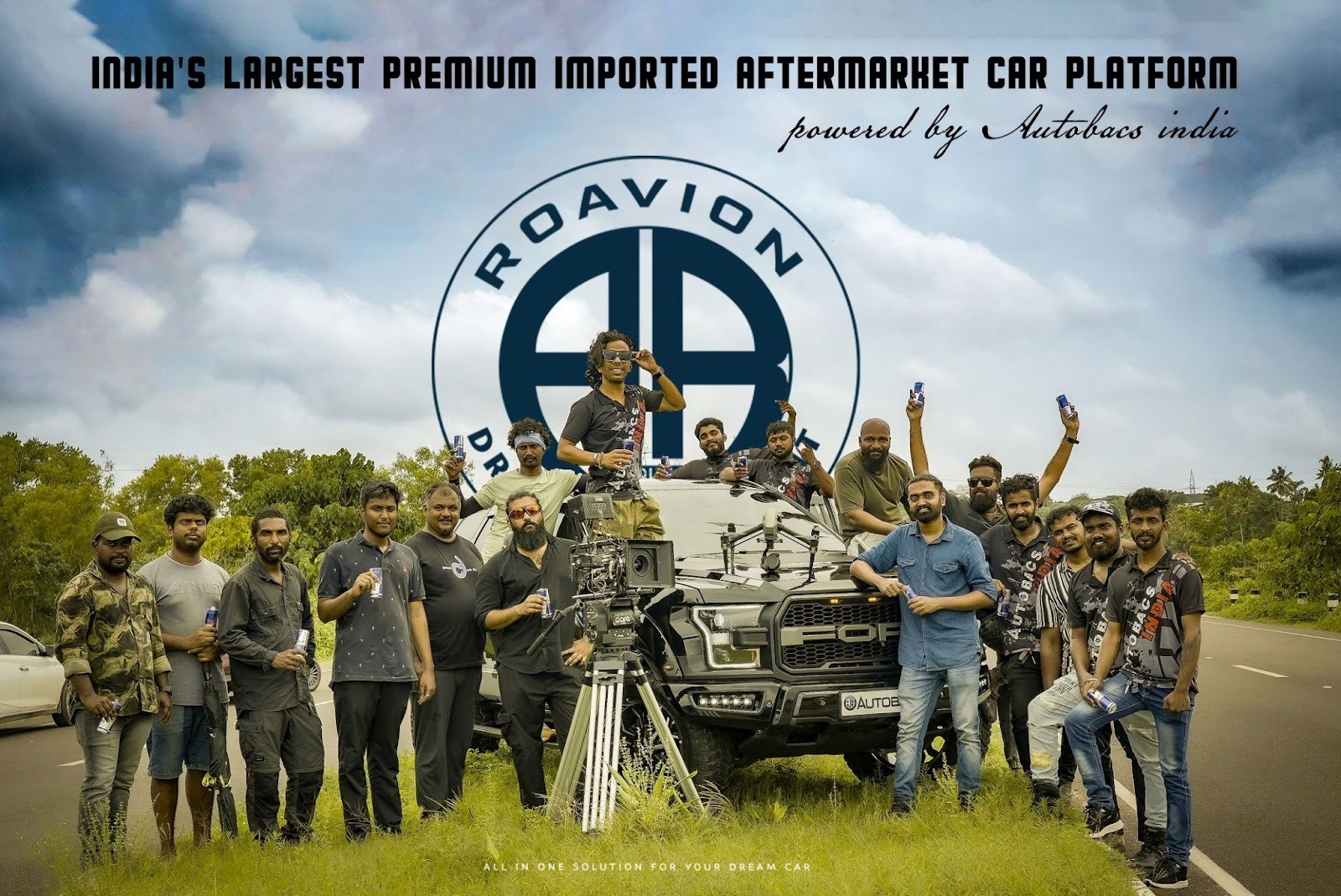
The company’s development trajectory illustrates how organizational frameworks can influence emerging sectors. Rather than positioning customization as a purely discretionary service, the model emphasizes institutional discipline and operational clarity. This orientation aligns with broader market movements that favor transparency and structured service ecosystems.
As India’s automotive ecosystem continues to mature, the shift from informal execution to institutionalized systems may define the next phase of growth. Companies capable of combining global sourcing discipline with localized execution standards are likely to influence how the aftermarket industry evolves over the coming decade.
Autobacs India’s strategy centers on the premise that structure can support scalability and trust within a growing market. By focusing on documented systems and organized coordination, the company reflects a shift toward institutional development in an industry historically characterized by informal practices. In doing so, it contributes to ongoing conversations about how India’s automotive aftermarket can evolve with greater operational alignment and consistency.