
Jesus: The Evidence, by Prof. Robert Stewart
A jazz virtuoso and clandestine scholar unveils hidden truths about the most examined life in history.
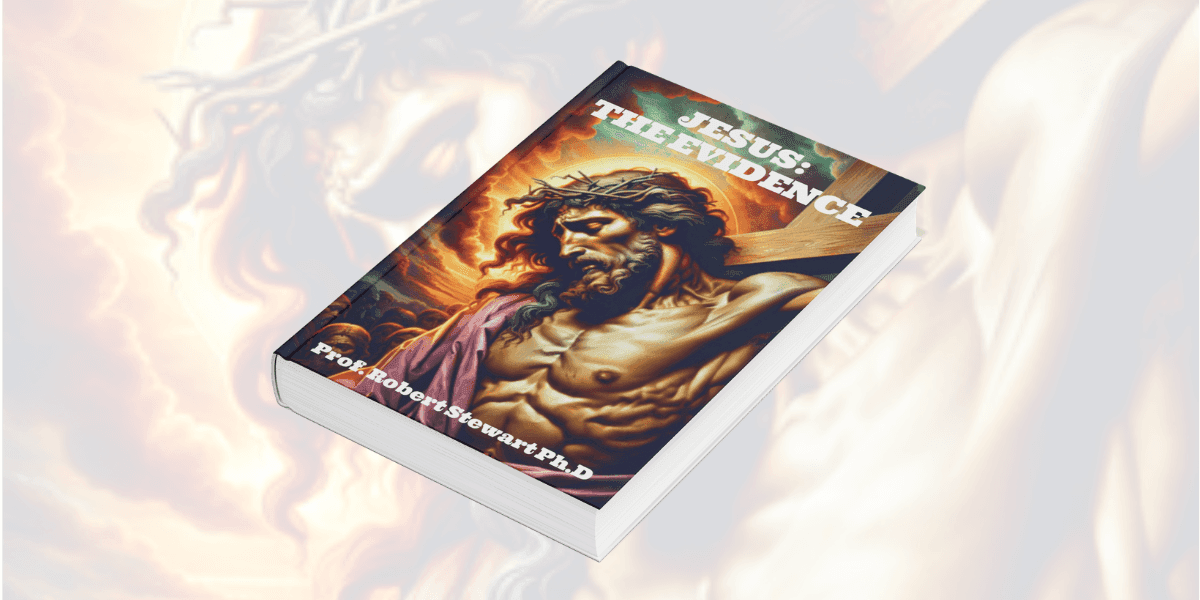
Few lives read like a coded manuscript. Prof. Robert Stewart's does. He was recruited as a student at U.C. Berkeley into a program for humans with unusual abilities, then spent decades hiding a clandestine career behind a stage name and a saxophone. Music, he explains, was the camouflage. Faith and inquiry were the real work. Now, in his controversial book "Jesus: The Evidence," Stewart brings that lifelong search into the open, offering readers what he calls evidence that today's clergy would rather keep hidden.
From Berkeley Labs to the Concert Stage
Robert Stewart holds a DSc in Astronomy from Berkeley and an Honorary Doctorate in World Religions from Provident University in Delaware. His areas of expertise range across martial arts, world religions, science, and the Occult. Yet for years, the public knew only one version of him: the musician.
And what a musician. Stewart is a multi-instrumentalist who plays saxophones, piano, flute, drums, and sings. He recorded two major-label albums, "The Force" and "In the Gutta," for Quincy Jones and Qwest/Warner Bros. He served as lead tenor saxophonist on the Pulitzer Prize-winning "Blood on the Fields" by trumpeter Wynton Marsalis, and he studied as a protégé of the legendary Pharoah Sanders.
The praise followed him everywhere. Los Angeles Times journalist Bill Kohlhaase highlighted Stewart's "unique, personal sound and remarkably inventive improvisations." Jazz critic Jason Ankeny called him one of the most impressive jazz saxophonists to emerge at the end of the twentieth century. Drummer Billy Higgins went further, describing Stewart as "perhaps the most important young artist to come along in decades."
Behind the applause, however, Stewart carried out work that had nothing to do with melody. His fields included child extraction from cults, a calling that placed him at the intersection of danger, faith, and human deliverance. The music, he says, was his deep cover. The questions about God were his true north.
A Life That Led to One Question
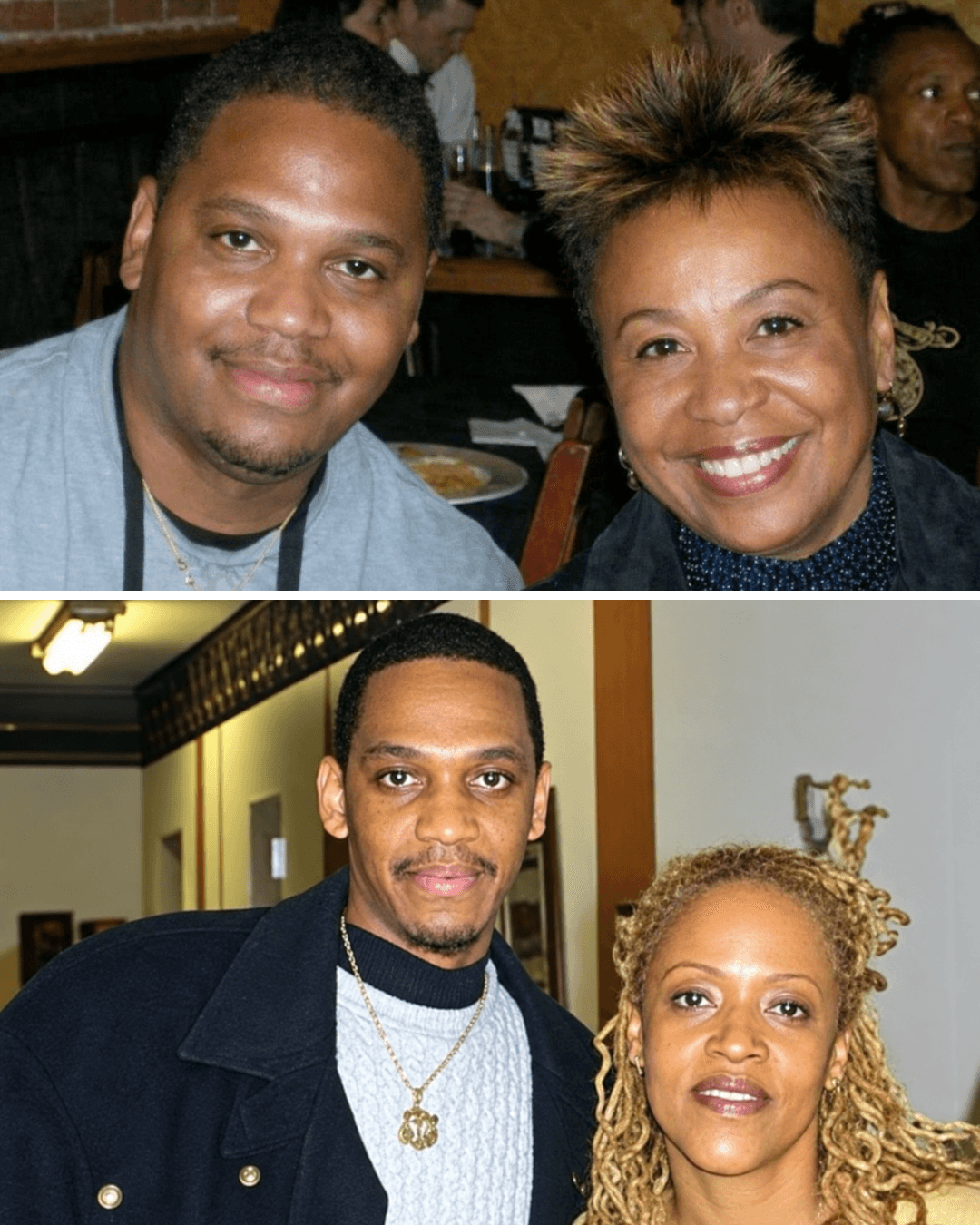
Stewart's story cannot be separated from the people who shaped it. He counts among his long-time friends Congresswoman and Mayor Barbara Lee. He also honors his God-sister, the celebrated vocalist Cassandra Wilson, with whom he performed many times before her recent passing. These relationships reflect a man who moved through the highest circles of American music while quietly pursuing something far larger.
That larger pursuit became "Jesus: The Evidence." The book grew out of a lifetime spent studying religions, science, and the patterns Stewart believes reveal a divine hand at work. He does not treat faith as sentiment. He treats it as a case to be examined, tested, and defended.
"Man's ego is certainly exorbitant," Stewart writes, "but he will forever remain a petulant subordinate to the God that created his mind; the God that created space and time." The line captures his central argument. Human intellect, however brilliant, sits beneath the intelligence that designed the cosmos.
His scientific background gives that claim a distinctive edge. As an astronomer, Stewart looked outward at space and time. As a metaphysicist, he looked inward at meaning. The two disciplines converge in his conviction that order is not accident. "Pattern constants are God's divine design," he declares, "that only the spiritually blind deny of His signs."
Why "Jesus: The Evidence" Provokes
The book is unapologetically controversial. Stewart contends that clergymen of today desire to keep certain evidence about Jesus hidden from humanity. That is a bold charge, and he knows it. Yet his entire life prepared him to make it.
Consider his credentials. He is a scholar of religions and a scientist. He has spent years inside the mechanics of belief systems, including the darker corners where cults exploit the faithful. He understands how doctrine can be shaped, guarded, and withheld. When a man with that résumé says important truths have been buried, readers tend to lean in.
"Jesus: The Evidence" does not ask readers to abandon reason. It asks them to follow it further than they may be comfortable going. Stewart invites skeptics and believers alike to reconsider what they think they know. The provocative subtitle of one promotional framing says it plainly: thought that you knew Jesus? Think again.
What makes the book different is its author's refusal to choose sides in the tired war between science and scripture. Stewart writes as a man who mastered both. He measured the heavens with the tools of astronomy, and he studied the soul with the tools of theology. For him, the evidence for Jesus is not a matter of faith alone. It is a matter of design, pattern, and consequence, observable to anyone willing to look honestly.
The Man Behind the Message
There is a rare authority in Stewart's voice, and it comes from experience rather than posture. He describes himself as a scholar of religions, a scientist-metaphysicist, a soldier, an author, an educator, a martial artist, a saxophonist, a composer, and, in his own words, "a viceroy of God." The titles could seem grandiose in someone else. In Stewart, they read as a summary of an unusually eventful life.
His music taught him discipline and improvisation. His clandestine service taught him courage and discretion. His scholarship taught him rigor. All three feed the book. Readers encounter a writer who has performed on Pulitzer-winning stages, rescued children from spiritual captivity, and studied the stars, now turning his full attention to the figure at the center of Western faith.
That combination is why "Jesus: The Evidence" resonates beyond ordinary religious commentary. It is not a sermon. It is a report from a man who spent his life in the field, gathering what he believes are the signs of God's design and refusing to let them stay hidden.
An Invitation to Look Again
If you have ever suspected that the familiar story of Jesus holds more than you were taught, "Jesus: The Evidence" was written for you. Prof. Robert Stewart offers not comfort but challenge, and not opinion but what he presents as evidence. He asks only that you read with an open and honest mind.
Explore his book, listen to his music, and follow his ongoing work through his official channels. Visit his website to learn about his scholarship and his art. Then decide for yourself whether the case he makes changes what you believe about the most examined life in human history. The evidence, Stewart insists, is waiting for those willing to see it.
Explore More About Prof. Robert Stewart
Purchase his book and connect with Prof. Robert Stewart, his Amazon Author Page, his Wikipedia profile, his YouTube channel, and his Facebook page.