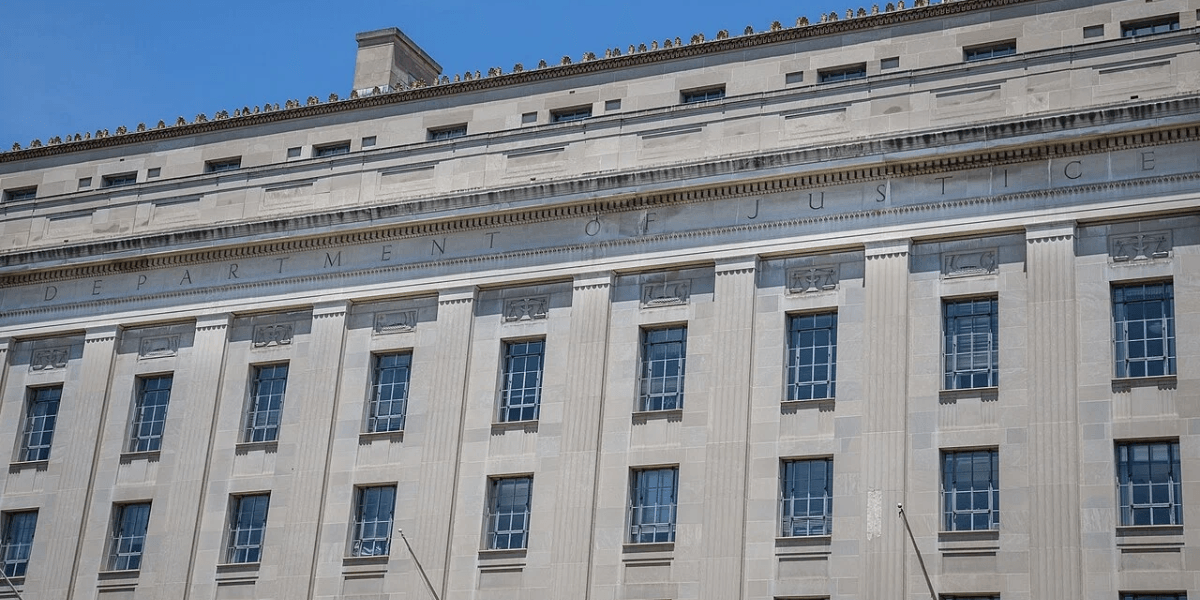
Jobs Boom, Capitol Battles, and World Cup Preparations Shape America's Agenda
The United States found itself balancing a resilient economy, contentious political fights in Washington, and growing preparations for major international events. Employment figures exceeded expectations, lawmakers continued sparring over immigration and executive power, and states across the country remained focused on consequential elections and policy debates. Together, these developments reflected a nation navigating both immediate challenges and long-term political and economic questions.
Strong May Jobs Report Defies Expectations
The biggest economic story of the day came from the Labor Department’s May employment report. The U.S. economy added approximately 172,000 jobs during the month, significantly outperforming many economists’ forecasts. The unemployment rate held steady at 4.3%, while hiring remained particularly strong in hospitality, healthcare, and local government.
The report reinforced perceptions that the labor market remains resilient despite geopolitical uncertainty and concerns about slowing global growth. Financial markets reacted cautiously. Treasury yields rose as investors reassessed expectations for future Federal Reserve policy, while technology stocks led a broader market selloff. The Nasdaq posted substantial losses amid weakness in semiconductor and artificial-intelligence-related shares.

Yuma Sector Border Patrol Agents patrol the Colorado River near Yuma, AZ. U.S. Customs and Border Protection photo by Jerry Glaser
Photo Credit: CBP Photography/Wikimedia
Senate Republicans Advance Immigration Funding Measures
On Capitol Hill, Senate Republicans pushed forward a major immigration-enforcement funding package while defeating Democratic efforts to limit certain executive initiatives. Debate centered on a roughly $70 billion immigration enforcement proposal that supporters argued was necessary to strengthen border security and immigration operations. Democrats criticized the measure, warning about its fiscal and humanitarian implications.
The Senate also continued disputes over executive branch authority and Justice Department funding. The ongoing legislative battle underscored broader tensions between Congress and the White House as lawmakers prepare for the second half of the year and the approaching midterm-election cycle.
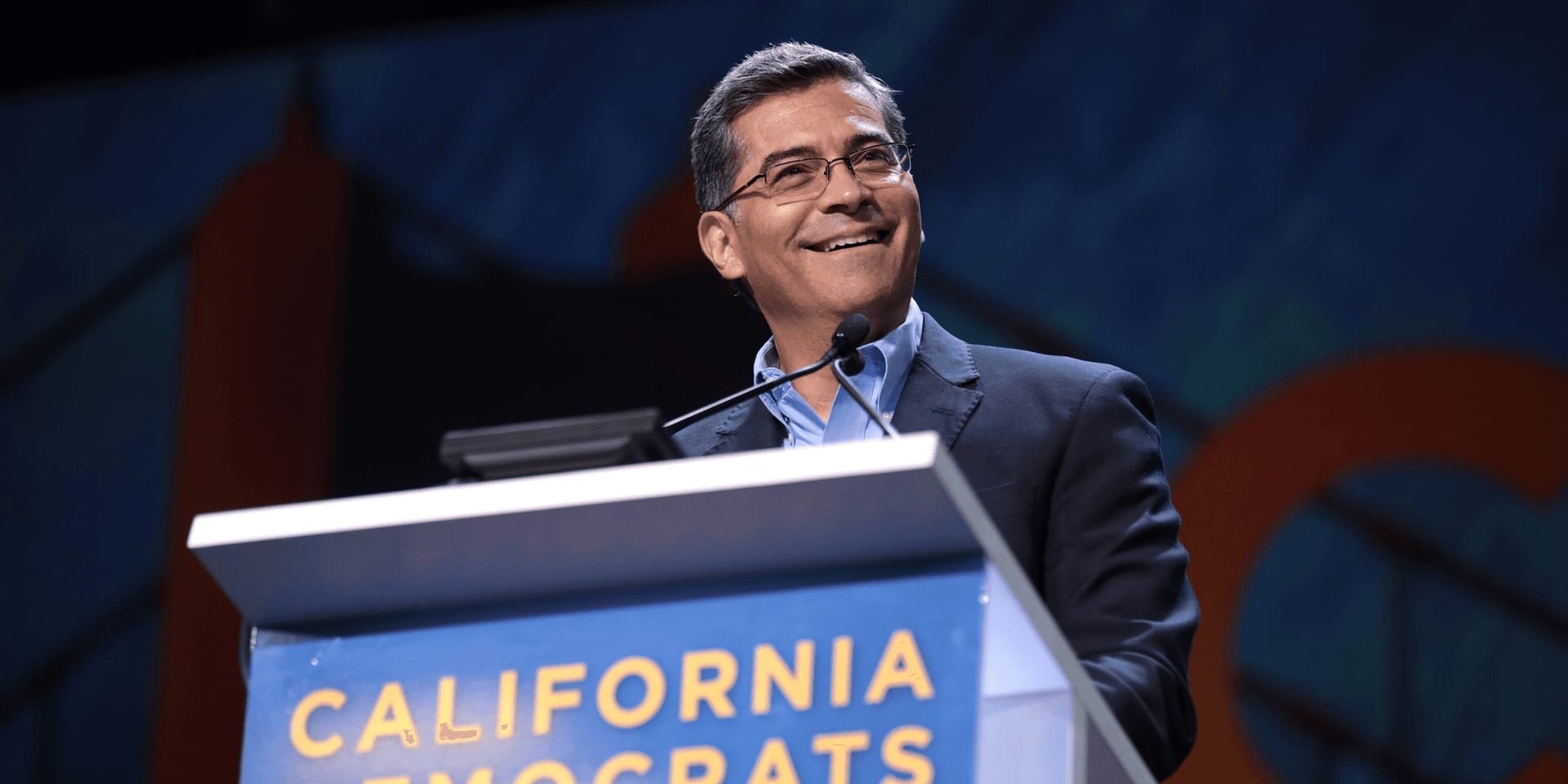
Attorney General Xavier Becerra speaking with attendees at the 2019 California Democratic Party State Convention at the George R. Moscone Convention Center in San Francisco, California.
Photo Credit: Gage Skidmore/Wikimedia
California's High-Stakes Political Contests Draw National Attention
California remained a focal point of political attention following this week's statewide primary elections. Former Health and Human Services Secretary Xavier Becerra was projected to advance in the race to succeed the state's term-limited governor, while the competition for the second general-election spot remained closely contested.
Meanwhile, in Los Angeles, vote counting continued in the mayoral contest. The race tightened as Nithya Raman gained ground on Spencer Pratt in the battle for a place in the November runoff against incumbent Mayor Karen Bass. The prolonged counting process drew additional scrutiny after federal officials became involved in monitoring aspects of ballot processing, adding another layer of controversy to an already closely watched election season.
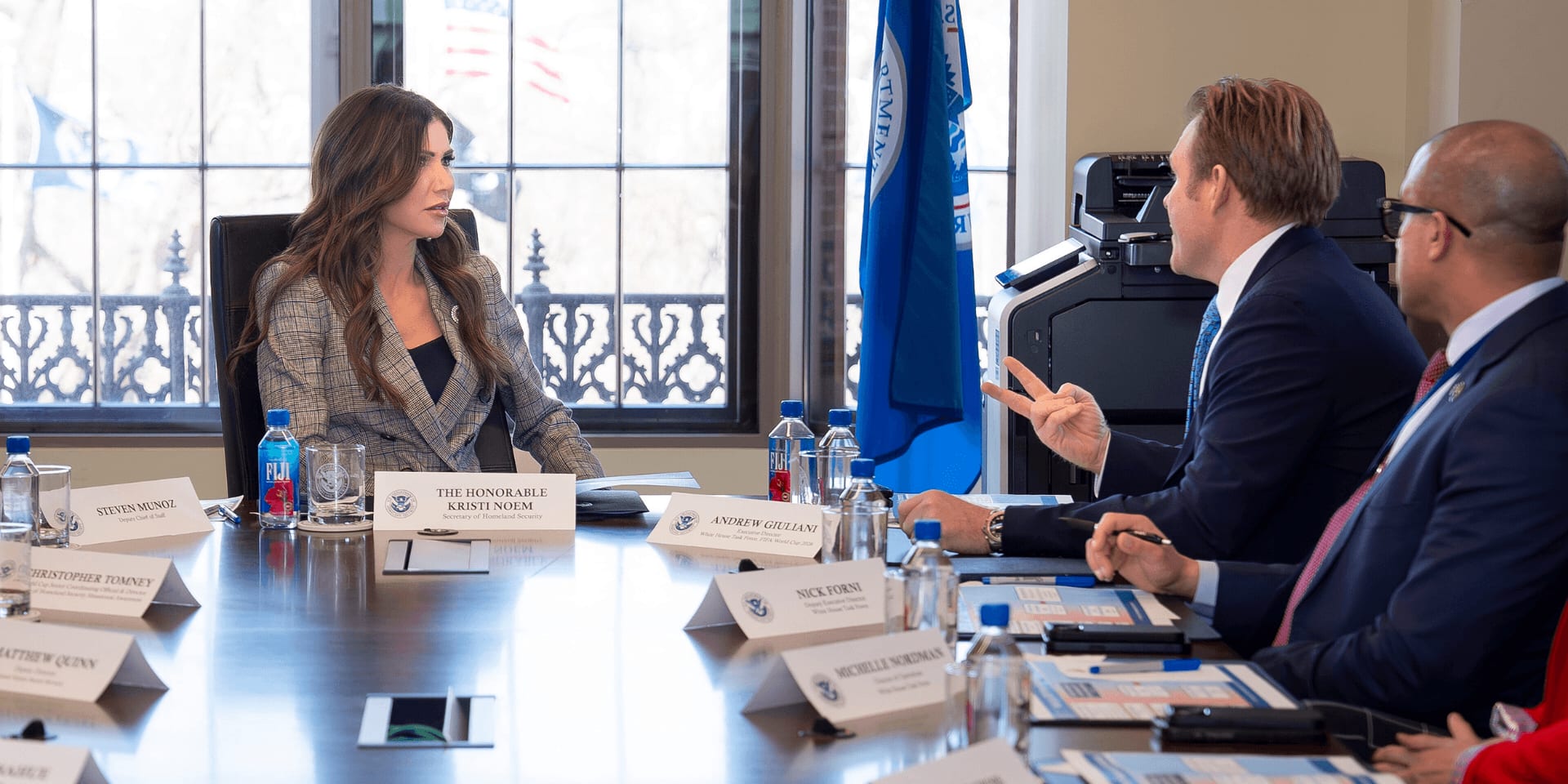
Secretary of Homeland Security Kristi Noem meets with representatives of the 2026 FIFA World Cup Federal Interagency Coordination Plan at the Department of Homeland Security headquarters in Washington, D.C., Feb. 25, 2026. (DHS photo by Tia Dufour)
Photo Credit: DHSgov/Wikimedia
World Cup Security Preparations Intensify
With the 2026 FIFA World Cup rapidly approaching, federal, state, and local authorities expanded preparations for what officials describe as one of the largest security operations in modern American history. The tournament, which will be jointly hosted by the United States, Canada, and Mexico, is expected to attract millions of visitors and numerous world leaders.
Security planners are deploying advanced technologies, including drones, AI-assisted surveillance systems, and enhanced screening capabilities. The Department of Homeland Security, FBI, Secret Service, and local law-enforcement agencies are coordinating efforts amid concerns about terrorism, cyber threats, misinformation campaigns, and other emerging risks. Federal funding has been allocated to help host cities prepare for the unprecedented logistical challenge.

A U.S. Army CH-47 Chinook helicopter lifts off from an airfield in the Middle East for a scheduled flight. The Chinook is the Army's heavy-lift helicopter and its fastest.
Photo Credit: U.S. Army USARCENT/Wikimedia
International Tensions Continue to Influence U.S. Policy
Foreign policy remained a significant backdrop to domestic affairs. News coverage throughout the day highlighted continuing tensions involving Iran, ongoing military and diplomatic activity in the Middle East, and debate in Washington over presidential war powers and international commitments.
These developments continue to affect energy markets, economic forecasting, and national security planning. Policymakers from both parties have increasingly linked domestic economic performance and security priorities to evolving international conditions, particularly as the United States prepares to host major global events and navigate a busy election calendar.
Looking Ahead
Attention now turns to several major developments in the days ahead. Economists and investors will watch for signals from the Federal Reserve following the stronger-than-expected jobs report. Congress is expected to continue debating immigration funding and executive authority. California election officials will keep counting ballots in closely watched races, while security agencies intensify preparations for the World Cup. At the same time, developments in the Middle East and other international hotspots remain likely to influence both Washington policymaking and financial markets, ensuring that the intersection of domestic and global events continues to shape the national conversation.