
Markets Rally as Iran Tensions Ease Slightly While Shutdown Strains U.S. Systems
A volatile mix of geopolitical tension, domestic disruption, and economic uncertainty defined the national landscape. While signs of a temporary de-escalation in the U.S.-Iran conflict lifted financial markets, the broader crisis continued to ripple through energy prices and global stability. At home, a prolonged government shutdown and a deadly aviation accident added to mounting concerns about infrastructure and governance.
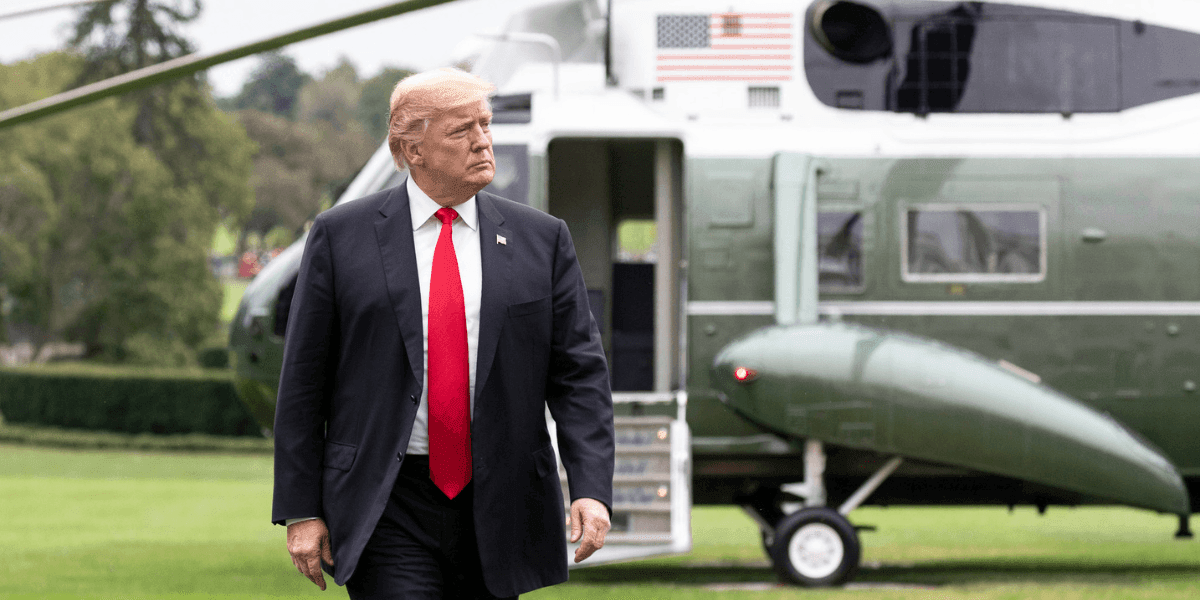
Trump Signals Pause in Iran Strikes Amid Escalating Conflict
President Donald Trump announced a temporary pause in planned U.S. strikes on Iranian energy infrastructure following what he described as “productive talks,” offering a brief reprieve in a rapidly intensifying conflict. The move comes after Trump issued a 48-hour ultimatum demanding Iran reopen the Strait of Hormuz, a critical global oil transit route.
Despite the pause, tensions remain high. Iran has threatened to retaliate against infrastructure across the Middle East, and recent missile attacks on Israel have left more than 100 people injured. The U.S. has also issued a global advisory urging Americans abroad to exercise increased caution as the situation threatens to spiral further.
The conflict has already disrupted global energy supplies, with millions of barrels of oil affected and fears of prolonged instability growing among U.S. allies and policymakers.

Stock Market Surges on Signs of De-escalation
Wall Street responded sharply to the perceived easing of tensions. Major indices surged, with the Dow Jones Industrial Average jumping more than 1,000 points and the S&P 500 rising over 2 percent.
The rally was driven largely by falling oil prices and investor optimism that a broader regional war might be avoided. Crude oil dropped below recent highs, while gold prices also declined as investors moved away from safe-haven assets.
Still, analysts caution that the market remains highly sensitive to developments in the Middle East. Any renewed escalation could quickly reverse gains, underscoring the fragile nature of the current rebound.

Government Shutdown Disrupts Travel and Security Nationwide
The ongoing partial federal government shutdown, now in its second month, is increasingly affecting daily life across the country—particularly in air travel. Staffing shortages at the Transportation Security Administration (TSA) have led to long lines, delays, and warnings of potential airport disruptions.
With many TSA workers missing paychecks, absenteeism has risen, straining airport operations during a busy spring travel period. Some travelers have reported waiting hours to pass through security, raising concerns about both efficiency and safety.
Lawmakers face mounting pressure to reach a funding agreement before March 27, when another missed paycheck could further exacerbate the situation. However, negotiations remain stalled, largely over immigration-related provisions tied to Department of Homeland Security funding.

Deadly Plane Crash at LaGuardia Raises Aviation Safety Questions
A tragic accident at New York’s LaGuardia Airport has intensified scrutiny of aviation safety and infrastructure resilience. An Air Canada regional jet collided with a fire truck on the runway, killing two pilots and injuring dozens of passengers.
The incident forced the temporary closure of the airport and compounded travel disruptions already worsened by the government shutdown. Federal investigators are now examining the circumstances surrounding the crash, including possible communication failures and operational lapses.
The accident has renewed calls for investment in airport safety systems and personnel, particularly as staffing shortages and operational strain become more widespread.

Mortgage Rates Rise as Economic Uncertainty Persists
Economic pressures continued to mount as mortgage rates ticked upward, reflecting ongoing inflation concerns and global instability. The average 30-year fixed mortgage rate climbed to 6.36 percent, with analysts pointing to geopolitical tensions—especially the Iran conflict—as a key driver.
Higher borrowing costs have already dampened refinancing activity, which fell sharply in recent weeks. While rates remain below their 2025 peaks, the upward trend is adding strain to an already challenging housing market.
The Federal Reserve has held interest rates steady for now, but uncertainty surrounding inflation and energy prices could complicate future policy decisions.
Looking Ahead
The coming days will be pivotal on multiple fronts. Diplomatic efforts with Iran will determine whether the current pause leads to de-escalation or renewed conflict. In Washington, the March 27 deadline looms large as lawmakers attempt to resolve the shutdown before further disruptions take hold. Meanwhile, markets and consumers alike will be watching closely for signs of stability—or further volatility—in energy prices, interest rates, and global security.