
Mounting Pressures at Home and Abroad Define America’s First Days of May
The United States entered May 2026 confronting a convergence of geopolitical strain, economic uncertainty, and major domestic policy shifts. From escalating tensions tied to the Iran conflict to significant legal rulings and economic signals, the day’s developments reflected a nation navigating both external instability and internal divisions. Against this backdrop, new data and policy decisions are shaping the trajectory of the months ahead.
U.S.–Iran Conflict Remains Volatile Despite Claims of De-escalation
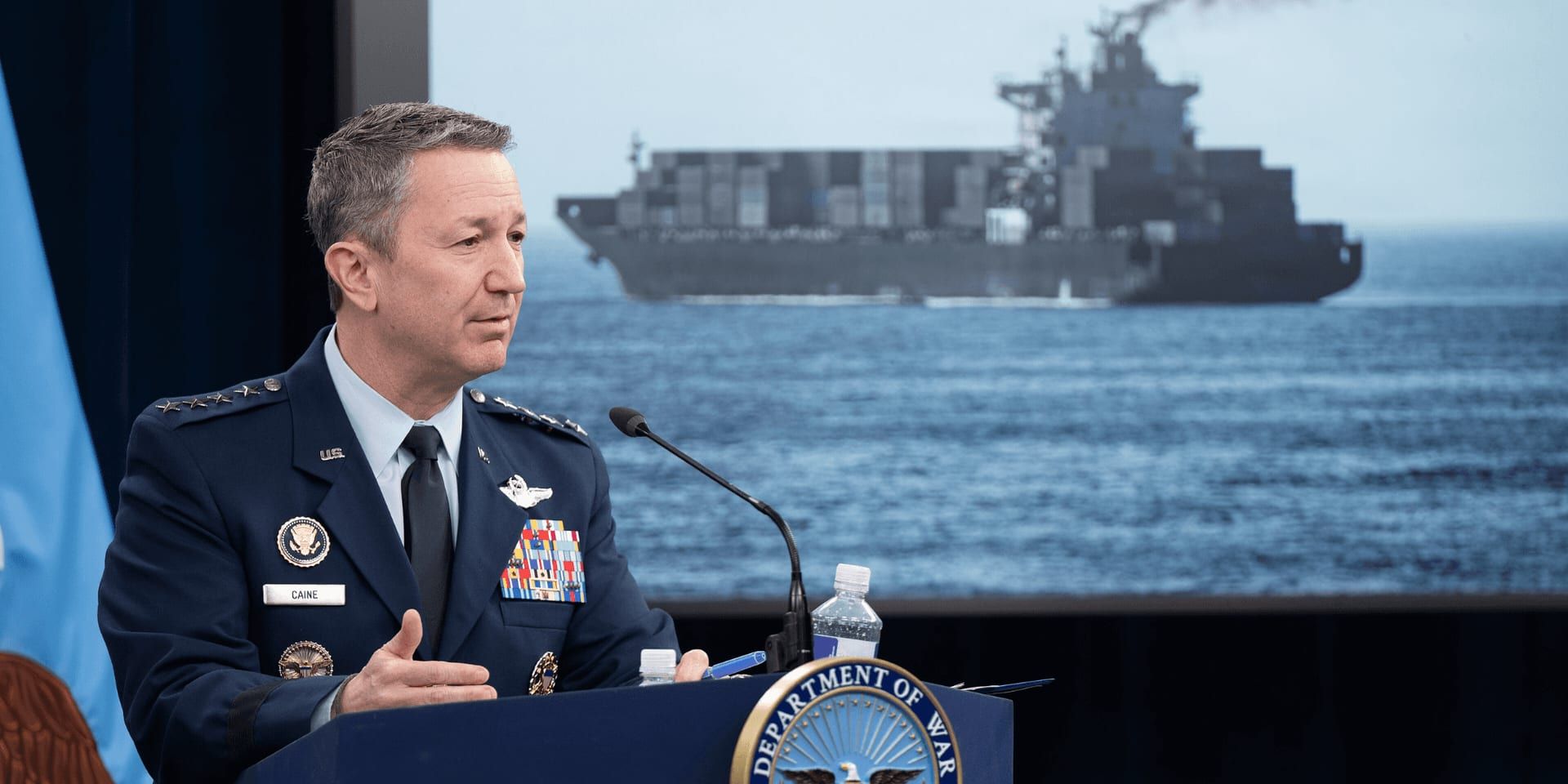
Confusion and tension continue to define the U.S. posture toward Iran, even as the Trump administration asserts that hostilities have ended. President Donald Trump told Congress that military operations had “terminated,” but critics in Washington and abroad dispute that characterization, citing continued U.S. military presence and strategic blockades in the region.
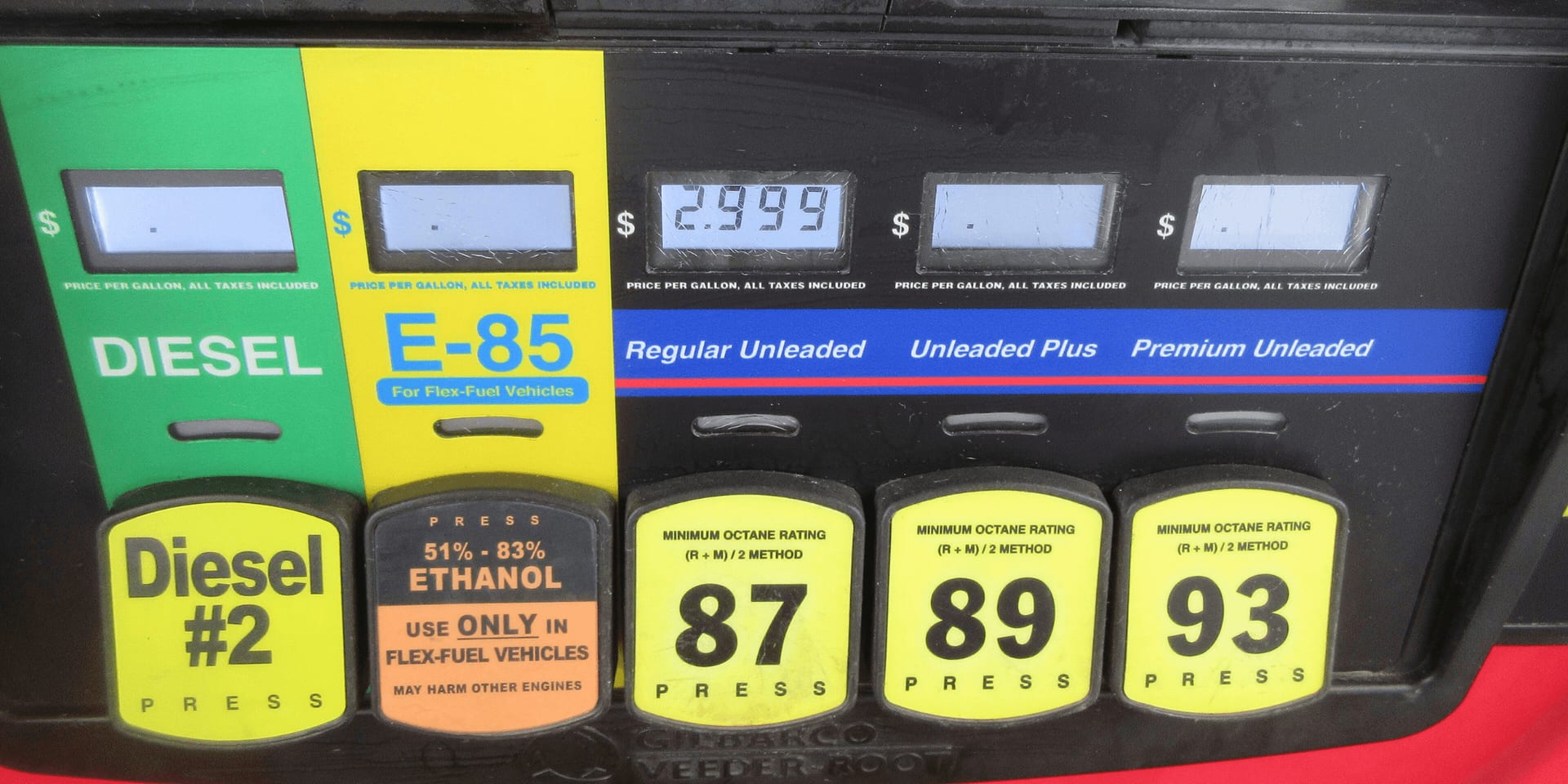
Meanwhile, Iranian officials warned that conflict could resume, describing the situation as unresolved and accusing the United States of failing to commit to lasting agreements. Rising oil prices and disruptions to global shipping lanes—particularly around the Strait of Hormuz—have intensified economic concerns, contributing to higher fuel costs for Americans and renewed scrutiny of the administration’s war powers authority.

Federal Appeals Court Restricts Access to Abortion Pill
In a major legal development, a federal appeals court has temporarily blocked a rule that allowed the abortion pill mifepristone to be distributed by mail. The decision marks one of the most significant restrictions on abortion access since earlier Supreme Court rulings reshaped federal protections.
The ruling could have nationwide implications, particularly in states where abortion access is already limited. Legal experts note that the case is part of a broader wave of litigation challenging both the drug’s original approval and more recent efforts to expand access. The decision is expected to face further appeals, potentially setting up another high-profile battle before the Supreme Court.
U.S. Economy Shows Modest Growth Amid Lingering Risks
New economic data indicates that the U.S. economy grew at a modest 2% annualized rate in the first quarter of 2026, signaling a rebound from late 2025 but still falling short of expectations. Growth has been driven largely by government spending and a surge in private investment, particularly in artificial intelligence and data infrastructure.
However, underlying vulnerabilities remain. Consumer spending has slowed, inflation continues to run elevated, and energy price spikes linked to geopolitical tensions are adding pressure. Economists describe the current outlook as one of “fragile resilience,” with the labor market showing mixed signals and limited job growth outside key sectors like healthcare.
Nationwide Protests Reflect Rising Domestic Discontent
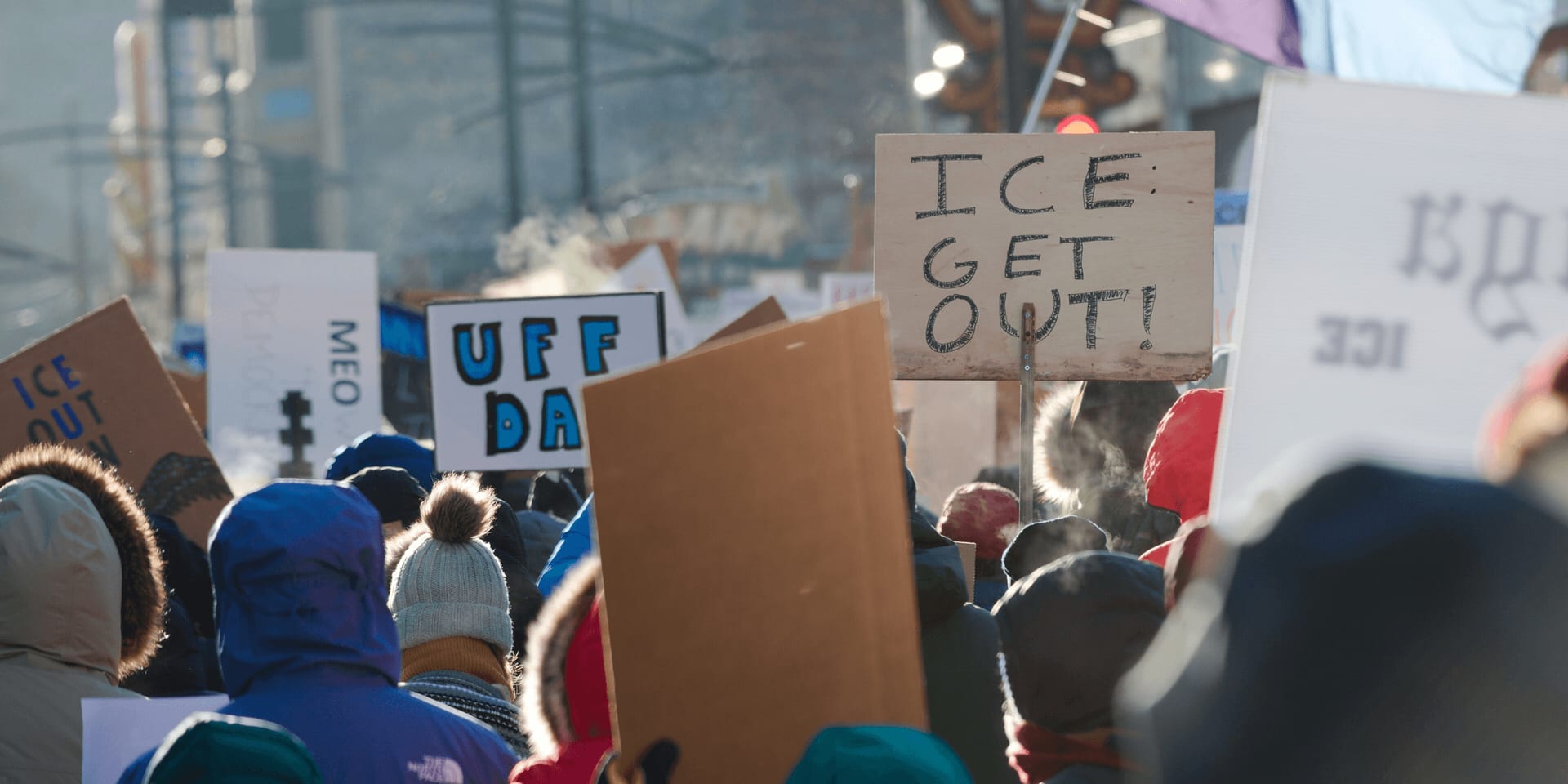
Large-scale protests swept across the United States on May 1 as part of coordinated May Day demonstrations. Thousands of events were held nationwide, with participants calling for higher wages, improved working conditions, and an end to U.S. involvement in the Iran conflict.
The protests, organized under a broader “economic blackout” movement, underscore growing public frustration over the cost of living, fuel prices, and federal policies. Demonstrations were largely peaceful but highlighted deep political divisions and mounting dissatisfaction with both economic conditions and foreign policy decisions.

Climate Concerns Grow as ‘Super El Niño’ Threat Emerges
Scientists are warning that a potential “super El Niño” could drive extreme heat across the United States in the coming months. Forecasts suggest a strong likelihood that the climate pattern will develop by summer, potentially making 2026 one of the hottest years on record.
Major cities, including New York, could experience prolonged periods of high temperatures, while the phenomenon may also intensify storms and strain infrastructure. The projections add urgency to ongoing debates over climate preparedness and federal environmental policy, especially as extreme weather events become more frequent.
Looking Ahead
The coming weeks are likely to test the resilience of U.S. institutions and policymaking. Questions surrounding the Iran conflict—particularly congressional authority and long-term strategy—remain unresolved, while legal battles over abortion access continue to move through the courts. Economic indicators will be closely watched for signs of either stabilization or downturn, especially as energy prices fluctuate.
At the same time, public demonstrations and climate warnings point to broader societal pressures that could shape political discourse heading into the summer. Together, these developments suggest a period of continued volatility, with both domestic and international challenges competing for national attention.