
Raising Emotionally Strong Children Starts with Letting Them Feel
Emotional literacy in children begins with understanding feelings, not fixing them, shaping confident and self aware individuals for life.
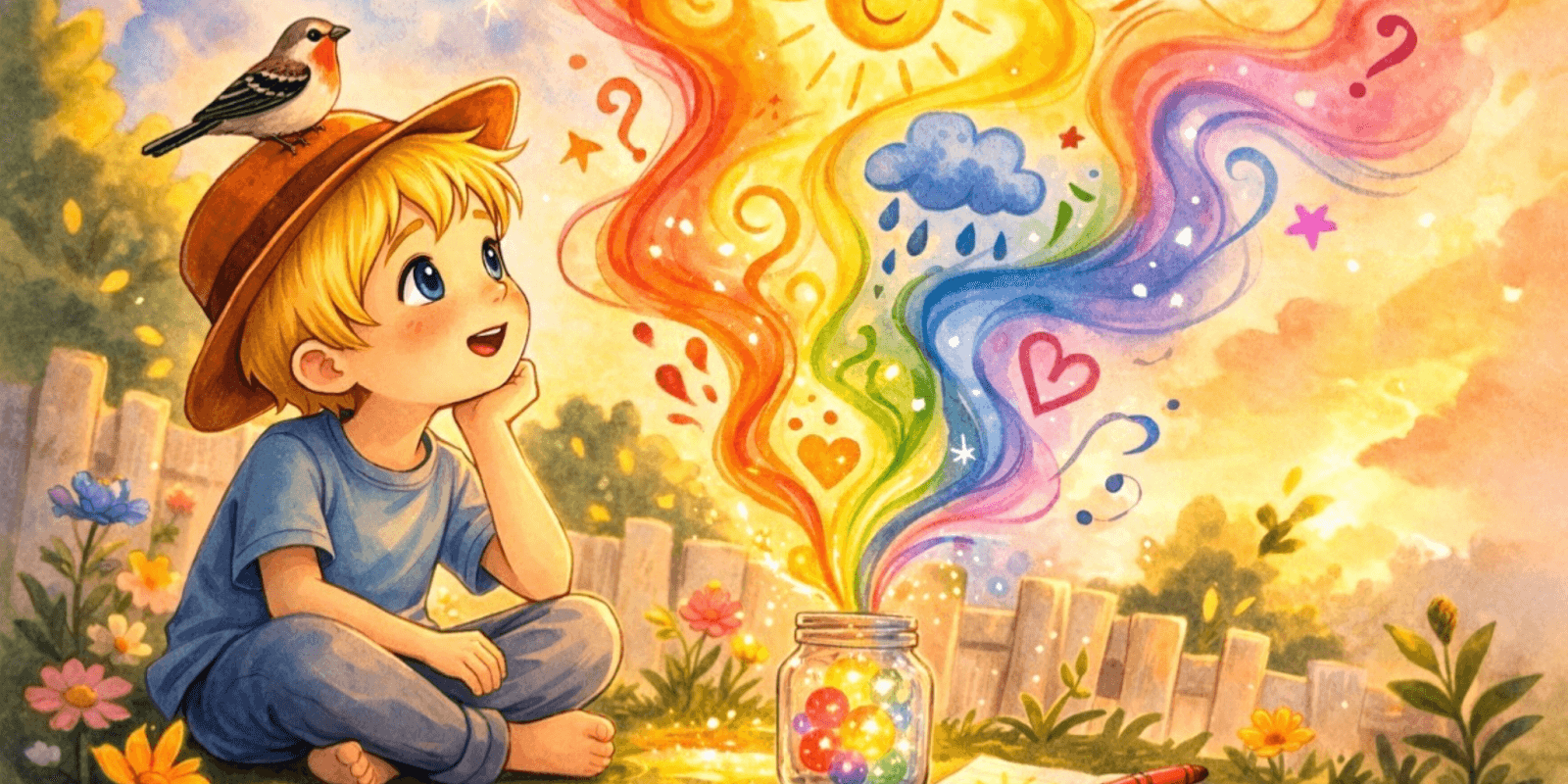
When A Child Falls Silent
A child does not always announce when something is wrong. Sometimes it shows up as silence after school, a quiet dinner table, or a sudden withdrawal from things they normally enjoy. Adults often respond quickly with reassurance or distraction, hoping to restore calm as soon as possible.
But for Haley Scott, author of The Medium Boy and the Big, Bright Feelings, these moments are not interruptions to fix. They are invitations to understand what a child is experiencing beneath the surface. Her work begins in these quiet emotional gaps where children feel deeply but lack the language to express it.
The Origin Of Emotional Literacy In Children
The foundation of The Medium Boy and the Big, Bright Feelings comes from lived experience, not theory alone. Haley Scott’s background in leadership, advocacy, and high responsibility environments exposed her to how adults struggle when emotions are not properly understood or expressed.
That understanding shaped a central belief. Children are not emotionally simple, they are emotionally untrained. The difference matters. Emotional literacy in children becomes the bridge between feeling and understanding, helping them grow into adults who can communicate with clarity and confidence.
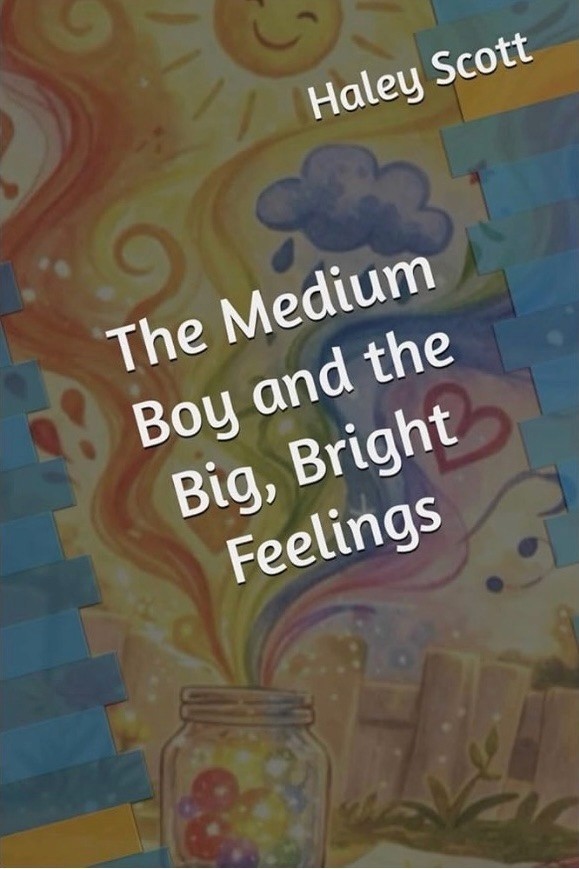
A Story That Reflects Real Emotion
At the center of the book is The Medium Boy, a character who experiences emotions that feel large, bright, and sometimes overwhelming. Instead of avoiding those feelings, the story follows him as he learns to notice, name, and sit with them.
This approach does not rush toward resolution. It allows emotions to exist without shame or correction. Children are not told what to feel or how to fix it quickly. Instead, they are shown that feelings are valid and manageable when understood with care.
Why Emotional Literacy Matters Early
Emotional literacy in children is often overlooked in favor of behavior focused guidance. Children are told to calm down, move on, or be strong before they are given tools to understand what they are feeling in the first place.
Scott’s work challenges that approach. When children learn to identify their emotions early, they develop stronger communication skills, healthier coping strategies, and greater emotional resilience as they grow. Without that foundation, emotions often become confusion instead of clarity.
A Different Approach To Children’s Stories
Many children’s books aim to simplify emotions so they are easier to digest. The Medium Boy and the Big, Bright Feelings takes a different path. It respects emotional complexity while translating it into language and imagery children can understand.
This balance allows both children and adults to engage with the story together. Caregivers are not just reading a book. They are participating in a shared emotional learning experience that can continue beyond the page into real life conversations.
The Perspective Behind The Work
Haley Scott’s writing is shaped by years of working in structured, high responsibility environments where emotional control is often expected but not always supported. That perspective gives her a grounded understanding of what happens when emotions are not acknowledged.
She brings that insight into storytelling in a way that feels calm, intentional, and human. Rather than treating emotions as problems, she presents them as part of being human. This creates a more realistic and compassionate foundation for children to learn from.
Creating Space For Honest Conversations

One of the most important outcomes of The Medium Boy and the Big, Bright Feelings is the way it opens communication between children and adults. It gives families a shared reference point for discussing feelings that are often difficult to name.
Instead of correcting or minimizing emotions, the story encourages curiosity. A child can say, “I feel like the Medium Boy,” and that becomes the beginning of a conversation rather than the end of one. Over time, this builds trust and emotional safety within families.
Emotional Literacy As A Lifelong Skill
The benefits of emotional literacy in children extend far beyond early development. Children who learn to understand their feelings are more likely to grow into adults who can manage stress, communicate clearly, and build strong relationships.
When emotional development is ignored or dismissed, those gaps often carry into adulthood. Scott’s work focuses on closing that gap early, giving children tools they can carry throughout their lives rather than leaving them to figure it out later on their own.
Award Winning Recognition For Emotional Literacy In Children
The Medium Boy and the Big, Bright Feelings by Haley Scott has been honored as the Best Children’s Book for Emotional Intelligence and Mental Health in the US of 2026 by Best of Best Review, recognizing its powerful contribution to emotional literacy in children. The award highlights the book’s thoughtful approach to helping children understand and express complex emotions, its commitment to meaningful storytelling, and its ability to foster authentic connection between children and caregivers.
A Brand Built On Understanding
The Medium Boy and the Big, Bright Feelings is more than a children’s book. It is part of a broader mission focused on emotional awareness, communication, and human connection. It reflects a belief that feelings should not be hidden or fixed, but understood and supported.
Through her writing and platforms such as The Unquiet Mind, Haley Scott continues to explore emotional resilience and self awareness for both children and adults. The message remains consistent across all work. Emotions are not too much, they are simply human.
A Shift In How We Raise Children
The core idea behind the book is simple but powerful. Emotional literacy in children begins when adults stop trying to eliminate feelings and start helping children understand them. This shift changes how children see themselves and how they relate to others.
As more families begin to embrace this approach, conversations become easier, relationships become stronger, and children grow up feeling more understood. It is a gradual change, but one that has lasting impact.
Closing Reflection
The Medium Boy and the Big, Bright Feelings offers more than a story. It offers a new way of seeing childhood emotions. It invites readers to slow down, listen more closely, and respond with understanding instead of correction.
To explore the book and the wider work of Haley Scott, visit the links below and discover how emotional literacy in children can reshape the way we connect, communicate, and grow together.