Shutdown Strains, Climate Extremes, and Legal Battles Shape a Tense National Landscape
The United States closes the week, confronting a convergence of political dysfunction, extreme weather, and high-stakes legal developments. A prolonged Department of Homeland Security funding impasse is rippling through airports nationwide, while historic climate-driven weather events underscore growing environmental risks. At the same time, federal legal decisions and policy disputes are reshaping debates over policing, immigration, and public institutions.
DHS Shutdown Disrupts Airports and Federal Workforce
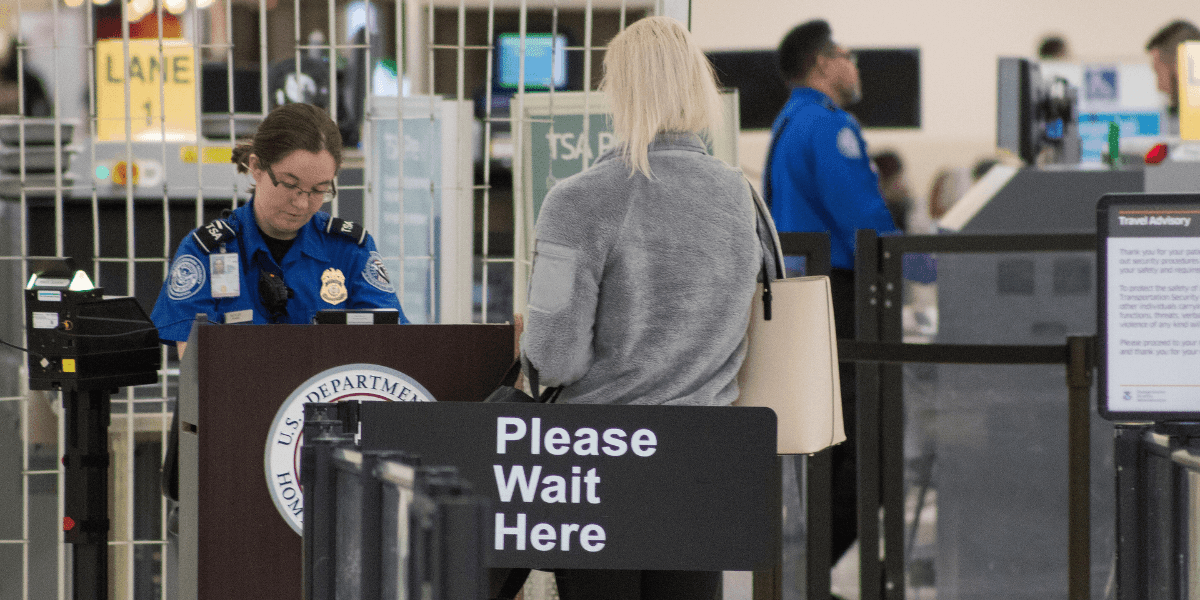
A continuing funding lapse at the Department of Homeland Security is now visibly affecting daily life across the country, particularly at major airports. With Transportation Security Administration (TSA) workers going unpaid, reports indicate growing staffing shortages, long lines, and operational strain at key travel hubs. Some TSA employees have reportedly sought second jobs or relied on community assistance to cope with missed paychecks.
The political standoff in Washington remains unresolved after the Senate again failed to advance a funding bill. The White House has floated contingency measures, including the potential deployment of Immigration and Customs Enforcement (ICE) personnel to assist airport operations, a proposal that has drawn criticism and intensified partisan tensions.
Federal Reserve Holds Rates Steady Amid Uncertainty
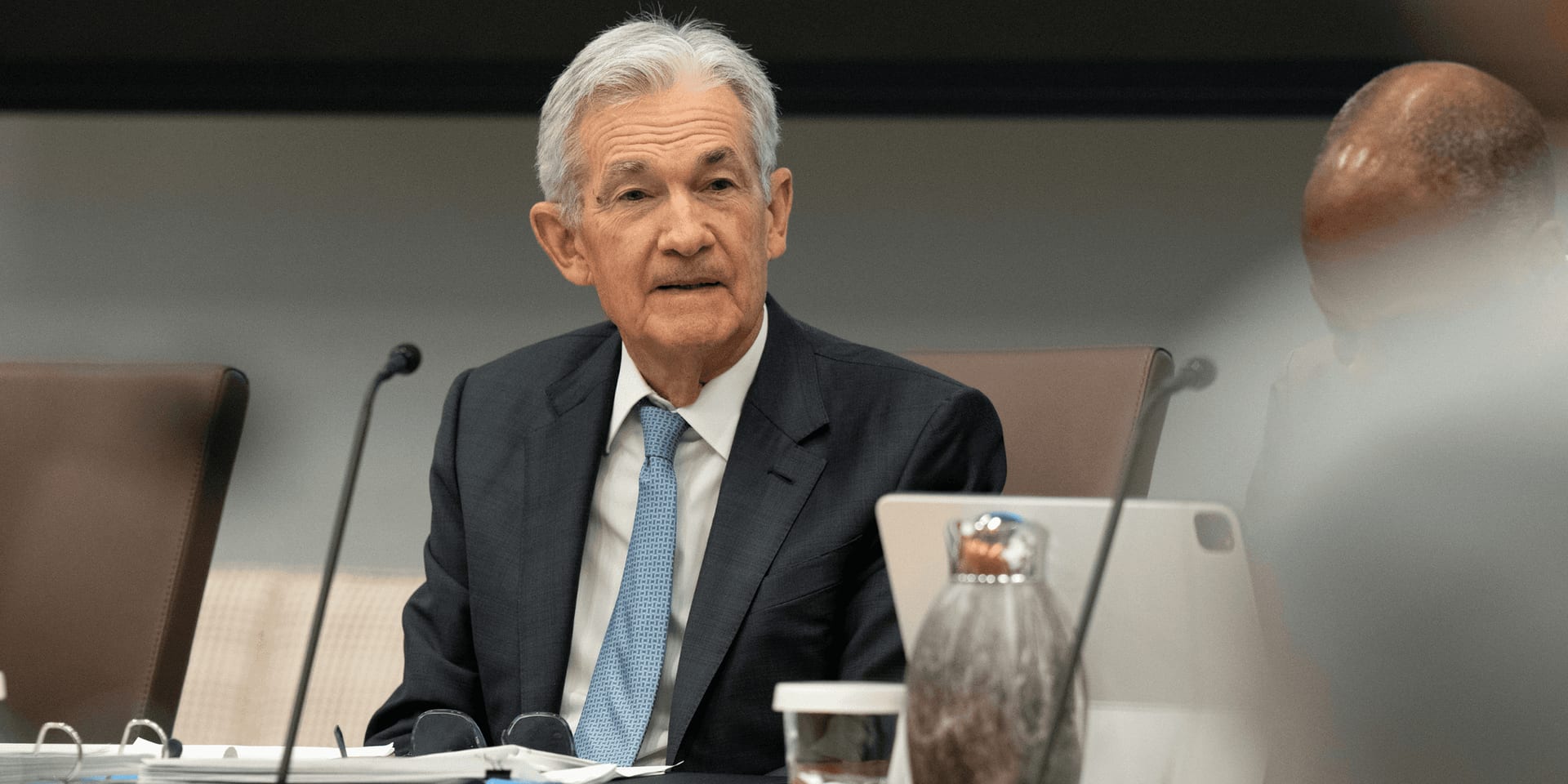
The Federal Reserve’s latest policy decision continues to reverberate through financial markets and the broader economy. The central bank opted to hold interest rates steady in the 3.5%–3.75% range, signaling caution as it navigates persistent inflation pressures and global instability.
Fed Chair Jerome Powell emphasized that while inflation is expected to ease, progress may be slower than previously anticipated. The Fed’s updated projections suggest the possibility of rate cuts later in the year, but officials stressed that any changes will depend heavily on incoming economic data.
Rising energy prices and geopolitical tensions—particularly ongoing conflict involving Iran—remain key risks that could influence inflation and consumer spending in the months ahead.

Justice Department Moves to Drop Charges in Breonna Taylor Case
In a significant legal development, the Department of Justice has asked a federal judge to dismiss charges against two police officers involved in the 2020 Breonna Taylor case. The move marks a notable shift in one of the most closely watched cases stemming from the national reckoning over policing and racial justice.
The request is expected to reignite public debate over accountability and federal oversight of local law enforcement. Advocacy groups have already voiced strong reactions, and the court’s decision could carry broader implications for how civil rights cases are pursued at the federal level.
Policy Battles Intensify Over Immigration and Federal Authority
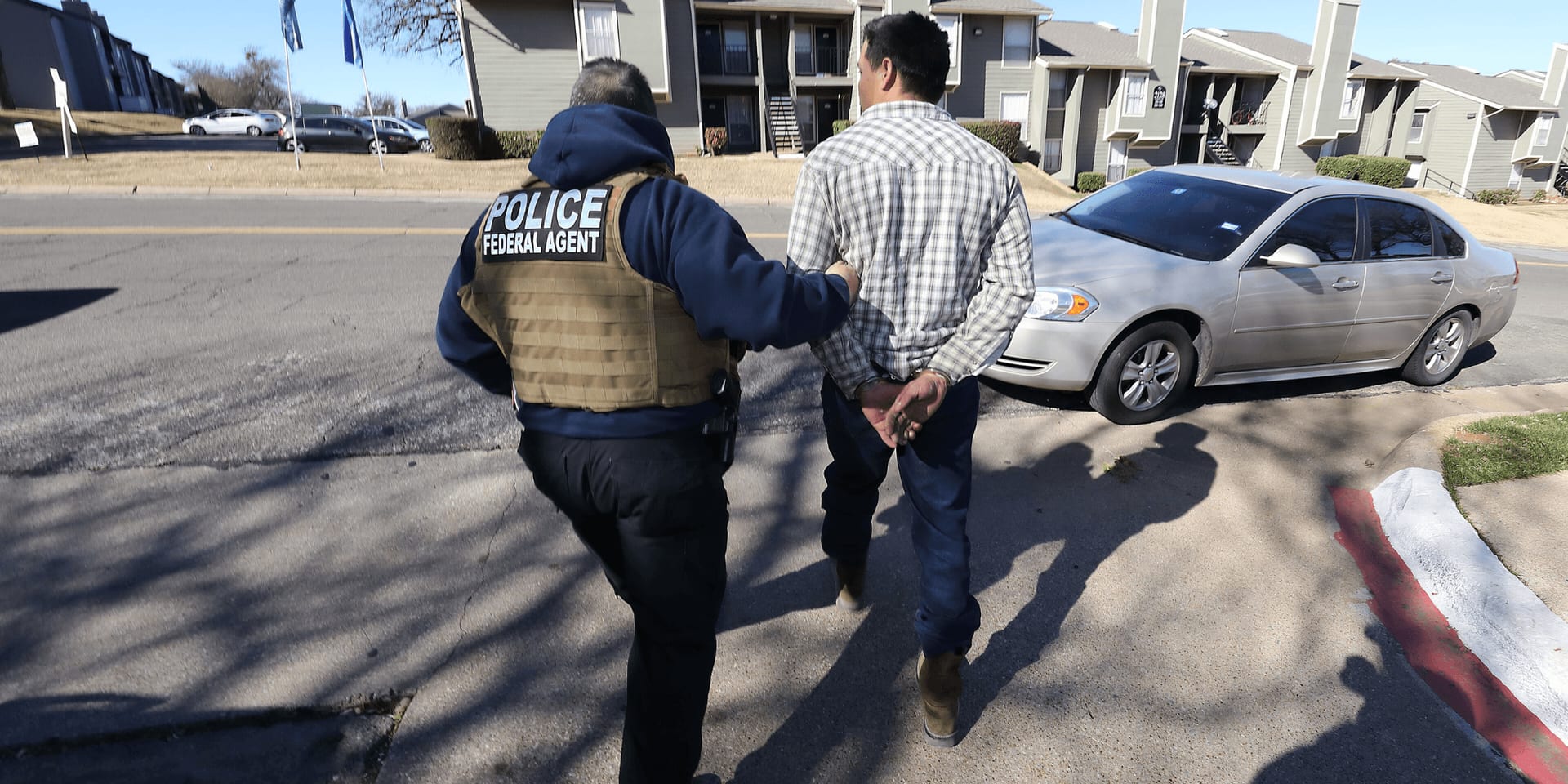
Immigration policy remains at the forefront of national debate as the administration considers new enforcement measures amid the DHS funding crisis. Alongside the proposal to deploy ICE agents to airports, officials are also pursuing controversial deportation actions, including efforts to remove certain migrants to third countries.
These moves are unfolding against a backdrop of broader political maneuvering, with both parties positioning themselves ahead of future elections. The intersection of immigration enforcement, federal authority, and humanitarian concerns continues to drive sharp divisions in Congress and among the public.

Rare Meteor Event Captivates and Startles Millions
A rare astronomical event earlier this week captured attention across multiple states as a large meteor streaked across the eastern United States. The fireball, estimated at several tons, produced a sonic boom that was heard across a wide region, including parts of Ohio, Pennsylvania, and beyond.
While no major damage was reported, the event sparked widespread public interest and a surge in reports to scientific agencies. Experts say such events are uncommon but not unprecedented, offering valuable opportunities for research into near-Earth objects.
The spectacle served as a reminder of the unpredictable natural phenomena that can briefly unite public attention across the country.
Looking Ahead
As the week ahead begins, attention will focus on whether lawmakers can break the DHS funding deadlock and stabilize critical federal operations. Meteorologists warn that extreme weather patterns may persist into the spring and summer, raising concerns about preparedness and infrastructure resilience. Meanwhile, pending court decisions and policy actions—particularly in immigration and civil rights—are likely to shape the national conversation in the days to come.