
The Systems Behind Who Stays And Who Leaves: Why Celeste Warren Says Leadership Systems Matter More Than Ever
Leadership expert Celeste Warren explains how better leadership systems improve workplaces, strengthen organizations, and help retain top talent.

Every organization has a story it tells itself about why people leave. Leaders often point to higher salaries, better titles, changing priorities, or a competitive job market. Yet according to leadership strategist, author, and Founder of Celeste Warren Consulting, LLC, Celeste Warren believes those explanations often overlook the deeper issue.
"The better question isn't, 'Why did the employee disengage?'" Warren says. "It's, 'What happened in our organization that made them stop believing they had a future here?'"
That question forms the foundation of Warren's leadership philosophy and the central message behind The Systems Behind Who Stays And Who Leaves. Drawing on nearly three decades of executive leadership experience, Warren argues that organizations rarely lose exceptional people because of one poor decision. Instead, they lose them because leadership systems that once worked quietly become outdated while the workforce continues to evolve.
The Story Every Leader Needs To Hear
Warren illustrates this lesson through the story of Maria, the chief executive of a global company with more than 10,000 employees.
By every traditional measure, the organization appeared successful. Revenue was growing. Customers were satisfied. Business performance remained strong. Leadership believed its talent development strategy had stood the test of time. Promotions were largely based on manager recommendations. Career conversations happened informally. Executive mentoring developed naturally through personal relationships.
For years, those practices produced results.
"The problem wasn't that the systems had failed," Warren explains. "The problem was that no one had stopped to ask whether those systems were still working for everyone."
The workforce had changed. Employees wanted greater transparency, more consistent feedback, and confidence that career opportunities were determined by clear processes rather than informal relationships. Unfortunately, the organization's leadership systems had not evolved with those expectations.
The consequences became clear when one of Maria's strongest leaders unexpectedly resigned.
For nearly a decade, Devon had consistently delivered exceptional results, led major initiatives, and earned the trust of both clients and colleagues. Maria assumed he was engaged because he never complained.
When she asked why he was leaving, Devon explained that after watching another employee receive a vice president promotion after only three years, while his own career conversations had repeatedly been postponed over nine years, he no longer believed there was a path forward.
"I don't think anyone intended to exclude me," Devon told Maria. "But eventually I realized the system wasn't designed for someone like me to see a clear path forward. I stopped believing my future was here."
That conversation changed Maria's perspective forever.
She realized she had inherited leadership systems that once served the organization well. Having succeeded within those systems herself, she unknowingly continued reinforcing practices where opportunity depended more on proximity than process.
The Hidden Cost Of Outdated Leadership Systems
According to Warren, this scenario is far more common than many organizations realize.
Too often, leaders assume disengagement begins with the employee. They believe people leave for more money, better titles, or greater flexibility. In reality, disengagement is often the final chapter of a much longer story.
"Organizations rarely lose their best people because of one bad decision," Warren says. "They lose them because yesterday's leadership systems quietly stop working for today's workforce."
The impact reaches far beyond replacing one employee.
When experienced leaders leave, organizations lose institutional knowledge, trusted client relationships, innovative thinking, and years of experience. Even more significant is the message it sends to those who remain.
Employees notice who receives opportunities. They notice whose ideas are heard. They notice whether career conversations actually lead to meaningful action or simply become another annual discussion.
"The way we've always done it is not a strategy," Warren says. "It's a warning sign."
Better Systems Build Better Organizations
The encouraging news is that meaningful organizational change does not always require massive transformation.
Instead, Warren believes progress begins by improving the systems leaders use every day.
For Maria's organization, that meant introducing structured career development conversations, making promotion criteria more transparent, openly communicating stretch assignments, and encouraging leaders to ask one powerful question.
"Who might I be overlooking?"
Managers stopped assuming silence meant satisfaction. They intentionally created space for honest conversations about employee aspirations and professional growth.
The results were not immediate, but they were meaningful.
Internal mobility increased. Trust improved. Collaboration became stronger. Employees began talking less about leaving and more about growing their careers within the organization.
"The organization didn't become stronger because it found better people," Warren explains. "It became stronger because it built better systems for the people it already had."
Leadership That Looks Beyond Today's Success
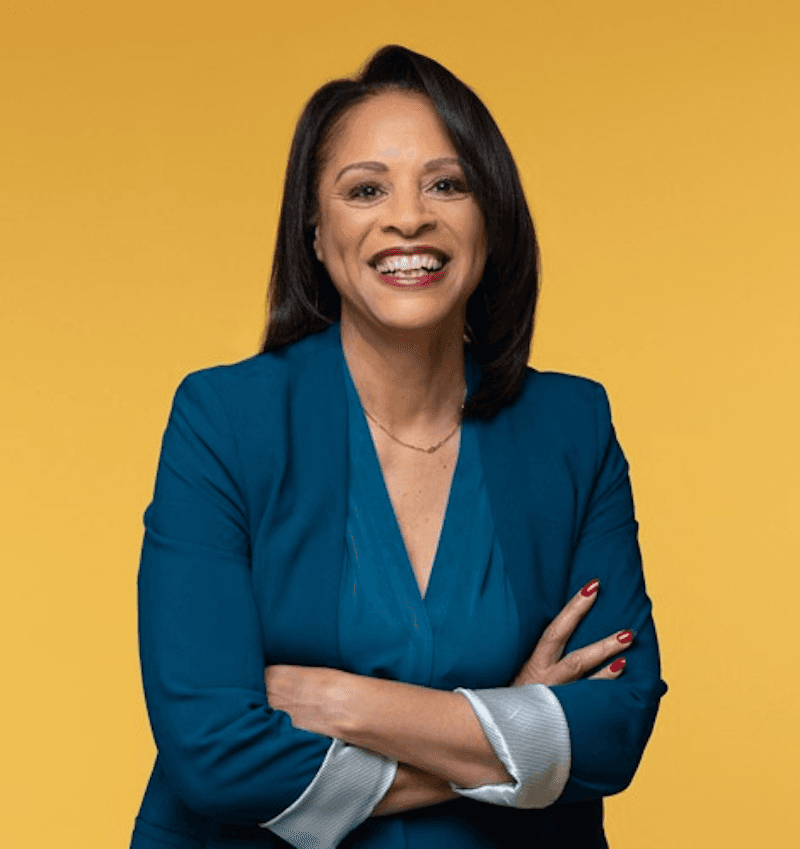
After serving twenty eight years in executive leadership, including as Vice President and Chief Diversity and Inclusion Officer for a global Fortune 100 company, Celeste Warren founded Celeste Warren Consulting, LLC to help organizations modernize the leadership systems that influence opportunity, employee retention, and long term business success.
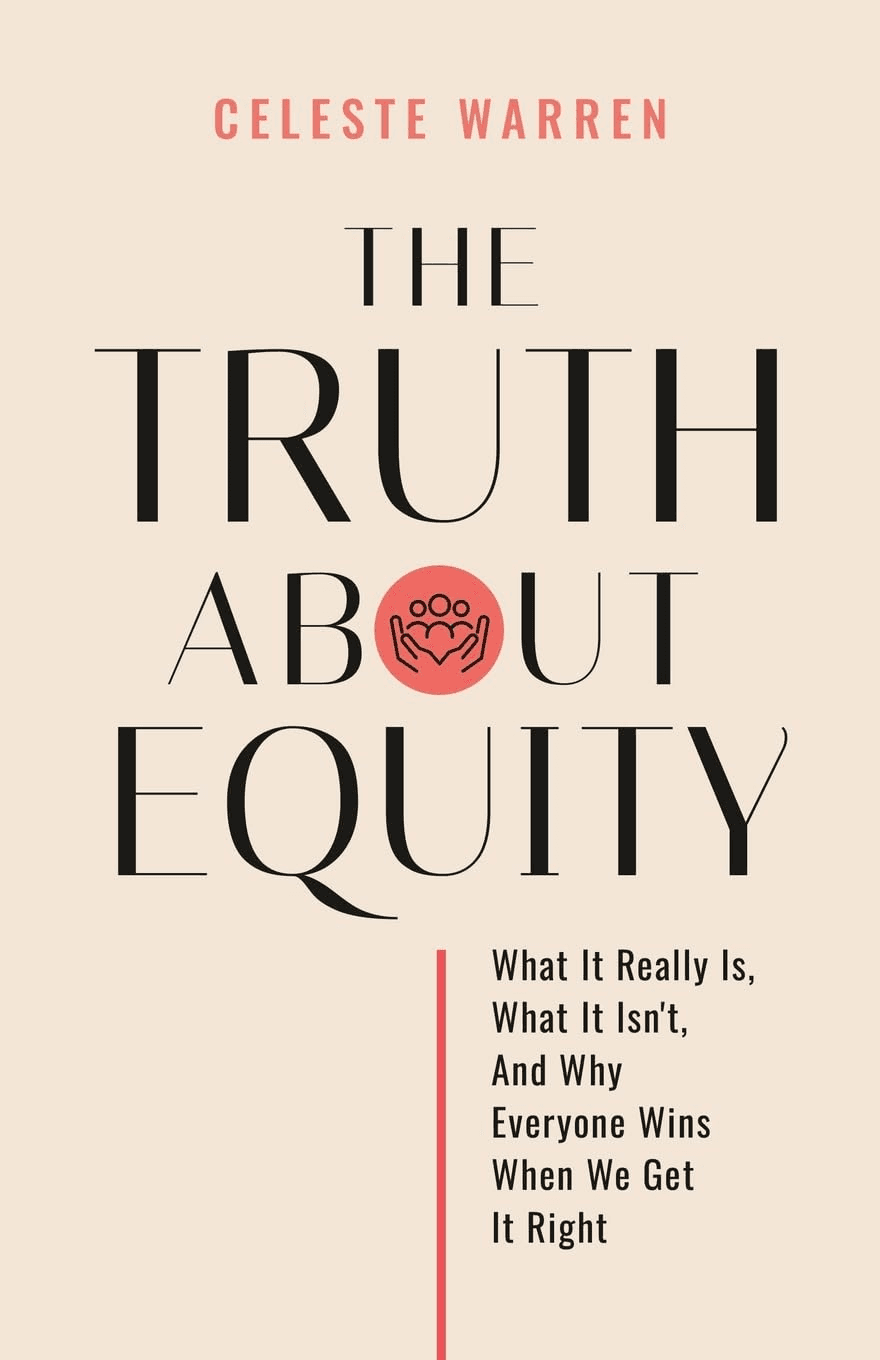
She is also a TEDx speaker whose presentation challenges organizations to focus on changing systems instead of expecting individuals alone to overcome structural barriers. Her latest book, The Truth About Equity: What It Really Is, What It Isn't, and Why Everyone Wins When We Get It Right, continues that conversation by helping leaders understand how intentional systems create stronger organizations for everyone.
Throughout her career, Warren has been recognized for her leadership and contributions, including being named among Black Enterprise's Top Executives in Global Diversity and Inclusion, Savoy Magazine's Most Influential Women in Corporate America, Diversity Global Magazine's Influential Women in Global Diversity, Diversity Woman Magazine's Elite100, and receiving the Chief Diversity Officer of the Year award from the National Minority Supplier Development Council.
Her message remains both practical and timely.
"The leaders who will thrive tomorrow will be those willing to challenge familiar habits, modernize outdated systems, and create workplaces where every talented person can see a future," Warren says.
Because, as she reminds leaders, "The greatest cost isn't the effort it takes to change. The greatest cost is standing still."
About Celeste Warren
Celeste Warren is the Founder of Celeste Warren Consulting, LLC, where she helps organizations strengthen leadership, modernize workplace systems, and create environments where people and businesses can thrive together. Drawing on nearly three decades of executive leadership experience, she partners with organizations to improve employee engagement, retention, and long term organizational performance.
Celeste Warren
Founder, Celeste Warren Consulting, LLC
Email: celeste@celestewarrenconsulting.com
Phone: +01 973 224 6914
Website
LinkedIn
Instagram
YouTube
Substack
Facebook
Book: The Truth About Equity on Amazon