
Trump’s Economic Pitch, AI Debate and Public-Health Strains Shape a consequential Sunday
Trump’s economic agenda, AI regulation, a FEMA court ruling and a growing measles outbreak drove major U.S. headlines.
Trump’s $5,000 “Dividend” Faces a Congressional Hurdle
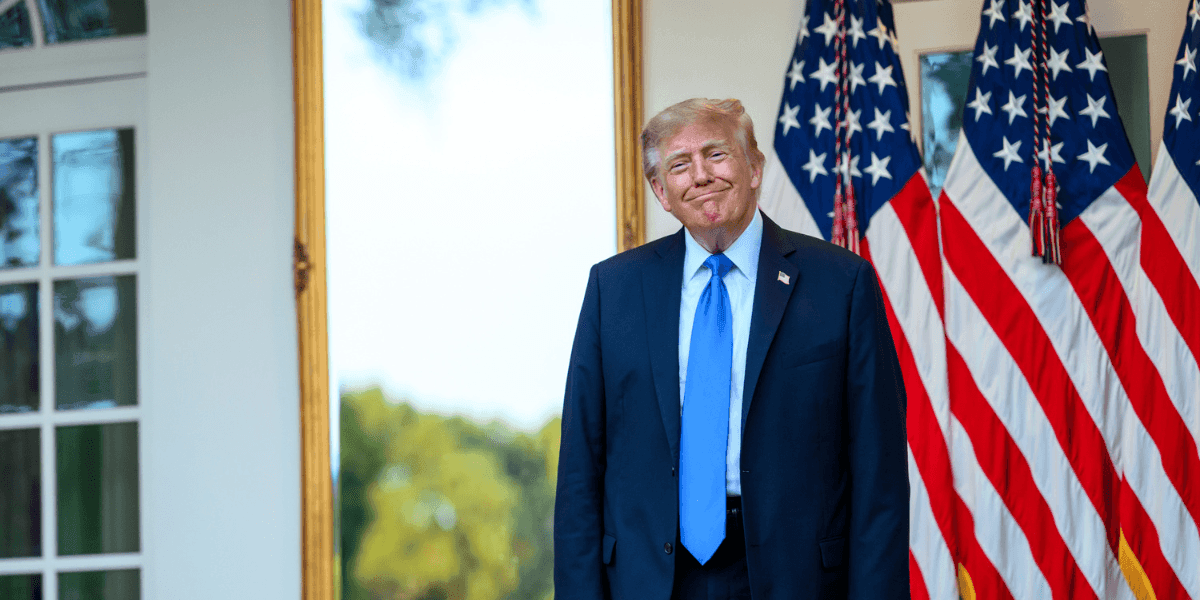
House Speaker Mike Johnson said Sunday that President Trump would need congressional approval to deliver his proposed $5,000 payment to every American adult, putting an important qualification on one of the president’s most striking midterm-election promises.
Trump unveiled what he calls a “Trump Dividend” at a Republican convention in Dallas, promising the payments if voters keep Republicans in control of Congress in November. Trump has argued that the federal government can afford the proposal and suggested congressional authorization might not be necessary. Johnson disagreed on the latter point, saying Congress would have to act, while pledging to work toward passage. The program could cost more than $1 trillion, making its financing and potential inflationary effects central questions surrounding the proposal.
The disagreement over the mechanics of the plan comes as Republicans defend narrow congressional majorities and voters continue to rank economic conditions among their major concerns.
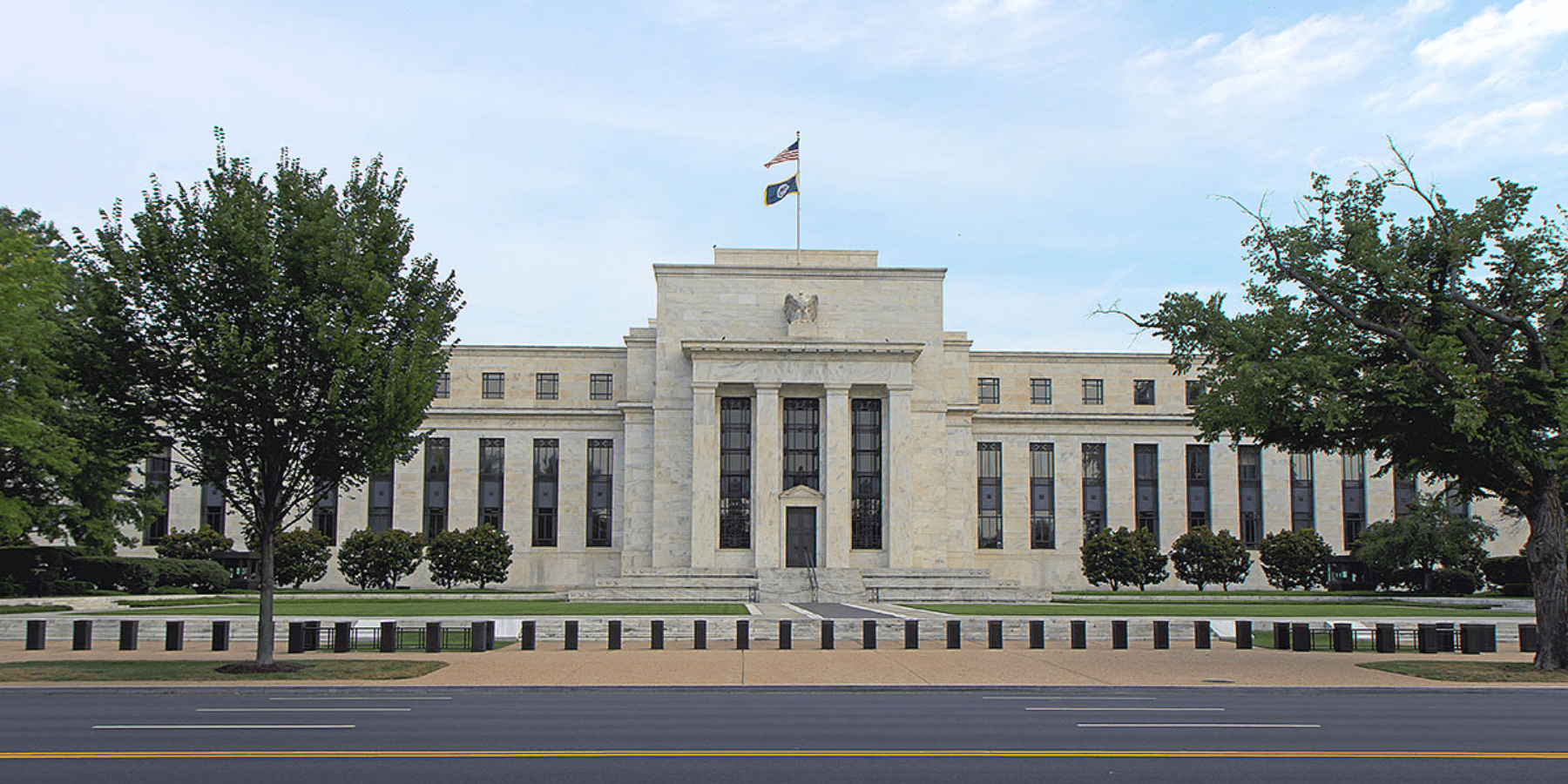
Photo Credit: Stefan Fussan / Wikimedia (Cropped)
Trump Pressures the Fed Ahead of Interest-Rate Decision
Trump also renewed pressure on the Federal Reserve on Sunday, declaring that the United States should have the lowest interest rates in the world regardless of what economic data indicate.
His comments came just days before Federal Reserve policymakers were scheduled to meet and shortly after new inflation figures complicated the economic picture. A key measure of underlying inflation recorded its largest increase in four months, reinforcing expectations that policymakers could raise rates rather than lower them.
The episode again underscores the tension between the White House’s preference for cheaper borrowing and the Federal Reserve’s mandate to control inflation. With congressional elections approaching, the central bank’s decision and its assessment of inflation, growth and consumer conditions will carry unusually high political as well as economic significance.
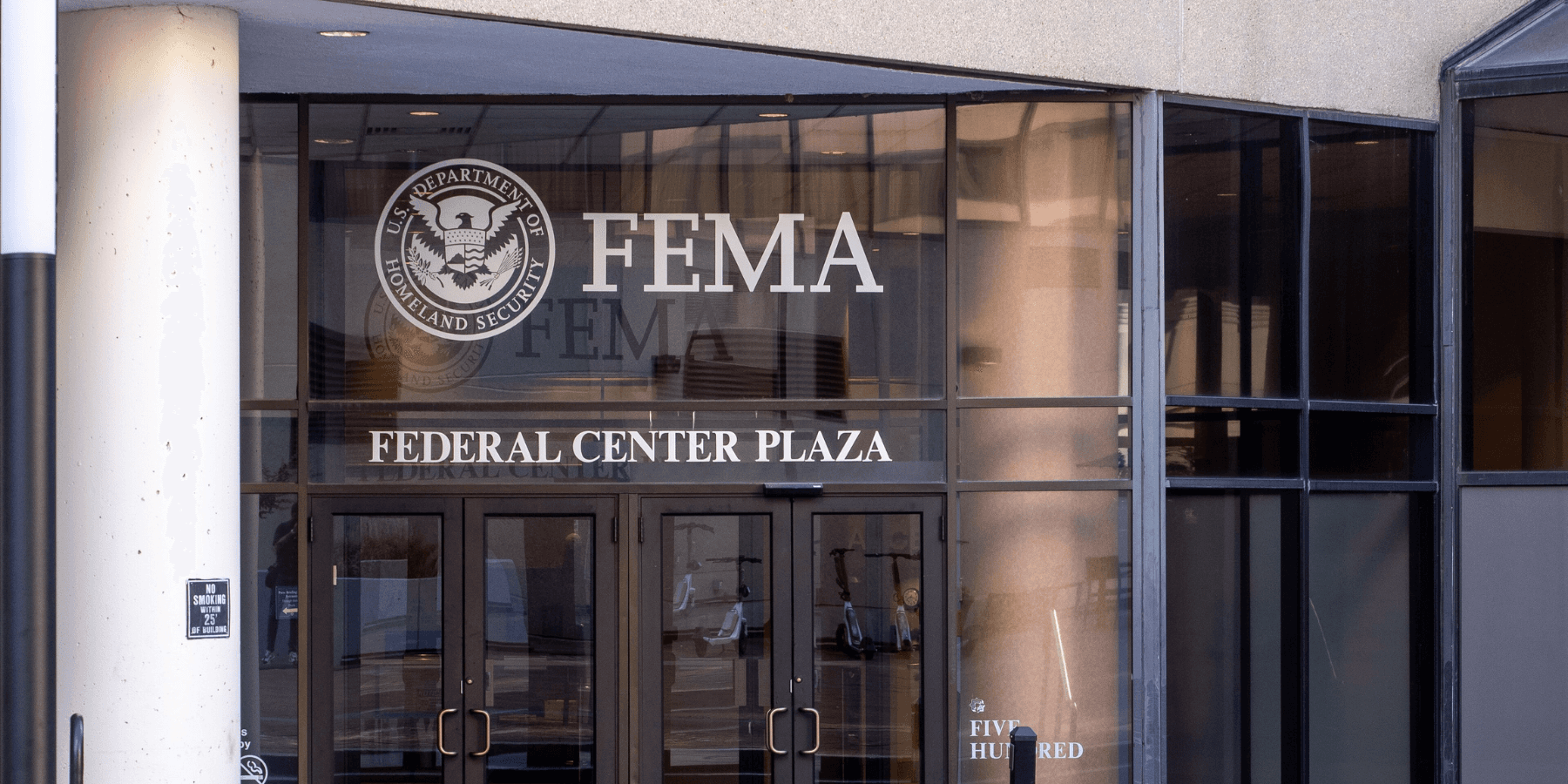
Photo Credit: ajay_suresh / Wikimedia (Cropped)
Federal Judge Rules FEMA Staffing-Cut Plan Unlawful
A federal judge ruled that a Trump administration plan to reduce staffing at the Federal Emergency Management Agency by 50% was unlawful, handing organized labor a victory in its broader challenge to efforts to shrink the federal workforce.
U.S. District Judge Susan Illston found that senior Department of Homeland Security officials had directed FEMA leadership to develop a plan incorporating the 50% reduction despite objections from agency supervisors. The planned cut was never fully implemented, but FEMA had already experienced substantial workforce losses: the Government Accountability Office reported that 17% of its workforce departed during 2025.
The ruling has broader implications because FEMA sits at the center of the federal response to hurricanes, floods, wildfires and other disasters. The decision came as severe rainfall caused flash flooding across parts of Connecticut, New York and New Jersey on Sunday, triggering water rescues, road closures and disruptions to Metro-North and Amtrak service.

Photo Credit: TechCrunch / Wikimedia (Cropped)
AI Safety Debate Moves Deeper Into National Politics
Artificial intelligence emerged as another major policy fault line Sunday as Trump rejected calls for significantly slowing development of increasingly powerful AI systems.
Speaking during a trip to Ireland, Trump argued that the United States must preserve its technological advantage over China. He acknowledged that some “guardrails” could be appropriate but resisted a broad slowdown. House Speaker Johnson similarly warned against an aggressive congressional intervention that could, in his view, weaken the U.S. position relative to China.
Their comments followed a warning from Anthropic CEO Dario Amodei that AI capabilities were advancing faster than safety measures. Other prominent technology leaders, including Elon Musk and OpenAI CEO Sam Altman, publicly expressed agreement with concerns about the pace of development. The widening debate is pushing AI policy beyond Silicon Valley and into the center of Washington’s discussion about national security, economic competitiveness and technological risk.

Photo Credit: Raghavendra V. Konkathi on Unsplash
Pennsylvania Reports Third Measles-Associated Death
Public-health concerns intensified Sunday after Pennsylvania officials reported that a 40-year-old Jefferson County woman had died from complications associated with measles, becoming the third death in the state this year involving the disease.
Pennsylvania had recorded 676 measles cases across 37 counties as of Friday, including 124 hospitalizations, according to state health data reported by the Associated Press. The latest death follows two measles-associated deaths involving infants reported in August.
The outbreak has also exposed disagreement between Pennsylvania officials and federal health authorities over how measles-related deaths should be classified. Federal data showed more than 3,200 confirmed U.S. cases by last week, according to NPR, underscoring the scale of a disease resurgence decades after measles was declared eliminated from continuous domestic transmission in the United States.
Looking Ahead
Attention now turns to the Federal Reserve’s coming policy meeting, where officials will weigh renewed inflation pressure as the president publicly calls for dramatically lower borrowing costs. Congress will also face questions about whether Trump’s proposed $5,000 payments can advance beyond an election-year pledge and how lawmakers respond to the court ruling involving FEMA.
At the same time, the fast-developing debate over AI safety is likely to intensify as Washington weighs technological competition with China against warnings from industry leaders. Pennsylvania’s measles outbreak and the Northeast’s flooding provide separate reminders that public health and disaster preparedness remain immediate tests for federal, state and local authorities heading into the fall.