
Trump Rules Out Iran Strikes Before Midterms as Oil Prices Surge, Wall Street Retreats and White House Faces Press Freedom Challenge
President Donald Trump said Thursday that the United States would not resume military strikes against Iran before the November 3 midterm elections, even as attacks on shipping in the Strait of Hormuz intensified concerns about global energy supplies. Oil prices climbed above $104 a barrel, adding pressure to financial markets already unsettled by elevated Treasury yields and persistent inflation risks. In Washington, a federal judge considered whether the administration could restrict White House access for three major news organizations, while federal officials moved to suspend Microsoft from an employment-based immigration program. Together, the developments highlighted the growing intersection of national security, economic uncertainty, executive authority and the approaching elections.
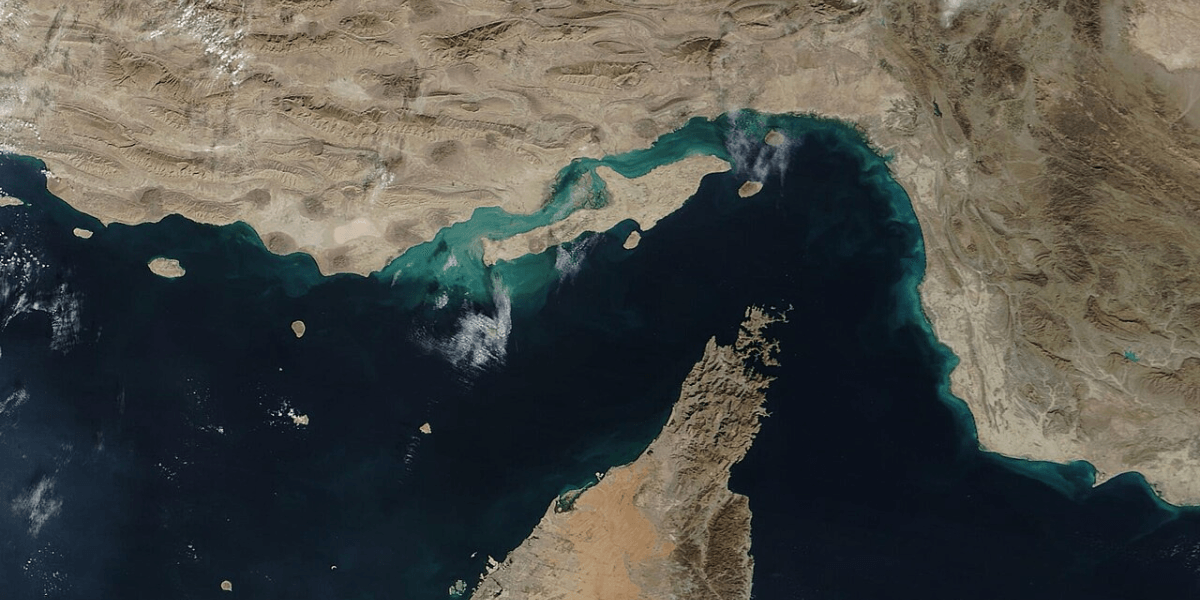
Trump Rules Out New Iran Strikes Before Midterms as Hormuz Attacks Intensify
President Donald Trump announced Thursday that the United States would not resume military attacks against Iran before the November 3 midterm elections, setting a near-term limit on American military operations as tensions in the Persian Gulf continued to disrupt international shipping. In a social media statement, Trump said the United States would refrain from attacking Iran before the elections, although he left open the possibility of renewed military action afterward. The announcement followed mounting concerns about Iranian attacks on commercial vessels and the effectiveness of international efforts to keep shipping routes open.
The Strait of Hormuz, which connects the Persian Gulf with the Gulf of Oman, remains central to the confrontation. At least nine oil tankers were attacked during the preceding week, according to reporting based on United Nations and shipping data, while oil shipments through the waterway fell sharply from approximately 16 million barrels to roughly half that volume. The disruption has raised questions about the ability of military escorts to protect commercial shipping and prevent further attacks. Iran's continued capacity to threaten tanker traffic gives the conflict consequences extending well beyond the region, particularly for countries dependent on imported petroleum and refined fuels.
The confrontation has also widened through attacks attributed to Iran-aligned forces elsewhere in the Middle East. Yemen's Houthi movement claimed another attack targeting an airport in Saudi Arabia's capital, Riyadh, on Thursday, adding to concerns about the security of regional transportation and energy infrastructure. The claim was reported amid heightened regional tensions, with the full circumstances and consequences of the incident still subject to verification. For Washington, the immediate challenge is maintaining military deterrence and protecting international commerce without triggering another major escalation. Trump's announcement establishes a political and military timeline, but it does not resolve the underlying conflict or guarantee that shipping disruptions will ease.
-12.png)
Oil Tops $104 as Wall Street Falls and Treasury Yields Remain Elevated
American financial markets ended Thursday on an uneven footing as rising energy prices and elevated government borrowing costs renewed concerns about inflation and economic growth. Brent crude climbed above $104 per barrel, briefly exceeding $105 during the trading session, as investors reacted to continued shipping disruptions in the Middle East and concerns about hurricane-related interruptions to American oil production. The combination of higher energy costs and rising bond yields has complicated expectations for monetary policy, particularly as investors prepare for the next round of corporate earnings.
The S&P 500 declined 0.5% to 7,765.36, marking its second consecutive daily loss after reaching a record high earlier in the week. The technology-heavy Nasdaq composite fell 1.3% to 27,193.34, while the Dow Jones Industrial Average edged up 0.1% to 51,231.64. Technology shares accounted for much of the broader market's weakness, even as a majority of S&P 500 companies recorded gains. The benchmark 10-year Treasury yield approached 5.3% during the session, near levels not seen since 2002, before bond yields retreated from their intraday highs. Higher yields increase financing costs across the economy, affecting corporate investment, mortgage borrowing and government debt servicing.
The Federal Reserve faces a difficult policy environment as energy-related inflation pressures persist alongside relatively resilient employment conditions. Federal Reserve Governor Christopher Waller indicated Thursday that additional interest-rate increases could be necessary to return inflation to the central bank's 2% target, while emphasizing flexibility over the pace of future adjustments. Investors generally expected the Fed to leave rates unchanged at its October meeting, although another increase later in the year remained possible. Attention is now shifting toward quarterly earnings from major banks, including JPMorgan Chase, which are expected to provide fresh evidence about consumer spending, lending conditions and the impact of higher interest rates on corporate profitability.
-12.png)
Federal Judge Weighs White House Restrictions on CNN, Politico and MS NOW
A federal judge in Washington heard arguments Thursday over whether the Trump administration can continue restricting White House access for journalists representing CNN, Politico and MS NOW while their legal challenge proceeds. Attorneys for the three organizations argued that the restrictions amount to unconstitutional discrimination based on the viewpoints expressed in their reporting. The dispute raises significant First Amendment questions about the government's authority to regulate access to official facilities and whether journalists can be excluded because of editorial coverage that public officials consider unfavorable.
U.S. District Judge Timothy Kelly, a Trump appointee, previously issued a temporary order restoring access for the affected journalists. During Thursday's hearing, attorneys representing the news organizations asked the court to extend that protection through a preliminary injunction while the broader lawsuit is litigated. They argued that the restrictions were imposed in response to the organizations' reporting rather than neutral security or administrative considerations. Justice Department lawyers defended the administration's actions, citing concerns about inaccurate reporting, disputed quotations and allegedly manipulated interviews. The government also maintained that access to White House facilities is a privilege subject to executive control rather than an unrestricted constitutional entitlement.
Kelly indicated that the government's position faced substantial legal questions and said he expected to issue a ruling by Tuesday, October 13, potentially sooner. The decision could determine whether the three organizations retain access while the case moves forward, but it would not necessarily settle the broader constitutional dispute. The lawsuit is part of a larger series of conflicts between the administration and news organizations over press credentials, reporting restrictions and access to federal institutions. Its outcome could influence how courts evaluate government decisions that affect journalists' ability to cover the presidency, particularly when officials explicitly criticize the content of their reporting.
-10.png)
Trump Administration Suspends Microsoft From Employment-Based Green Card Program
The Trump administration announced Thursday that it was suspending Microsoft from a federal program used by employers seeking permanent residency for certain foreign workers, alleging misconduct in the company's employment and immigration practices. The action concerns a pathway through which companies can sponsor eligible workers, including employees initially admitted to the United States under H-1B specialty-occupation visas, for employment-based green cards. The announcement introduces a new regulatory challenge for one of the country's largest technology companies and places additional scrutiny on how major employers balance domestic hiring, layoffs and foreign-worker recruitment.
Vice President JD Vance publicly defended the administration's decision, alleging that Microsoft had replaced American employees with foreign workers after conducting layoffs. The administration characterized the company's practices as fraudulent, although the publicly reported allegations did not establish a final legal finding of fraud. The distinction is significant because employment-based immigration programs involve multiple requirements governing recruitment, wage standards, labor certification and employer sponsorship. Suspending a company's participation can affect its ability to pursue permanent residency applications for employees, depending on the scope and duration of the government's action.
The announcement comes as technology companies continue to invest heavily in artificial intelligence infrastructure and specialized engineering talent while adjusting staffing across other business divisions. Large employers have long relied on international recruitment to fill positions in software development, research and advanced computing, making changes to immigration eligibility consequential for workforce planning. The next questions concern the specific evidence supporting the administration's allegations, the legal basis for the suspension and whether Microsoft challenges the decision through administrative or judicial proceedings. The case could also draw attention from other technology employers that depend on similar immigration pathways, although any broader regulatory consequences remain uncertain.
-10.png)
Texas Senate Race Draws Trump Into High-Stakes Midterm Campaign
President Donald Trump intensified his involvement in Texas politics with a Wednesday evening rally in San Antonio supporting Republican Senate candidate Ken Paxton, as the party faces an increasingly competitive political environment ahead of November's midterm elections. Speaking at Freeman Coliseum, Trump urged voters to support Paxton while addressing national security, energy prices and other administration priorities. Protesters interrupted portions of the event, reflecting the contentious atmosphere surrounding the campaign and the wider debate over the administration's handling of the Iran conflict.
Texas has traditionally provided Republicans with a reliable statewide electoral advantage, but the approaching elections have attracted greater attention as Democrats seek to capitalize on voter concerns about economic conditions, fuel prices and the war. Paxton is facing Democrat James Talarico in the Senate contest, while Republican Governor Greg Abbott is engaged in his own reelection campaign. Abbott did not attend Trump's rally, appearing instead at a hospital dedication event. His absence became another point of political discussion, although it did not establish a change in his relationship with the president or the Senate campaign.
Trump's appearance marked his third visit to Texas in less than a month, underscoring the importance Republicans are placing on turnout in the state. The president also used the event to reiterate his support for capital punishment for drug traffickers and to announce plans to award former Major League Baseball pitcher Roger Clemens the Presidential Medal of Freedom. Those remarks broadened the rally beyond the immediate Senate contest, but the central political significance remained the effort to mobilize Republican voters in a state where competitive statewide races could affect the balance of power in Washington. With fewer than four weeks remaining before Election Day, both parties are expected to intensify advertising, voter outreach and campaign appearances as they compete for control of Congress.
Looking Ahead
The immediate focus remains on developments in the Middle East and their economic consequences. Shipping activity through the Strait of Hormuz, additional attacks on commercial vessels and the response of American and regional military forces will help determine whether energy markets stabilize or face further disruption. Investors will also monitor oil prices, Treasury yields and the opening of the next corporate earnings cycle, with major U.S. banks expected to provide important indications of lending conditions, consumer resilience and the outlook for interest rates.
In Washington, Judge Timothy Kelly's anticipated ruling on White House press access could arrive before October 13, while the administration's action against Microsoft is likely to face closer examination over its legal basis and practical effects. The November 3 midterm elections remain a central political deadline, particularly after Trump's announcement concerning military operations against Iran. Together, these developments will shape the next phase of debate over national security, economic stability, federal authority and the direction of U.S. policy.