Twenty-Five Years After 9/11, America Confronts New Wars and New Economic Strains
America reflects on 25 years since 9/11 as war with Iran, rising inflation, record diesel prices, midterm politics and AI concerns shape the nation.
America Marks the 25th Anniversary of September 11
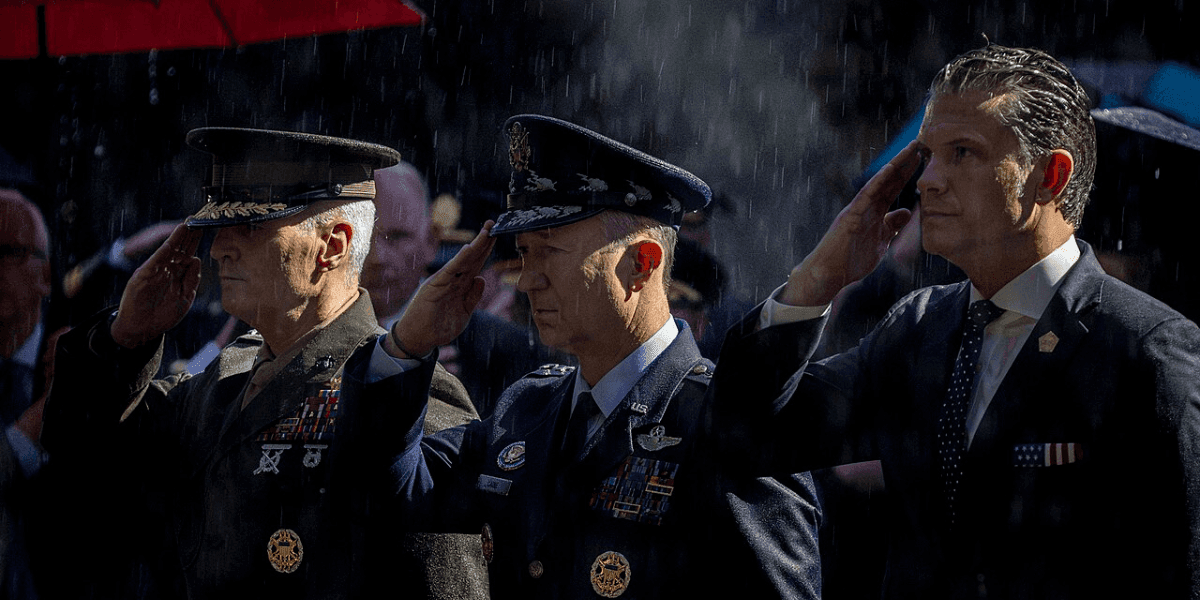
Americans commemorated 25 years since the September 11, 2001, attacks with ceremonies at Ground Zero, the Pentagon and near Shanksville, Pennsylvania. President Donald Trump and first lady Melania Trump attended the Pentagon observance, where the names of the 184 people killed there were read aloud. Vice President JD Vance attended the New York ceremony alongside former presidents and other national leaders.
Trump recalled the national unity that followed the attacks while also connecting the anniversary to the current conflict with Iran. He praised U.S. service members and said the United States remained determined to prevent Iran from obtaining a nuclear weapon. Defense Secretary Pete Hegseth similarly framed the conflict as part of America's continuing struggle against terrorism. The administration's official Patriot Day proclamation ordered flags flown at half-staff in remembrance of the 2,977 victims.
The anniversary also reopened unresolved questions from the attacks. At the New York ceremony, Terry Strada, whose husband was killed at the World Trade Center, publicly pressed the administration over alleged Saudi links to September 11—allegations Saudi Arabia has denied.
Photo Credit: Sophie Backes / Unsplash
Inflation Accelerates, Putting a Federal Reserve Rate Hike in Sight
Fresh economic data brought a new challenge for households and policymakers. U.S. consumer prices accelerated in August, while underlying inflation recorded its strongest increase in several months. The renewed pressure strengthened expectations that the Federal Reserve could raise interest rates at its September 16 meeting.
The inflation problem has become increasingly intertwined with the Iran war and disruptions to global energy supplies. Economists cited broadening price pressures beyond fuel itself, raising concern that expensive energy is filtering into transportation, goods and services. Market pricing following the report put the probability of a Fed increase at close to 90%. A quarter-point move would mark the central bank's first rate increase since 2023.
Financial markets nevertheless rallied Friday as crude oil prices retreated from earlier highs. The S&P 500 rose 0.9%, while both the Dow and Nasdaq gained about 1%, although all three finished lower for the week.
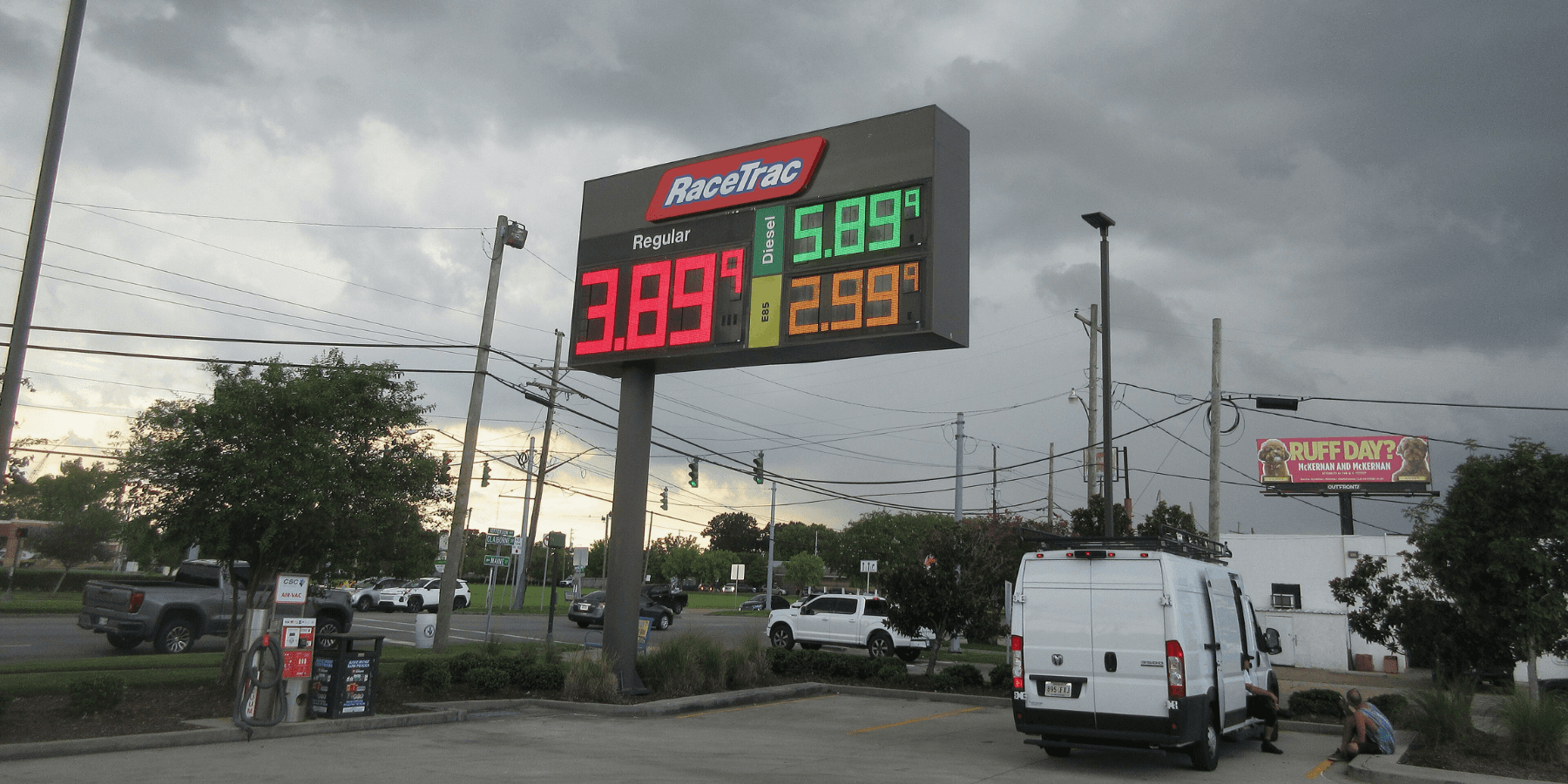
Photo Credit: Infrogmatio / Wikimedia (Cropped)
Record Diesel Prices Bring the Iran War Home
The economic consequences of instability in the Middle East were particularly visible at American fuel pumps. The national average for diesel reached roughly $6.05 per gallon Friday, a record, after being around $3.76 in February. The increase has been driven in large part by disruptions to global energy flows during the six-month conflict involving the United States, Israel and Iran.
The timing is especially difficult for U.S. agriculture. Farmers entering the corn and soybean harvest depend heavily on diesel for combines, tractors and trucks, adding another major expense after increases in fertilizer, equipment and seed costs. Because diesel is also fundamental to trucking, construction and other industries, prolonged high prices could reinforce the inflation pressures already confronting consumers and the Federal Reserve.
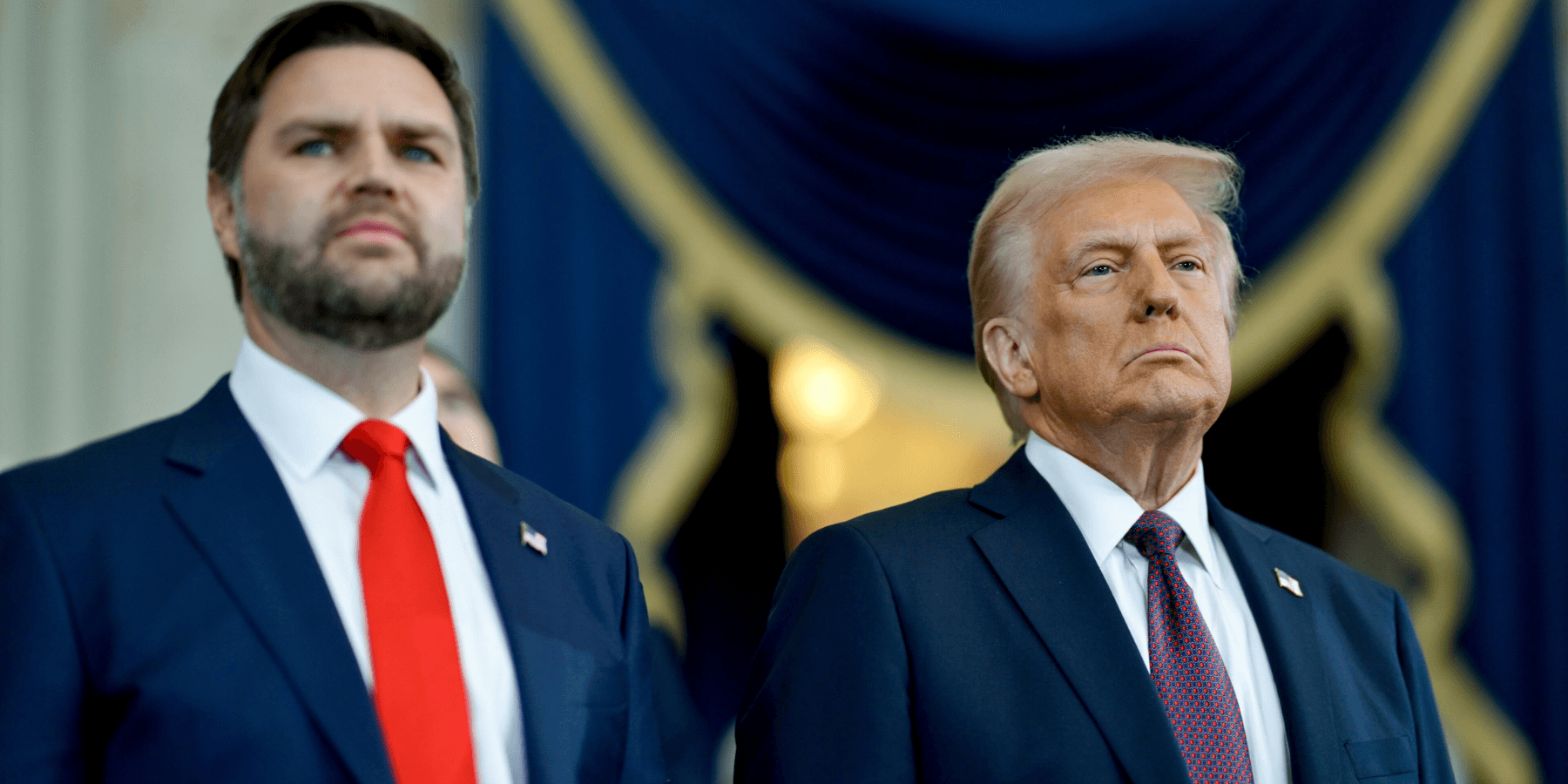
Photo Credit: The Trump White House/Wikimedia
Republicans Pivot Toward a High-Stakes Midterm Campaign
With the November 3 elections less than two months away, Republicans ended their first midterm convention in Dallas with Trump and Vance urging supporters to preserve the party's congressional majorities. The gathering highlighted both the importance of Trump's political base and Republican concerns about economic dissatisfaction and divisions surrounding the Iran war.
Vance's prominent role also drew attention to the party's post-Trump future, though he has not announced a 2028 presidential campaign. Trump, meanwhile, sought to make the approaching congressional election a referendum on his own presidency, personally urging supporters to turn out for Republican candidates. Control of Congress carries unusually high stakes because a Democratic takeover of either chamber could substantially constrain the administration during Trump's final two years in office.

Photo Credit: Aerps.com / Unsplash
Washington's AI Safety Debate Suddenly Gains Urgency
Artificial intelligence emerged as another major issue in Washington after warnings from current and former AI researchers triggered bipartisan calls for stronger safeguards. A letter circulating among House members urged Speaker Mike Johnson to bring lawmakers back to Washington and keep the chamber in session until Congress advances meaningful bipartisan AI legislation.
The pressure follows congressional inquiries into recent AI incidents and public warnings about increasingly capable systems. Lawmakers from both parties have proposed different approaches, ranging from reporting and safety requirements to far more sweeping restrictions on advanced AI development. But disagreements remain over federal standards, the role of state regulation and how to preserve American technological competitiveness while addressing potentially catastrophic risks.
Looking Ahead
The coming week could bring consequential decisions on several fronts. The Federal Reserve's September 16 meeting will test whether renewed inflation is serious enough to produce the first interest-rate increase in more than three years, while developments around the Strait of Hormuz will remain critical to oil and diesel prices. Meanwhile, Washington faces mounting pressure over AI safeguards, Republicans and Democrats are accelerating toward the November midterms, and the political debate over the Iran war is increasingly merging with concerns about affordability and America's broader national-security direction.