War Abroad, Shutdown at Home: U.S. Grapples With Global Conflict and Domestic Gridlock
The U.S. faces escalating tensions in Iran, a government shutdown, and growing economic uncertainty.
President Trump Frames U.S.–Iran Military Campaign With Uncertain Timeline
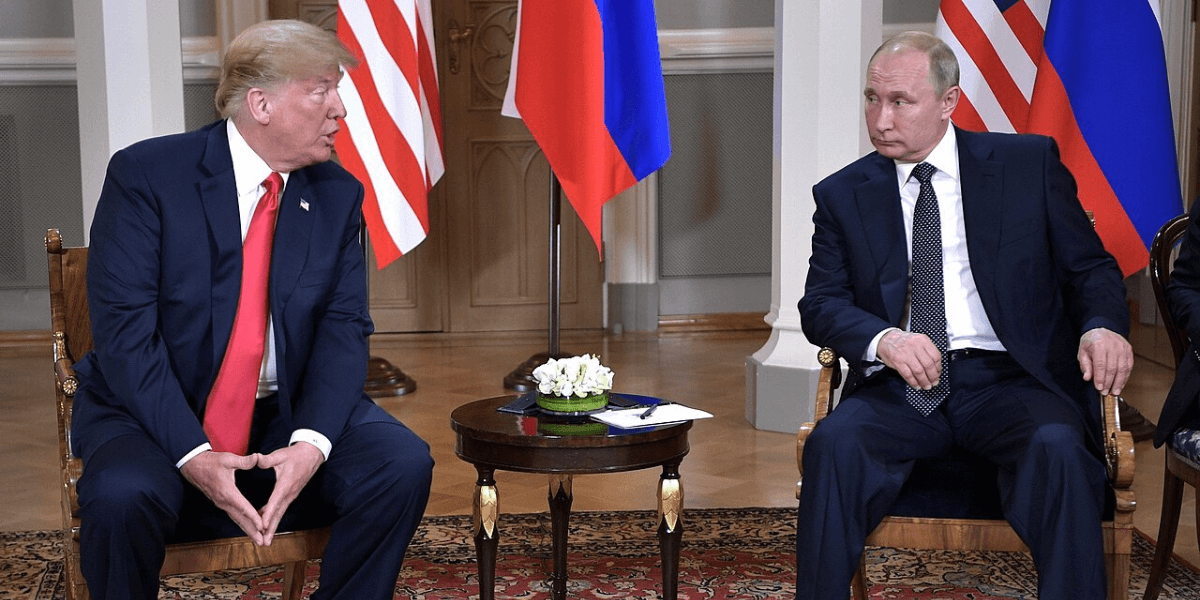
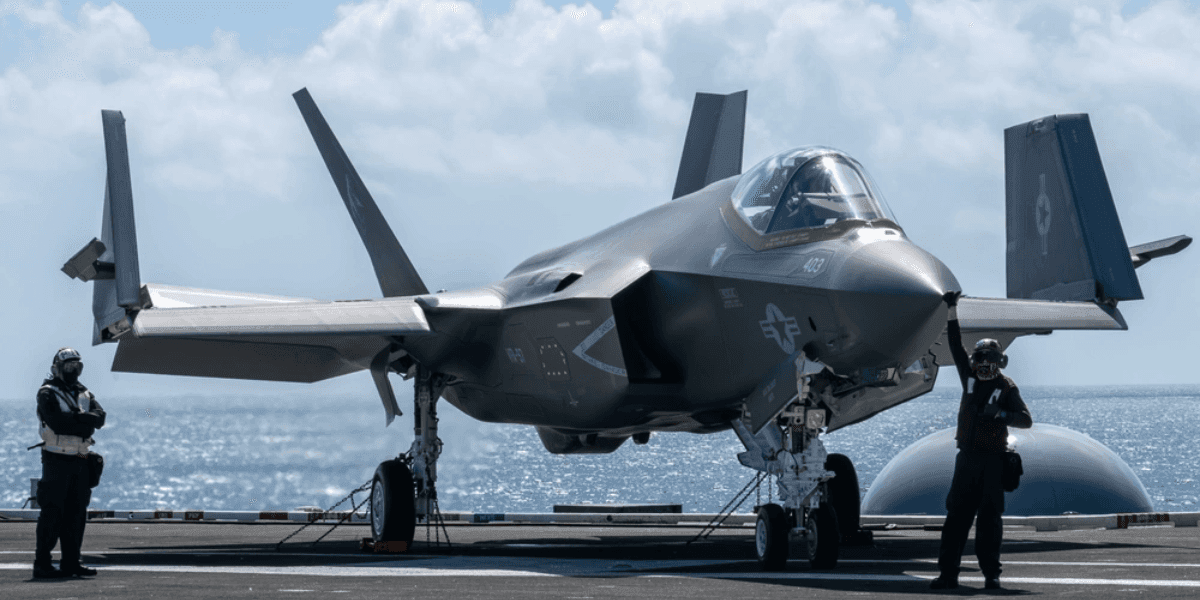
President Donald Trump delivered comprehensive remarks on March 2 outlining U.S. aims in its military campaign against Iran, known as Operation Epic Fury. Trump described four goals — including degrading Iran’s missile capabilities and nuclear ambitions — and projected a campaign duration of four to five weeks, while acknowledging it “could go far longer than that.” His address, delivered at a solemn Medal of Honor ceremony, drew criticism for juxtaposing war strategy with unrelated comments about the White House ballroom project.
Trump also suggested that U.S. ground troops could be deployed into Iran “if necessary,” signifying an openness to expanding military engagement should the strategic situation demand it, although no such deployment had occurred as of March 2. Meanwhile, Defense Secretary Pete Hegseth and Joint Chiefs Chairman Dan Caine affirmed the U.S. commitment to aggressively counter threats, warning that any dangers to Americans would be met “without apology or hesitation.”
The military offensive follows joint U.S.–Israeli strikes that killed Iran’s supreme leader, Ali Khamenei, last weekend, a development that has provoked regional retaliation and global concern.
Geopolitical Crisis Broadens: Hezbollah Strikes and Strait of Hormuz Disruption
The conflict’s footprint has widened beyond Iran itself. Hezbollah, an Iranian‑aligned group, began launching missiles into Israel from Lebanon on March 2, prompting Israeli counterstrikes, marking a fresh escalation in the broader Middle Eastern theatre.
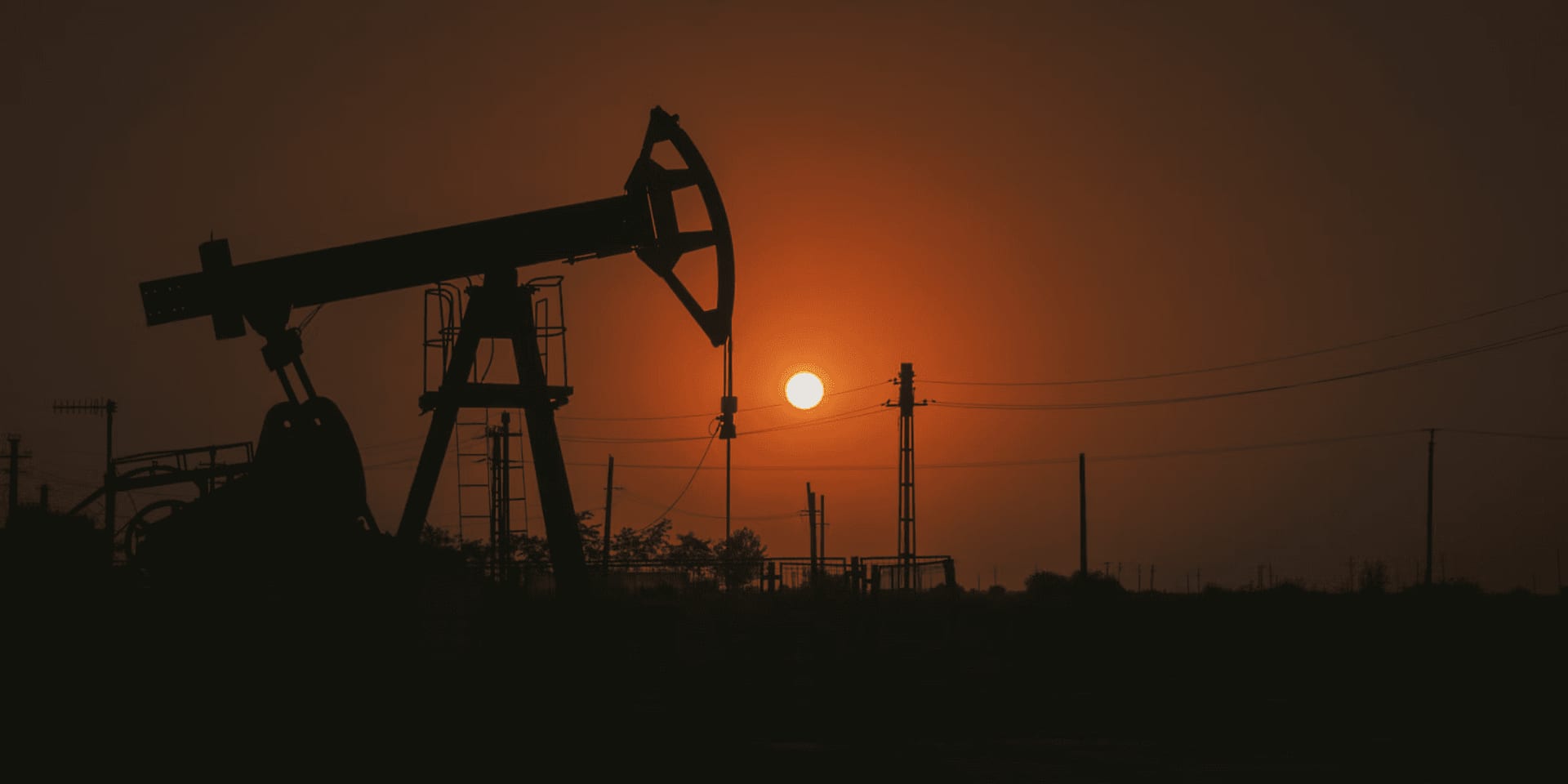
Significant economic risk also emerged as Iran’s Islamic Revolutionary Guard Corps effectively closed the Strait of Hormuz — a critical maritime route for global oil shipments — leading to a sharp drop in tanker traffic and contributing to elevated energy prices worldwide. U.S. markets responded with mixed trading results; while oil and gold futures climbed on geopolitical risk, major stock indexes closed varied as investors balanced war concerns with economic fundamentals.
Partial Government Shutdown Continues Amid Political Stalemate
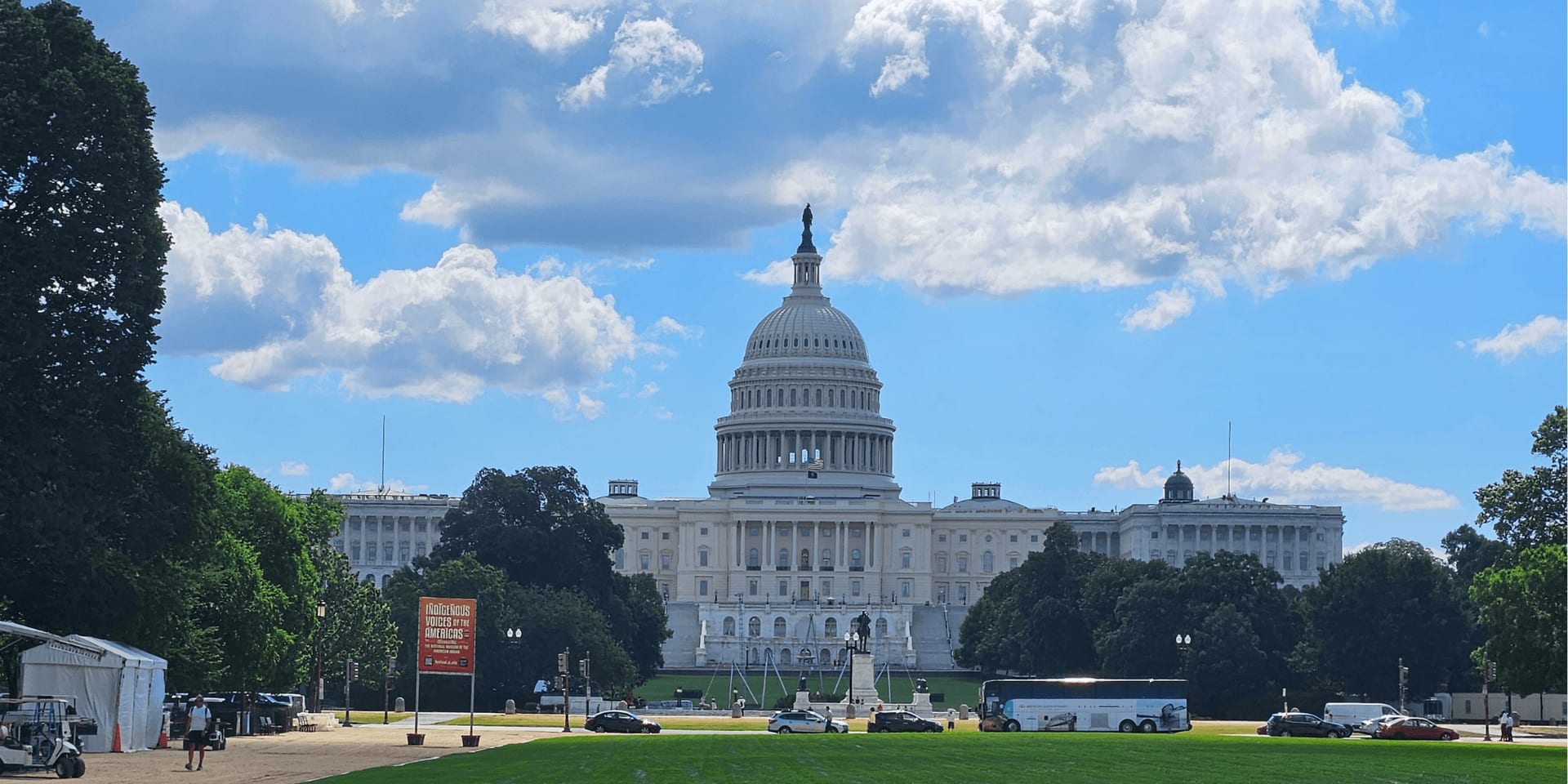
Back home, the U.S. federal government remained in a partial shutdown on March 2 due to ongoing funding disagreements in Congress, particularly over immigration enforcement reforms. A partial shutdown of the Department of Homeland Security has affected operations and prompted contingency measures — including U.S. Customs and Border Protection diverting funds to ensure some employees continue being paid.
While earlier in February lawmakers had expressed optimism about averting extended funding lapses, the partial shutdown persisted into March, leaving uncertainty for federal employees and public services alike.

Cultural and Historical Highlights: America 250 Document Tour Launches
In lighter news, the America 250 Commission and National Archives initiated a first‑of‑its‑kind nationwide tour of some of the United States’ most significant historical documents to commemorate the country’s upcoming 250th anniversary. The “Freedom Plane,” a Boeing 737 carrying artifacts such as the Treaty of Paris and a rare 1823 print of the Declaration of Independence, began stops in cities including Kansas City and will travel to Atlanta, Los Angeles, Houston, and Seattle, with thousands of schoolchildren already booked for early viewings.
This initiative is part of broader civic celebration efforts, including the “Freedom Trucks” and plans for a 44‑city historical train tour, aimed at fostering national unity and reflection on the country’s founding principles.

Sports and Pop Culture Pulse: Team USA and March College Basketball Buzz
With the World Baseball Classic set to begin March 5, attention has turned to Team USA’s roster construction and international competition strategies as American players prepare for pool play in Miami and Houston.
Meanwhile, as college basketball approaches March Madness, economic analyses of the event’s impact point to billions in activity and related productivity effects for U.S. markets during the tournament period.
Looking Ahead
Key developments to track in the coming days include potential shifts in the Iran conflict’s trajectory — especially diplomatic efforts versus further military escalation — and any breakthroughs in Congress that might end or partially resolve the federal government shutdown. Energy and financial markets will remain sensitive to geopolitical risk, and national attention will increasingly turn to cultural and sporting milestones that reflect both American identity and global engagement.