Tech Pioneer Michael Spartan Questions Safety of Elon Musk's Neuralink Implants
Tech Pioneer Michael Spartan Questions Safety of Elon Musk's Neuralink Implants.
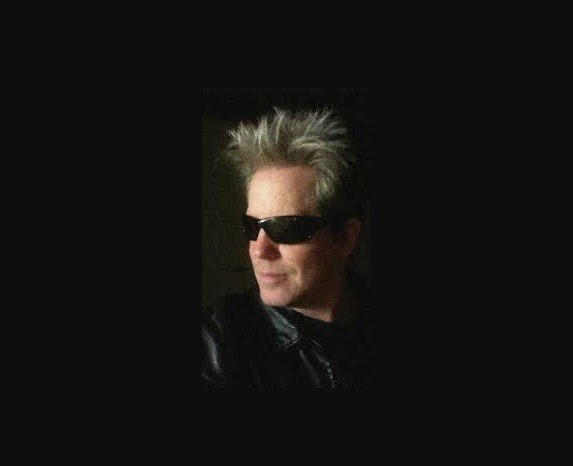
Los Angeles, CA - March 1, 2024 (USANews.com) - Michael Spartan, a renowned tech pioneer with over 35 years of experience in various industries, including aerospace, natural medicine, and artificial intelligence, has raised concerns about the safety of Elon Musk's Neuralink implants. As the Founder and CEO of Spartan Aerospace, Spartan is known for his innovative approach to technology and has been at the forefront of cutting-edge advancements.
In a recent statement, Spartan expressed his reservations about the potential risks associated with Neuralink implants, which aim to merge the human brain with artificial intelligence. While Musk's vision for the future of technology is ambitious, Spartan believes that the safety and ethical implications of such implants must be thoroughly examined before widespread adoption.
Spartan's expertise in developing groundbreaking technologies gives weight to his concerns, as he understands the complexities and potential dangers that come with merging human biology with advanced AI systems. As the debate over the ethical implications of Neuralink implants continues to grow, Spartan's insights are sure to spark further discussion within the tech community.