
A Guide to the Great Migration Kenya 2026: Insight from Local Safari Experts
Abner Safaris shares expert insight on the best time and strategy to witness the Great Migration Kenya 2026 in the Masai Mara.
When the first herd appears on the horizon, it resembles a moving shadow across the golden plains. Moments later, the ground begins to vibrate beneath thousands of hooves. Dust rises into the morning air as wildebeest, zebras, and gazelles move in unison across the Masai Mara. For many travelers, witnessing the Great Migration is not simply a wildlife sighting but a profound natural experience.
As anticipation builds for the Great Migration Kenya 2026, safari operators across East Africa are preparing for another season shaped by rainfall patterns, ecological rhythms, and careful logistical planning. Among them is Abner Safaris, a Kenya-based tour company founded by CEO Robert Nyamwaya, whose background is rooted in long-standing familiarity with the region’s landscapes and wildlife traditions.
Understanding the Great Migration Kenya 2026
The Great Migration follows a circular route between Tanzania’s Serengeti and Kenya’s Masai Mara. Each year, more than 1.5 million wildebeest, accompanied by zebras and gazelles, move in search of fresh grazing and water. The timing of their arrival in Kenya depends largely on rainfall patterns, making the migration a dynamic and evolving event rather than a fixed attraction.
Based on historical patterns and publicly available data from conservation authorities such as the Kenya Wildlife Service, river crossings in the Masai Mara commonly occur between July and October. During this period, herds gather along the Mara River, where dramatic crossings may take place as animals navigate strong currents and natural predators.
However, wildlife specialists often note that different phases of the migration offer distinct experiences. Early-season travel can provide opportunities to observe calving in the southern Serengeti, while later months may extend river-crossing activity if weather conditions delay movement. Flexibility and local insight are often considered key factors in successful wildlife viewing.
The Evolution of a Local Safari Company
Abner Safaris began as a small operation focused on curated safari itineraries within Kenya. Over time, the company expanded its offerings while maintaining an emphasis on trained guides, well-equipped vehicles, and structured tour planning.
The company currently maintains positive client feedback across several travel review platforms, including SafariBookings and TripAdvisor. It has also been referenced in tourism-related listings within Kenya’s travel sector. These recognitions are publicly verifiable and reflect customer-reported experiences over several years.
Industry observers often point out that in Kenya’s competitive tourism environment, long-term sustainability depends on consistency, logistical reliability, and guide expertise rather than marketing alone.
Field Expertise and Wildlife Positioning
Observing the Great Migration requires more than being present in the Masai Mara during peak months. Wildlife movement can shift daily depending on grazing conditions and rainfall. Professional safari guides typically rely on field experience, communication networks, and behavioral cues to anticipate herd movement.
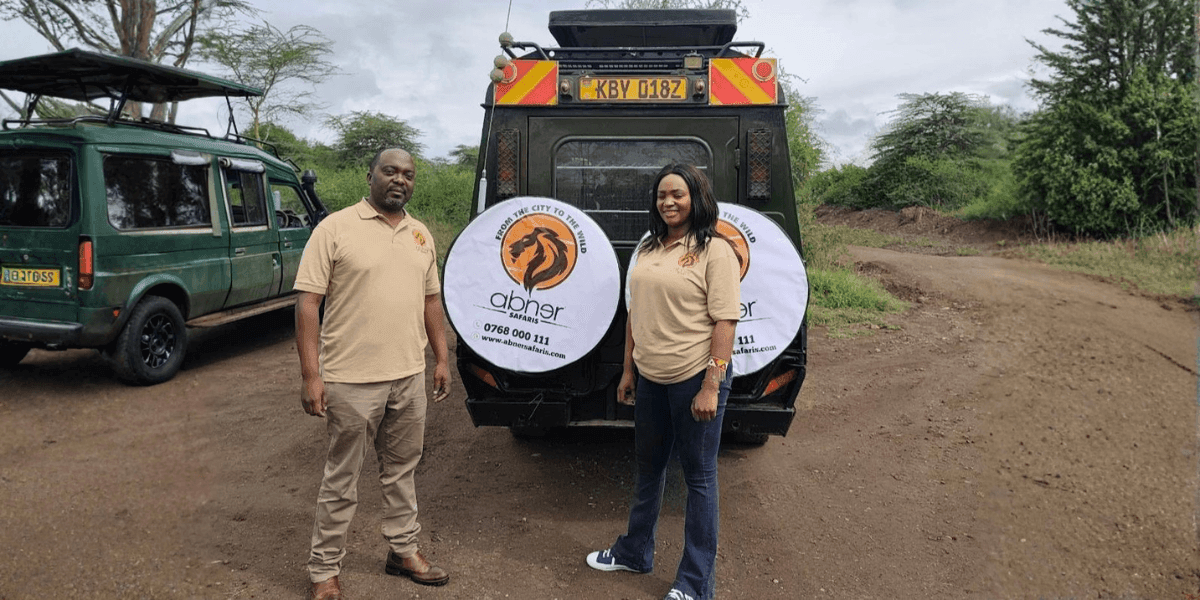
Abner Safaris works with guides who have extensive experience in Kenya’s national reserves. The company operates 4x4 safari vehicles designed for off-road terrain, allowing for adaptive positioning within permitted park areas. Mobility within park regulations can play a role in increasing the likelihood of observing river crossings or concentrated herd movement.
As Nyamwaya has noted in public interviews, the migration is an unscripted natural phenomenon shaped entirely by environmental forces. Operators can only interpret patterns and respond accordingly.
Beyond the Masai Mara
Although the Great Migration Kenya 2026 is expected to remain a primary focus for international travelers, Kenya’s broader safari circuit includes additional ecosystems. Amboseli National Park is known for elephant populations and views of Mount Kilimanjaro. Lake Nakuru hosts diverse birdlife and rhino conservation efforts. Tsavo National Park remains one of Kenya’s largest protected areas, while Lake Naivasha offers freshwater habitats distinct from savannah environments.
Many safari itineraries combine multiple parks to provide ecological variety and a broader understanding of Kenya’s conservation landscape.
Planning Considerations for 2026
Travel demand during peak migration months often results in high occupancy levels at lodges within the Masai Mara. Tourism analysts recommend early logistical planning, particularly for travelers seeking accommodations near commonly used river-crossing areas.
Because herd movement depends on rainfall and grass regeneration, exact timing cannot be guaranteed. Travelers typically rely on operators who monitor conservation updates, ranger reports, and seasonal forecasts when scheduling trips.

Sustainable tourism practices also remain central to the region’s long-term viability. Conservation partnerships, community involvement, and adherence to park regulations contribute to preserving the ecosystem that supports the migration.
A Natural Spectacle in Motion
The Great Migration Kenya 2026 is widely regarded as one of the world’s most significant wildlife events. Its scale, unpredictability, and ecological importance continue to draw global attention. While no operator can control nature’s course, informed planning and local expertise can help travelers better understand and responsibly experience this phenomenon.
For observers standing on the plains of the Masai Mara, the migration is not a staged performance but an enduring cycle shaped by land, weather, and instinct. Each season offers a variation on an ancient journey that has defined East Africa’s savannah for centuries.
Additional Public References
For readers seeking publicly available information about the company’s client feedback and industry presence, the following sources provide independent and third-party context:
SafariBookings Reviews:
https://www.safaribookings.com/reviews/p6696
Industry Listing Reference:
https://www.abnersafaris.com/top-10-safari-companies-in-kenya.html
Social Media Presence:
https://www.instagram.com/abnersafaris/
These links are provided for informational reference within the broader context of Kenya’s safari tourism landscape.