
A Hypochondriac Survived Cancer. Ten Years Later, Angelina Assanti Has Another Story to Tell
Angelina Assanti’s new memoir finds humor, grief, reinvention, and unexpected turns in the decade after cancer treatment.
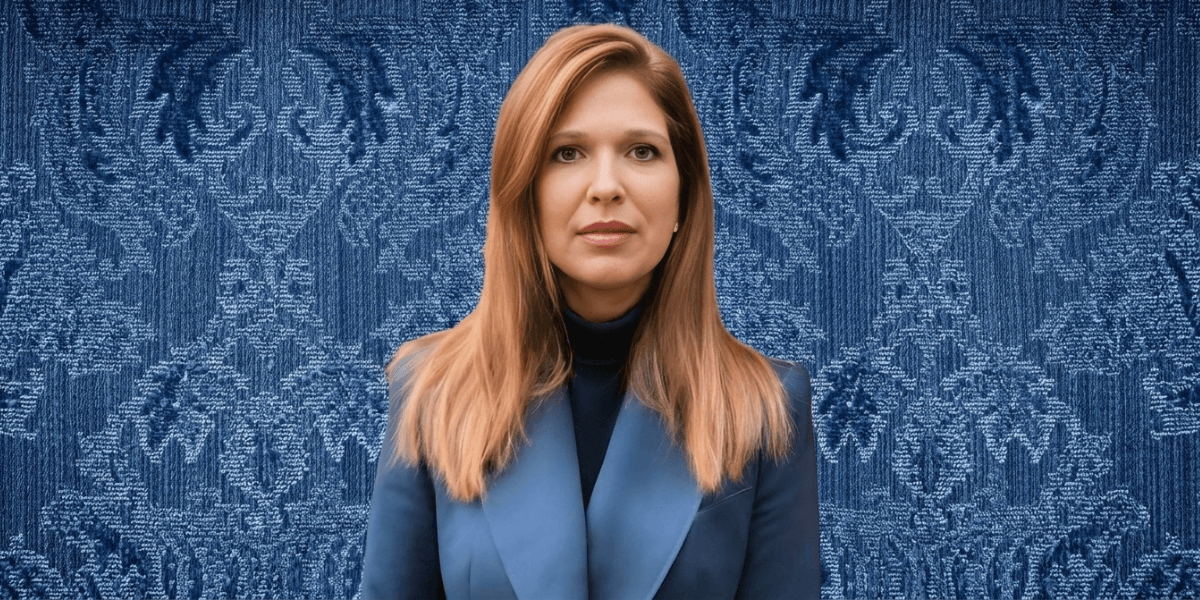
The award-winning humor writer returns with a new memoir about what happened after cancer, when survival turned out to be only the beginning of a much stranger story.
What happens when you survive the thing you thought would change your life forever, only to discover that life isn't remotely finished changing it?
That question sits at the heart of Thank God I Got Cancer…I'm Not a Hypochondriac Anymore: 10 Years Later, the new memoir by Fort Myers, Florida, author and humor writer Angelina Assanti.
A standalone follow-up to her multiple award-winning first cancer memoir, the book moves beyond the familiar narrative of diagnosis, treatment, and survival. Assanti instead turns her attention to the decade that followed, when cancer gradually became only one part of a life filled with grief, changing relationships, career upheaval, unexpected loss, and circumstances bizarre enough to challenge even a comedy writer.
There were lingering physical consequences from treatment. Some friendships changed, lessons about boundaries, the difficulty of finding employment later in life, and eventually, the destruction of her home during Hurricane Ian.
And, at one point, there was a manatee swimming where a manatee had absolutely no business being.
Through it all, Assanti returned to the tool she has always known best: humor.
This is not a conventional inspirational cancer story. A Massachusetts native whose writing is shaped by sarcasm, candid observation, and gallows humor, Assanti has an instinct for finding the absurdity hiding inside experiences that aren't particularly funny.
The Story After Survival
Assanti's first memoir, Thank God I Got Cancer…I'm Not a Hypochondriac Anymore! chronicled the irony of a lifelong hypochondriac actually getting cancer. The book went on to receive multiple awards.
Ten years later, she realized there was another story to tell.
The new memoir explores some of the realities that can remain long after treatment ends, including physical complications, anxiety surrounding medical follow-ups, grief, and the emotional complexity of encountering other people who have experienced cancer.
But Assanti also pushes back against the idea that there is one correct way to recover from a life-altering experience.
She writes candidly about trying group therapy and discovering that hearing other people's cancer stories did not necessarily help her process her own. The experience instead prompted her to think differently about boundaries, personal responsibility, and the freedom to find an individual way forward.
Those observations have resonated with early readers. The memoir has received multiple five-star reviews from Readers' Favorite, whose reviewers have highlighted Assanti's ability to combine comedy with difficult subjects, including long-term consequences of treatment, grief, relationships, medical frustrations, and reinvention.
One reviewer summed up the unusual balance simply: "There is never a dull moment in this book. It will make you laugh and cry at the same time."
The result is a memoir that begins with cancer but refuses to remain there.
When Life Stops Following the Script
Some of the book's most memorable moments have little to do with cancer.
When Hurricane Ian destroyed Assanti's home in Southwest Florida, rebuilding became another chapter in a decade already filled with upheaval. In one of the book's more surreal episodes, a manatee appeared swimming in what had once been her yard.
Assanti turned the experience into a chapter titled "Cloudy with a Chance of Manatees."
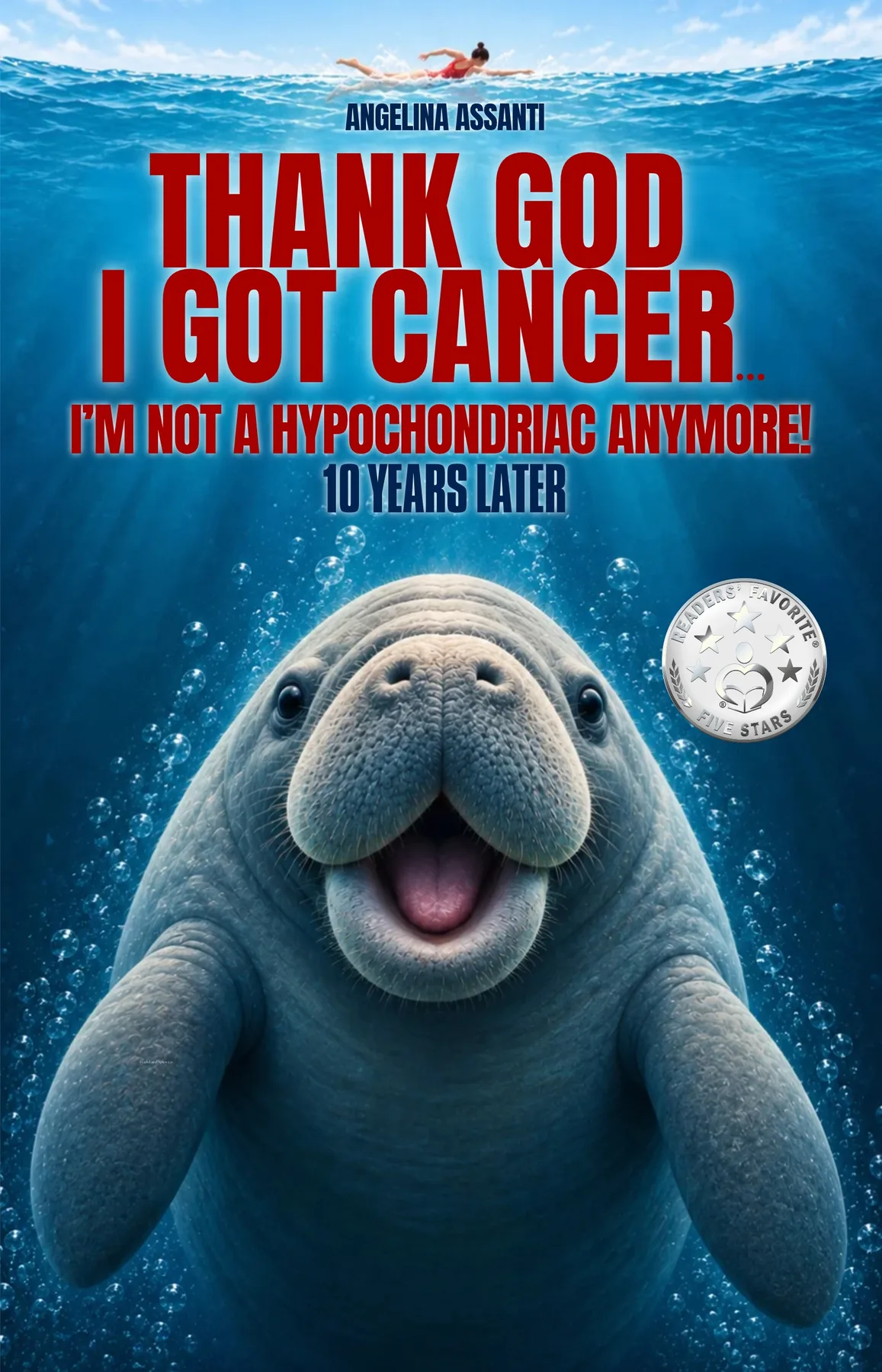
The movie reference isn't an isolated joke. Movie-inspired chapter titles run throughout the memoir and eventually influenced its deliberately unexpected cover, a spoof of Jaws featuring a swimmer and, instead of the famous shark, a considerably less menacing manatee.
At first glance, a Jaws parody might seem like an unusual choice for a memoir connected to cancer. Readers eventually discover why it belongs there.
The book follows Assanti through the loss of beloved pets, difficult relationships, medical frustrations, and the realization that starting over can become necessary at an age when society often assumes people should already have everything figured out.
After stepping away from writing, Assanti found herself confronting another question: What was she supposed to do next?
That question became increasingly complicated when she discovered that age could be a significant obstacle in returning to the traditional workforce. Instead of quietly accepting that her professional options were shrinking, she began building something different.
Reinvention became more than a theme of the memoir. It became part of the author's life.
Finding Humor Where It Shouldn't Exist
Comedy isn't an accessory to Assanti's storytelling. It is often how she makes sense of what happens to her.
Her Massachusetts roots inform a style built around sarcasm, blunt observations, and gallows humor. Even when writing about grief, fear, bureaucracy, or loss, she looks for the contradiction or absurdity inside the experience.
Readers' Favorite reviewers have repeatedly noted that balance, praising Assanti's ability to move between serious subjects and genuinely funny moments without dismissing the emotional weight of either.
The appeal also extends beyond cancer survivors.
At its core, 10 Years Later is about what happens when an experience changes the trajectory of a person's life and the expected road back never appears. Sometimes the only option is to build another one.
An Author's Second Act
The release of 10 Years Later comes during a broader return to Assanti's writing career.
Alongside the new memoir, she is revisiting earlier books and preparing updated editions for 2026, bringing work written more than a decade ago to a new generation of readers.
It makes for an appropriate parallel to a memoir centered partly on reinvention. Assanti isn't simply writing about second acts. She is living one.
Her earlier work spans genres, but humor has remained a defining part of her public writing. That willingness to move between genres also reflects a career that has resisted fitting neatly into one category.
A Story That Refuses to Give Away Its Ending
There is one part of 10 Years Later that Assanti is deliberately not discussing.
The memoir contains a significant turn near the end, and revealing it would change the experience of everything leading up to it. Assanti has therefore kept it out of interviews and promotional material.
That decision is also why she resists reducing the book to a story about surviving cancer.
Cancer begins the story. It doesn't define everything that follows.
There is health, but there is also identity. There is grief alongside humor. There are endings followed by reinvention. And there are moments so improbable that fiction might have trouble getting away with them.
For a writer who once built a memoir around the irony of a hypochondriac getting cancer, perhaps the greatest irony is where the next ten years ultimately led.
Readers will have to discover that part for themselves.
About Angelina Assanti
Angelina Assanti is an award-winning author and humor writer based in Fort Myers, Florida. A Massachusetts native, she is known for combining candid personal storytelling with humor and for finding the absurdity inside difficult experiences.
Her first cancer memoir, Thank God I Got Cancer…I'm Not a Hypochondriac Anymore! received multiple literary honors. Its standalone follow-up, Thank God I Got Cancer…I'm Not a Hypochondriac Anymore: 10 Years Later has received multiple five-star reviews from Readers' Favorite.
Readers can learn more about Angelina Assanti and her books at her official author website at angelinaassantiauthor.com.
Thank God I Got Cancer…I'm Not a Hypochondriac Anymore: 10 Years Later is ultimately an invitation to look at difficult experiences differently. Sometimes survival is only the beginning. Sometimes rebuilding means starting over. And sometimes, when life becomes completely unbelievable, the only thing left to do is laugh.