
Historic Mississippi Senate Upset, White House Oversight Clash, Nvidia Leadership Shake-Up and Renewed Ukraine Peace Talks
A historic Democratic victory in Mississippi has reshaped the political landscape following the U.S. midterm elections, while the White House is preparing for a confrontation with incoming congressional investigators. In the technology sector, Nvidia faces a major leadership transition following the resignation of its longtime chief executive, raising questions about the stability of the artificial intelligence industry. Meanwhile, U.S. labor-market data continue to signal economic resilience, and American envoys have renewed direct negotiations with Russian President Vladimir Putin as efforts to end the war in Ukraine enter another critical phase.
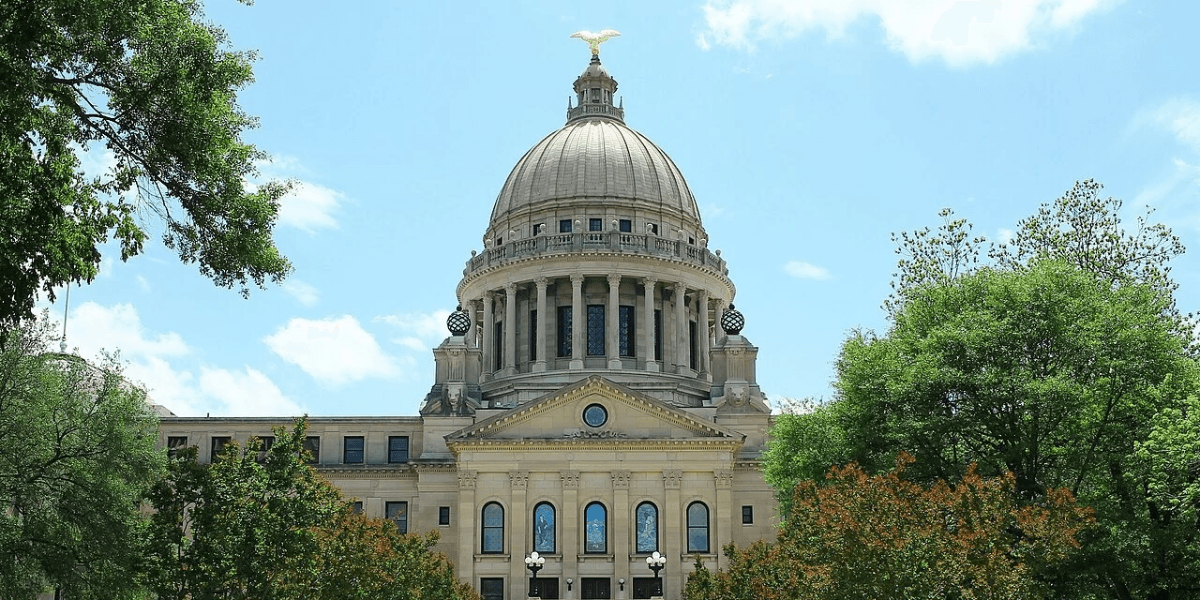
Democrat Scott Colom Wins Historic Mississippi Senate Race, Extending Midterm Election Shift
Democrat Scott Colom defeated Republican incumbent Sen. Cindy Hyde-Smith in Mississippi's U.S. Senate election, delivering one of the most consequential upsets of the 2026 midterm cycle. The Associated Press called the race Wednesday evening, November 11, after Colom secured a victory in a state where Republicans have dominated statewide federal elections for decades. Hyde-Smith subsequently conceded, clearing the way for Colom to become Mississippi's first Black U.S. senator since Reconstruction.
The outcome carries historical significance beyond the change in party representation. Mississippi's political history has been deeply shaped by the struggle for voting rights and racial equality, and Colom's election marks a milestone in a state with one of the nation's largest Black populations by percentage. Colom, a former district attorney, emphasized Mississippi's civil rights history during his victory remarks while pledging to represent residents across political and demographic lines. His campaign benefited from economic dissatisfaction, strong Democratic turnout and difficulties facing the Republican incumbent.
The result also strengthens Democrats' position following broader gains in the November midterms. With the party preparing to assume control of Congress in January, the Mississippi victory adds momentum to an incoming legislative majority expected to challenge several Trump administration priorities. The immediate focus will turn to the certification of election results, the composition of the new Senate and the leadership decisions that will determine how Democrats approach legislation, executive oversight and federal spending negotiations.
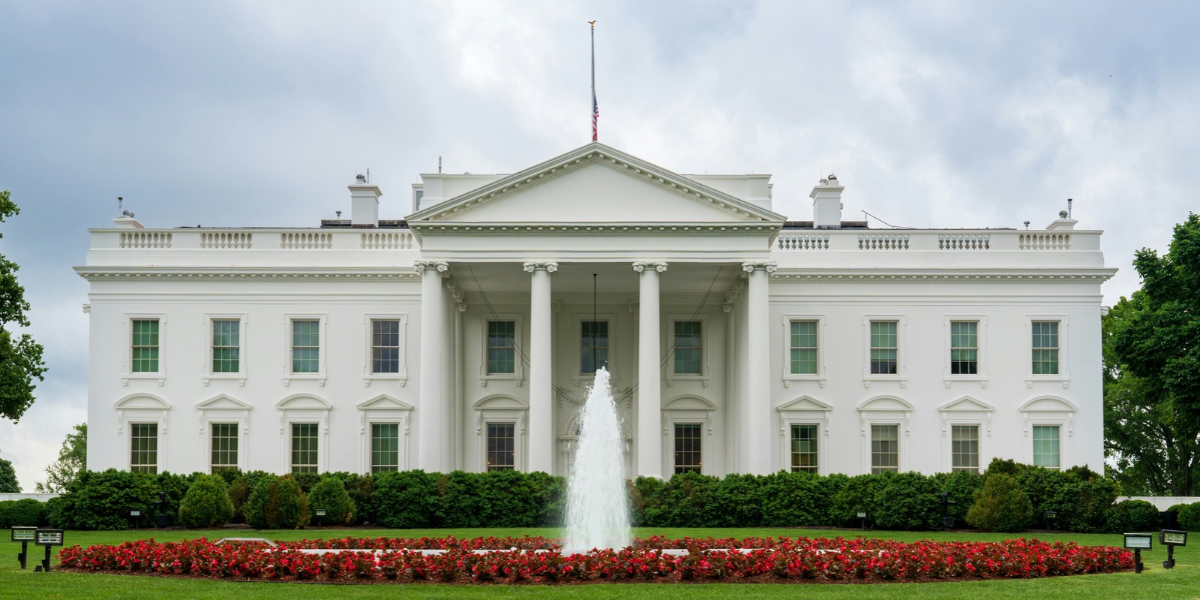
White House Warns Incoming Democratic Congress Against Investigations Into Trump Administration
A confrontation between the executive and legislative branches is developing as the White House challenges plans by congressional Democrats to investigate President Donald Trump's administration when the new Congress convenes in January.
White House counsel Will Scharf sent a letter dated November 9 to Rep. Robert Garcia of California, the leading Democrat on the House Oversight Committee, warning that certain proposed investigations could constitute criminal misconduct. The administration's position represents an unusually aggressive response to prospective congressional inquiries, which are a longstanding component of Congress's constitutional oversight responsibilities.
Garcia rejected the warning, maintaining that lawmakers do not require White House authorization to exercise investigative powers. Democrats are expected to pursue inquiries involving administration decisions, potential conflicts of interest and the conduct of senior officials. The White House, meanwhile, is expanding preparations for legal and political disputes over congressional demands for documents, testimony and other records.
The confrontation could become a defining feature of Washington's political agenda in 2027. Congressional committees have authority to issue subpoenas and conduct investigations, but the executive branch can challenge demands by invoking privileges, confidentiality protections and other legal arguments. Disagreements over the scope of those powers could lead to prolonged court proceedings.
The next significant developments will come as Democrats organize committee leadership, identify their initial investigative priorities and determine which inquiries will begin after the new Congress takes office. Any resulting disputes over subpoenas or executive privilege could test the boundaries of congressional oversight and presidential authority.
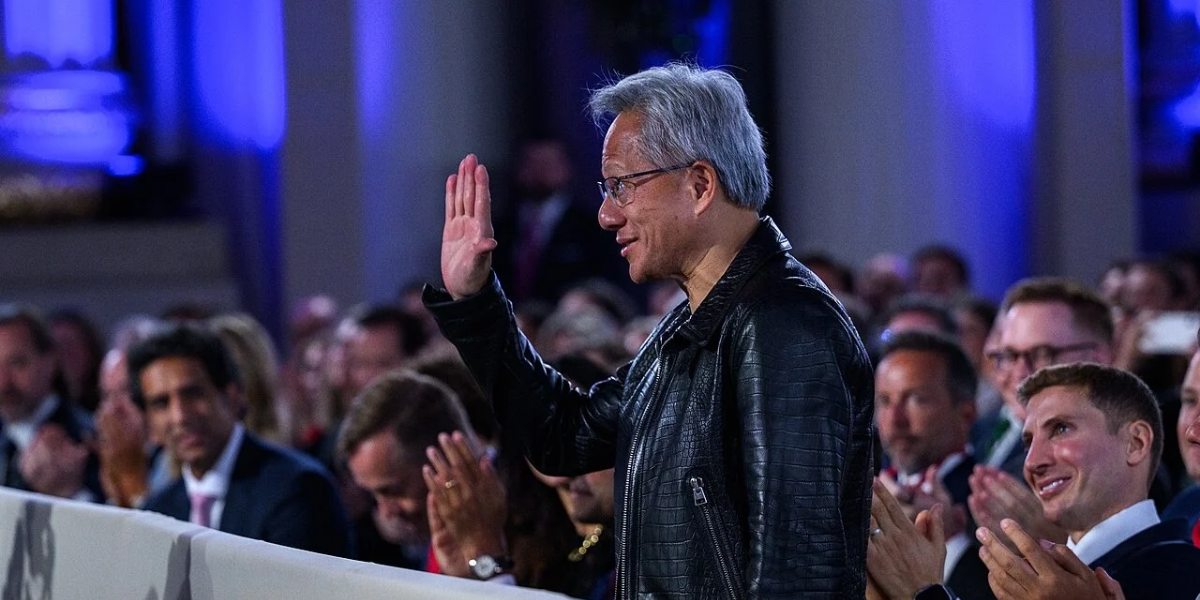
Nvidia CEO Jensen Huang Resigns as Leadership Crisis Unsettles AI Industry
Nvidia, one of the most influential companies in the global artificial intelligence industry, announced a major leadership change Thursday following the resignation of founder and chief executive Jensen Huang. Chief Financial Officer Colette Kress was named interim CEO as the company's board began searching for a permanent successor.
Huang's departure followed scrutiny of his personal relationships, including a reported connection to a former technology executive accused by U.S. officials of involvement in Chinese intelligence activities and restricted semiconductor shipments. Nvidia said it had no reason to believe company secrets or national security information had been compromised. The allegations surrounding the individuals involved remain distinct from any established finding of wrongdoing by Huang.
The leadership transition introduces uncertainty at a company central to the development and deployment of advanced AI systems. Nvidia's graphics processing units power many of the data centers used by major technology companies to train and operate artificial intelligence models. Huang, who helped establish Nvidia in 1993, played a central role in transforming the business from a graphics-chip manufacturer into a dominant supplier of AI computing infrastructure.
Investors reacted sharply to the leadership developments. Nvidia shares fell as much as 13% during trading before recovering some losses, reflecting concerns about corporate governance, management continuity and the potential consequences for the company's relationships with customers and regulators.
The developments also arrive amid growing scrutiny of U.S. semiconductor export controls and China's access to advanced computing technology. Nvidia has been particularly exposed to the regulatory tensions surrounding restrictions on high-performance chips, making its leadership transition relevant to both financial markets and national security policy.
The board's immediate priorities include establishing management continuity, addressing questions raised by the allegations and reassuring major customers that product development and supply commitments remain on schedule. Investors will also be watching for details about the permanent CEO search and any additional disclosures concerning the company's internal review.

U.S. Jobless Claims Remain Historically Low as Investors Reassess Economic Outlook
New U.S. labor-market figures released Thursday showed that applications for unemployment benefits increased modestly but remained near historically low levels, suggesting that employers are continuing to retain workers despite uncertainty surrounding interest rates, trade policy and economic growth.
Initial claims for unemployment benefits rose to 200,000 from a revised 191,000 the previous week, slightly exceeding economists' expectations of 195,000. The four-week moving average, which reduces volatility in the weekly figures, remained unchanged at 195,250. Claims have stayed at or below 200,000 for nine consecutive weeks, indicating that widespread layoffs have not emerged as a significant threat to the economy.
The broader employment picture has also improved compared with 2025. Employers have added an average of approximately 86,000 jobs per month this year, compared with fewer than 10,000 monthly in the previous year. October payroll growth reached 165,000, providing further evidence that hiring conditions have strengthened even as businesses remain cautious about expansion.
Financial markets have been balancing those economic signals against uncertainty in the technology sector. On Wednesday, the S&P 500 advanced 1.3% to 7,619.38, while the technology-heavy Nasdaq Composite climbed 1.6% to 25,466.19. The Dow Jones Industrial Average gained 0.5% to close at 52,486.49. The rebound followed a period of volatility in artificial intelligence-related shares, as investors reconsidered the pace of spending and future profitability across the industry.
The next important indicators will be inflation and housing-market data, which could influence expectations for Federal Reserve interest-rate decisions. Continued labor-market stability would provide support for consumer spending, but policymakers will need to assess whether economic growth is generating persistent price pressures.
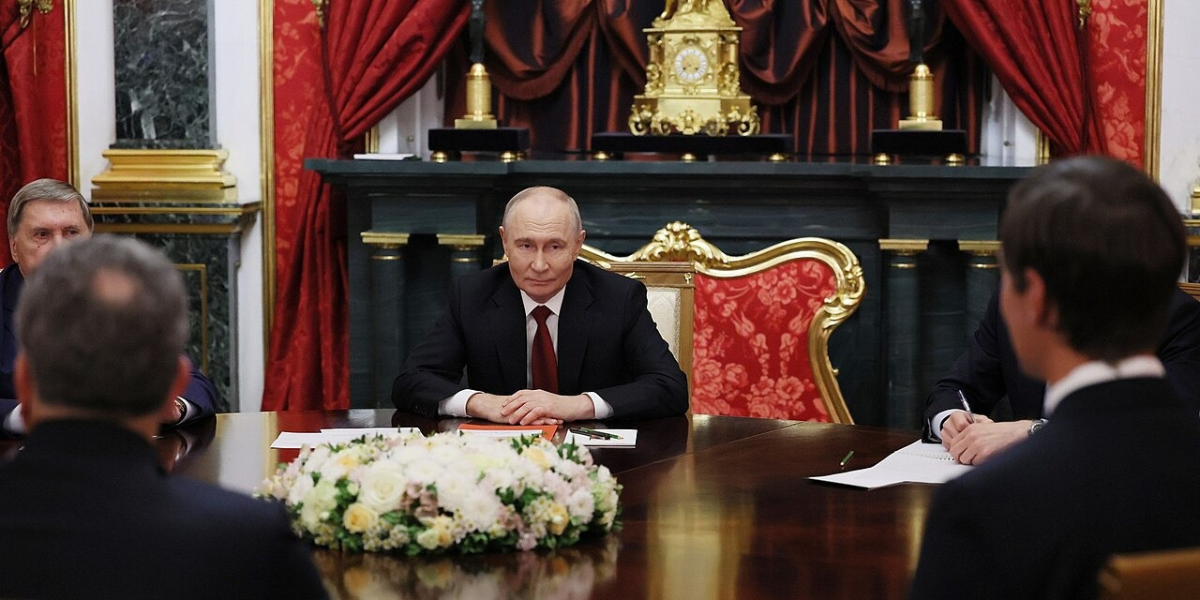
U.S. Envoys Meet Putin as Ukraine Peace Negotiations Resume Without Breakthrough
American diplomatic efforts to end the war in Ukraine entered another stage Thursday as U.S. envoys Steve Witkoff and Jared Kushner met Russian President Vladimir Putin in Moscow following two days of U.S.-mediated discussions between Russian and Ukrainian representatives in Abu Dhabi.
The talks in the United Arab Emirates marked the first direct discussions between the two sides in approximately nine months. Although negotiators did not announce a major breakthrough toward ending the conflict, they reached an agreement on a substantial prisoner exchange, offering a limited humanitarian result amid continued disagreements over territory and security arrangements.
The central obstacles to a settlement remain unresolved. Russia continues to demand recognition of its claims to four Ukrainian regions that Moscow says it has annexed. Ukrainian President Volodymyr Zelenskyy has rejected surrendering occupied territory, maintaining that any agreement must protect Ukraine's sovereignty and security.
Another point of contention involves Europe's role in negotiations and potential postwar security guarantees. U.S. representatives have sought Russian acceptance of European participation in diplomatic discussions, but Moscow remains opposed to certain proposals, particularly the deployment of European troops to Ukraine following a ceasefire. Putin reiterated that such a military presence would be unacceptable to Russia.
The diplomatic activity is taking place against a difficult military and humanitarian backdrop. Russian attacks on Ukrainian energy infrastructure continue as winter approaches, raising concerns about electricity supplies, heating systems and the resilience of civilian services. Ukrainian officials have also reported disruptions affecting satellite communications systems used in military operations, adding another complication to the country's defense capabilities.
Zelenskyy, meeting European leaders in Dublin, indicated that changing political circumstances could create opportunities for diplomacy but maintained Ukraine's opposition to territorial concessions. European governments continue to seek a role in shaping any settlement that could affect the continent's long-term security arrangements.
Attention now turns to whether the Moscow discussions produce a framework for additional negotiations, whether the prisoner exchange proceeds as planned and whether Washington can narrow the substantial differences separating Russian and Ukrainian positions.
Looking Ahead
Washington's political transition, Nvidia's leadership uncertainty and the next round of economic data will shape the immediate U.S. news agenda. Democrats are preparing for congressional control in January as the White House develops its response to potential investigations. Financial markets will be watching Nvidia's management decisions alongside upcoming inflation and housing figures for indications of how technology-sector volatility and broader economic conditions could influence investment and Federal Reserve policy.
Internationally, the outcome of the latest U.S.-Russia discussions will be closely watched for signs of progress toward a ceasefire in Ukraine. The implementation of the proposed prisoner exchange, European involvement in future negotiations and continued attacks on energy infrastructure will provide important measures of whether renewed diplomacy can produce meaningful results before winter conditions intensify.