
Advanced Capital Management Launches No Cost Retirement Income Gap Analysis Across Florida
The new program helps Florida pre retirees compare essential monthly expenses with predictable retirement income before leaving work.
For many Floridians nearing retirement, the most important number is not the balance displayed on a 401(k) statement. It is the number that remains after expected monthly income is compared with the cost of everyday life.
That difference can determine whether retirement feels manageable or uncertain.
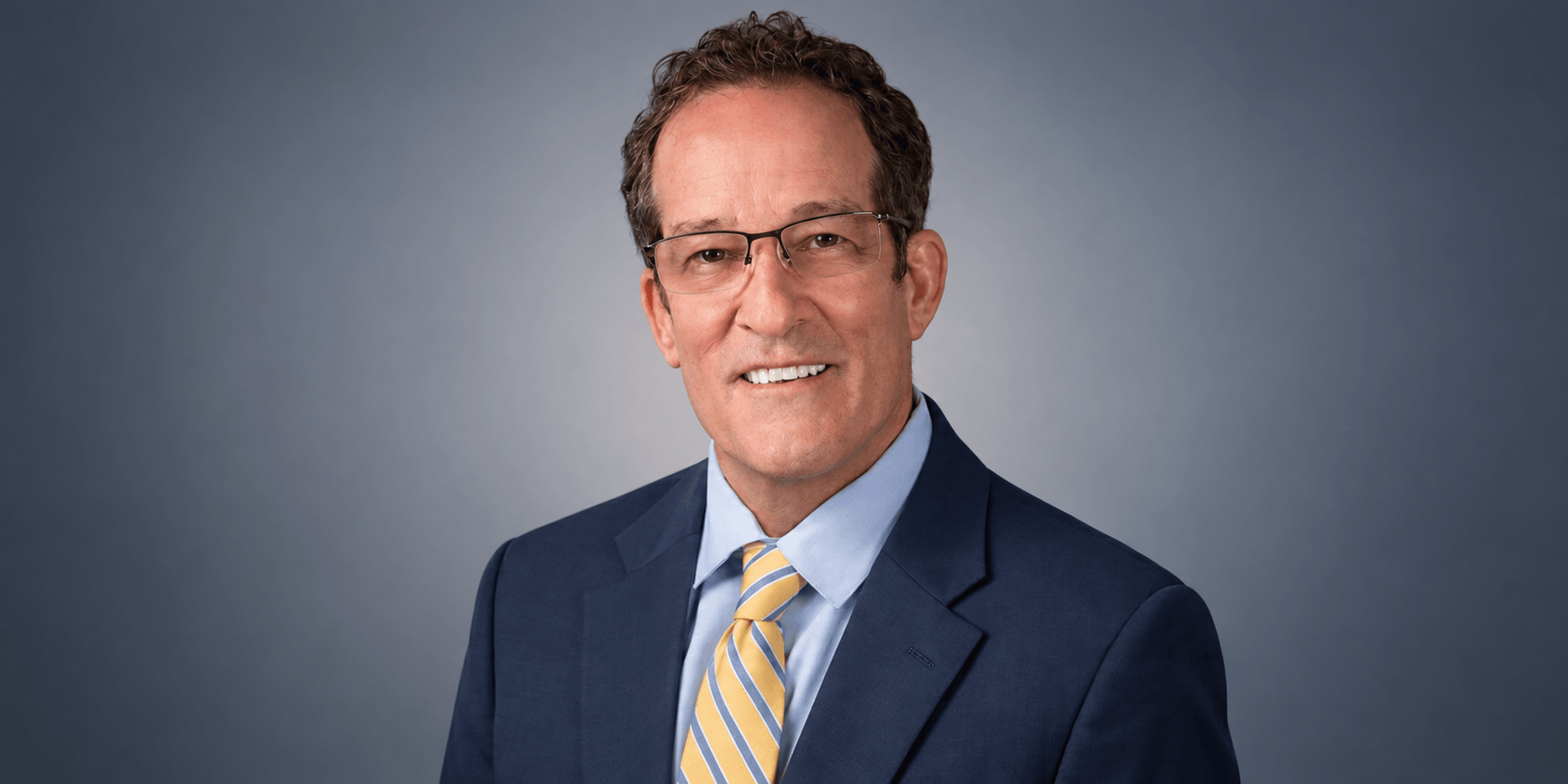
Advanced Capital Management, a St. Petersburg retirement planning firm led by John G. Ziesing, FRC, is putting that calculation at the center of a new initiative for Florida households approaching retirement. The firm has launched a no cost Retirement Income Gap Analysis Program designed to help pre retirees identify the potential shortfall between essential monthly expenses and predictable sources of retirement income.
Rather than beginning with investment products or market forecasts, the program starts with a practical question: How much income will a household need each month, and how much of that amount is already covered?
Advanced Capital Management Puts the Retirement Income Gap Into Numbers
People spend much of their working lives thinking about retirement in terms of accumulation. They contribute to a 401(k), build an IRA, save cash, and watch account balances rise and fall. Eventually, however, the purpose of those assets changes. Savings must begin supporting expenses that were previously covered by a paycheck.
That transition can expose a retirement income gap.
Advanced Capital Management describes the retirement income gap as the difference between the income a household expects from predictable sources and the amount it needs to support its expenses. Social Security and pensions may cover part of the monthly budget. The remaining amount may need to come from retirement accounts, personal savings, investments, or other income sources.
The firm's no cost analysis is intended to make that gap visible before retirement begins.
Consider a hypothetical household that determines it needs $6,500 each month to meet essential expenses. If Social Security and pension income provide $4,300, the household has a $2,200 monthly gap to address. That figure does not dictate a particular solution. Instead, it gives the household a concrete starting point for evaluating how savings might need to support retirement.
For pre retirees who have spent decades focused on building assets, that change in perspective can be significant. A portfolio value answers how much has been accumulated. An income gap analysis asks what those assets may actually need to accomplish.
Why ACM Is Starting With Expenses Instead of Products
Advanced Capital Management's broader financial planning process considers income sources, liabilities, retirement timelines, health care costs, Social Security decisions, and lifestyle objectives. Its planning materials also emphasize quantifying the difference between a household's current financial trajectory and its retirement objectives.
The Retirement Income Gap Analysis Program narrows that process to one of the most immediate questions facing people preparing to leave the workforce.
First, households identify essential monthly expenses. Next, those costs can be compared with predictable retirement income sources. The resulting difference provides a clearer picture of how much additional monthly income may need to come from accumulated assets.
This matters because two households with identical retirement savings can face very different situations. One may have a pension, relatively low fixed expenses, and substantial Social Security income. Another may enter retirement with higher housing costs and no pension. Looking only at their investment balances could obscure those differences.
ACM's approach therefore shifts attention from a generalized savings target to the household's individual cash flow requirements.
The analysis can also create a framework for discussing questions that might otherwise remain vague. How much must savings provide each month? Which expenses are essential and which are discretionary? How would the numbers change if retirement were delayed? What happens when one income source changes?
Those questions turn retirement from an abstract milestone into a set of decisions that can be examined before a final retirement date is chosen.
A Florida Focus for Households Approaching Retirement
The statewide focus reflects Advanced Capital Management's established work in Florida. The firm was founded by Ziesing in 1986 and is headquartered in St. Petersburg. Its services include retirement income planning, insurance solutions, annuity strategies, and benefits coordination.
For Ziesing, retirement income planning is ultimately about connecting accumulated assets with the life those assets are expected to support.
That philosophy is particularly relevant at the point when someone is considering leaving work. Retirement introduces a fundamentally different financial rhythm. Instead of receiving a regular paycheck and adding to savings, retirees may begin drawing from accounts they spent decades building.
At that stage, uncertainty can come from not knowing what the monthly numbers actually look like.
The Retirement Income Gap Analysis Program is designed to give Florida pre retirees a clearer starting point. It does not eliminate investment risk, inflation, longevity risk, or unexpected expenses. Nor does identifying a gap by itself determine which strategy is appropriate for a particular household. What it can do is define the financial question more precisely.
Once the gap is quantified, households can evaluate possible strategies in context rather than making decisions around a vague fear of not having enough.
From A Retirement Balance to A Retirement Paycheck
This is where Advanced Capital Management's new program takes a different angle on a familiar retirement conversation.
The central question is not simply, "How much have you saved?"
It is, "What will your savings be required to provide?"
For a household five years from retirement, discovering a potential income shortfall may create time to reconsider spending, savings rates, retirement timing, Social Security decisions, or other parts of the plan. For someone closer to retirement, the analysis can help organize existing income sources and clarify what portion of monthly expenses remains uncovered.
ACM's existing planning process reviews a client's broader retirement picture, including Social Security, pensions, investments, and existing annuities, before mapping where income gaps may exist. The firm states that it compares potential approaches and their tradeoffs as part of that process.
That educational focus is important because identifying an income gap is not the same as recommending a financial product. Different households may have different resources, priorities, liquidity requirements, and tolerance for risk.
The value of the analysis begins with knowing the size of the problem, if one exists.
Know the Gap Before the Last Paycheck
Retirement decisions can feel permanent, especially when someone has already chosen a final day of work. Advanced Capital Management's Retirement Income Gap Analysis Program gives Florida pre retirees an opportunity to examine the monthly numbers before reaching that point.
Households interested in the program can explore Advanced Capital Management and its retirement planning services to learn more about the firm's approach. They can also review information about John G. Ziesing, FRC and the firm's experience in retirement income planning. You can also follow his socials through YouTube, and Facebook.
For Floridians approaching retirement, the exercise starts with two numbers: what essential life is expected to cost each month and how much predictable income is already available to pay for it. The distance between those numbers may be one of the most useful figures to know before the working years end.