
Amazon Faces Federal Showdown as Washington Returns to a September Deadline
The final day of August brought a fresh confrontation between regulators and one of America’s largest technology companies, while Congress returned to Washington with another government-funding deadline approaching. A divided Supreme Court cleared the way for continued construction of President Donald Trump’s White House ballroom, financial markets absorbed another surge in oil prices, and a deadly flash flood left the Grand Canyon confronting a major rescue and infrastructure crisis.
FTC and 22 States Sue Amazon Over Advertising Prices
The Federal Trade Commission and attorneys general from 22 states filed a sweeping lawsuit against Amazon on Monday, alleging that the company secretly inflated the prices paid by businesses advertising products on its platform. The FTC says the practices affected more than one million brands and sellers over several years and potentially extracted tens of billions of dollars in additional advertising charges.
The complaint focuses on Amazon’s auctions for advertising placements, including Sponsored Products. Regulators allege that Amazon manipulated auction pricing through undisclosed mechanisms that resulted in advertisers paying more than ordinary competition would have produced. More than 500,000 small and medium-sized businesses were among the advertisers affected, according to the FTC. Amazon rejected the allegations, calling the government’s characterization of its advertising system fundamentally flawed and denying that it engaged in a companywide effort to deceive customers.
The case opens another major front in Washington’s scrutiny of dominant technology platforms. Beyond the immediate dispute over advertising, regulators argue that the alleged overcharges carried broader consequences because businesses could ultimately pass higher marketing expenses on to consumers.
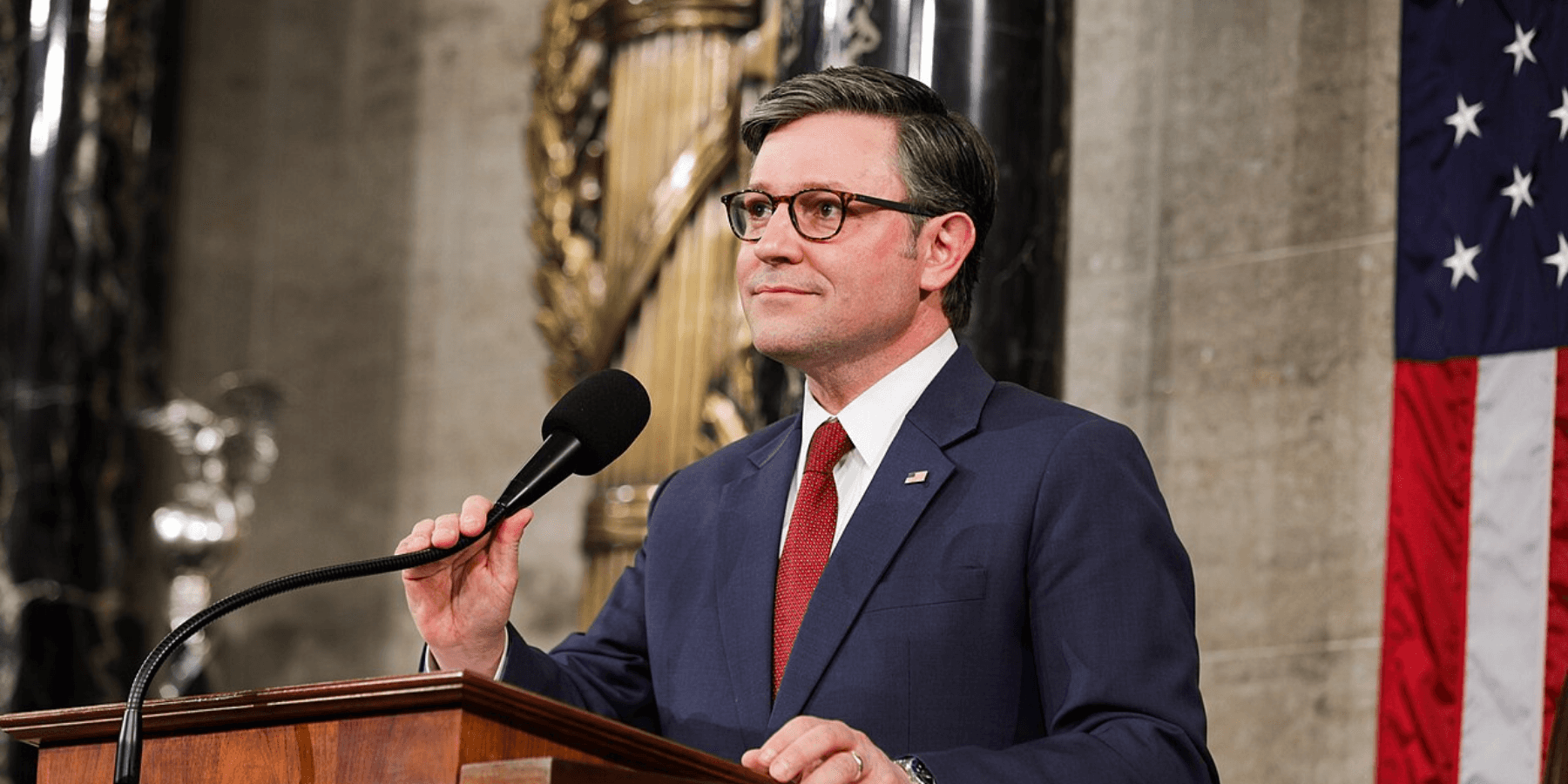
Photo Credit: Office of Congressman Mike Johnson/Wikimedia
Congress Returns With Government Funding Deadline Approaching
House lawmakers returned to Washington on Monday following a five-week recess, with avoiding a government shutdown at the top of the legislative agenda. Current federal funding expires September 30, giving Congress a narrow window to approve legislation before the new fiscal year begins.
Lawmakers are considering a short-term measure that would generally maintain government funding into December, pushing the next major spending decision beyond the November midterm elections. Speaker Mike Johnson and other congressional leaders are seeking bipartisan support for the legislation as lawmakers attempt to avoid another disruptive funding lapse.
The funding fight is unfolding alongside election-year political maneuvering. Republicans are also pursuing votes designed to sharpen contrasts with Democrats ahead of the midterms, while other major legislation — including proposed sanctions targeting Russia — remains caught in broader disagreements over presidential authority and congressional priorities.
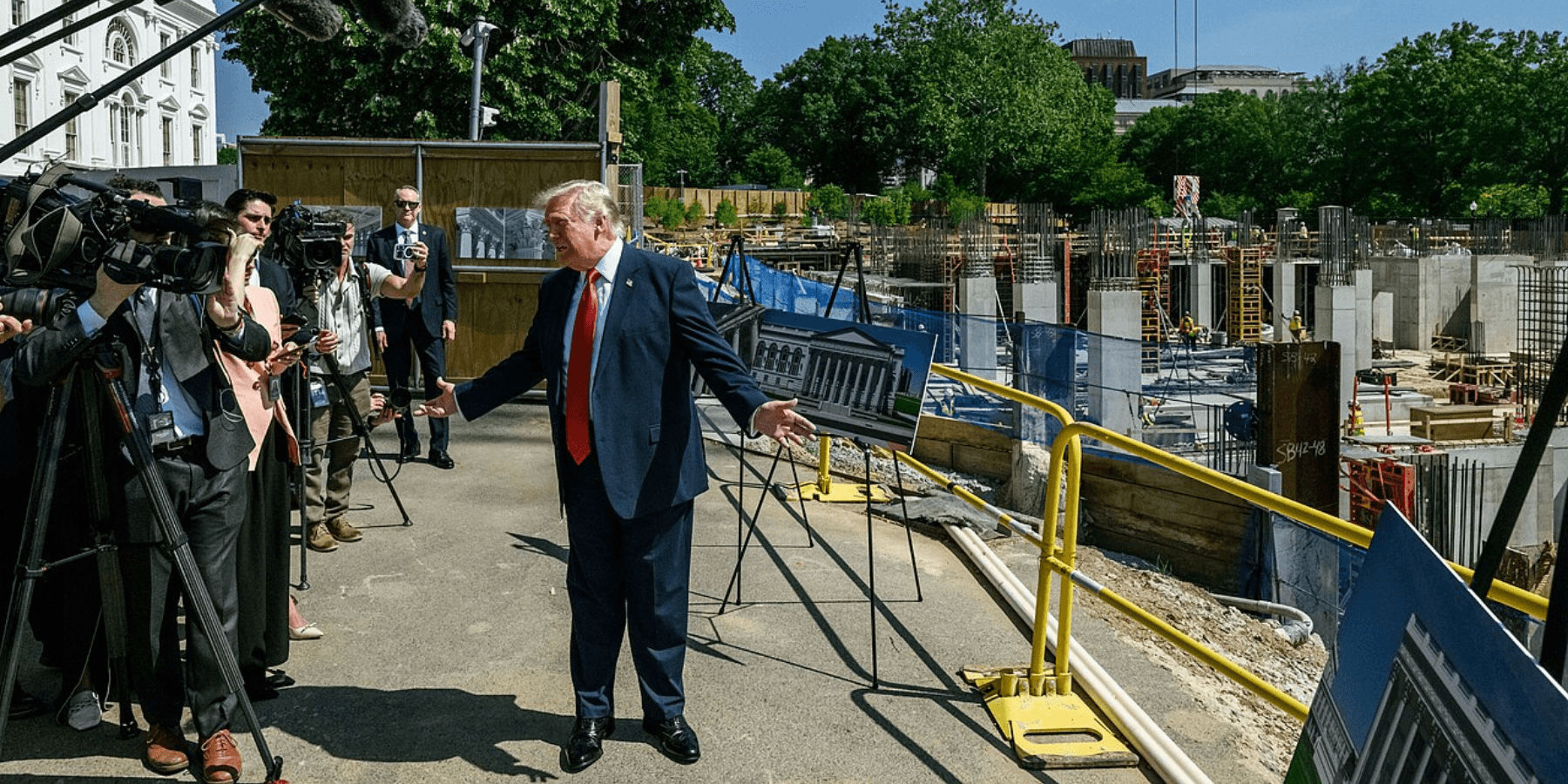
Photo Credit: The White House/Wikimedia
Supreme Court Allows White House Ballroom Construction to Continue
The Supreme Court handed the Trump administration a significant procedural victory Monday, allowing construction of President Trump’s planned $400 million White House ballroom to continue while litigation over the project moves through the courts. In a 5-4 decision, the justices paused lower-court rulings that would have stopped above-ground construction of the roughly 90,000-square-foot addition.
The majority did not determine whether the ballroom project itself is lawful. Instead, the court concluded that the National Trust for Historic Preservation, which challenged the construction, was unlikely to have legal standing to bring its case. Chief Justice John Roberts joined the court’s three liberal justices in dissent and raised concerns about separation of powers and the absence of congressional approval.
The underlying lawsuit will continue, but the Supreme Court’s intervention allows construction to advance in the meantime. The dispute has become a broader test of how far a president can go in substantially altering the White House complex without explicit authorization from Congress.
Photo Credit: Chris Li/Unsplash
Wall Street Slips as Oil and Treasury Yields Rise
U.S. stocks finished lower Monday as rising oil prices and higher Treasury yields put pressure on investors at the end of an otherwise positive month for equities. The Dow Jones Industrial Average fell about 0.7%, the S&P 500 declined roughly 0.3%, and the Nasdaq Composite slipped about 0.1%. Despite Monday’s losses, all three major indexes recorded gains for August.
Energy prices were a central concern. Brent crude climbed back above $90 a barrel amid renewed fears of supply disruption in the Middle East, while the benchmark 10-year Treasury yield rose to roughly 4.75%. Investors are simultaneously reassessing the path of Federal Reserve policy after Chair Kevin Warsh recently emphasized persistent inflation risks.
Attention now shifts to a series of September economic reports, particularly employment and inflation data. Those numbers could influence whether Federal Reserve policymakers decide that additional monetary tightening is necessary, making the coming weeks consequential for borrowing costs, financial markets and the broader economy.
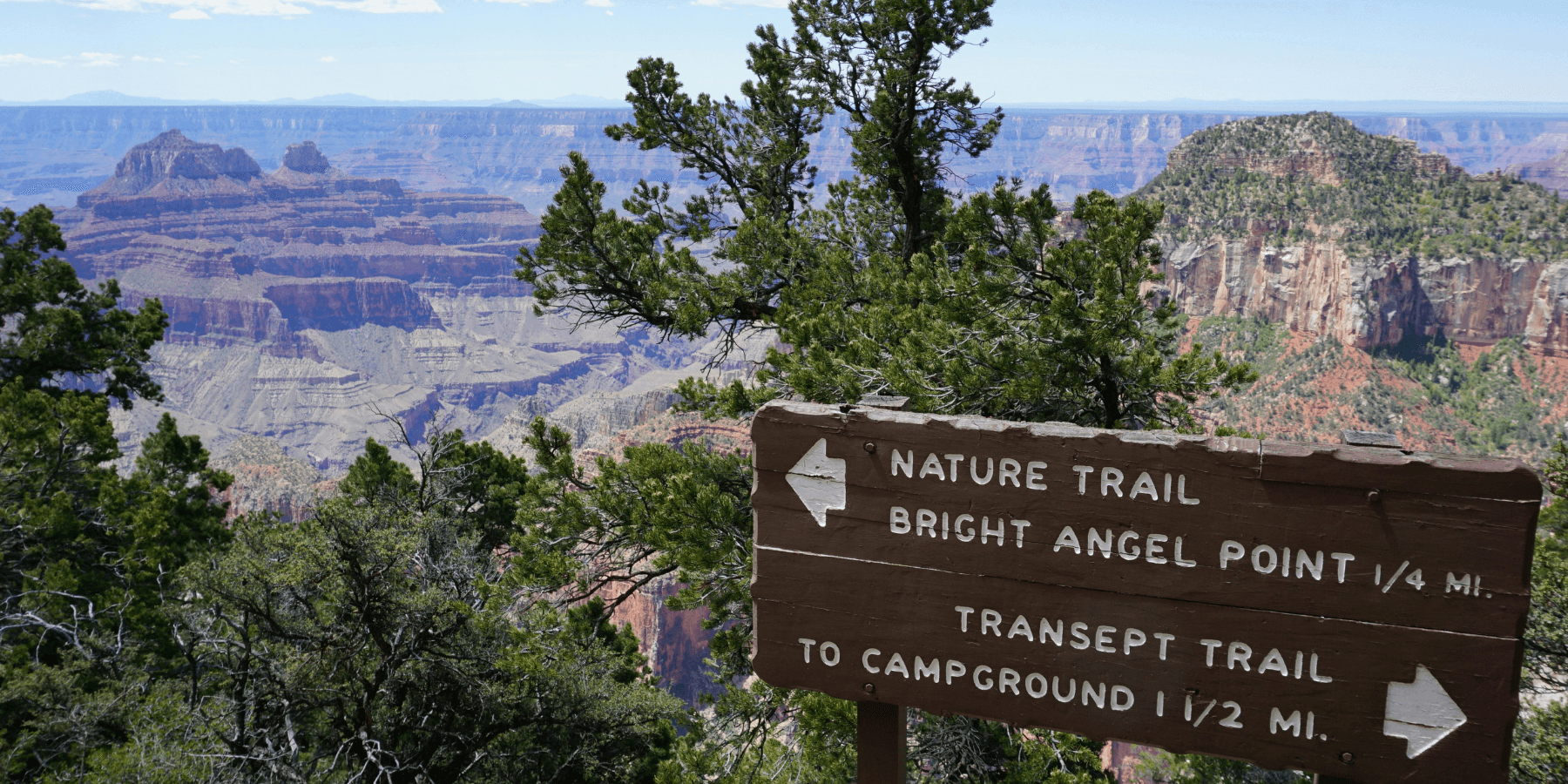
Photo Credit: Roger Lipera/Unsplash
Grand Canyon Flood Leaves Two Dead and Dozens Rescued
A massive emergency operation continued Monday at Grand Canyon National Park after weekend flash flooding killed two people and forced rescuers to evacuate about 80 others. By Monday evening, officials said one person remained unaccounted for as crews continued searching the remote Bright Angel Canyon area.
The flood also severely damaged the Transcanyon Waterline, the only pipeline supplying water to much of the park. Officials imposed emergency conservation measures, barred tourists from staying overnight in park hotels and lodges, and began assessing what could amount to miles of damaged pipeline. The destruction also threatens to complicate a $208 million modernization project intended to improve the aging water system.
The disaster underscored the difficulties of emergency response in the canyon’s isolated terrain, where helicopters were required for many evacuations. With additional storms possible and critical infrastructure damaged, park officials face an extended recovery effort even after the immediate search operation concludes.
Looking Ahead
September opens with Washington facing simultaneous legal, political and economic tests. Amazon must begin responding to one of the most consequential federal-state regulatory cases currently facing a major technology company, while Congress has only weeks to prevent a government shutdown. The White House ballroom dispute will return to the lower courts even as construction proceeds, and investors will closely watch employment, inflation and Federal Reserve signals after renewed pressure from oil and bond markets. At the Grand Canyon, meanwhile, the search for the remaining missing person and the scale of damage to the park’s water system will determine how quickly one of the nation’s most visited public lands can return to normal operations.