
How Red Light Therapy at Home Can Help Improve Your Personal Wellness
Explore how at-home red light therapy may support personal wellness, what research says about its benefits, and how to choose and use devices safely.
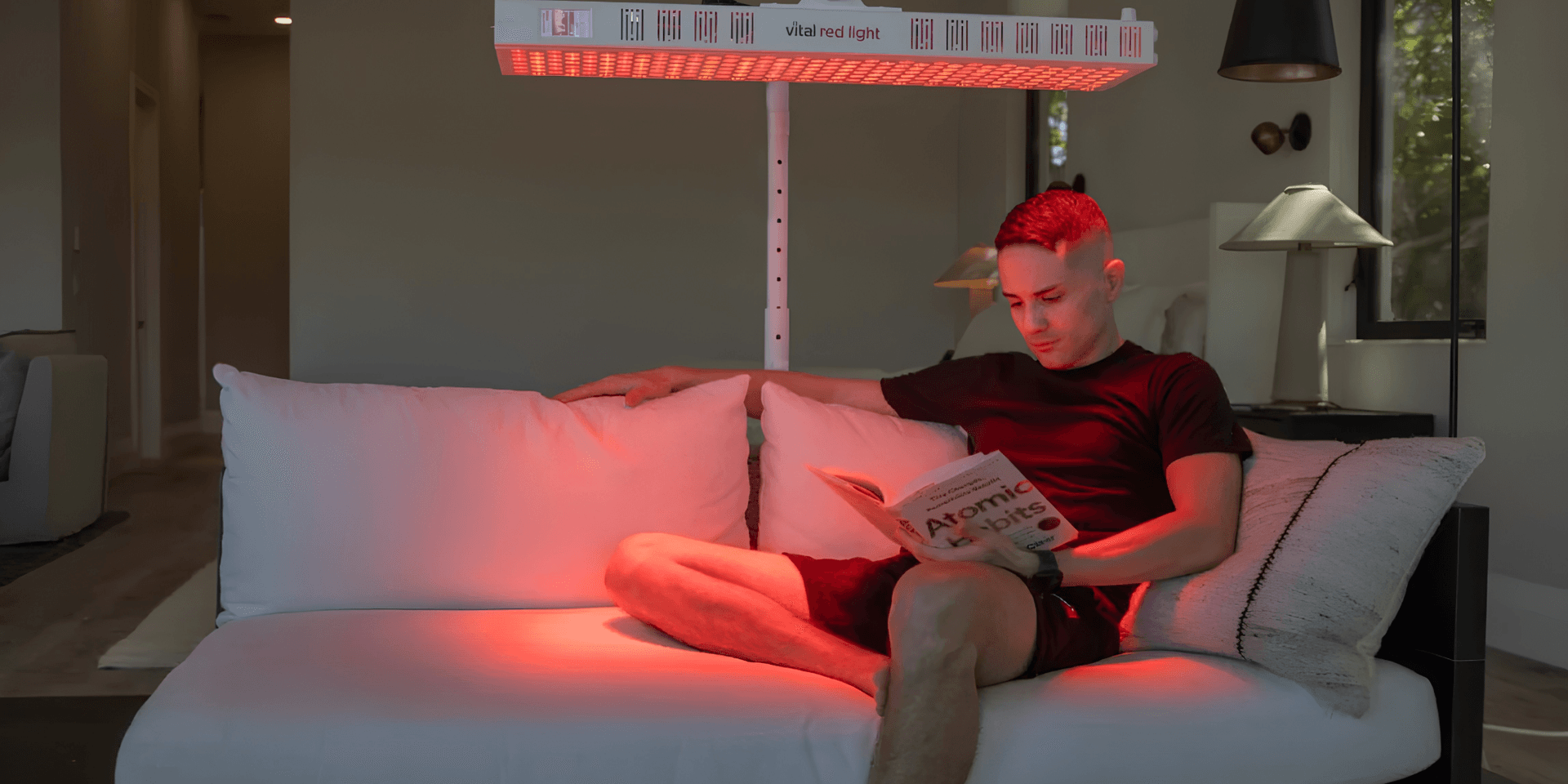
Personal wellness has become increasingly personal. From skincare routines to home fitness equipment, people are exploring ways to care for themselves without adding more appointments to their schedules.
Red light therapy has become part of this trend. Once associated mainly with specialized clinics, red and near-infrared light devices are now available for home use, including LED face masks, handheld devices, and larger panels.
But how can consumers distinguish a useful wellness tool from a product that promises more than it can deliver? The answer starts with understanding what red light therapy is, what research supports, and how to use the technology responsibly.
Understanding Photobiomodulation
Red light therapy, also known as photobiomodulation, uses specific wavelengths of red or near-infrared light to interact with biological tissue. Researchers have investigated its potential applications in skin health, hair loss, wound healing, and certain types of pain.
A 2025 evidence-based consensus published in the Journal of the American Academy of Dermatology reviewed clinical applications of photobiomodulation and identified evidence supporting specific uses, including certain types of hair loss, peripheral neuropathy, wound ulcers, and acute radiation dermatitis.
Read the 2025 evidence-based consensus on photobiomodulation.
These findings help explain the technology's growing popularity. However, they do not mean every consumer device delivers the same results or is appropriate for every wellness concern.
Understanding this distinction is essential when deciding whether red light therapy belongs in your routine.
At-Home Devices: Convenience and Effectiveness
Consumers can choose from LED masks designed for facial skincare, handheld devices for smaller treatment areas, and panels intended to cover larger areas of the body.
The convenience is appealing because users can follow an appropriate treatment schedule at home. However, convenience does not guarantee effectiveness.
Devices vary in wavelength, light output, treatment area, and intended use. Research supporting one application may not apply to another.
A systematic review of home-based dermatologic devices found varying levels of evidence across technologies and conditions. It identified support for certain applications of home-use LED devices, including acne, while noting limitations in the available research and long-term evidence.
Explore the systematic review of home-based dermatologic devices.
Rather than choosing a device based on popularity or appearance, start with your specific goal and investigate whether the product is designed and studied for that purpose.
What Does Research Say About Red Light Therapy?
Red light therapy is sometimes marketed for multiple benefits, from smoother-looking skin to hair growth and recovery. However, evidence for one application does not establish effectiveness for every advertised benefit.
A more useful question is whether a specific treatment has demonstrated benefits for a particular outcome.
For example, a 2025 systematic review and meta-analysis published in JAMA Dermatology examined six studies involving 216 participants who used at-home LED devices for acne. Researchers found that red and/or blue light devices were associated with reductions in inflammatory and noninflammatory acne lesions, with improvements generally observed after several weeks.
Read the systematic review of at-home LED devices for acne.
This provides encouraging evidence for a specific application, but it does not prove that all red light devices work equally well or address every skin concern.
Consumers should consider which benefits have been studied, how strong the evidence is, and what questions remain unanswered.
How to Choose a Red Light Therapy Device
Shopping for red light therapy can be overwhelming. Product descriptions often highlight wavelengths, LED counts, power output, and treatment timers. These specifications matter, but only when considered alongside the device's intended use and supporting evidence.
Before purchasing, consider four factors:
1. Identify your goal.
Be specific about the concern you want to address. A device intended for facial skincare may not be suitable for another application. Look for products designed for your needs and research that evaluates relevant outcomes.
2. Check the specifications.
Review the stated wavelengths, treatment instructions, and intended use. Vague claims such as "medical-grade light" are not enough to evaluate a product's suitability.
3. Understand its regulatory status.
Some devices have FDA clearance for specific uses. Clearance should not be interpreted as proof that a device delivers every benefit advertised by its manufacturer.
The American Academy of Dermatology notes that research into at-home red light devices is promising for certain skin and hair concerns, but results vary and further research is needed.
Read the American Academy of Dermatology's guidance on red light therapy.
4. Consider whether you can follow the instructions.
Choose a device with clear directions and a treatment schedule that fits your routine. The most suitable option is not necessarily the one with the most features, but one that matches your intended use and has credible evidence behind it.
Using Red Light Therapy Safely and Consistently
At-home devices can fit into existing habits, such as an evening skincare routine or a scheduled weekly treatment. Consistency can help users follow a recommended protocol, but it does not mean increasing exposure or using a device more frequently than directed.
Treatment parameters depend on the device and its intended application. Longer sessions are not automatically more effective, and different products should not be treated as interchangeable.
Follow the manufacturer's instructions regarding exposure time, distance, and eye protection. If you experience unexpected irritation or discomfort, stop using the device and seek appropriate guidance.
People with photosensitivity conditions, those taking medications that increase light sensitivity, and anyone with relevant medical concerns may need professional advice before starting treatment.
The goal is to make self-care manageable, not to create another routine that requires constant experimentation.
The Difference Between Self-Care and Self-Treatment
At-home wellness technology offers more options, but it also places greater responsibility on consumers.
There is a difference between using a device for a defined wellness goal and attempting to manage a medical problem without understanding its cause.
Persistent pain, unexplained hair loss, unusual skin changes, or wounds that are not healing warrant appropriate medical evaluation. A consumer device should not delay diagnosis or replace treatment recommended by a qualified healthcare professional.
Red light therapy may have a role in certain evidence-supported applications, but its usefulness depends on the condition, device, and treatment approach. Professional guidance can help determine whether it is appropriate, particularly for people managing existing conditions or combining treatments.
Self-care and professional care can complement each other.
Making Room for Technology Without Chasing Trends
The wellness industry continually introduces new products, but a longer routine is not automatically a healthier one.
A useful wellness practice should have a clear purpose, fit your circumstances, and offer benefits that justify its cost, time, and effort. Sometimes that means trying a new technology; other times, it means deciding that a product is unnecessary.
Red light therapy is worth evaluating on these terms. Research supports certain applications, while other uses remain less established. Device differences, treatment protocols, and marketing claims all deserve careful consideration.
The technology does not need to be a miracle to be worth studying. Nor does everyone need to own a device to maintain a meaningful wellness routine.
The most thoughtful approach is to stay curious, review the evidence, and choose practices that make sense for your needs. Personal wellness is not about accumulating the most technology. It is about making informed decisions that support your well-being.
Disclaimer: This article is for informational and educational purposes only and is not intended to provide medical advice, diagnosis, or treatment. Red light therapy should not be considered a substitute for professional medical care. Red light therapy itself is not FDA-approved as a treatment for any specific disease or medical condition, although individual red light therapy devices may be FDA-cleared for specific intended uses. Always consult a qualified healthcare professional with questions about a medical condition or before beginning a new treatment.