Ballots, Borders, and Global Tensions Shape America’s Week Ahead
The United States enters the second week of June facing a mix of domestic political battles, economic uncertainty, immigration disputes, and growing international pressures. From closely watched elections in California to ongoing debates over federal spending and border enforcement, national attention remains focused on decisions that could influence both the 2026 midterm elections and the broader direction of federal policy. Meanwhile, global security concerns continue to reverberate at home as officials prepare for major international events and navigate tensions in the Middle East.

By
Jun 6, 2026
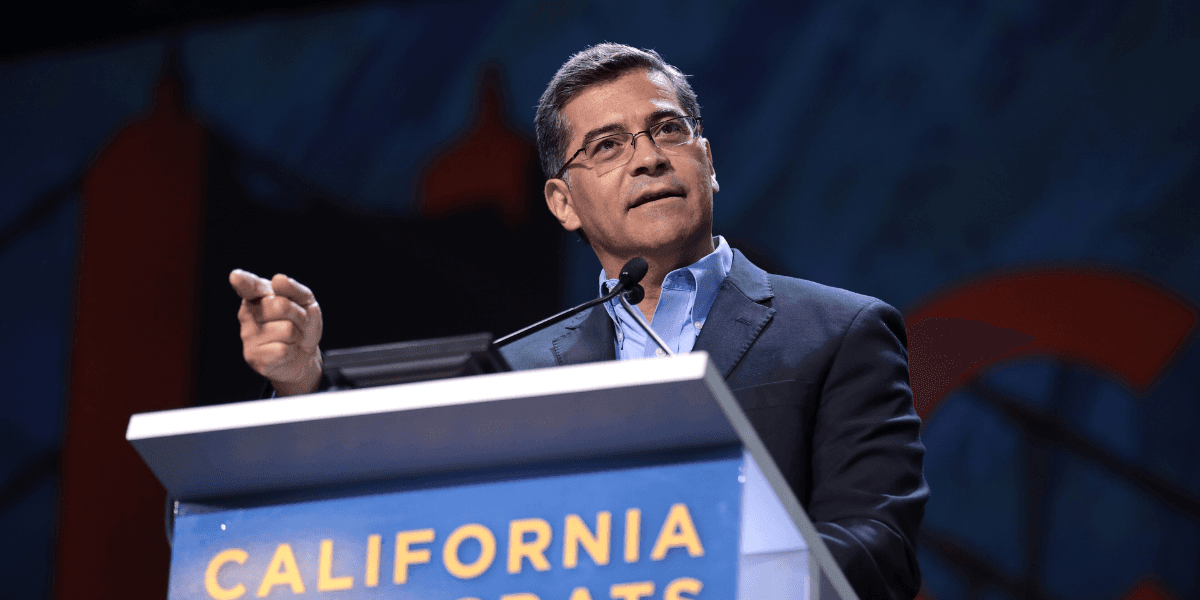
California Emerges as a Political Bellwether
California’s primary elections delivered some of the most significant political developments of the week. Former Health and Human Services Secretary Xavier Becerra secured enough support to advance to the November gubernatorial election, solidifying his position as a leading Democratic contender in the nation’s largest state. However, vote counting continues in several major races, leaving other key matchups unresolved.
The Los Angeles mayoral contest remains particularly competitive, with additional ballots still being processed. Political analysts are watching these races closely because they offer an early indication of voter sentiment ahead of the 2026 midterm elections. California’s results may also provide clues about how voters are responding to national issues such as affordability, immigration, and federal governance.
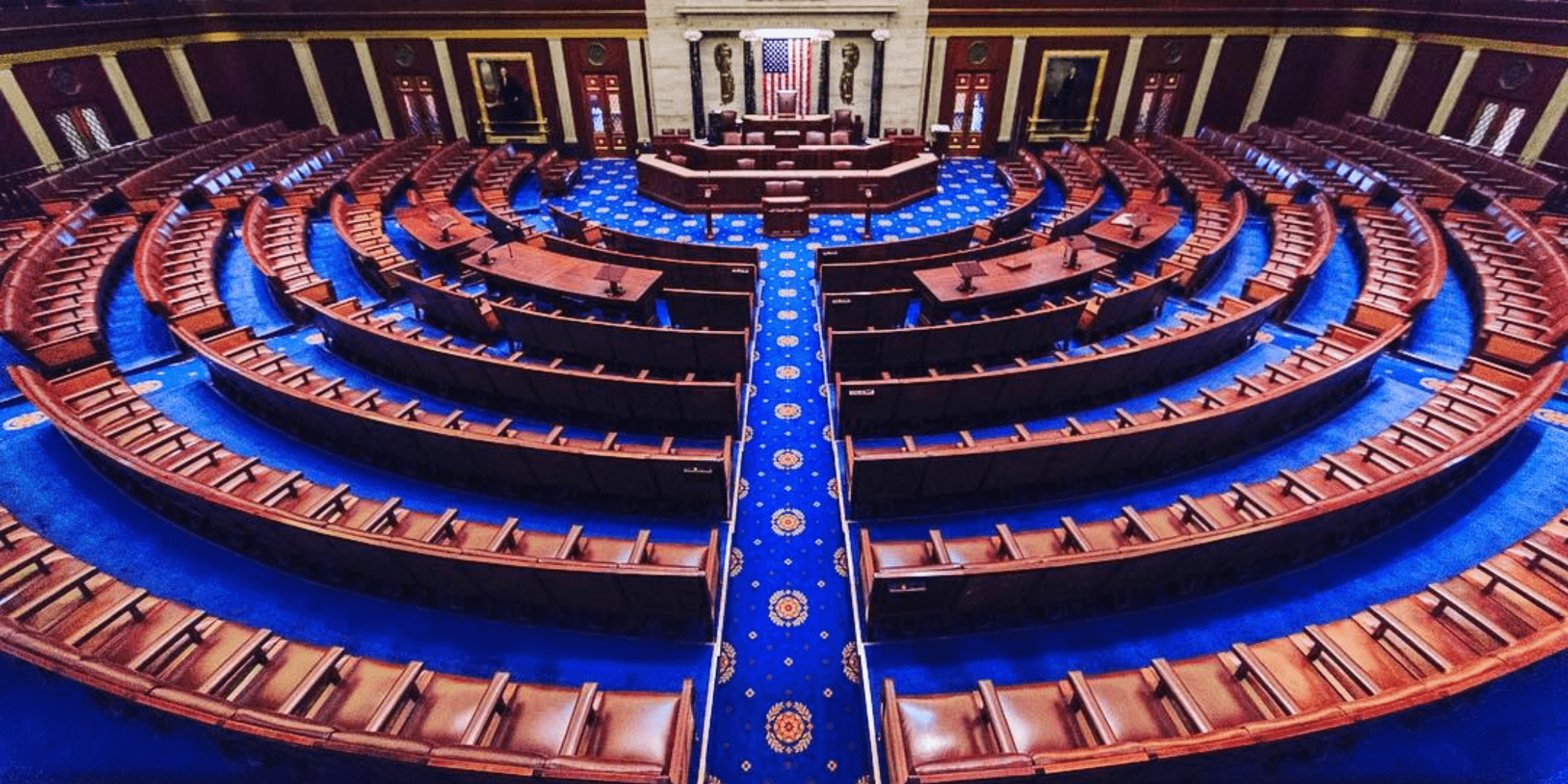
United States House of Representatives chamber at the United States Capitol in Washington, D.C.
Photo Credit: United States House of Representatives/Wikimedia
Congress Advances Immigration and Spending Battles
In Washington, congressional Republicans continued to push forward major policy initiatives tied to immigration enforcement and federal spending. Senate Republicans blocked a Democratic effort to prevent the creation of a controversial $1.8 billion compensation fund proposed by President Donald Trump for political allies, including individuals connected to January 6-related cases. The proposal remains politically contentious and is expected to face continued scrutiny.
At the same time, lawmakers moved ahead with discussions surrounding a large immigration-enforcement funding package. The debate reflects the continued prominence of border security and immigration policy as central issues in federal politics. Several court rulings and legal challenges are also shaping how immigration policies are implemented nationwide.

Photo Credit: Lo Lo/Unsplash
Economic Signals Show Resilience Amid Uncertainty
Economic data released this week offered a mixed but generally positive picture of the U.S. economy. Employers added approximately 172,000 jobs in May, outperforming many economists’ expectations and suggesting that the labor market remains resilient despite concerns about slowing growth.
Meanwhile, mortgage rates edged lower, with average 30-year fixed rates falling to around 6.5 percent. While borrowing costs remain elevated compared with the historically low rates seen earlier in the decade, the decline provides some relief for prospective homebuyers. Attention is now turning to the Federal Reserve’s upcoming policy meeting, where officials are expected to weigh persistent inflation concerns against signs of economic moderation.
These developments come as voters continue to rank cost-of-living concerns among their top priorities, making economic performance a major factor in the political landscape heading into next year’s elections.
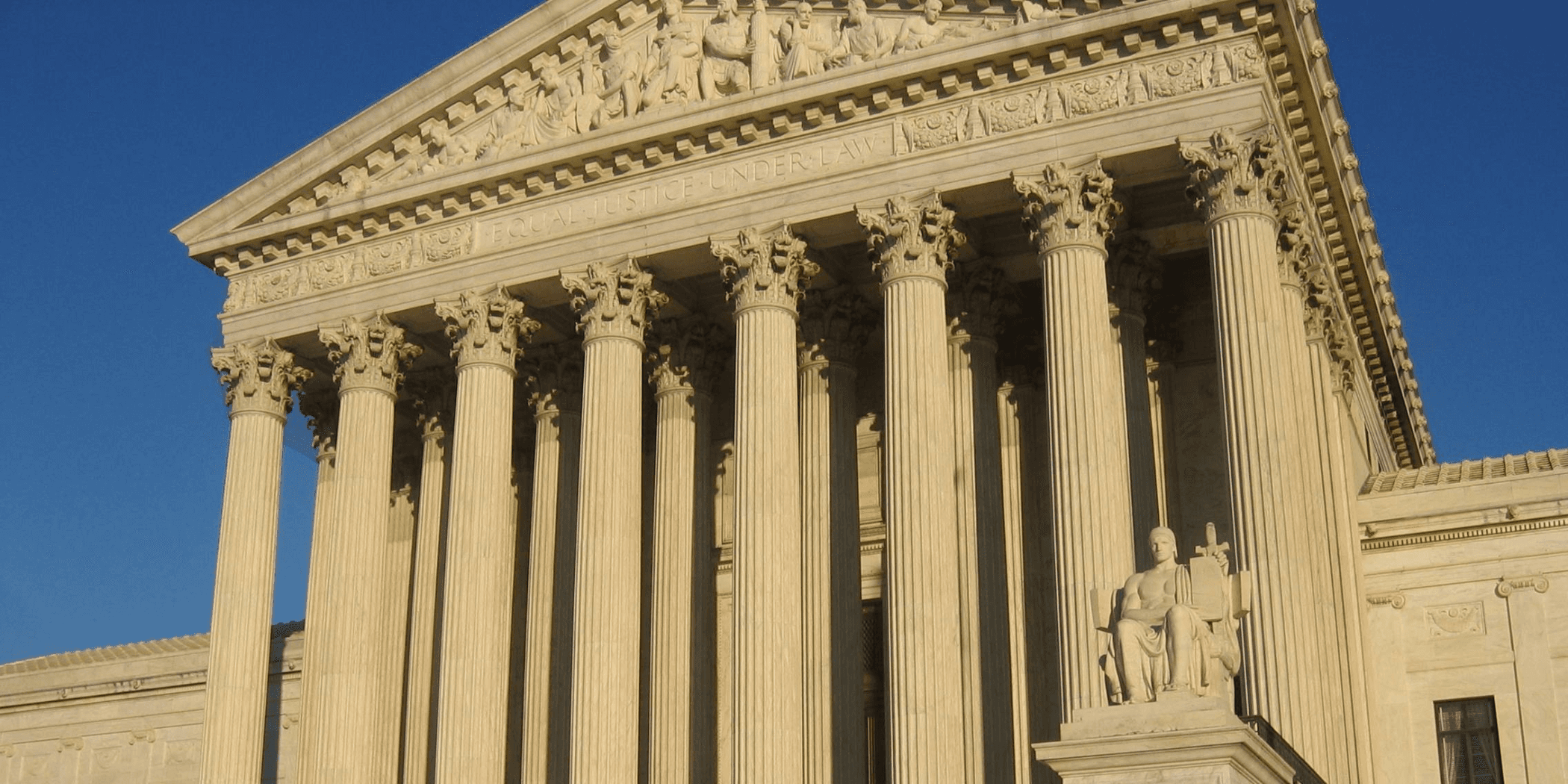
Photo Credit: Duncan Lock, Dflock/Wikimedia
Courts and Federal Agencies Remain at the Center of Policy Disputes
The federal judiciary played a significant role this week as judges weighed challenges involving immigration policy, executive authority, and federal administration. One federal judge blocked measures that had limited access to asylum, green cards, and other immigration benefits, marking another legal setback for administration policies.
Separately, debates intensified over the future structure of the intelligence community after President Trump signaled support for reducing the size of the Office of the Director of National Intelligence. The discussion reflects broader efforts by the administration to reshape federal agencies and continues to generate debate among lawmakers and national security experts.
Legal challenges involving federal student loan policies, immigration enforcement, and executive authority are also advancing through the courts, ensuring that judicial decisions will remain a major influence on national policymaking in the months ahead.
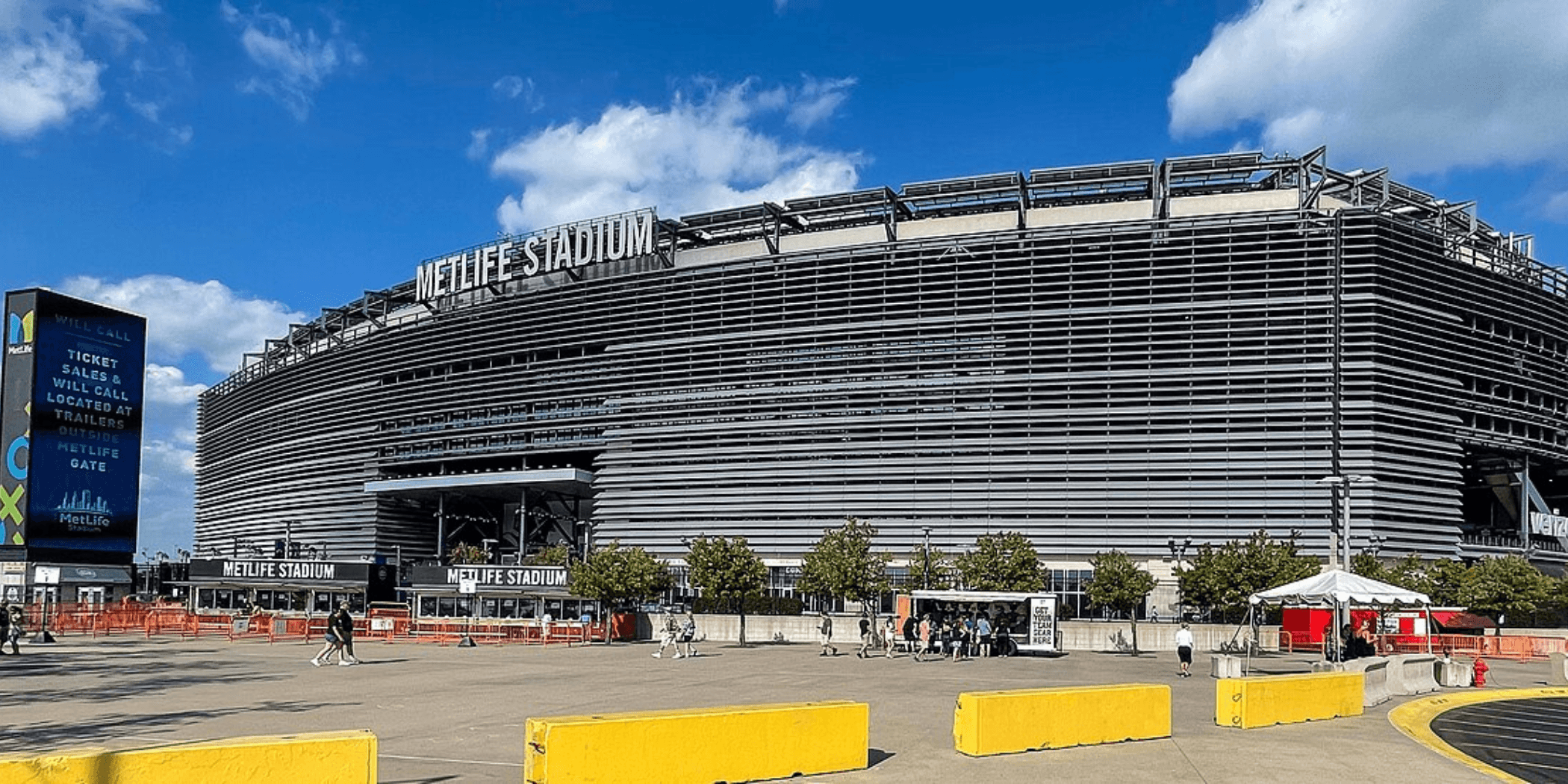
The 2026 FIFA World Cup final will take place at MetLife Stadium (rebranded as New York New Jersey Stadium for the tournament) in East Rutherford, New Jersey, USA
Photo Credit: Kenneth C. Zirkel/Wikimedia
Security Concerns Grow as Global Events Impact the United States
International developments continued to shape domestic priorities. Ongoing tensions involving Iran and U.S. interests in the Middle East remain a major focus for policymakers and defense officials. The situation has influenced energy markets, security planning, and congressional oversight discussions.
At the same time, federal agencies are preparing for the unprecedented security demands of the 2026 FIFA World Cup. The tournament, which will bring millions of visitors to the United States, is prompting extensive coordination among federal, state, and local authorities. Officials are deploying advanced technologies, expanding surveillance capabilities, and developing strategies to counter threats ranging from drone attacks to AI-driven disinformation campaigns.
The scale of the preparations highlights the growing connection between global events and domestic security planning, particularly at a time of heightened geopolitical uncertainty.
Looking Ahead
The coming week will bring continued vote counting in California, further congressional debate over immigration and spending measures, and heightened attention to economic indicators ahead of the Federal Reserve’s June meeting. Legal challenges involving immigration and executive authority are expected to advance through the courts, while developments in the Middle East and final preparations for the 2026 World Cup will remain key national security concerns. Together, these stories will continue to shape the political and policy environment as the nation moves deeper into an already consequential election cycle.