
Shifting Priorities: Diplomacy, Domestic Politics, and Economic Crosscurrents Shape America's Day
The national conversation today was defined by a mix of foreign policy diplomacy, domestic political maneuvering, economic uncertainty, and evolving federal priorities. While attention remained fixed on negotiations involving Iran and the Strait of Hormuz, political developments at home—from immigration policy to congressional investigations—underscored the busy summer ahead of the 2026 midterm elections. Markets and policymakers alike continued to weigh the implications of both international events and domestic policy decisions.
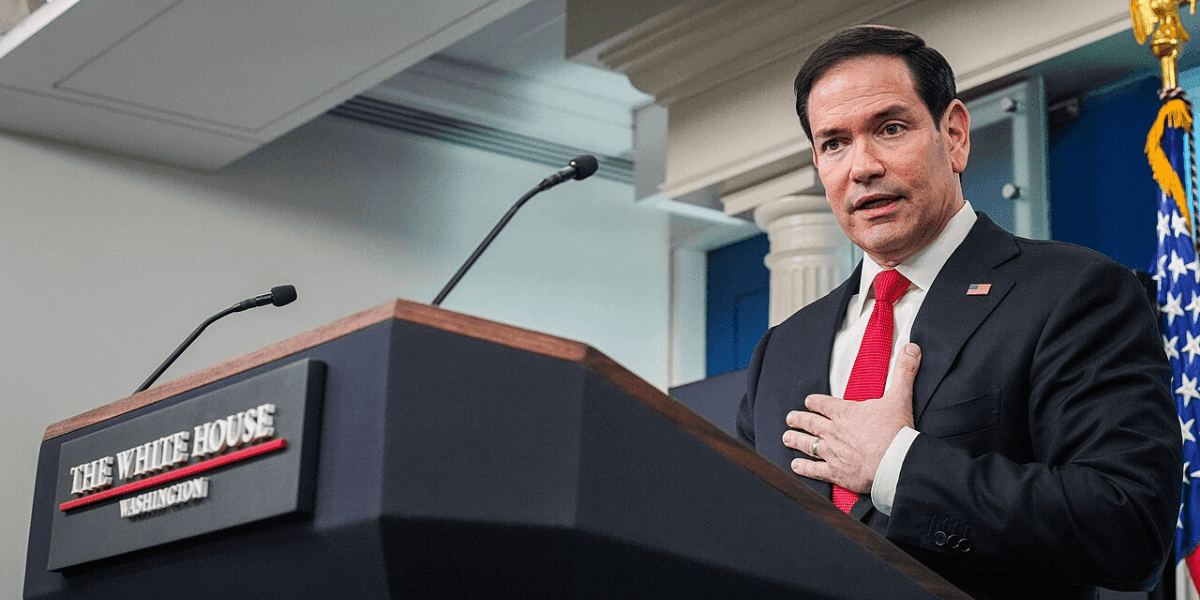
U.S. Pushes for Diplomatic Breakthrough With Iran
The Trump administration continued to prioritize negotiations with Iran in hopes of reopening the Strait of Hormuz, one of the world's most important energy shipping lanes. President Donald Trump has described the current talks as a critical opportunity to avoid renewed military escalation, while Secretary of State Marco Rubio said officials believe an agreement could be reached soon if negotiations remain productive.
Although optimism has increased, significant issues remain unresolved, including transit arrangements through the Gulf and broader questions surrounding Iran's nuclear program. Any lasting agreement would have major implications for global energy markets, U.S. foreign policy, and regional security.
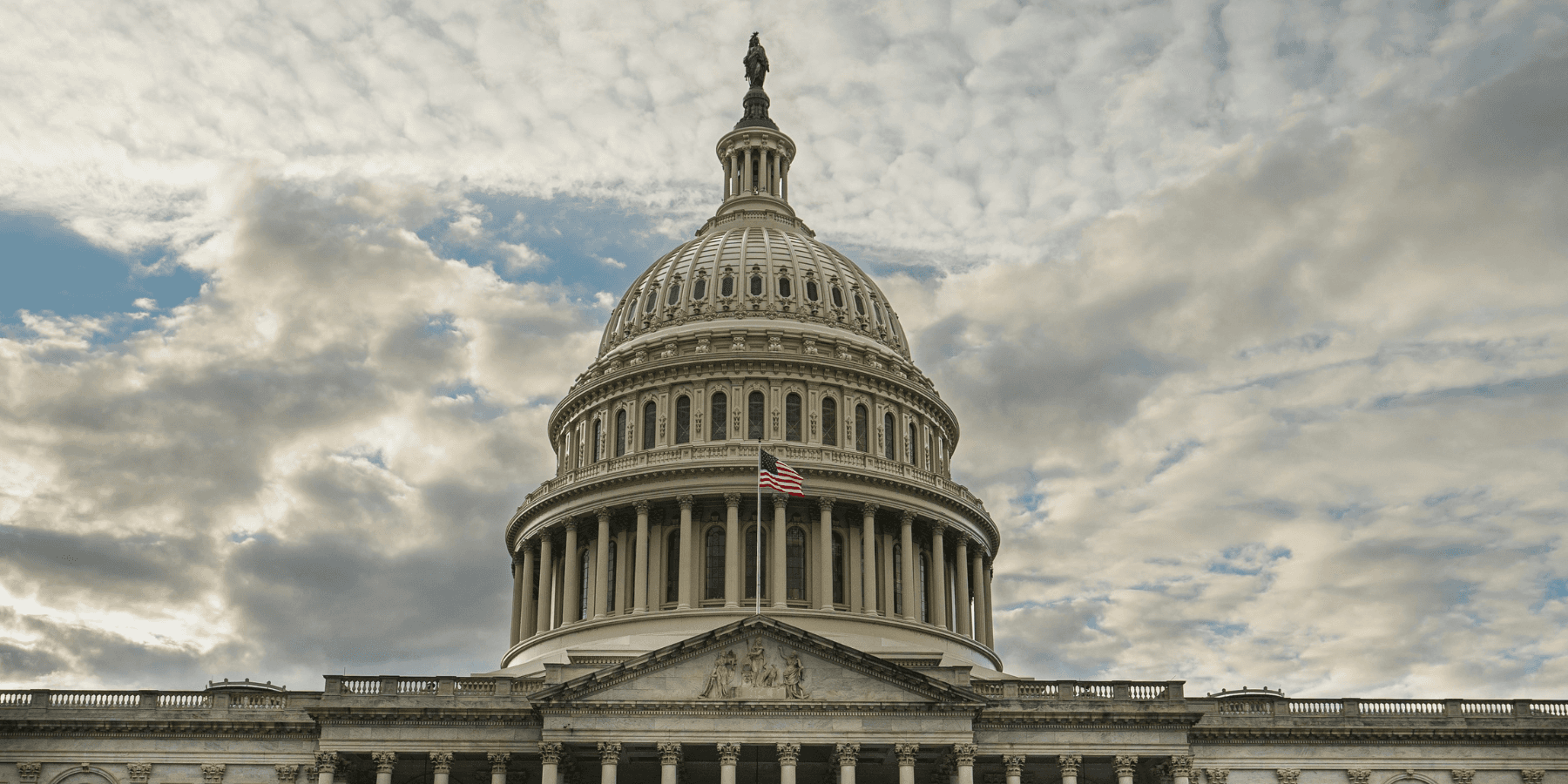
Photo Credit: J. Amill Santiago/Unsplash
Political Spotlight Turns Toward Midterm Season
Political activity continued to intensify as the November midterm elections draw closer. Several states held closely watched primary contests this week, offering early indications of voter sentiment within both major parties. Meanwhile, President Trump traveled to campaign events in the West as Republicans seek to strengthen their congressional position.
Congressional politics also saw new developments as the House Ethics Committee opened an investigation into Republican Representative Max Miller of Ohio following allegations of domestic abuse, which he has denied. The investigation adds another notable story to an already active political landscape heading into the fall campaign season.

Photo Credit: usicegov/Wikimedia
Immigration Enforcement and Federal Workforce Changes Continue
The administration maintained its emphasis on immigration and border enforcement. Among the latest personnel changes, the Department of Homeland Security announced that it is removing age restrictions for new hires at Immigration and Customs Enforcement (ICE), a move intended to broaden recruitment during a period of expanded enforcement efforts.
Immigration policy continues to generate legal and political debate nationwide, with court challenges, agency actions, and congressional proposals remaining central issues. As federal agencies implement additional changes, both supporters and critics are preparing for continued legal and legislative battles over immigration policy.

Photo Credit: Adil Edin/Unsplash
Economic Outlook Remains Mixed
Economic news reflected cautious optimism alongside ongoing uncertainty. Investors continued monitoring inflation, corporate earnings, and energy prices while also watching developments in the Middle East that could affect oil markets. Recent easing in geopolitical tensions has helped reduce some pressure on crude prices, though analysts caution that markets remain highly sensitive to any disruption in Gulf shipping.
Businesses are also preparing for another busy earnings period, with technology, healthcare, and consumer companies expected to provide fresh insight into corporate performance and the broader health of the U.S. economy during the second half of the year.
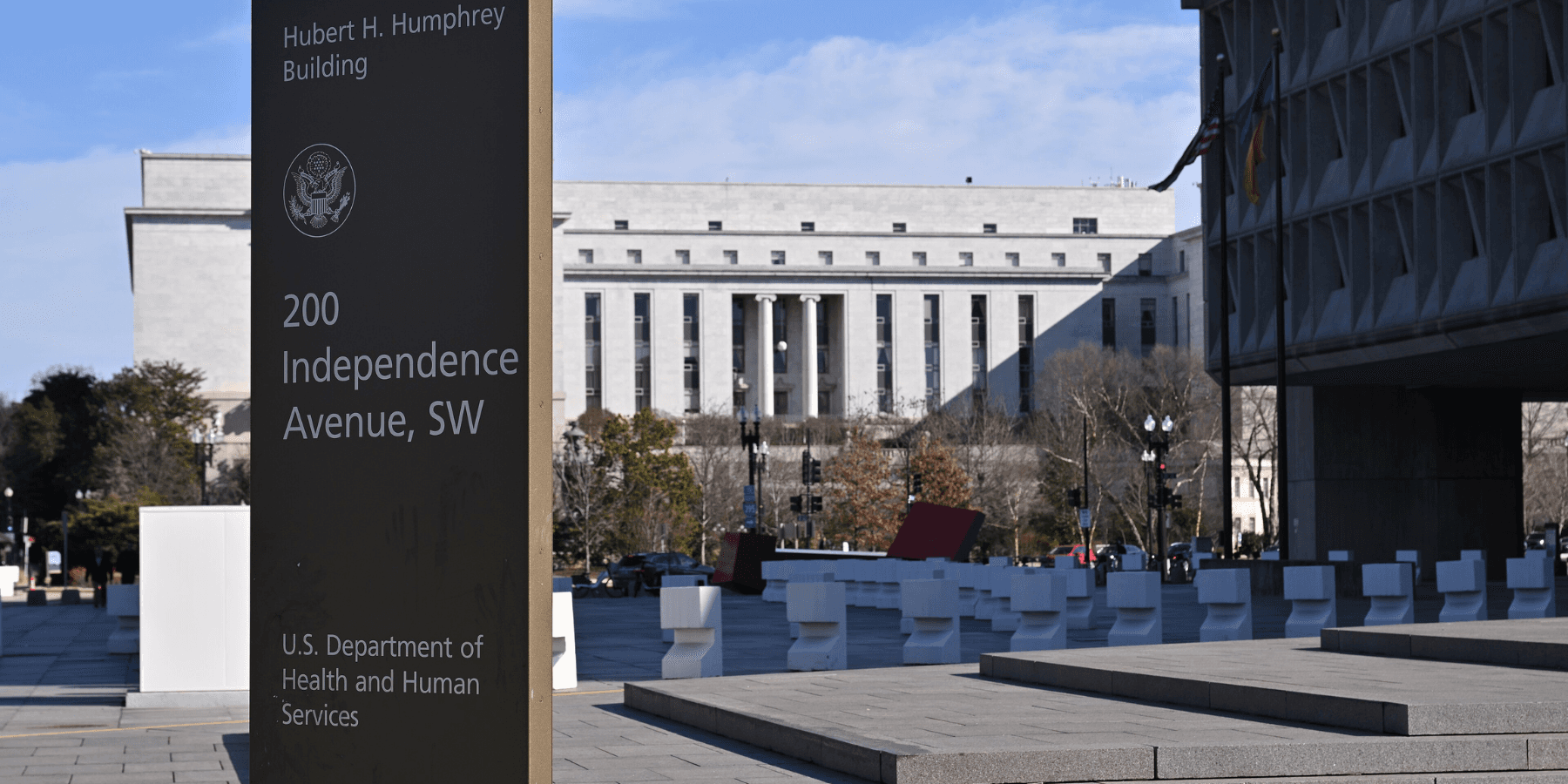
Photo Credit: G. Edward Johnson/Wikimedia (Cropped)
Federal Policy Debates Continue Across Health and Government
Several policy decisions continued to attract national attention. The administration's recent decision to withdraw federal funding for certain mRNA vaccine research targeting respiratory diseases remains a major topic within the public health community, prompting debate among scientists, policymakers, and healthcare organizations.
Meanwhile, lawmakers continue debating a range of issues including election administration, federal spending, and executive authority. With Congress approaching its summer recess and the midterm campaign accelerating, many legislative priorities are expected to face increasing political scrutiny over the coming months.
Looking Ahead
Attention in the coming days will remain focused on whether U.S.-Iran negotiations produce a formal agreement, how markets respond to continuing geopolitical developments, and what additional signals emerge from the evolving midterm campaign. Congress is also expected to continue addressing major legislative priorities before lawmakers shift fully into election-season campaigning, ensuring that both domestic policy and international diplomacy remain at the forefront of the national agenda.