Breathwork Is Booming, But Safety Standards Are Not Keeping Pace With Its Growth
As the breathwork industry grows worldwide, experts call for stronger education, trauma informed care, and safer facilitation standards.
Breathwork is rapidly emerging as one of the fastest-growing practices within the $6 trillion global wellness industry. While its popularity has accelerated through social media and wellness communities, growing scientific interest suggests the appeal is not simply a passing trend. Researchers are beginning to better understand how intentional breathing patterns can influence the nervous system, emotional regulation, and states of consciousness.
But as breathwork reaches more people, experts in the field say one important conversation cannot be overlooked: safety.
The same qualities that make certain forms of breathwork so impactful — including intense emotional processing and profound physiological changes — also require skilled facilitation. Without proper screening, informed consent, and trauma-informed training, participants may face risks ranging from emotional overwhelm and retraumatization to physical complications when contraindications are not properly identified.
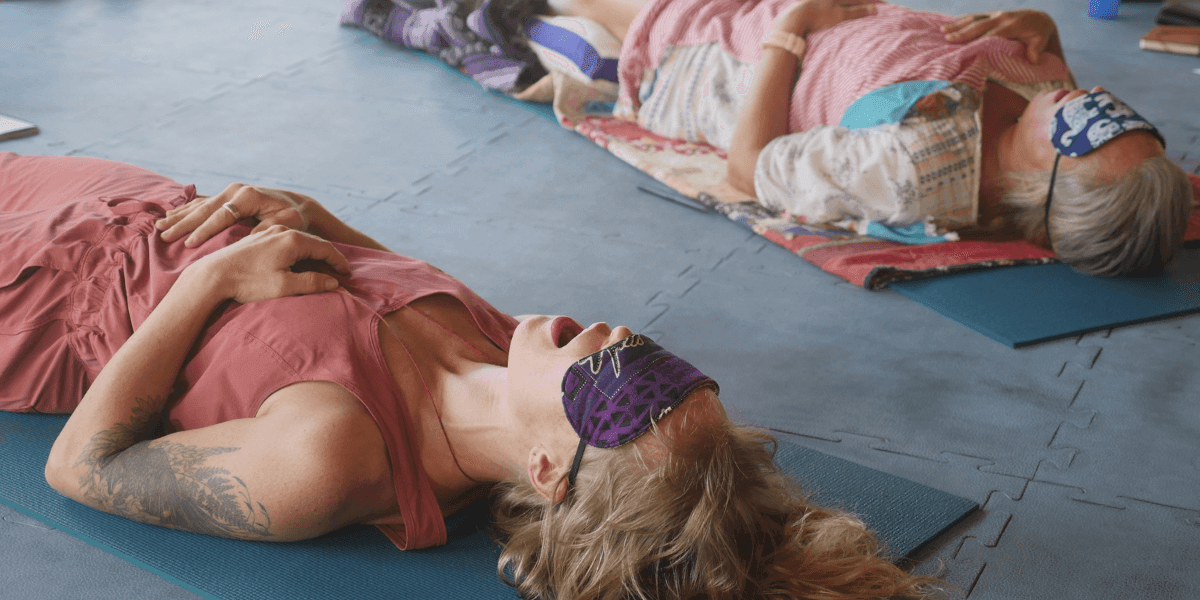
If you have scrolled through social media recently, you have likely seen videos of breathwork sessions: groups of people lying on the floor, breathing deeply and continuously, with some crying, laughing, shaking, or experiencing powerful emotional releases. While these moments can appear surprising from the outside, they reflect real physiological processes occurring within the body and brain.
The style of breathwork commonly featured in these videos is known as Conscious Connected Breathwork. Within scientific literature, this approach falls under the broader category of high ventilation breathwork — the scientific term used to describe breathing practices that significantly increase ventilation through faster, continuous breathing patterns, producing measurable changes in physiology, including shifts in carbon dioxide levels, blood chemistry, nervous system activity, and brain function.
Emerging research is beginning to explore why these practices can create such profound experiences. Studies examining high ventilation breathwork have found changes in brain networks involved in emotional processing, stress regulation, and self-awareness. Researchers are investigating how these temporary shifts may help explain why some participants report meaningful improvements in areas such as anxiety, emotional wellbeing, trauma processing, and personal insight.
These findings are increasingly aligning with what many experienced facilitators and therapists have observed in practice: breathwork can provide a powerful way to engage the body and nervous system alongside traditional approaches such as talk therapy.
This is one reason some mental health professionals are beginning to explore breathwork as a complementary tool. Unlike traditional "top-down" approaches that primarily work through thoughts, memories, and cognitive processing, breathwork is considered a "bottom-up" approach, working through physiological states and nervous system responses to support emotional processing.
Licensed therapist and Unity Breathwork instructor Ida-Marie has observed this shift in her own clinical work. After incorporating Conscious Connected Breathwork into her practice, she has seen some long-term clients experience breakthroughs in areas where progress had previously felt limited.
As more people seek breathwork to support anxiety, trauma recovery, emotional healing, and addiction recovery — particularly when traditional approaches alone have not provided the results they hoped for — interest from both the public and therapeutic communities continues to grow.
However, many professionals believe facilitator education and safety regulations have not kept pace with demand.
Unlike a meditation app or a typical yoga class, conscious connected breathwork brings participants into intense emotional and physiological states. For individuals working through trauma, grief, or addiction, this intensity can be part of what makes the practice meaningful. It may help people access emotions, sensations, and memories that are not always reached through conversation alone. But that same intensity is why the person guiding the experience matters.
Experts argue that responsible breathwork facilitation requires far more than teaching a breathing technique. Facilitators must understand trauma responses, nervous system regulation, contraindications, ethical boundaries, and how to safely support participants before, during, and after powerful experiences.
As breathwork continues moving from the wellness world into broader conversations around mental health and healing, many industry leaders believe its future will depend not only on demonstrating its potential — but on ensuring the people guiding these experiences are properly trained to hold the responsibility that comes with it.
Right now, anyone can call themselves a breathwork facilitator. There's no license required, no national standard, and no agency checking credentials. Training programs range from weekend workshops to yearslong courses. But a two-day certification cannot teach someone how to recognize a trauma response as it's happening, screen for health issues like heart conditions, or know what to do when a participant has a frightening or overwhelming reaction mid-session.
Megan Ashton has spent more than a decade inside the breathwork world, training and teaching alongside eight different breathwork schools before founding the Unity Breathwork Facilitator Training. That path gave her a front-row seat to both what the practice can do for people and how uneven the training behind it can be.
"People assume that because breathwork is 'just breathing,' it can't really go wrong," Ashton said. "But if you're helping someone move through a trauma response, you need to understand what's actually happening in their nervous system and how to keep them safe through it. Safety isn't the opposite of a powerful experience — it's what makes a powerful and healing experience possible without someone getting hurt."
For people considering breathwork, or therapists thinking about referring a client to it, Ashton says the questions to ask are simple: How is this facilitator trained to handle trauma? Do they screen people beforehand for health concerns? Is there support available after the session, not just during it? And most importantly did they take a trauma-informed training that is certified by the Global Professional Breathwork Alliance (GPBA)?
"A facilitator has a responsibility to understand what they're holding," Ashton said. "This can bring people into some of the most vulnerable moments they'll ever experience. That deserves real training in how the nervous system works, not just good intentions."
To help close that training gap, Unity Breathwork runs a 450-hour Trauma-Informed Breathwork Facilitator Training, one of the longest and most in-depth programs of its kind. It blends live mentorship with in-person practice and coursework covering trauma-informed care, nervous system regulation, health screening, ethics, and how to support someone in the days after a session — the kind of preparation aimed at people who want to safely support trauma survivors, people in recovery, and anyone dealing with chronic anxiety or stress.
As the science around breathwork continues to catch up with its popularity, the conversation is shifting. It's no longer just about whether breathwork works — it's about who's teaching it, how well they're trained, and whether the industry can keep pace with how fast it's growing.
For anyone curious about trying it, or a therapist considering it for a client, experts say the same rule applies as with any practitioner working with trauma: ask about their training, their screening process, and how they handle the hard moments — not just the good ones.
To learn more about Unity Breathwork's Trauma-Informed Facilitator Training, visit the Unity Breathwork website. Stay connected by following @unitybreathwork on Instagram. For media inquiries, please contact megan@unitybreathwork.com.