
Congress Buys Time as War, Voting Rules and Economic Pressures Test Washington
September opened with Washington confronting several consequential issues at once, from federal spending and election administration to renewed military action in the Middle East. Congress moved decisively to avert another government shutdown, while the Trump administration faced legal battles over mail voting and abortion policy. Economic data, meanwhile, showed American factories continuing to expand but encountering persistent price pressures.
Congress Passes Stopgap Bill to Avert Government Shutdown
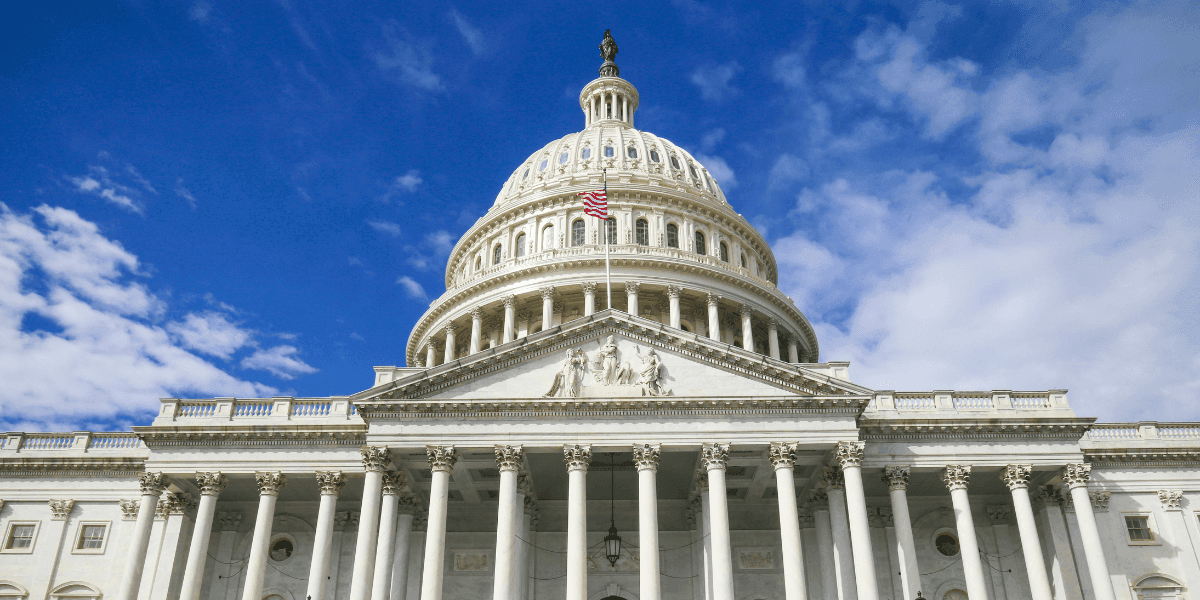
The House overwhelmingly approved legislation Tuesday to keep the federal government funded beyond the September 30 expiration of current appropriations. The measure passed 370-48 and extends existing funding through December 11, giving lawmakers additional time to negotiate full-year spending bills after the November midterm elections. The Senate had already approved the legislation, sending it to President Donald Trump for his signature.
Congress has yet to complete any of the 12 regular appropriations bills for fiscal 2027. By temporarily maintaining current spending levels, lawmakers removed the immediate threat of a shutdown during the final stretch of the midterm campaign while postponing larger disputes over military and domestic spending.
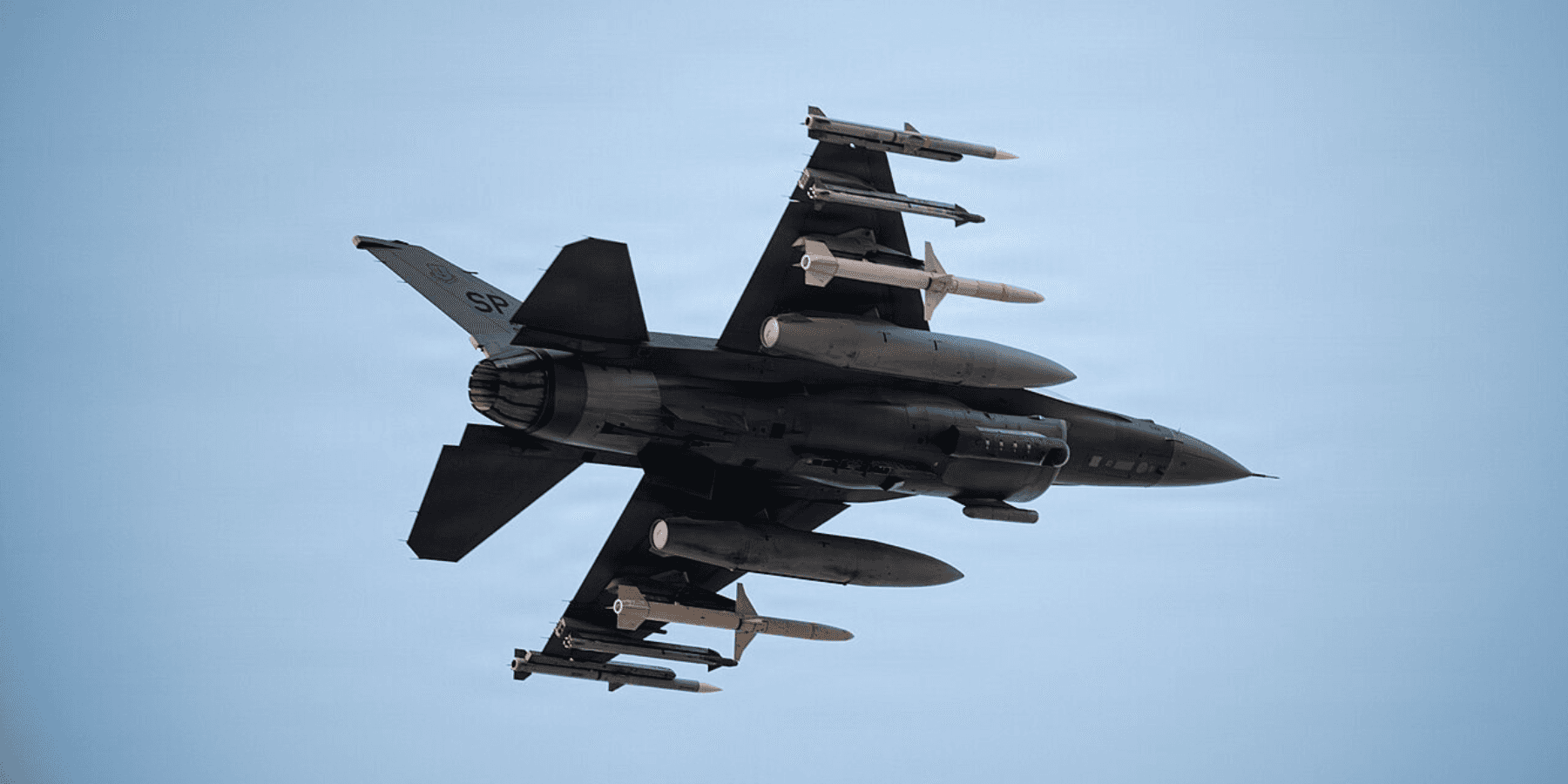
Photo Credit: U.S. Central Command Public Affairs/Wikimedia
U.S. Strikes Iran as Hostilities Flare Again
The U.S. military carried out strikes against targets in Iran on Tuesday, sharply escalating tensions after roughly a month without sustained military action. U.S. Central Command said the strikes followed attempted attacks by Iran's Islamic Revolutionary Guard Corps against commercial shipping in the Strait of Hormuz and American personnel in the region. Iran responded with missile attacks targeting U.S. sites in Jordan, according to reports.
The renewed confrontation has immediate implications at home. Oil prices rose more than 2% as markets reacted to the possibility of further disruption around the Strait of Hormuz, a crucial global energy route. Brent crude reached roughly $92 a barrel Tuesday, while major U.S. stock indexes declined amid renewed geopolitical uncertainty.
The fighting also presents the Trump administration with a significant political and foreign-policy challenge ahead of the November elections. After months of intermittent conflict, the latest exchange raises the prospect of a broader escalation and renewed pressure on energy prices.

Photo Credit: Tareq Ismail/Unsplash
Trump Administration Fights Court Block on Mail-Voting Rule
The Trump administration asked a federal appeals court to lift an order blocking a new rule that would tighten requirements surrounding mail-in voting ahead of November's congressional elections. The Justice Department argued that the changes modernize the U.S. Postal Service's infrastructure for processing election mail.
The dispute has become another major legal battle over election administration as states prepare for the midterms. Democrats have sharply criticized the administration's approach, warning that changes to postal procedures could interfere with valid ballots. The existing court order remains in effect while U.S. District Judge Indira Talwani considers whether to issue a longer-lasting injunction.
With voting already approaching in some jurisdictions, the litigation could have consequences for how election officials, postal workers and voters handle mail ballots during the final weeks of the campaign.

Photo Credit: Christian Lendl/Unsplash
Manufacturing Growth Slows as Price Pressures Persist
U.S. manufacturing remained in expansion territory in August but lost momentum from the previous month. The Institute for Supply Management's manufacturing purchasing managers index fell to 54.6 from 55.6 in July, below economists' expectations. A reading above 50 indicates expansion.
New orders slowed, while manufacturers continued to report elevated input costs associated with supply-chain strains, tariffs and disruptions stemming from the Middle East conflict. Separate labor-market data showed 1.05 job openings for every unemployed American in July, up from 1.01 in June, suggesting that employment conditions remained comparatively stable.
The combination of continued growth and stubborn price pressures will keep inflation and interest-rate policy in focus. Rising energy costs from renewed U.S.-Iran fighting could further complicate the outlook if they translate into broader consumer and business expenses.

Photo Credit: Plancpills/Wikimedia (Cropped)
Abortion-Pill Lawsuit Paused During FDA Safety Review
A federal judge paused a lawsuit brought by Florida and Texas seeking to sharply restrict nationwide access to mifepristone, the medication widely used for abortion. U.S. District Judge Reed O'Connor agreed to suspend proceedings while the Food and Drug Administration conducts an administration review of the drug's safety.
The lawsuit challenges both the FDA's original approval of mifepristone and subsequent regulations that expanded access, including provisions allowing the medication to be dispensed through the mail. O'Connor rejected a request from manufacturers GenBioPro and Danco Laboratories to dismiss the case outright, meaning the litigation could resume after the FDA completes its review. The pause is scheduled to last until December 1 or until the agency finishes its assessment, whichever comes first.
The case ensures that abortion medication will remain a significant legal and political issue beyond the midterm elections, with any eventual ruling potentially carrying nationwide consequences.
Looking Ahead
Washington enters September with one immediate fiscal crisis temporarily defused but several larger battles unresolved. President Trump is expected to receive the stopgap spending measure, while Congress will eventually have to return to difficult negotiations over fiscal 2027 funding. Courts will continue considering challenges involving mail voting and abortion medication as the country approaches the November midterms.
Beyond Washington, the renewed U.S.-Iran confrontation bears particularly close watching. Further military exchanges could affect American forces overseas, global oil supplies, inflation and financial markets, adding another unpredictable factor to an already consequential political and economic autumn.