Courts, Campaigns, and Consequences: A Nation Watches Power Tested
The nation's attention remained focused on a series of consequential legal, political, and economic developments that continue to shape public policy and governance. Major court battles over executive authority, ongoing debates surrounding immigration and public health funding, and significant changes within the federal government underscored the tensions defining the current political landscape. At the same time, the passing of a prominent figure in American economic history prompted reflection on decades of financial leadership and the legacy of modern monetary policy.
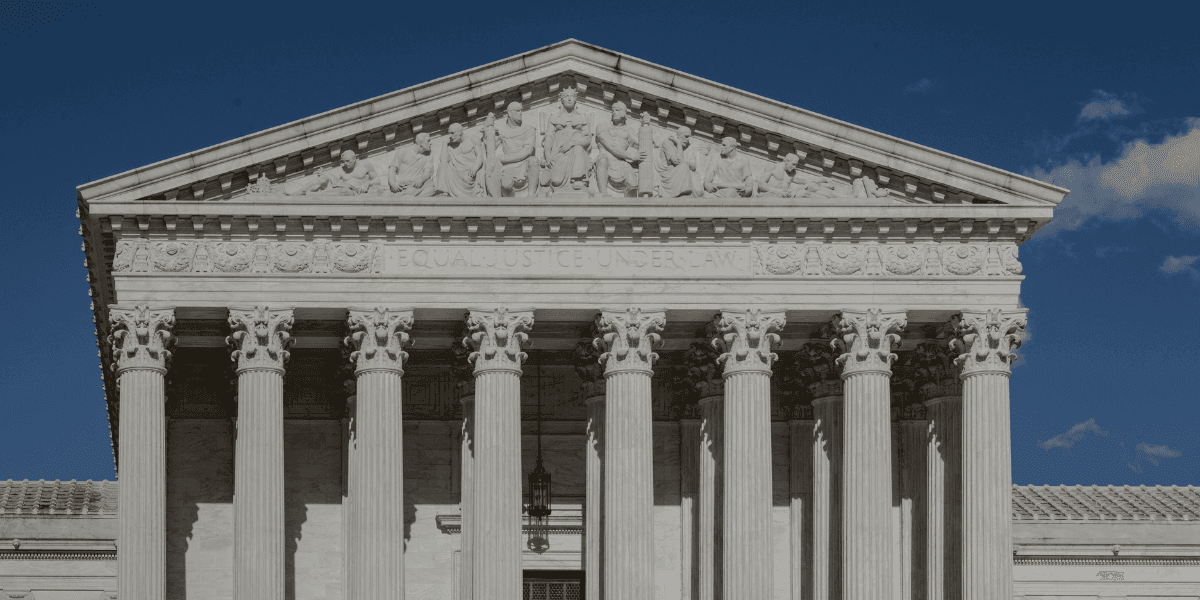
Supreme Court Faces Decisions That Could Redefine Presidential Authority
As the Supreme Court approaches the end of its term, attention remains focused on several major cases involving the scope of presidential power under President Donald Trump's second administration. The pending decisions touch on issues including birthright citizenship, the removal of leaders of independent agencies, immigration protections, and the balance between executive authority and judicial oversight. Legal observers view the rulings as among the most consequential of the term.
The Court has already played a central role in disputes involving executive actions, and the remaining opinions are expected to further clarify how much authority the president may exercise without congressional approval. The outcomes could influence federal policymaking long after the current administration.

Governor Tim Walz at Bemidji Steel on July 1, 2024.
Photo Credit: Office of Governor Tim Walz & Lt. Governor Peggy Flanagan/Wikimedia (Cropped)
Federal Courts Continue Checking Administration Actions
Federal judges issued additional setbacks to the administration's legal efforts this week. In Minnesota, a federal judge blocked attempts to subpoena Governor Tim Walz and other state officials over allegations tied to immigration enforcement policies, ruling that the subpoenas appeared politically motivated and lacked legal justification.
The ruling adds to a broader series of judicial challenges involving immigration enforcement, voting procedures, and federal-state authority. Courts have increasingly become the battleground for disputes over executive actions, underscoring the judiciary's central role in adjudicating conflicts between Washington and state governments.

AIDS Library of Philadelphia Historical Marker 1233 Locust St Philadelphia PA
Photo Credit: NMGiovannucci/Wikimedia (Cropped)
Debate Intensifies Over Public Health and HIV Funding
Advocacy groups across the country are escalating efforts to oppose proposed reductions in federal HIV/AIDS funding and related healthcare programs. Demonstrations and lobbying campaigns have focused on potential cuts affecting prevention programs, Medicaid access, research funding, and treatment services that have long formed the backbone of the nation's HIV response.
Public health organizations warn that significant funding reductions could reverse decades of progress in reducing infection rates and improving outcomes for vulnerable populations. Supporters of the proposed changes argue they are part of a broader effort to reduce federal spending, while opponents contend the cuts would carry substantial long-term public health costs.
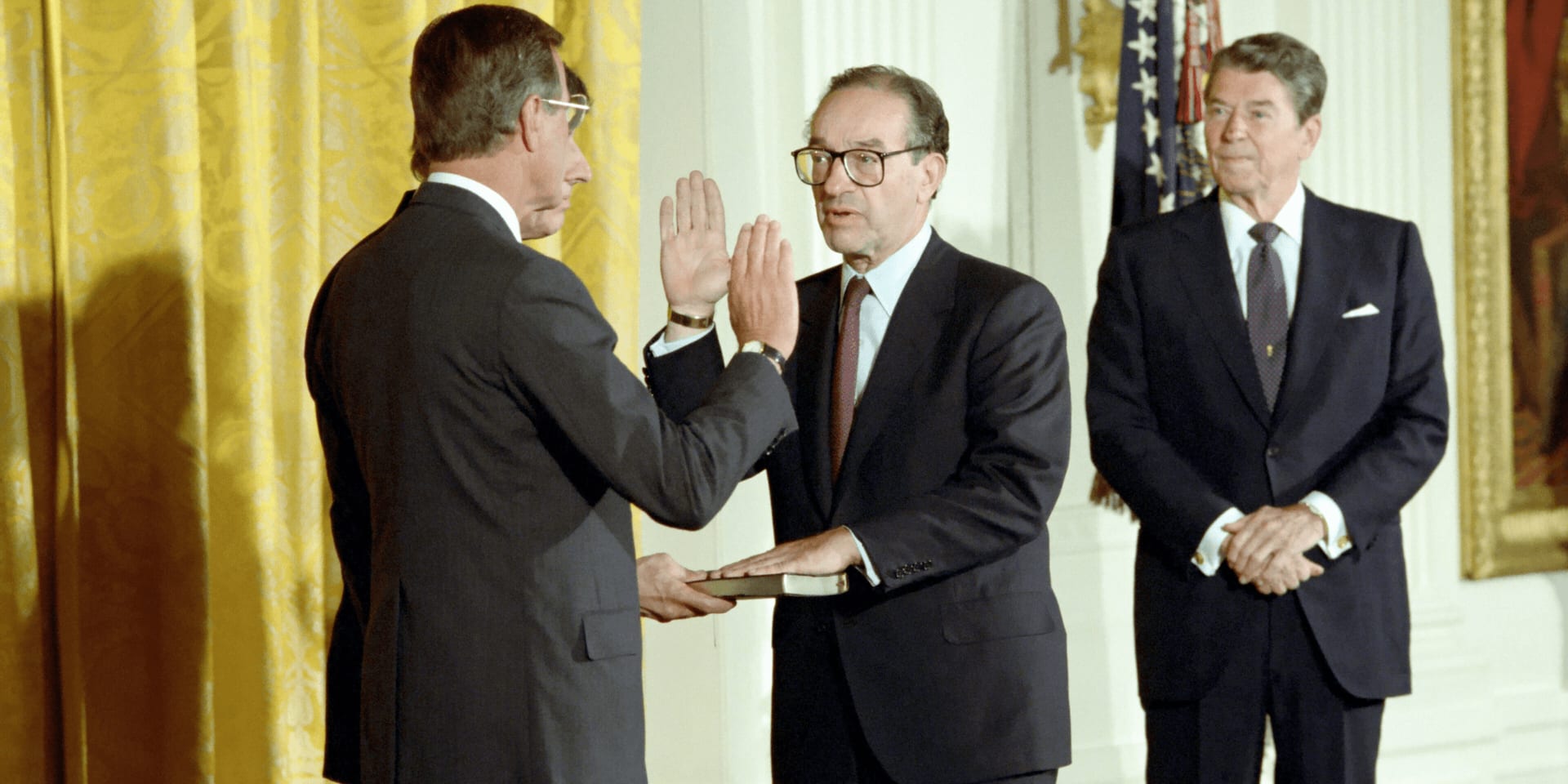
President Ronald Reagan Attends The Swearing-In Ceremony for Alan Greenspan As Chairman of The Federal Reserve Board in The East Room
Photo Credit: Digital Public Library of America/Wikimedia (Cropped)
Economic Community Reflects on the Legacy of Alan Greenspan
The death of former Federal Reserve Chair Alan Greenspan at age 100 became one of the day's most widely discussed economic stories. Greenspan led the Federal Reserve from 1987 to 2006 and was one of the most influential economic policymakers of the modern era. During his tenure, the United States experienced extended economic growth, low inflation, and major shifts in global finance.
His legacy remains complex. Admirers credit him with helping guide the economy through periods of volatility, while critics argue that policies favoring deregulation and prolonged low interest rates contributed to conditions that preceded the 2008 financial crisis. Nonetheless, Greenspan's influence on monetary policy and central banking remains difficult to overstate.

DIA headquarters expansion at DIAC
Photo Credits: Defense Intelligence Agency personnel/Wikimedia (Cropped)
Government Reform and Workforce Reduction Remain Major National Issues
The administration's broader effort to reduce the size of the federal government continues to generate legal and political debate. Although many workforce reductions and agency restructuring plans have faced court challenges, the long-term trajectory of federal employment remains a major policy issue. Tens of thousands of positions have already been eliminated or consolidated as agencies adapt to new priorities.
Supporters argue that streamlining government will reduce costs and improve efficiency. Critics counter that large-scale workforce reductions risk weakening public services and regulatory capacity. The issue is expected to remain central as Congress, federal agencies, and the courts continue to evaluate the limits of executive authority in reorganizing government operations.
Looking Ahead
The coming days are likely to bring several pivotal developments. The Supreme Court is expected to issue additional high-profile rulings before concluding its term, potentially reshaping executive power, immigration policy, and federal regulatory authority. Ongoing legal disputes between the administration and state governments will continue to test constitutional boundaries, while debates over federal spending, public health programs, and government workforce reductions remain active in Washington. As these stories unfold, they will help define the political and institutional landscape heading into the second half of 2026.