
Missouri Map Chaos, Canada Trade Fight and Iran Strikes Define a High-Stakes September Day
A volatile mix of political, economic and international developments shaped the national agenda, with consequential battles unfolding at home and abroad. Conflicting court actions intensified uncertainty over Missouri’s congressional map, the Trump administration escalated its trade confrontation with Canada, and renewed U.S.-Iran hostilities sent fresh concerns through global energy markets. Election security and troubling new indicators of U.S. student performance added to a day marked by legal disputes and mounting policy challenges.
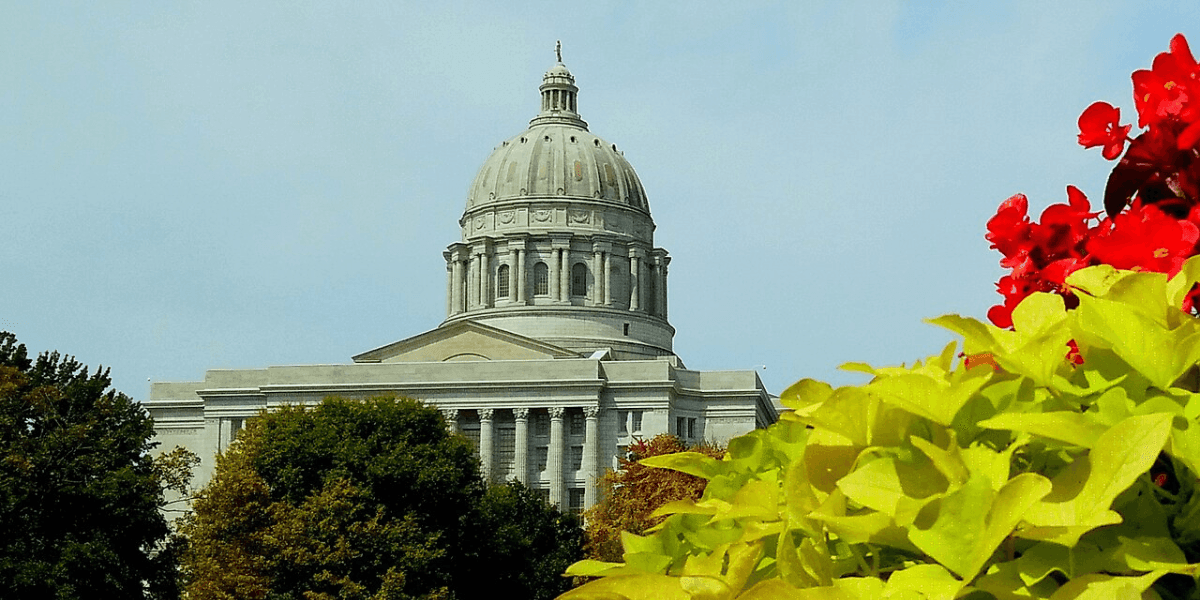
Conflicting Court Actions Throw Missouri’s Congressional Map Into Chaos
A fight over Missouri’s congressional boundaries took a dramatic turn Tuesday, with separate court actions pointing in opposite directions just weeks before the November midterms. Supreme Court Justice Brett Kavanaugh rejected an emergency request from Missouri officials seeking to revive a Republican-backed map that could improve the GOP’s chances of gaining another House seat. The Missouri Supreme Court had ruled that the new boundaries could not take effect before voters decide their fate in a statewide referendum.
Hours later, however, U.S. District Judge Stephen Clark issued a temporary order requiring Missouri to use the newer map, creating direct uncertainty over which districts should govern the election. The dispute carries national significance because Republicans hold a narrow House majority, and the newer boundaries target the Kansas City-area district represented by Democrat Emanuel Cleaver.
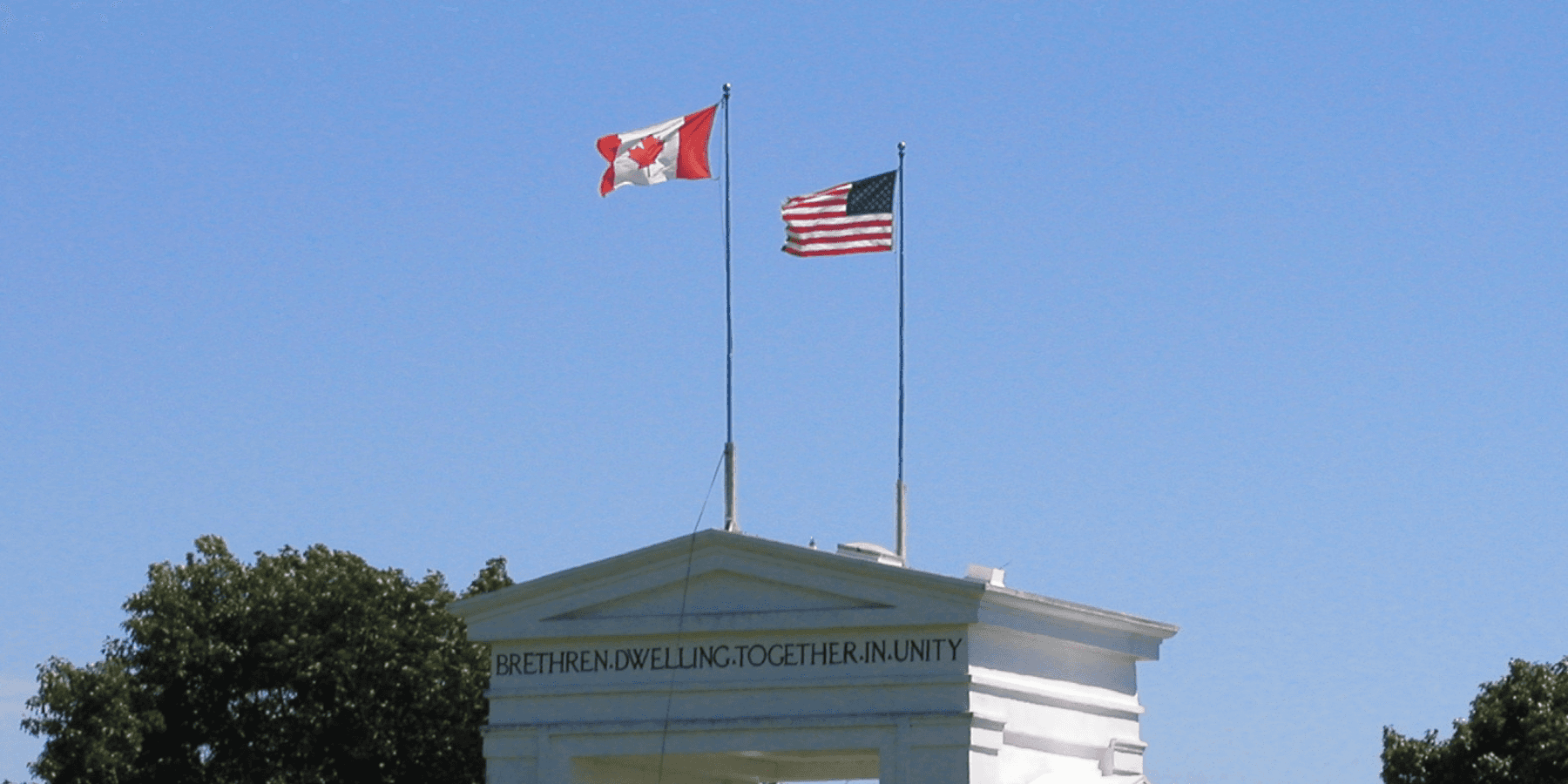
Photo Credit: Waqcku/Wikimedia (Cropped)
Trump Escalates Trade War With Canada
The Trump administration significantly expanded its economic confrontation with Canada on Tuesday, moving beyond tariffs to restrictions on Canadian products. President Donald Trump signed proclamations targeting Canadian goods after Ottawa’s retaliatory tariffs on as much as $20 billion in U.S. exports took effect. The administration announced bans covering certain Canadian alcoholic beverages, motorcycles and dairy products, scheduled to take effect September 29.
Trump also directed the General Services Administration to work toward removing Canadian-origin products from federal purchasing schedules unless Canada changes its procurement policies. The measures mark a deeper deterioration in relations between two economies whose manufacturing, energy and agricultural supply chains are closely integrated.
The dispute presents an additional political challenge ahead of the midterms, particularly in states and industries exposed to cross-border commerce. Canadian counter-tariffs range from 15% to 50% on affected American products.
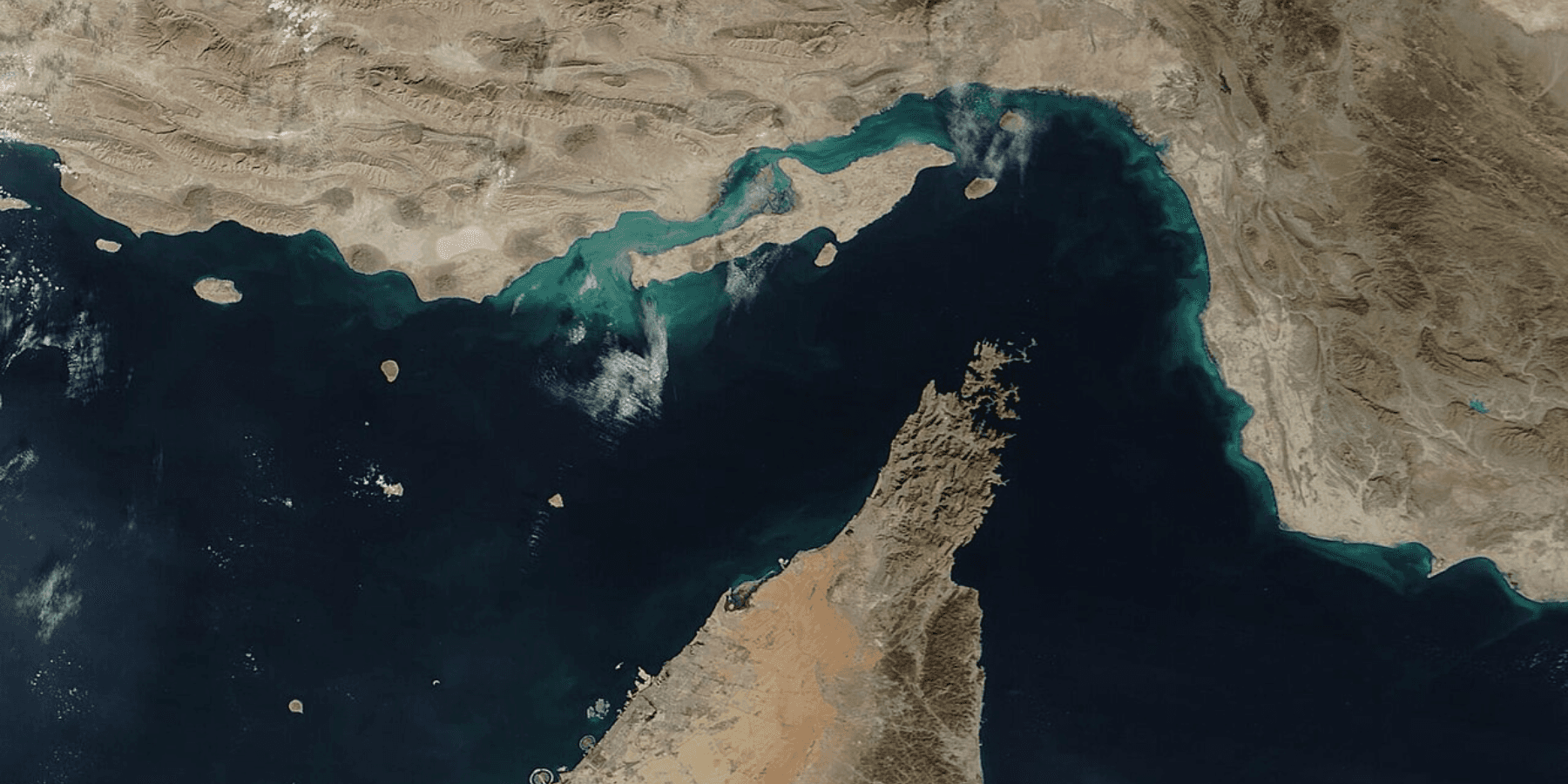
Photo Credit: MODIS Land Rapid Response Team, NASA GSFC/Wikimedia
U.S. Strikes Five Iranian Oil Tankers as Conflict Escalates
The U.S. military said it destroyed five Iranian crude-oil tankers Tuesday after Iran’s Islamic Revolutionary Guard Corps twice attempted to strike a U.S. Navy warship with ballistic missiles. U.S. Central Command said the American vessel avoided the attacks and no U.S. personnel were injured. Crews aboard the Iranian tankers were directed to abandon their vessels before American forces struck them.
Iran subsequently launched missiles toward U.S. targets in Jordan, according to Iranian state media. Jordan’s military said its defenses intercepted 18 ballistic missiles, while two others landed in uninhabited areas. The exchange represented another serious escalation in the more than six-month conflict and renewed concerns about shipping through the strategically critical Strait of Hormuz.
Those concerns quickly reached financial markets. Brent crude briefly approached $100 a barrel, while the S&P 500 fell 0.6%, the Dow dropped 1.2% and the Nasdaq declined 0.3% Tuesday. Rising energy costs could complicate the U.S. inflation outlook and the Federal Reserve’s coming interest-rate decisions.
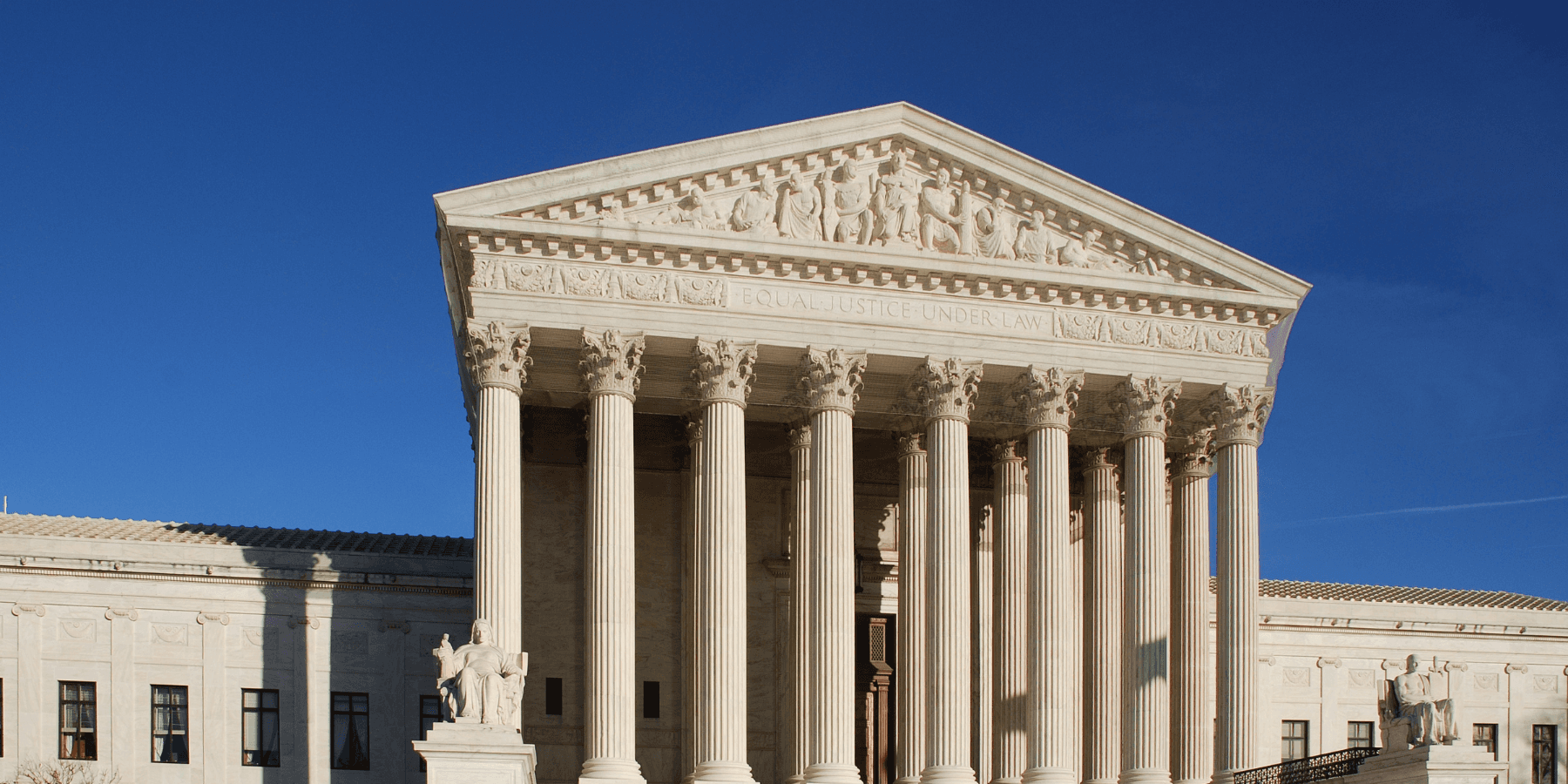
Photo Credit: Jarek Tuszyński/Wikimedia (Cropped)
Trump Administration Takes Voter-Verification Fight to Supreme Court
The Trump administration asked the Supreme Court Tuesday to permit federal authorities to use an expanded government database to check state voter rolls for potential noncitizens ahead of November’s elections. The system incorporates immigration and Social Security information and is part of a broader administration effort to increase federal involvement in election verification.
A federal judge blocked the system in June after voting-rights groups challenged its legality and reliability. The Justice Department argues that the ruling improperly restricts the government’s ability to help states verify citizenship, while opponents warn that unreliable matches could result in eligible American citizens being removed from voter rolls. The dispute now places another politically sensitive election issue before the Supreme Court with the midterms less than two months away.

Photo Credit: Jeswin Thomas / Unsplash
U.S. Student Performance Hits Two-Decade Low on International Test
New international education data released Tuesday showed American 15-year-olds recording their lowest math and reading scores in more than two decades on the Program for International Student Assessment, or PISA. Reading performance declined for a second consecutive testing cycle, with U.S. scores falling 14 points since 2022.
The findings add to longstanding concerns about learning outcomes and the ability of U.S. schools to recover from recent educational disruptions. About 74% of American students reached basic proficiency in reading and 65% did so in mathematics, according to the reported results. The data arrived alongside polling showing declining public satisfaction with K-12 education, placing renewed pressure on policymakers and school systems to address academic performance.
Looking Ahead
Attention now turns to whether higher courts can resolve Missouri’s contradictory redistricting orders quickly enough to provide clarity for November’s elections. The Supreme Court also faces mounting election-related requests from the Trump administration, including the voter-verification dispute. Abroad, further U.S.-Iran retaliation could push oil prices beyond the psychologically significant $100 threshold, with consequences for inflation and American consumers, while Washington and Ottawa face growing pressure to prevent their escalating trade confrontation from causing deeper economic disruption.