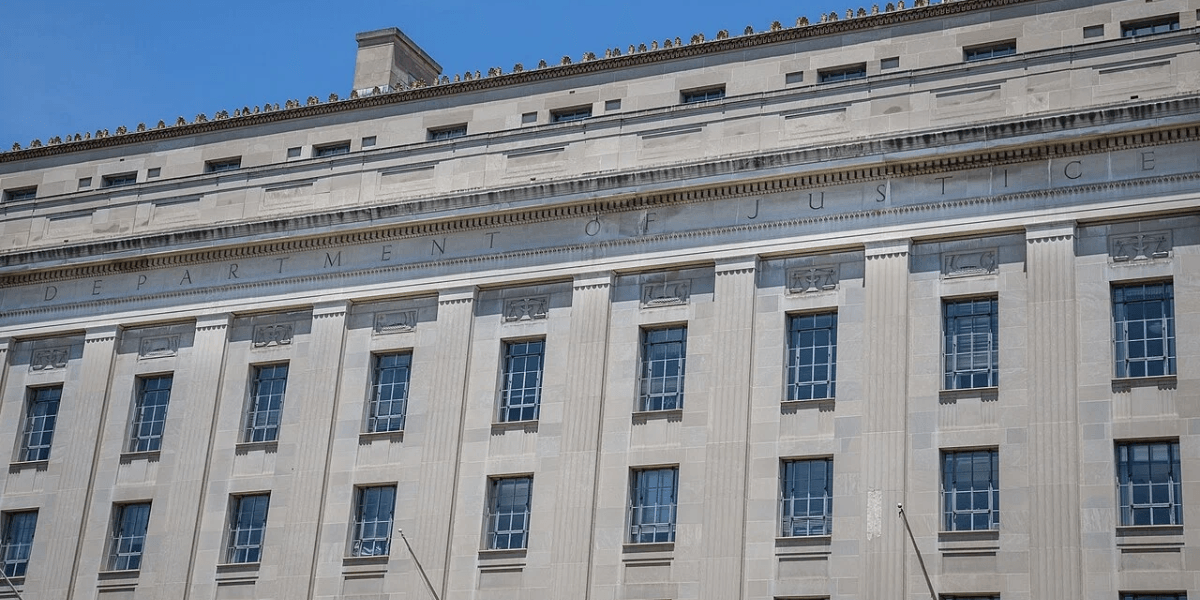
Courts, Crackdowns, and Economic Anxiety Define a Divided America
Political and economic tensions intensified across the United States, as disputes over tariffs, immigration enforcement, and executive authority dominated national headlines. The Trump administration faced continued legal scrutiny over its trade policies and federal restructuring efforts, while concerns grew about economic stability, Federal Reserve independence, and leadership changes within key government agencies. Together, the day’s developments reflected a country navigating deep institutional and political challenges with major implications for both domestic governance and international relations.

Appeals Court Keeps Trump Tariffs in Place During Ongoing Legal Fight
A federal appeals court temporarily allowed the Trump administration to continue collecting its 10% global tariff while broader legal challenges proceed through the courts. The decision pauses a lower court ruling that had declared the tariff unlawful and preserves one of the administration’s key economic tools for the time being.
The tariffs remain politically divisive after the Supreme Court earlier this year ruled that the president lacked authority to impose sweeping global duties under emergency powers law. Since then, the White House has shifted toward narrower legal mechanisms under the Trade Act of 1974 to preserve parts of its protectionist agenda. Economists and business groups continue warning that prolonged uncertainty over trade rules could further strain supply chains and consumer prices.
The administration has defended the tariffs as necessary leverage against foreign competitors, particularly China, while critics argue the measures amount to an unconstitutional expansion of executive authority.
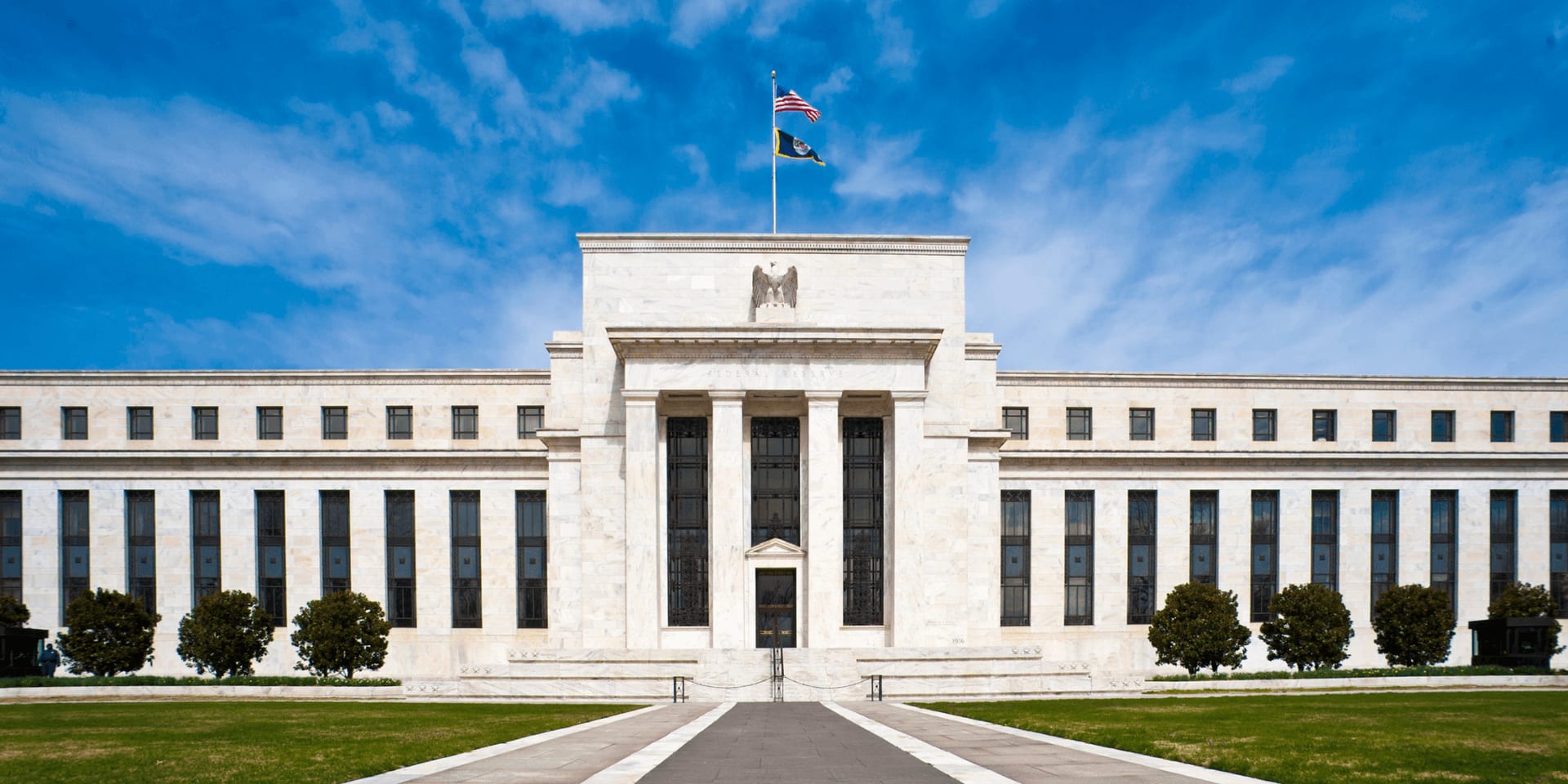
The Eccles Building of the Federal Reserve, the central banking system of the United States.
Photo Credit: Federalreserve/Wikimedia
Federal Reserve Independence Comes Under Intensifying Pressure
Economic anxiety deepened as analysts warned that political pressure on the Federal Reserve could undermine confidence in the nation’s financial system. Former Federal Reserve Chair Jerome Powell’s recent departure has fueled concerns about whether the central bank can maintain its independence amid continued criticism from President Trump and his allies.
Moody’s Analytics Chief Economist Mark Zandi warned this week that the United States faces a significant risk of recession over the next year if current trade and immigration policies remain unchanged. Financial markets have become increasingly sensitive to signals that monetary policy could become politicized, particularly as inflation and slowing growth remain central concerns.
The debate has broader implications beyond interest rates. Legal scholars and economists alike view the fight over Federal Reserve independence as part of a larger struggle over the balance between institutional autonomy and presidential control across the federal government.

Chief of U.S. Border Patrol Michael Banks visits Yuma Sector Border Patrol personnel in Yuma, Arizona on March 12, 2025
Photo Credti: CBP Photography/Wikimedia
Leadership Shake-Up Hits Border Enforcement Agencies
The Department of Homeland Security experienced another major leadership transition with the resignation of U.S. Border Patrol Chief Michael Banks. Banks, a prominent figure in the administration’s immigration crackdown, stepped down amid wider personnel changes affecting federal immigration enforcement agencies.
His departure comes during heightened scrutiny of deportation practices and enforcement operations in major American cities. Congressional Democrats have continued pressing for greater transparency surrounding ICE deportation flights after reports alleging secrecy and potential civil-rights concerns connected to expanded removals.
Immigration remains one of the administration’s defining political issues heading into the summer, particularly after months of conflict over Department of Homeland Security funding earlier this year. Although border crossings have declined compared with previous years, critics argue that increasingly aggressive enforcement tactics have created growing legal and humanitarian controversies.

Photo Credit: Wesley Tingey/Unsplash
Supreme Court Decisions Continue Expanding Executive Authority Battles
Questions about the limits of presidential authority remained central to national politics as courts continued weighing the legality of major Trump administration initiatives. Recent Supreme Court decisions have both constrained and empowered the White House in different areas, producing an increasingly complex constitutional landscape.
While the Court earlier rejected the administration’s sweeping emergency tariff authority, it has also permitted broad federal workforce reductions to move forward during ongoing litigation. That ruling cleared the way for large-scale layoffs and restructuring efforts across multiple federal agencies, part of a wider initiative aimed at shrinking the federal bureaucracy.
Critics argue the administration is attempting to bypass Congress through executive action, while supporters say the president is exercising lawful managerial authority over the executive branch. The legal fights are expected to continue for months and could reshape the balance of power between Congress and the presidency for years to come.
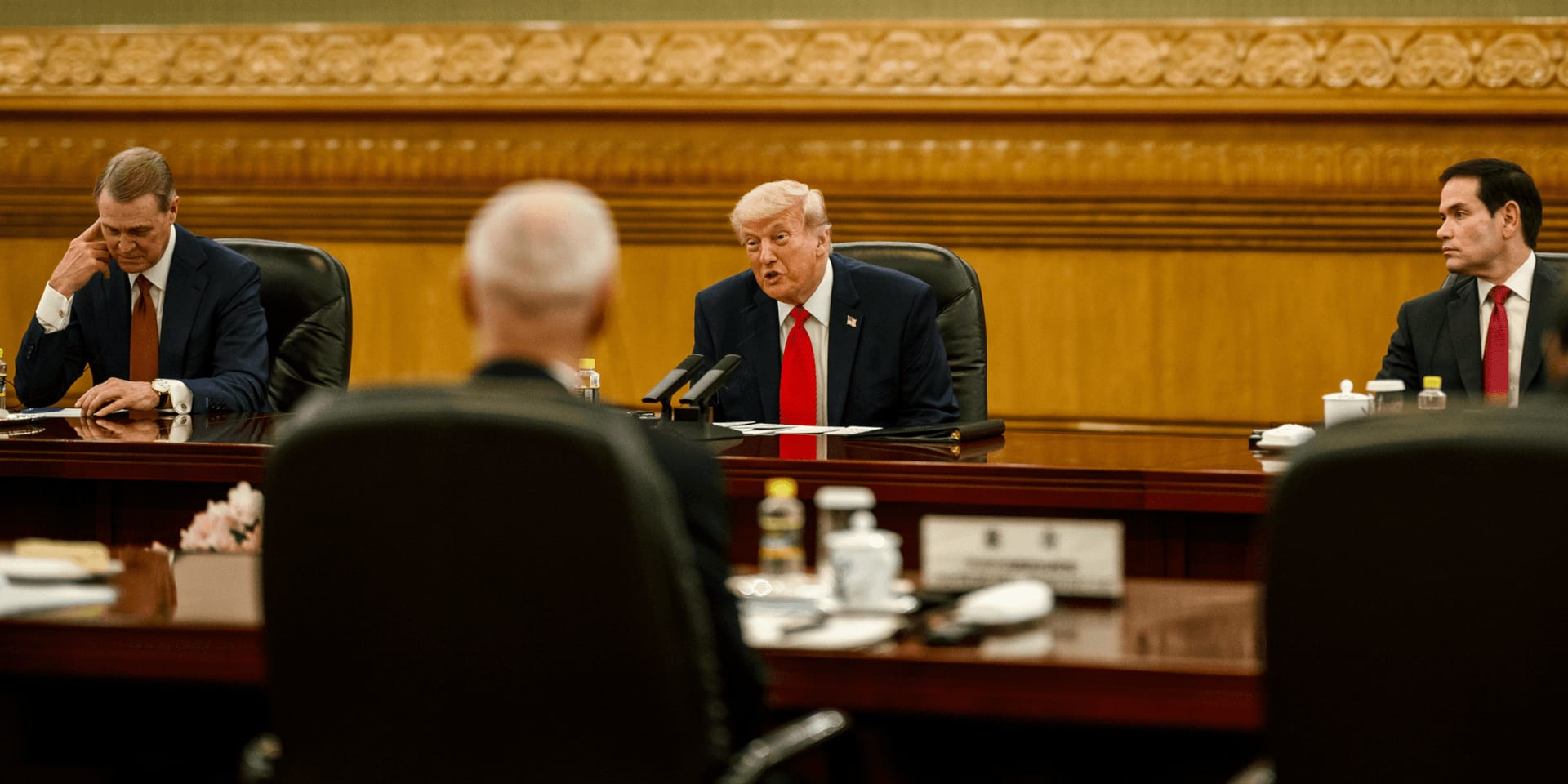
US President Donald J. Trump participates in a bilateral meeting with Xi Jinping, the General Secretary of the Chinese Communist Party and President of China, Thursday, May 14, 2026, in the Great Hall of the People in Beijing, China.
Photo Credit: Official White House Photo by Daniel Torok/Wikimedia
Foreign Policy and China Relations Remain Under Scrutiny
International relations also remained in focus after President Trump returned from a closely watched trip to China that produced few publicly detailed agreements. Although the administration described the meetings as productive, critics from both parties questioned the lack of concrete announcements on trade, artificial intelligence competition, and regional security issues.
The visit came at a sensitive moment for U.S.-China relations, particularly as tariff disputes and concerns over Taiwan continue to strain ties between the two countries. Analysts noted that the administration appears to be balancing aggressive economic rhetoric with efforts to avoid broader geopolitical escalation.
Meanwhile, tensions involving Iran and security in the Strait of Hormuz continue to shape American foreign policy discussions following recent U.S. military operations aimed at protecting commercial shipping lanes.
Looking Ahead
Attention now turns to several looming developments likely to shape the coming weeks. Courts are expected to continue reviewing the legality of the administration’s tariff framework and federal workforce reductions, while economists and investors closely monitor signs of slowing growth and political influence over the Federal Reserve.
Congressional battles over immigration enforcement funding and oversight are also likely to intensify following leadership changes within DHS. Internationally, observers will watch for any concrete outcomes from U.S.-China negotiations and for further developments in Middle East security operations.
As legal, economic, and political pressures converge, the United States enters the second half of May facing deep questions about executive authority, institutional stability, and the direction of national policy in a volatile election-era climate.