A Nation Focused on Security, Technology, and Political Tests
The United States entered June facing a mix of international tensions, domestic political contests, technological policy debates, and public safety concerns. Developments in the Middle East continued to influence U.S. diplomacy and economic outlooks, while voters in several states headed to the polls in important primary elections. At the same time, the White House moved to expand oversight of advanced artificial intelligence, reflecting growing concern about the rapid pace of technological change.

White House Expands Oversight of Advanced AI
The administration signed a new executive order focused on artificial intelligence, establishing a framework that would give the federal government earlier visibility into powerful AI systems before their public release. Supporters argue the move is necessary to address national security risks and ensure that rapidly advancing AI models do not create unforeseen harms.
The action comes as AI continues to reshape industries across the economy. Policymakers, technology companies, and researchers remain divided over how much regulation is appropriate, but there is growing bipartisan recognition that federal oversight will play a larger role in the next phase of AI development.

Photo Credit: Planet Volumes/Unsplash
U.S.–Iran Diplomacy Faces New Uncertainty
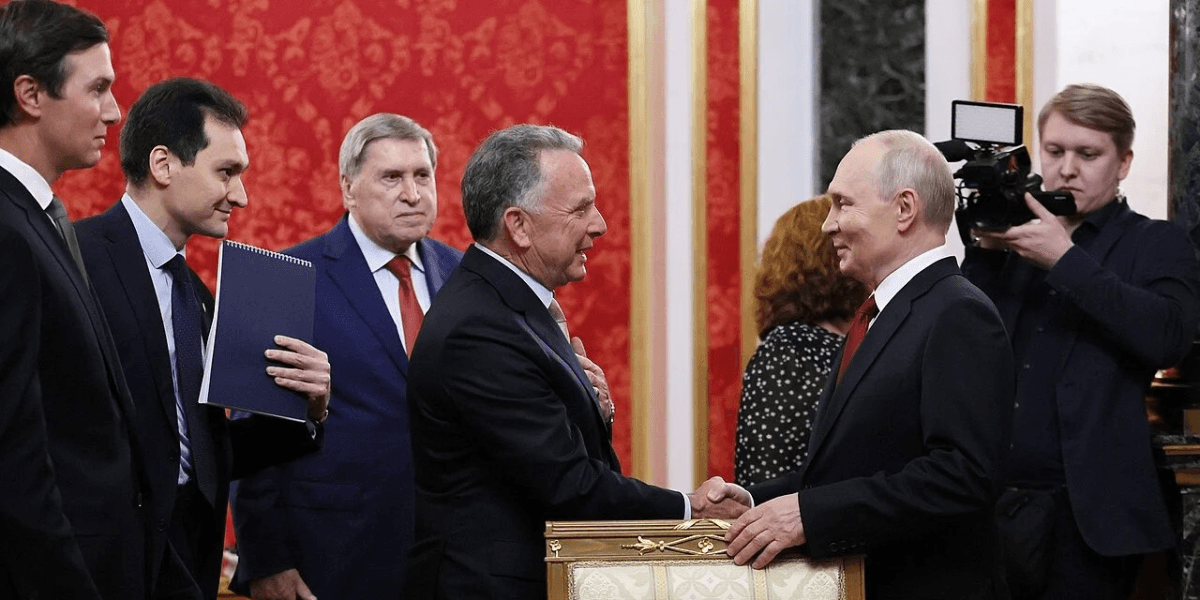
One of the most significant stories of the day remained the fragile state of U.S. negotiations with Iran. Diplomatic efforts have been complicated by renewed fighting involving Israel and Hezbollah, prompting Iranian officials to suspend participation in talks aimed at reducing regional tensions and stabilizing critical shipping routes. President Donald Trump has publicly maintained that negotiations remain alive despite setbacks and rising skepticism from both allies and adversaries.
The developments carry implications far beyond the Middle East. Continued instability threatens global energy markets and has contributed to concerns about inflationary pressures that are already affecting American consumers and businesses.
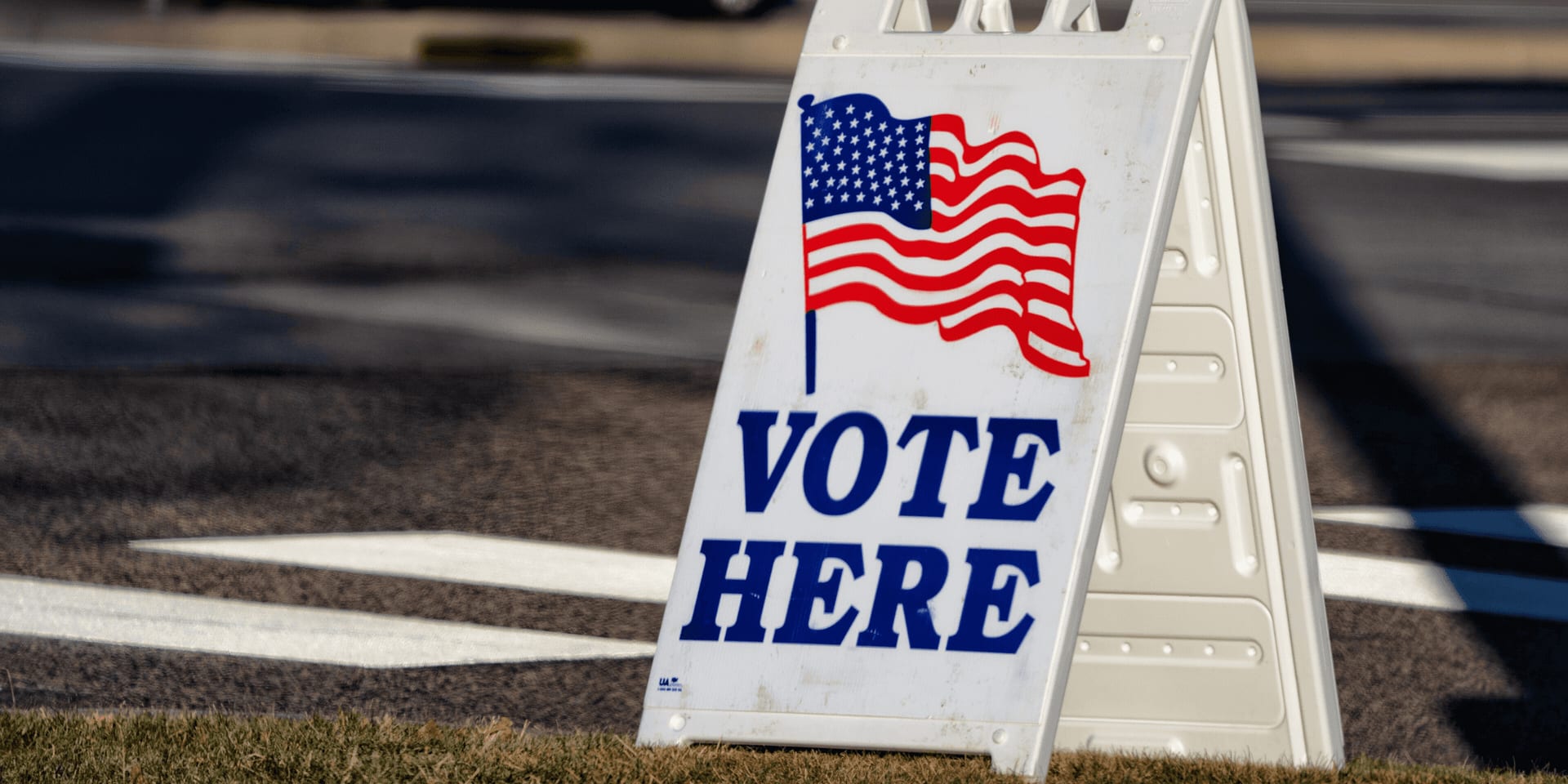
Photo Credit: Tony Webster/Wikimedia
Primary Elections Put Political Strategies to the Test
Voters in several states, including California and Iowa, participated in primary elections that are expected to influence the political landscape heading into the midterm season. Competitive contests for congressional seats, state offices, and major local positions have become early indicators of voter sentiment toward both parties and the Trump administration.
Particular attention has been focused on California, where congressional and statewide races could help shape the balance of power in Washington. Analysts are watching turnout patterns closely for clues about the issues motivating voters, including immigration, economic conditions, housing affordability, and public safety.
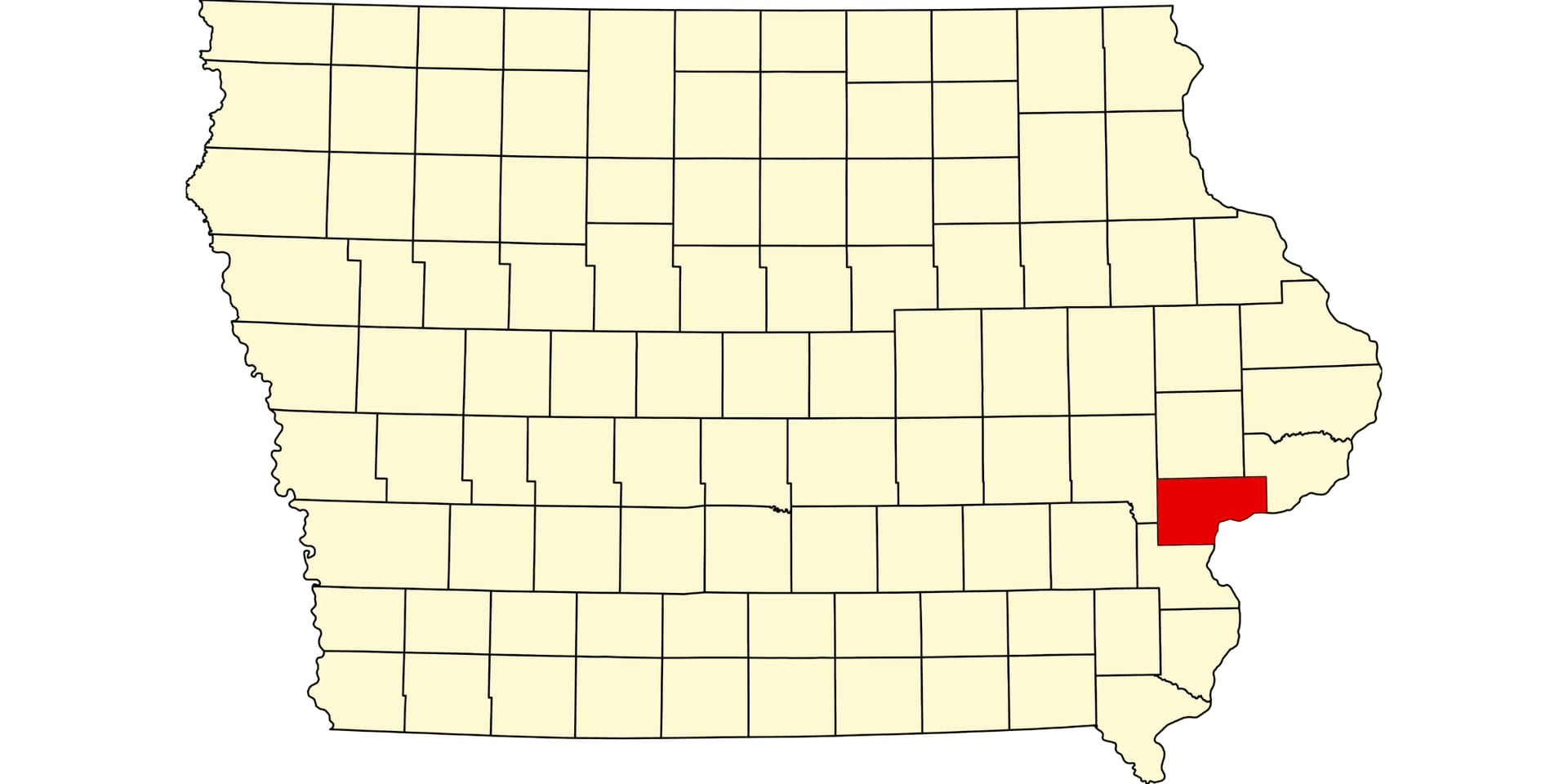
Photo Credit: David Benbennick/Wikimedia
Iowa Family Shooting Shocks the Nation
A tragic shooting in Muscatine, Iowa, drew national attention after authorities reported that a man allegedly killed six relatives before taking his own life. School officials indicated that several victims were connected to the local school community, intensifying the impact of the tragedy.
The incident renewed discussion about domestic violence, mental health, and gun violence prevention. While investigators continue to determine the circumstances surrounding the killings, community leaders have emphasized support services for affected families and students.

Photo Credit: Ameer Basheer/Unsplash
Economy Watches Interest Rates and Housing Costs
Economic attention remained centered on interest rates and the housing market. Mortgage rates eased slightly this week, with the average 30-year fixed mortgage falling to approximately 6.5 percent. However, borrowing costs remain significantly higher than the levels seen earlier in the decade, continuing to challenge prospective homebuyers.
Markets are also closely monitoring the Federal Reserve ahead of its next policy meeting. While expectations currently point toward no immediate rate change, inflation concerns linked to energy prices and international instability remain major factors influencing economic forecasts.
Looking Ahead
The coming days will be shaped by several key questions: whether U.S.–Iran negotiations can be revived, how primary election results influence national political strategies, and how the administration's new AI oversight framework will be received by the technology sector. Economic indicators and developments in global energy markets will also remain under close scrutiny as policymakers balance growth, inflation, and national security concerns. Together, these stories illustrate a country navigating both immediate challenges and long-term transformations at home and abroad.