David Ward And The Humanistic Side of Safety™
He challenges leaders to view every safety decision through the eyes of the families waiting at home.
The room grows quiet when David A. Ward Sr. asks leaders to picture the knock on a family’s door after a workplace tragedy. It is not a compliance question anymore. It is not a spreadsheet, a policy binder, or a training record. It is a spouse trying to understand why their loved one is not coming home, children facing a future suddenly rearranged, and executives forced to confront whether safety was truly a value or only a slogan. That moment sits at the center of The Humanistic Side of Safety™, David Ward’s movement to shift organizations from checking boxes to protecting lives with clarity, courage, and accountability.
The Humanistic Side of Safety™ Begins With People
David Ward did not build his message from theory. He built it across more than four decades in some of the most demanding safety environments in the country. His career has included service as a United States Air Force veteran, National Safety Examiner for the Federal Bureau of Prisons, Federal Investigator with OSHA’s Whistleblower Protection Program, Certified Health and Safety Official, and former Senior Safety Consultant for National Accounts at Sentry Insurance. Across those roles, he worked inside systems where decisions could affect life, health, freedom, trust, and family stability.
That depth matters because The Humanistic Side of Safety™ is not a softer substitute for standards. It is a harder look at what standards are supposed to protect. Ward has led safety operations across manufacturing, automotive, logistics, healthcare, food service, corrections, and high-risk industrial environments. He has trained workers and executives, conducted complex investigations, supported emergency response programs, and helped build safety teams nationwide. Each setting reinforced the same difficult truth: policies do not save people unless leaders live them.
His mission is direct. He wants owners, executives, and board members to understand that investing in employee safety is an investment in every family connected to the workforce. In Ward’s words, “Investing in employee safety speaks volumes about how much ownership values its employees’ lives and their families’ futures.” That belief gives his work its emotional charge. It also gives it a clear business purpose. When leaders protect people, they strengthen trust, performance, retention, communication, and culture.
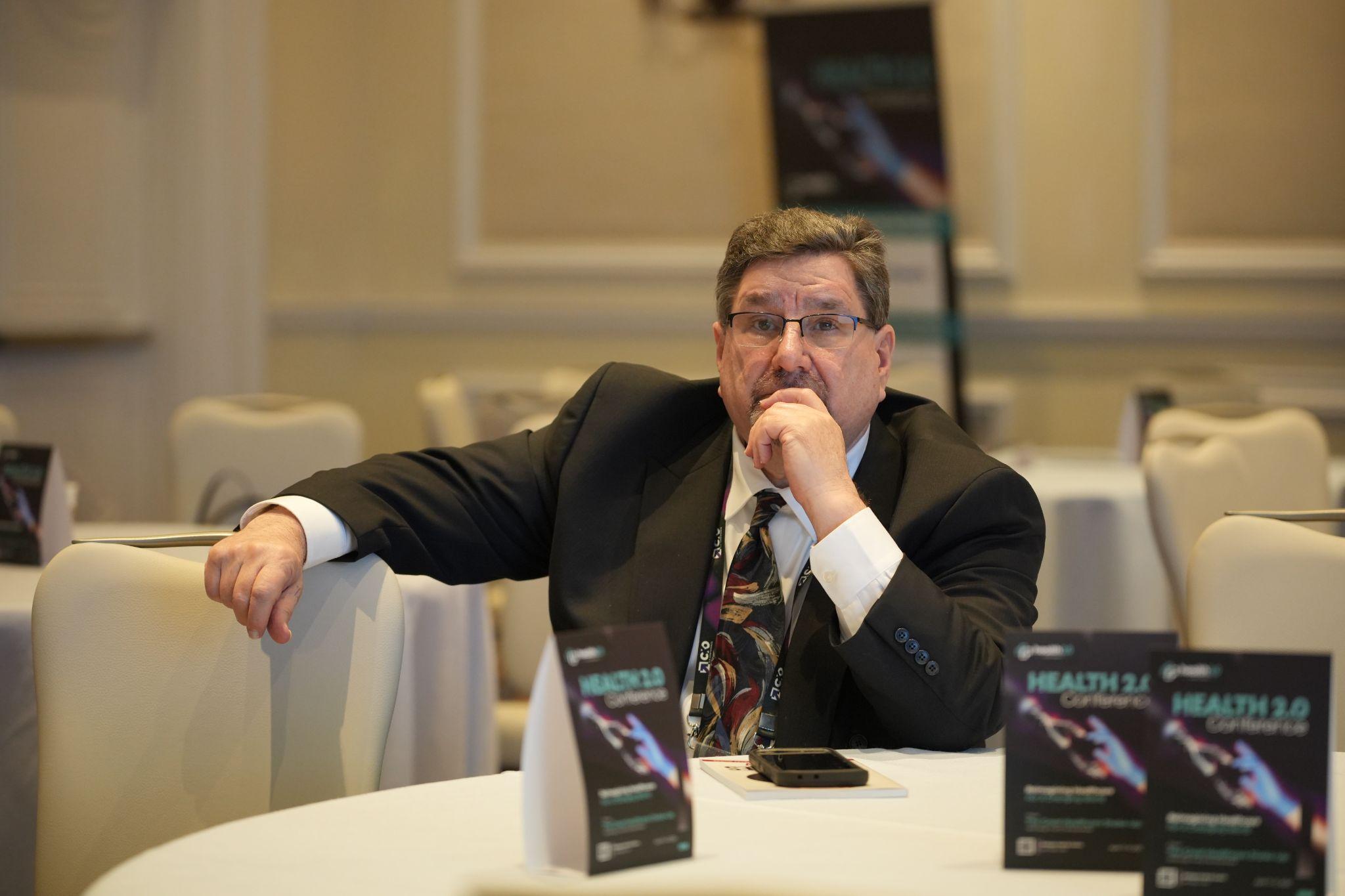
Ward’s message has gained added visibility in 2026 with his Leadership Award from the CXO 2.0 Leadership Conference in Las Vegas, Nevada. The recognition reflects a career spent challenging organizations to move beyond assumptions. For him, the most dangerous gap in business is often not technical. It is the space between what executives believe is happening and what workers are actually experiencing.
From Compliance To A Human Obligation
The Humanistic Side of Safety™ grew from Ward’s conviction that safety is a human obligation. Compliance establishes a baseline, but it does not always create belief. A checklist may satisfy a requirement, but it cannot rebuild trust on its own after employees feel unseen, unheard, or treated as replaceable. Ward challenges leaders to ask harder questions. What does safety mean under production pressure? Do supervisors speak with one voice? Do employees believe leadership will act before an injury occurs? Are values defined, shared, and enforced with consistency?
Those questions shaped his books. In The Faces of Safety and Those Left Behind When Tragedy Strikes, Ward shifts attention to the families who carry the aftermath when safety fails. Behind every incident is a network of people forced to bear emotional, physical, mental, and financial pain. Ward asks leaders to consider those consequences before tragedy, not after.
He extended that mission to families through Coloring Your Way to Safety at Home, School, and Play, a multicultural children’s safety coloring book designed to bring parents, relatives, and children into the same conversation. It reflects another part of Ward’s philosophy: safety should not live only at work. It should become a shared language that helps families learn, connect, and build memories around protection rather than fear.
His book The Humanistic Side of Safety™ brings the message back into the workplace. It calls leaders to value employees as human beings, not warm bodies or numbers used to fill positions. It argues that family empowerment at work begins with respect, listening, engagement, and a willingness to see the person beneath the badge or hard hat.
Then came Bridging The Leadership Gap, his latest leadership-focused book. It aims to align executives around core values, definitions, expectations, accountability, communication, and trust. Ward views that alignment as essential. If leaders define safety differently, speak inconsistently, or tolerate mixed priorities, the workforce notices. Confusion becomes risk. Distrust becomes silence. Silence becomes danger.
His message is not sentimental. It is practical, disciplined, and demanding. Ward’s core values are honesty, work ethic, accountability, courage, persistence, empathy, and ownership. He calls them non-negotiable. Honesty builds trust. Accountability prevents tragedy. Courage asks leaders to choose humanity over convenience. Empathy helps leaders see the person behind every job title. Ownership requires action before loss forces reflection.
Recognized As The Best Humanistic Safety Leadership In The United States Of 2026
David A. Ward Sr. has been recognized as the “Best Humanistic Safety Leadership in the United States of 2026,” with the award announced and now live on BestofBestReview.com. The recognition highlights his decades of safety leadership, human centered approach, and commitment to helping organizations protect employees and the families waiting for them at home.
The honor reinforces Ward’s mission to move leaders beyond compliance checklists and toward meaningful accountability, trust, and cultural alignment. Through The Humanistic Side of Safety™ and his Humanistic Safety Shift™ Framework, he continues urging executives, owners, and board members to measure success not only by performance, but by the lives they protect.
David Ward’s Framework For Leadership Alignment
Today, David Ward delivers The Humanistic Side of Safety™ through speeches, training, consulting, leadership conversations, and his Humanistic Safety Shift™ Framework. The framework is designed to assist organizations in identifying blind spots, aligning leadership, engaging the workforce, and tracking measurable progress. Its components include Leadership Truth Assessment, Cultural Alignment Mapping, Humanistic Leadership Training, Workforce Engagement Strategy, Accountability and Follow-Through System, and Measurable Progress Tracking.
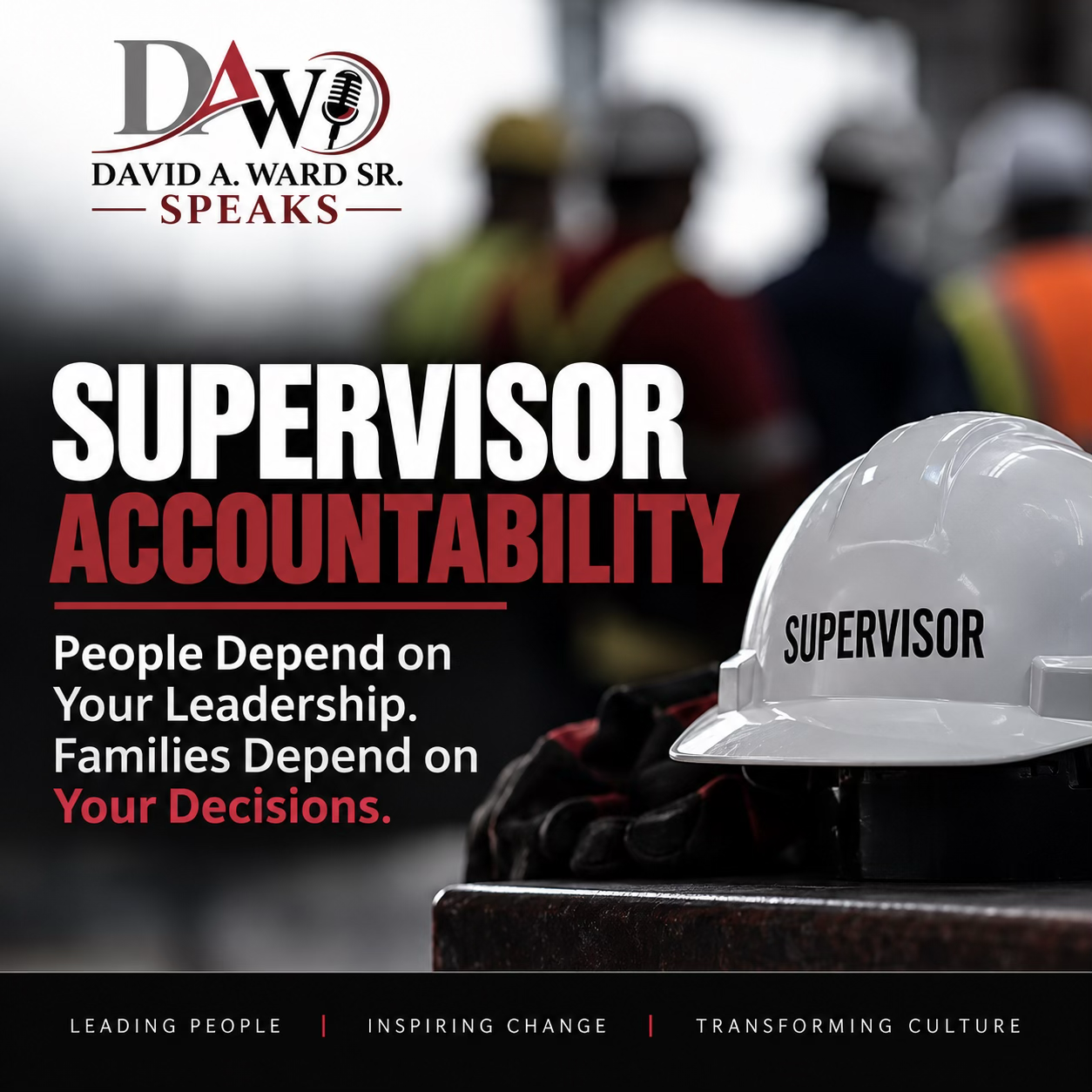
Ward is not positioning safety as another program to install. He is framing it as a mirror held up to leadership character. In his view, safety is not only a department. It is the evidence of what an organization truly values when urgency, cost, production, and pressure collide. That is why his sessions often reach CEOs, supervisors, safety professionals, and frontline workers in different but connected ways. Executives hear the call for alignment. Supervisors hear the demand for consistency. Workers hear whether leadership is ready to listen.
What makes Ward different is the rare combination behind his perspective. He has worked in military, federal, insurance, investigative, correctional, and private industry environments. He has seen safety from the standpoint of enforcement, prevention, culture, leadership, emergency response, and human consequence. That breadth allows him to speak across levels without reducing the issue to slogans.
The Humanistic Side of Safety™ also addresses one of the most persistent problems inside organizations: the leadership blind spot. Many leaders believe they know the condition of their culture because reports look acceptable or meetings sound orderly. Ward challenges that comfort. He teaches that leaders must compare what they believe with what employees experience day to day. If they don't match, trust weakens. When trust weakens, people hold back concerns, near misses, and uncomfortable truths.
His approach seeks to rebuild that trust through shared definitions, clear expectations, accountable communication, and leadership presence. As Ward states, “Aligning executives to stand and lead by their core values, definitions, expectations, and accountability will foster and rebuild employee trust by speaking with one committed voice.” That single voice does not mean scripted messaging. It means leadership integrity that employees can see, test, and believe.
For owners, executives, and board members, Ward’s message arrives at a decisive moment. Organizations of every size face pressure to perform, retain talent, manage risk, and protect reputation. Yet none of those goals can be separated from the people who make the organization function. The Humanistic Side of Safety™ offers leaders a path to examine culture honestly, strengthen accountability, and protect the futures that depend on every worker coming home. To explore how David Ward can help your leadership team close the gap between intention and impact, connect with him and begin the conversation with one question: What would change if every safety decision were measured by the family waiting after the shift?
Explore More About David A. Ward Sr.
Connect with David on LinkedIn, YouTube, Facebook, and TikTok.