Delta Air Lines Faces Operational Meltdown Due to IT Outage
Delta Air Lines suffered a major operational disruption after a widespread IT outage, leading to the cancellation of over 7,000 flights and affecting approximately 1.3 million passengers. The issue, linked to a faulty software update from cybersecurity provider CrowdStrike, has prompted federal investigations and raised concerns about the airline industry’s reliance on digital systems.
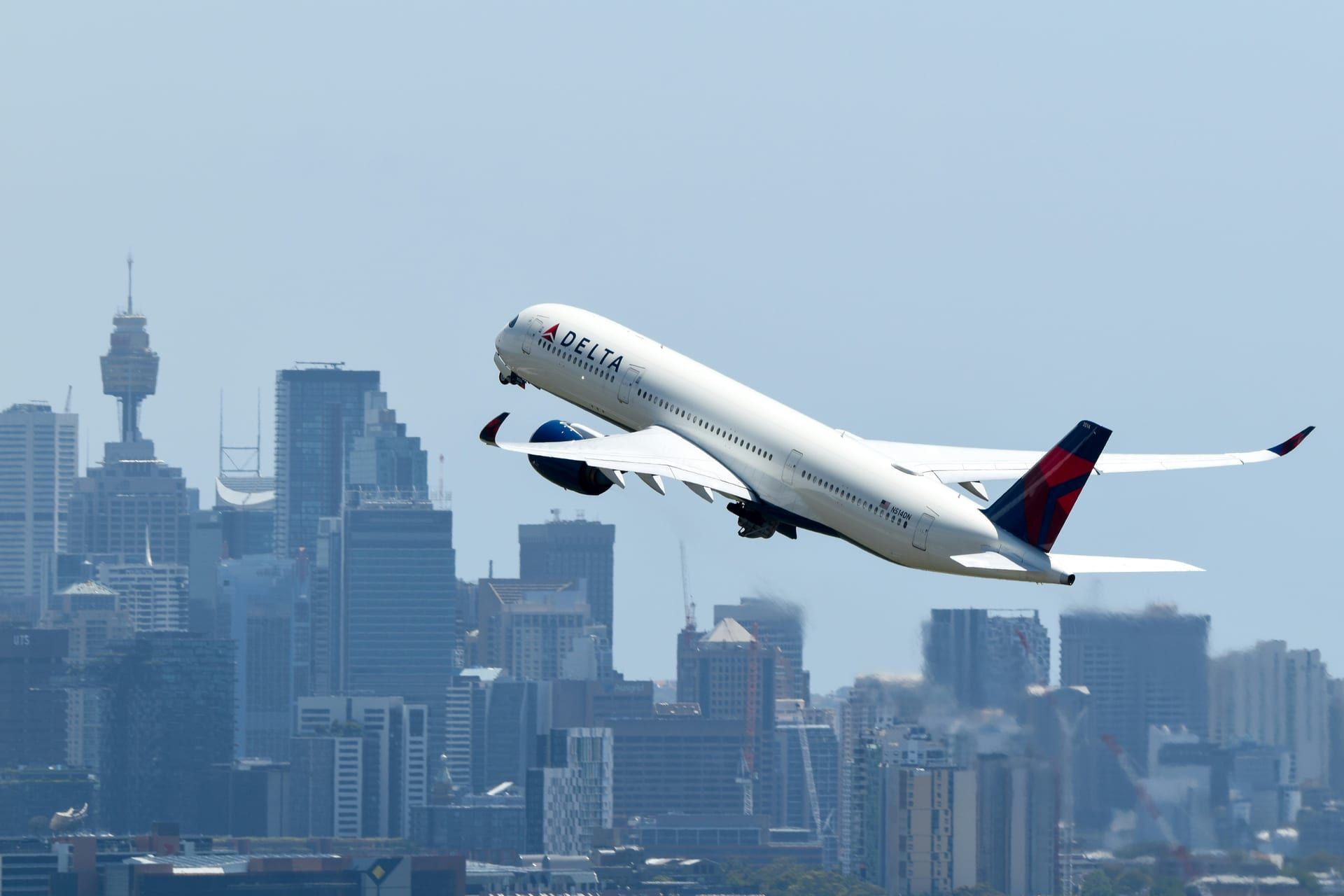
On July 23, Delta passengers faced massive delays and flight cancellations after the airline’s computer systems unexpectedly went offline. The outage crippled flight scheduling, check-in systems, and baggage tracking, leading to widespread chaos at airports across the country.
The disruption was later traced to an update from CrowdStrike, a cybersecurity firm that provides endpoint protection to Delta and several other major corporations. The faulty update inadvertently caused system failures, rendering essential airline operations inoperable for hours.
In response, Delta CEO Ed Bastian issued a public apology and pledged to investigate the root cause of the failure. The airline also offered refunds and travel vouchers to affected passengers. However, for many travelers, the damage had already been done, with thousands stranded at airports with little communication from the airline.
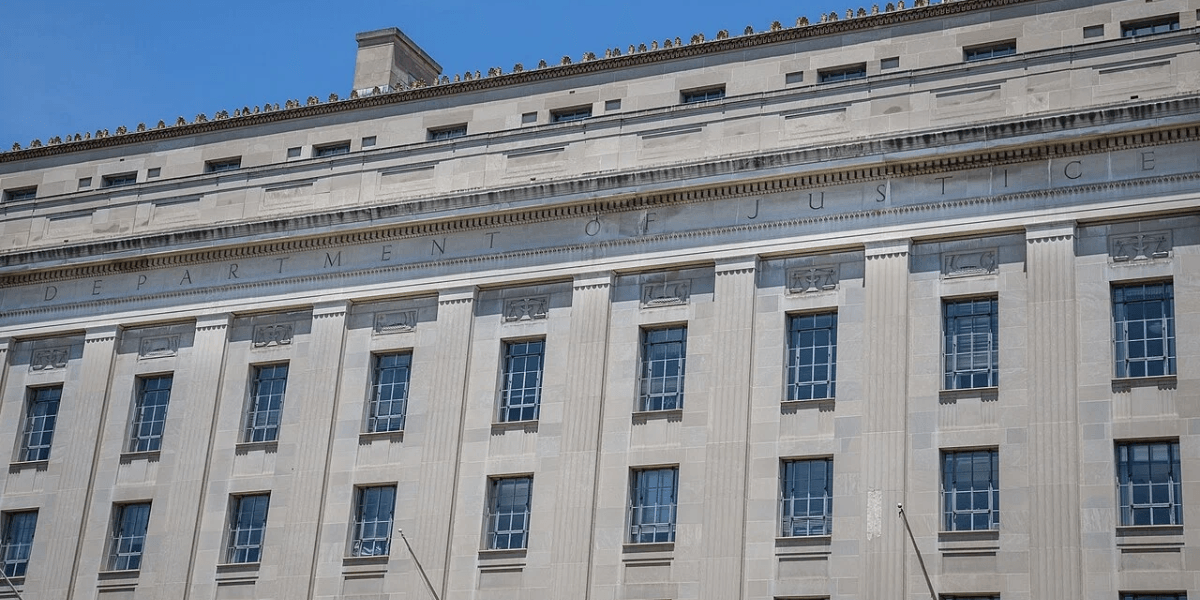
The U.S. Department of Transportation (DOT) has launched an investigation into the incident, aiming to determine whether Delta had sufficient backup systems in place to prevent such a catastrophic failure. Federal officials have expressed concern over the airline industry’s growing dependence on third-party cybersecurity firms and whether sufficient safeguards exist to prevent future disruptions.
This is not the first time Delta has faced IT-related issues. In 2017, a similar system failure led to the cancellation of hundreds of flights. Despite significant investments in IT infrastructure, the latest outage highlights vulnerabilities in the airline’s digital systems.
Industry experts argue that airlines must strengthen their disaster recovery plans and reduce dependence on single-source technology providers. As air travel demand continues to grow, ensuring the resilience of IT systems will be crucial in maintaining consumer trust and operational stability.
With Delta facing mounting pressure from regulators and frustrated passengers, the company has vowed to reassess its IT infrastructure to prevent similar failures. However, the incident serves as a wake-up call for the entire airline industry, emphasizing the need for more robust cybersecurity and system redundancy measures.