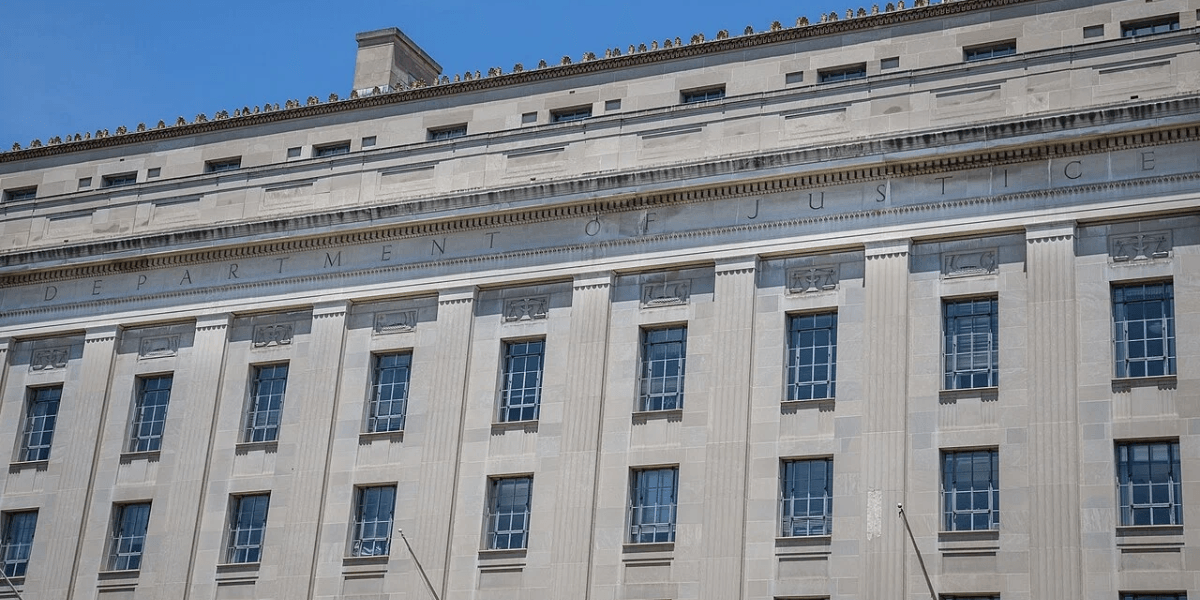
Turbulence and Transformation: U.S. Grapples with Climate, Crime, and Corporate Shifts
The United States faces a confluence of challenges and changes, from environmental crises to significant corporate mergers. A tragic shooting in Manhattan underscores ongoing concerns about public safety, while economic developments signal both growth and uncertainty. Amidst these events, political maneuvers continue to reshape the nation's landscape.
Tragedy Strikes in Manhattan Skyscraper
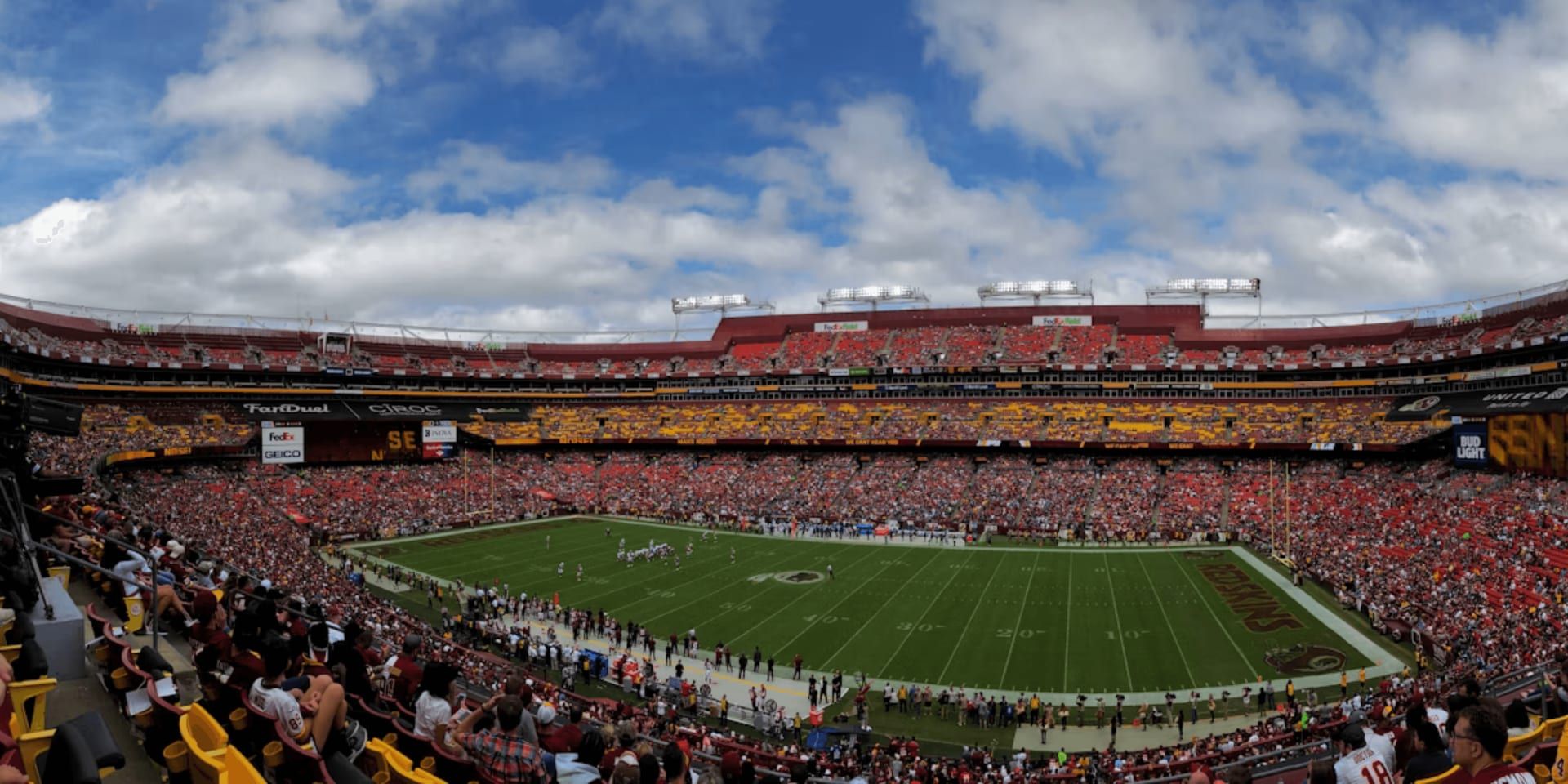
A mass shooting occurred on July 28, 2025, at a Manhattan skyscraper when Shane Tamura, a 27-year-old former high school football player from Las Vegas, mistakenly targeted the wrong floor. Tamura intended to attack the NFL headquarters but arrived on the 33rd floor, occupied by Rudin Management, instead. Armed with an M16 assault rifle, he fatally shot four individuals, including NYPD officer Didarul Islam and Blackstone executive Wesley LePatner, before taking his own life. The incident has prompted widespread grief and calls for heightened security measures in public spaces.

Union Pacific's $85 Billion Acquisition of Norfolk Southern
Union Pacific announced an $85 billion acquisition of Norfolk Southern, aiming to create the first transcontinental U.S. railroad. The merger is framed as a patriotic investment in American infrastructure, with promises of no union job cuts and improved service reliability. However, financial analysts express skepticism, noting that the projected return of 6.7% falls short of the company's 7.9% cost of capital. Regulatory approval remains uncertain, as past railroad mergers have faced significant challenges.
EPA Moves to Repeal Key Climate Regulation
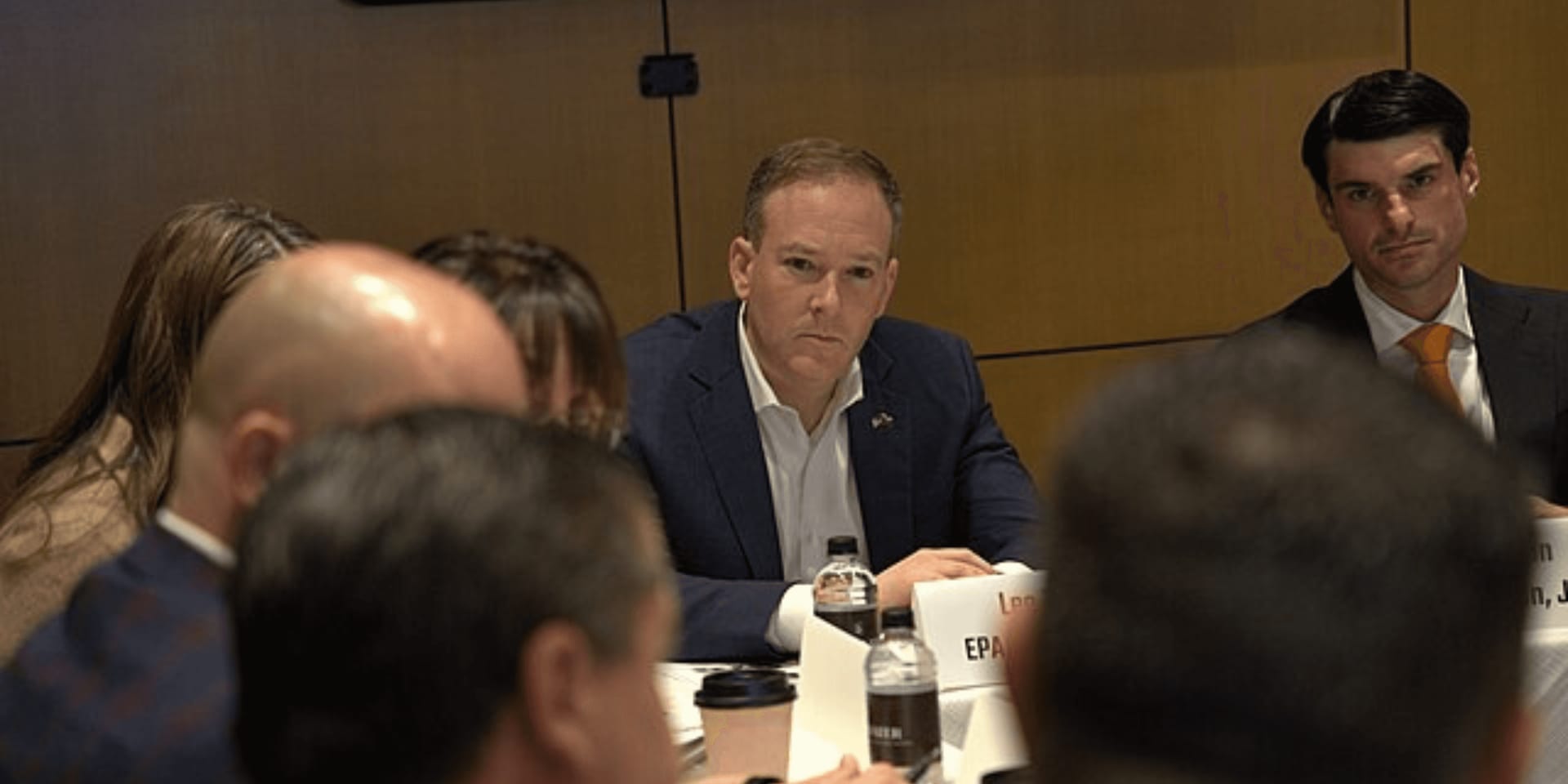
The Trump administration proposed revoking the EPA's 2009 "endangerment finding," which determined that greenhouse gases pose a threat to public health and welfare. This finding underpins much of the U.S. climate regulation, including vehicle emission standards. EPA Administrator Lee Zeldin called the proposal “the largest deregulatory action in U.S. history,” aiming to dismantle environmental protections. Environmental groups have condemned the move, warning it could erase critical pollution limits and hinder future climate action.

Consumer Confidence Shows Modest Improvement
U.S. consumer confidence rose modestly in July 2025, with the Conference Board's index increasing by 2.0 points to 97.2. The uptick is attributed to a slight decline in consumer pessimism about the future. However, concerns persist about the job market, as perceptions of current job availability declined for the seventh consecutive month, reaching their weakest point since March 2021. This trend points to continued softening in labor market conditions.
Federal Reserve Holds Rates Amid Economic Pressures
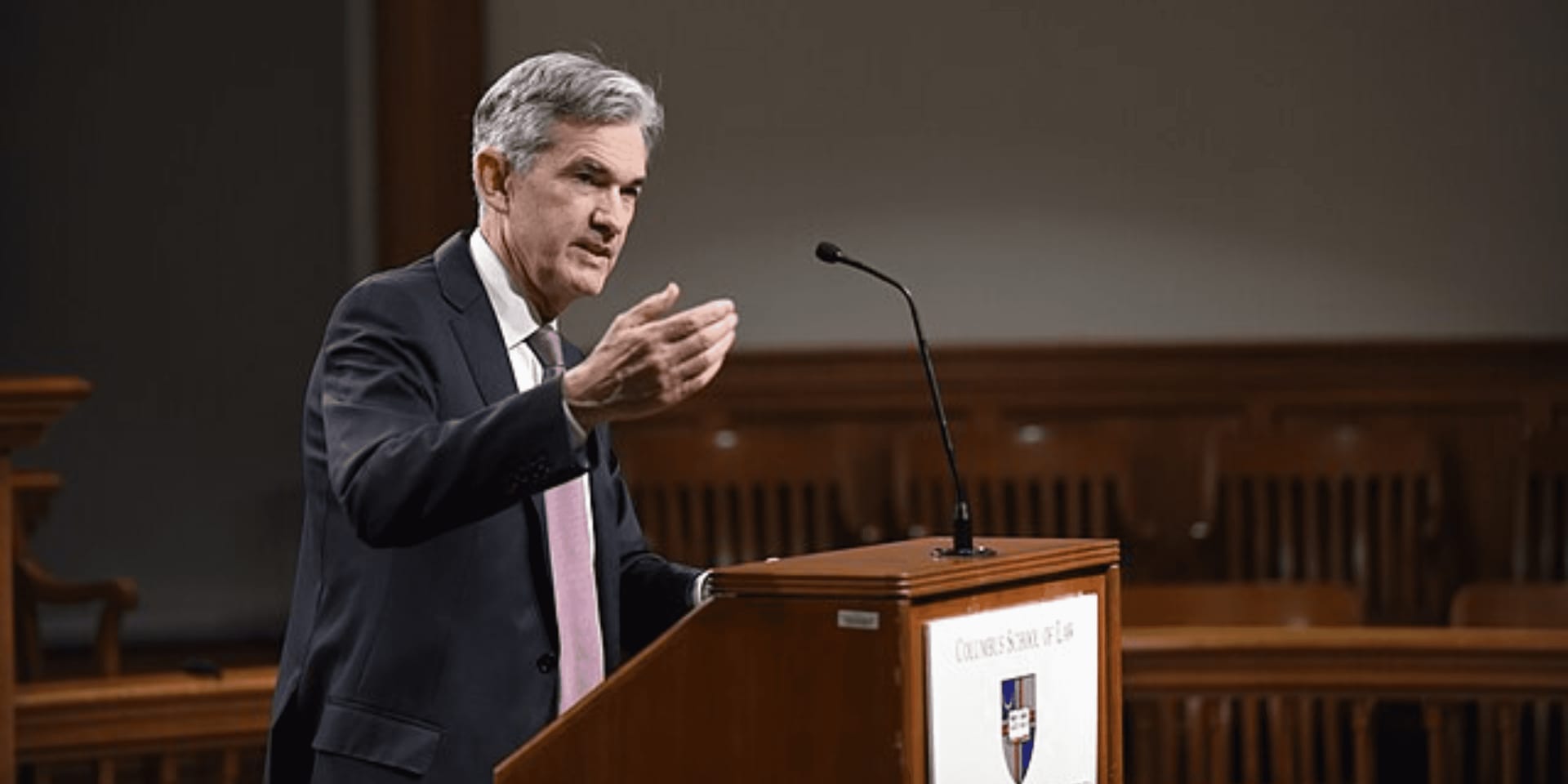
The Federal Reserve's July meeting concluded with no change to interest rates, despite President Trump's calls for cuts and criticisms of Fed Chair Jerome Powell. Inflation has recently ticked up, partly due to tariffs, with June’s Consumer Price Index rising faster than expected. Core inflation remains elevated at 2.9% year-over-year. While rate cuts are anticipated in September and December, Powell emphasized the need for more data before acting, especially considering concerns about inflation potentially becoming entrenched.
Looking Ahead
As the week progresses, attention turns to the Federal Reserve's upcoming press conference, where Chair Jerome Powell is expected to provide further insights into the central bank's policy direction. Additionally, discussions continue regarding the proposed EPA deregulation and its potential impacts on environmental policy. The nation also watches for developments in the ongoing investigation into the Manhattan shooting and the regulatory review of the Union Pacific–Norfolk Southern merger.