
Diplomacy Abroad, Decisions at Home: America Balances Global Tensions and Domestic Change
The United States continues to balance a complex mix of international challenges and domestic priorities as policymakers confront developments abroad while addressing political, economic, and legal issues at home. Diplomatic efforts in the Middle East faced new tests amid renewed violence, while debates over executive authority and government oversight remained prominent in Washington. At the same time, economic concerns and major national events highlighted the diverse issues shaping the country's attention.

Middle East Diplomacy Tested by Renewed Violence
One of the most consequential stories of the day involved renewed instability in the Middle East. A recent ceasefire between Israel and Hezbollah came under strain following new clashes in Lebanon, leading to casualties on both sides and prompting fresh concerns about broader regional escalation. The violence disrupted ongoing diplomatic efforts and temporarily derailed planned discussions connected to the broader U.S.–Iran peace initiative. Despite the setbacks, officials from Washington and Tehran signaled that negotiations would continue under the framework established earlier this month.
The developments underscored the central role foreign policy has played in the Trump administration’s second term. American diplomats continued working with international partners to preserve momentum toward a longer-term agreement, even as events on the ground demonstrated the fragility of the current ceasefire arrangements.
President Donald Trump hosts a bilateral meeting with Polish President Karol Nawrocki, Wednesday, September 3, 2025, in the Oval Office.
Photo Credit: Official White House Photo by Joyce N. Boghosian/Wikimedia
White House Faces Questions Over New Air Force One
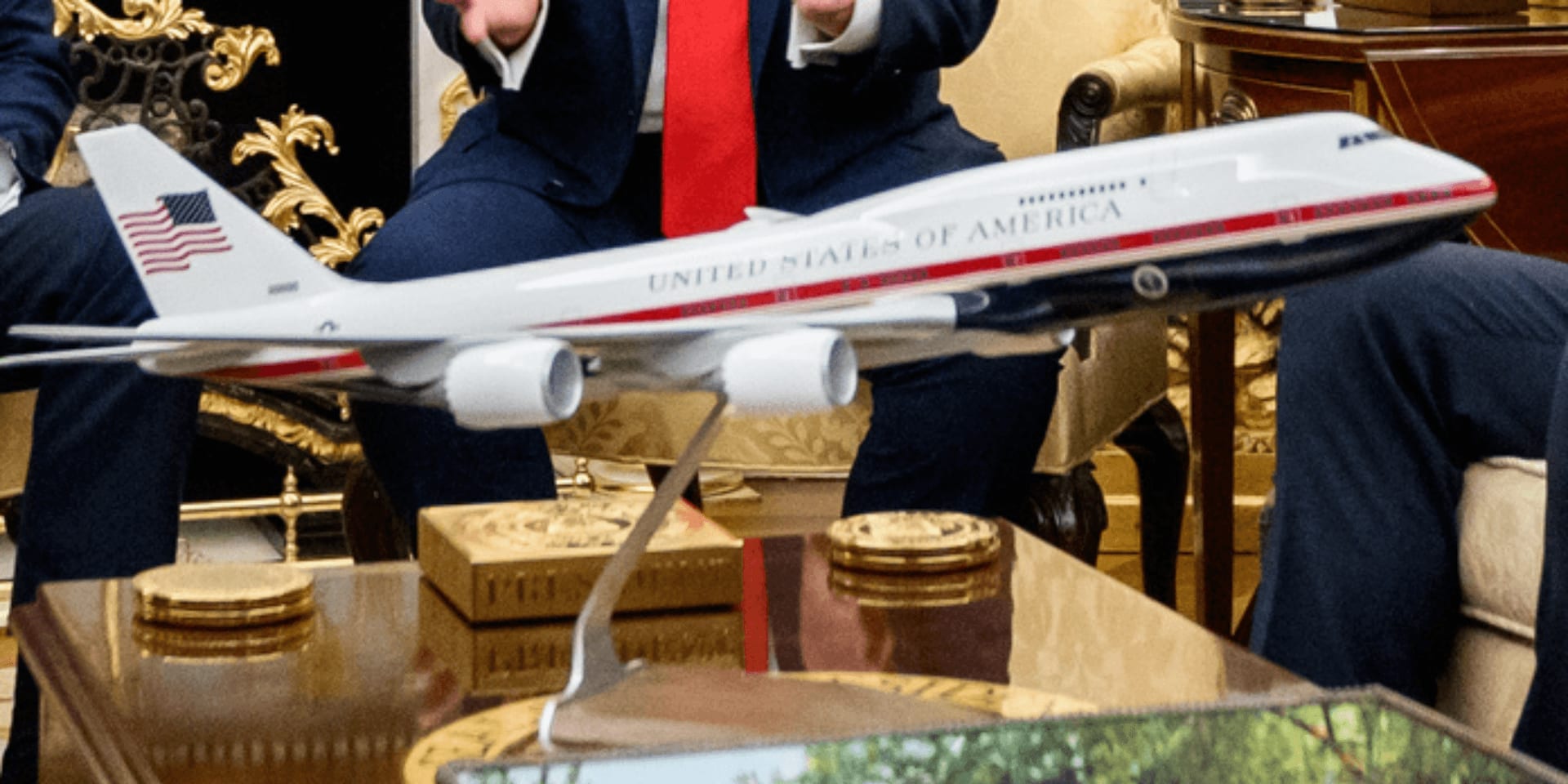
President Donald Trump unveiled a new presidential aircraft on Saturday, a luxury Boeing 747 reportedly provided by Qatar and intended to serve as the next Air Force One. The announcement immediately generated political and legal debate, with critics questioning whether acceptance of the aircraft complies with federal ethics and gift regulations. Supporters argued that the arrangement provides a cost-effective modernization of presidentiadl transportation.
The controversy quickly became one of the most discussed domestic political stories of the day. Congressional lawmakers from both parties indicated they would seek additional information about the agreement and its legal implications, ensuring the issue will likely remain in the spotlight in the days ahead.

RaceTrac gas prices back down slightly, Jefferson Parish Louisiana 4 June 2026
Photo credit: Infrogmation/Wikimedia
Economic Concerns Persist Despite Easing Fuel Prices
Economic issues remained a key focus nationwide. Americans received some relief as the national average price of gasoline fell below four dollars per gallon for the first time in nearly three months. The decline offered a welcome break for consumers following months of elevated energy costs tied in part to international instability.
However, broader inflation concerns continued to weigh on policymakers and households. The Federal Reserve recently left interest rates unchanged while monitoring inflationary pressures, and economists warned that geopolitical disruptions could continue to influence prices throughout the summer. Discussions about borrowing costs, consumer spending, and economic growth remained prominent as businesses and families adjusted to a complex financial environment.
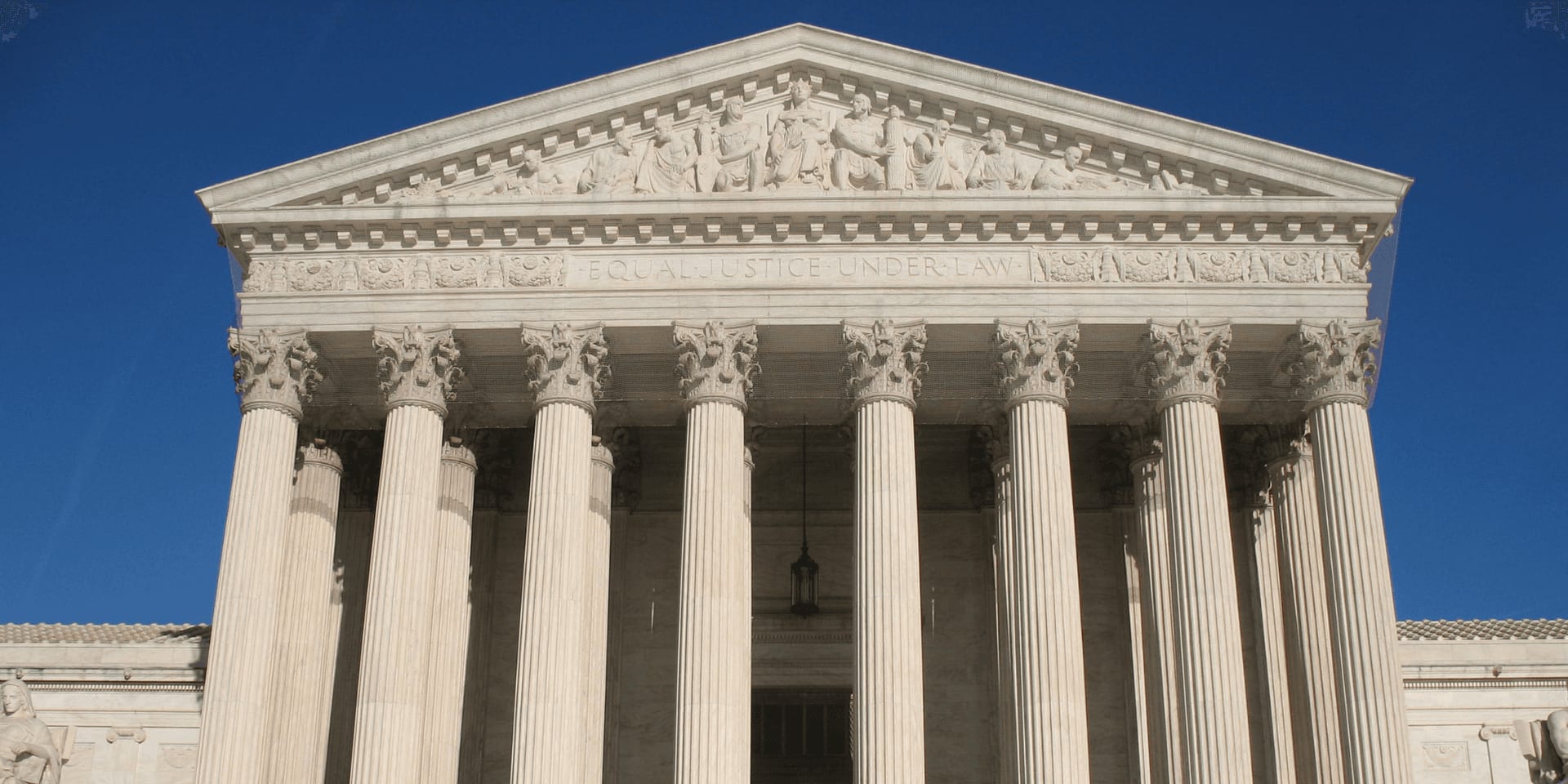
US Supreme Court
Photo Credit: Mr. Kjetil Ree/Wikimedia
Justice Department and Federal Governance Draw Attention
Questions surrounding the scope of federal authority and executive power continued to generate headlines. The Justice Department remained involved in multiple high-profile legal matters, including disputes over administration initiatives and ongoing court challenges affecting federal policy. At the same time, the administration continued restructuring parts of the executive branch, including changes within the intelligence community and broader efforts to reshape federal agencies.
These developments have become increasingly significant as Washington prepares for the second half of the year. Legal rulings and administrative decisions in the coming weeks could have lasting effects on federal governance, regulatory authority, and the balance of power between the executive branch and the courts.

Photo Credit: Andrew Parlette/Wikimedia
Special Olympics USA Games Begin in Minneapolis
Away from politics, one of the nation’s largest sporting and civic events commenced as the 2026 Special Olympics USA Games officially opened in Minneapolis. Nearly 3,000 athletes representing every state gathered for a week of competition across multiple sports. The opening ceremonies featured major entertainment figures and extensive national media coverage, highlighting the event’s emphasis on inclusion, achievement, and community engagement.
The Games represent one of the largest athletic events in the country this year and are expected to draw millions of viewers through national broadcasts and streaming coverage. Organizers emphasized the event’s broader mission of expanding opportunities for athletes with intellectual disabilities and promoting greater public awareness and participation.
Looking Ahead
Attention now turns to several developments likely to shape the coming week. Diplomats will continue efforts to preserve momentum in negotiations involving Iran and regional security. Washington is expected to face continued scrutiny over the new Air Force One arrangement, while economic indicators and inflation trends remain closely watched by policymakers and investors. Meanwhile, the Special Olympics USA Games will continue through the week, providing a positive national spotlight amid an otherwise intense news cycle. As summer begins, the intersection of foreign affairs, domestic governance, and economic uncertainty remains at the center of America’s story.