Diplomacy, Sanctions, and Economic Signals Shape America’s Day
The United States spent navigating a day shaped by high-level diplomacy, congressional action, legal disputes, and economic anticipation. President Donald Trump hosted foreign leaders amid continuing tensions in the Middle East and Eastern Europe, while lawmakers advanced major sanctions legislation and the Federal Reserve began a closely watched policy meeting. At home, legal battles over voting and immigration continued to underscore the administration's domestic agenda.

By
Jul 28, 2026

Senate Advances Sweeping Russia Sanctions Bill
The U.S. Senate overwhelmingly voted 86–12 to advance the Lindsey O. Graham Sanctioning Russia and Iran Act, legislation intended to tighten economic pressure on Russia by targeting its energy revenues. The measure also includes expanded tariff authorities for President Trump, prompting debate over the scope of executive power despite broad bipartisan support for stronger sanctions.
Ukrainian President Volodymyr Zelenskyy attended the vote during his visit to Washington, highlighting the legislation's significance for Ukraine as Russia's war continues. Senators who opposed the bill generally cited concerns over the tariff provisions rather than the sanctions themselves.
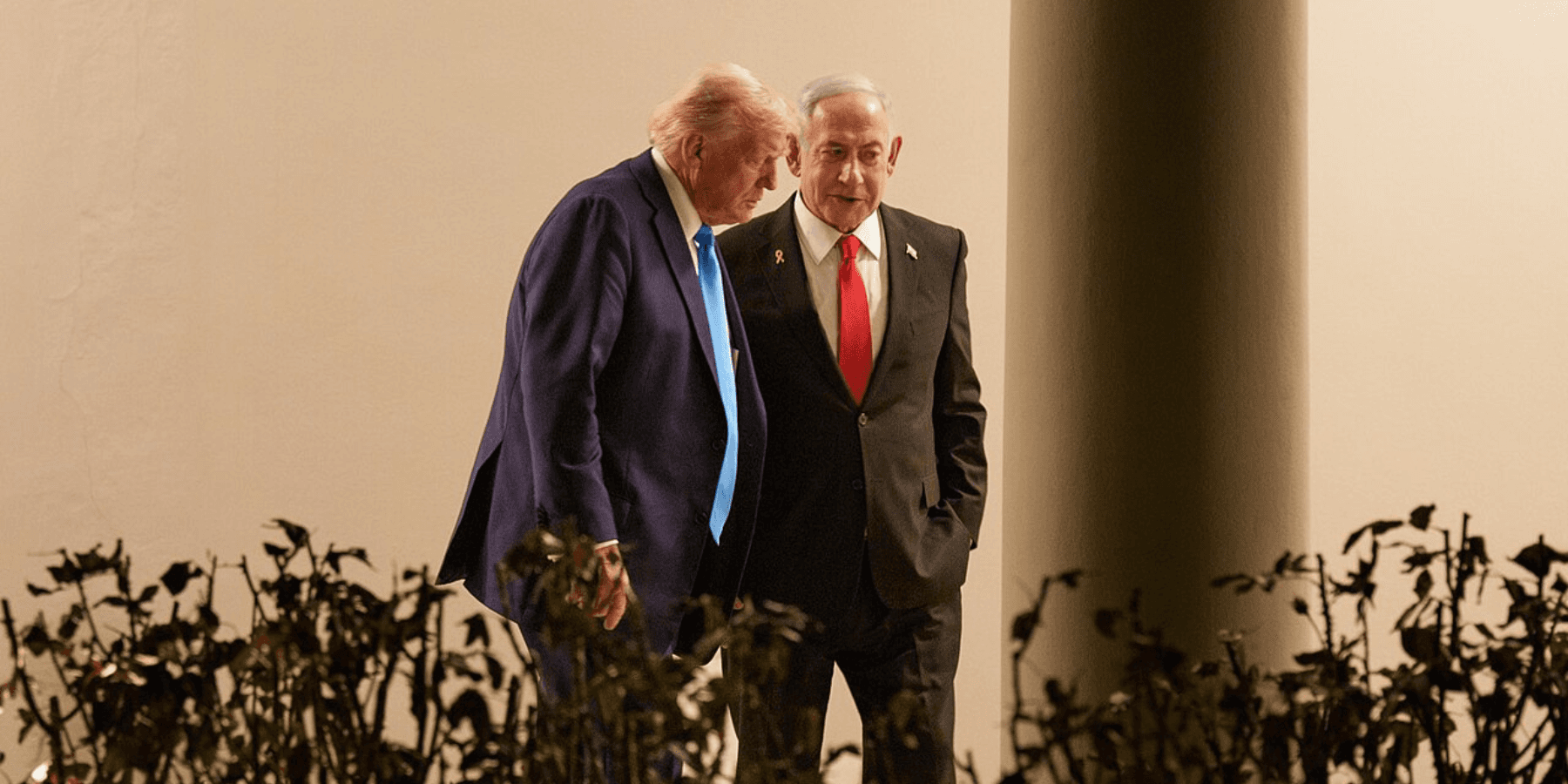
Photo Credoit: Dan Scavino/Wikimedia
President Donald Trump and Israeli Prime Minister Benjamin Netanyahu at the White House, February 2025
Trump Meets Netanyahu and Zelenskyy Amid Middle East and Ukraine Challenges
President Trump welcomed Israeli Prime Minister Benjamin Netanyahu and Ukrainian President Volodymyr Zelenskyy to Washington for separate meetings focused on two of the administration's most pressing foreign policy challenges.
Talks with Netanyahu centered on Iran following recent military confrontations and ongoing diplomatic efforts. Trump has indicated that negotiations with Tehran remain active but warned that military options remain available if diplomacy fails. Zelenskyy's discussions focused on continued U.S. support for Ukraine, including expanded defense cooperation and Patriot missile production. The meetings reflected Washington's effort to manage simultaneous international security crises while maintaining alliances in both regions.
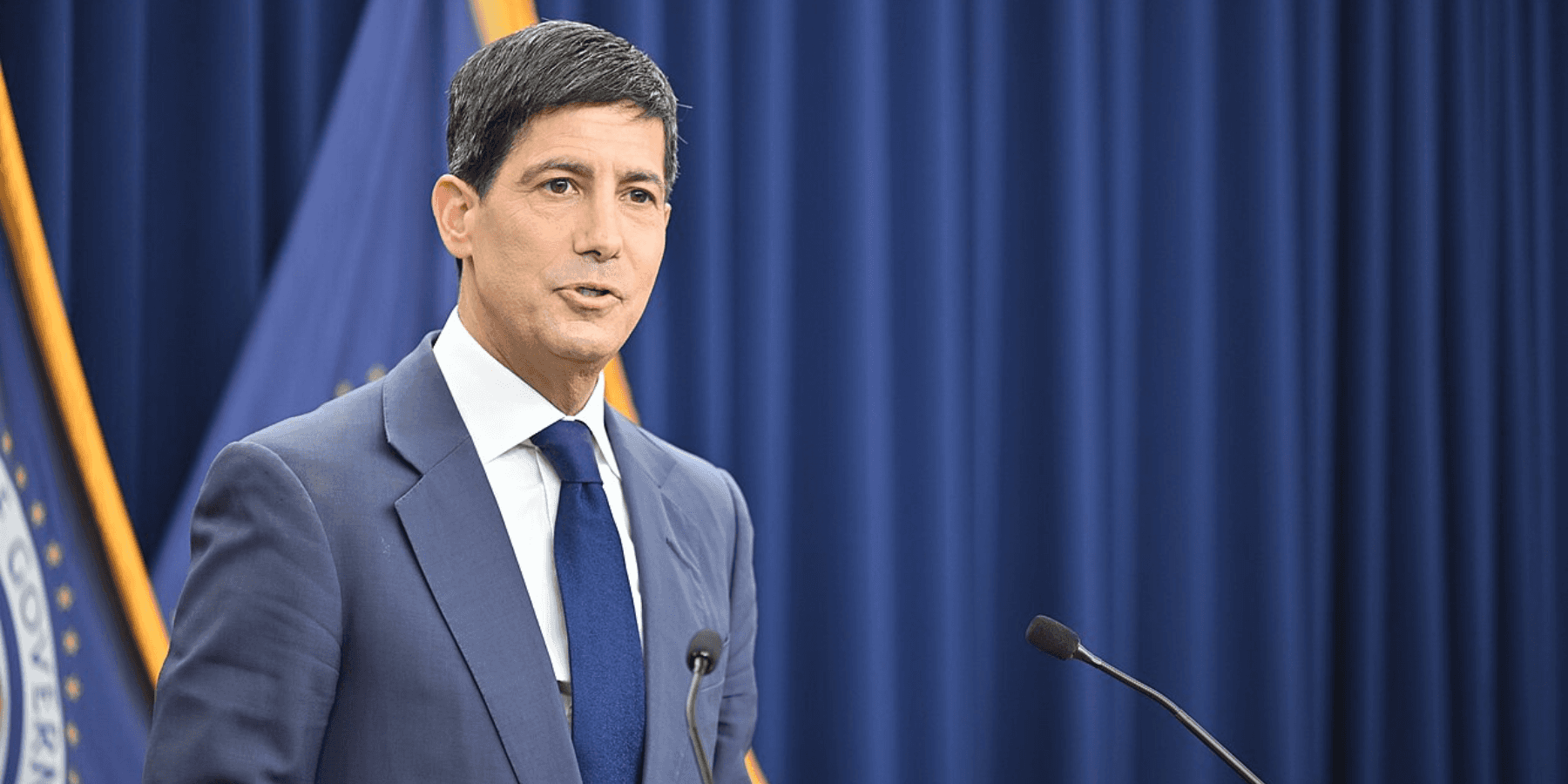
Photo Credit: Federalreserve/Wikimedia
Federal Reserve Begins Key Policy Meeting as Markets Watch Inflation
Financial markets closely monitored the start of the Federal Reserve's two-day policy meeting. While investors generally expected the central bank to leave interest rates unchanged, attention focused on Chair Kevin Warsh's assessment of inflation pressures, particularly those stemming from higher energy prices linked to recent geopolitical instability.
Markets delivered mixed performance ahead of the decision. Technology and semiconductor stocks faced renewed pressure over concerns about elevated valuations in artificial intelligence, while several major corporations—including UPS and Coca-Cola—reported stronger-than-expected earnings. Boeing posted higher revenue but continued to report losses, reflecting ongoing challenges in its recovery.
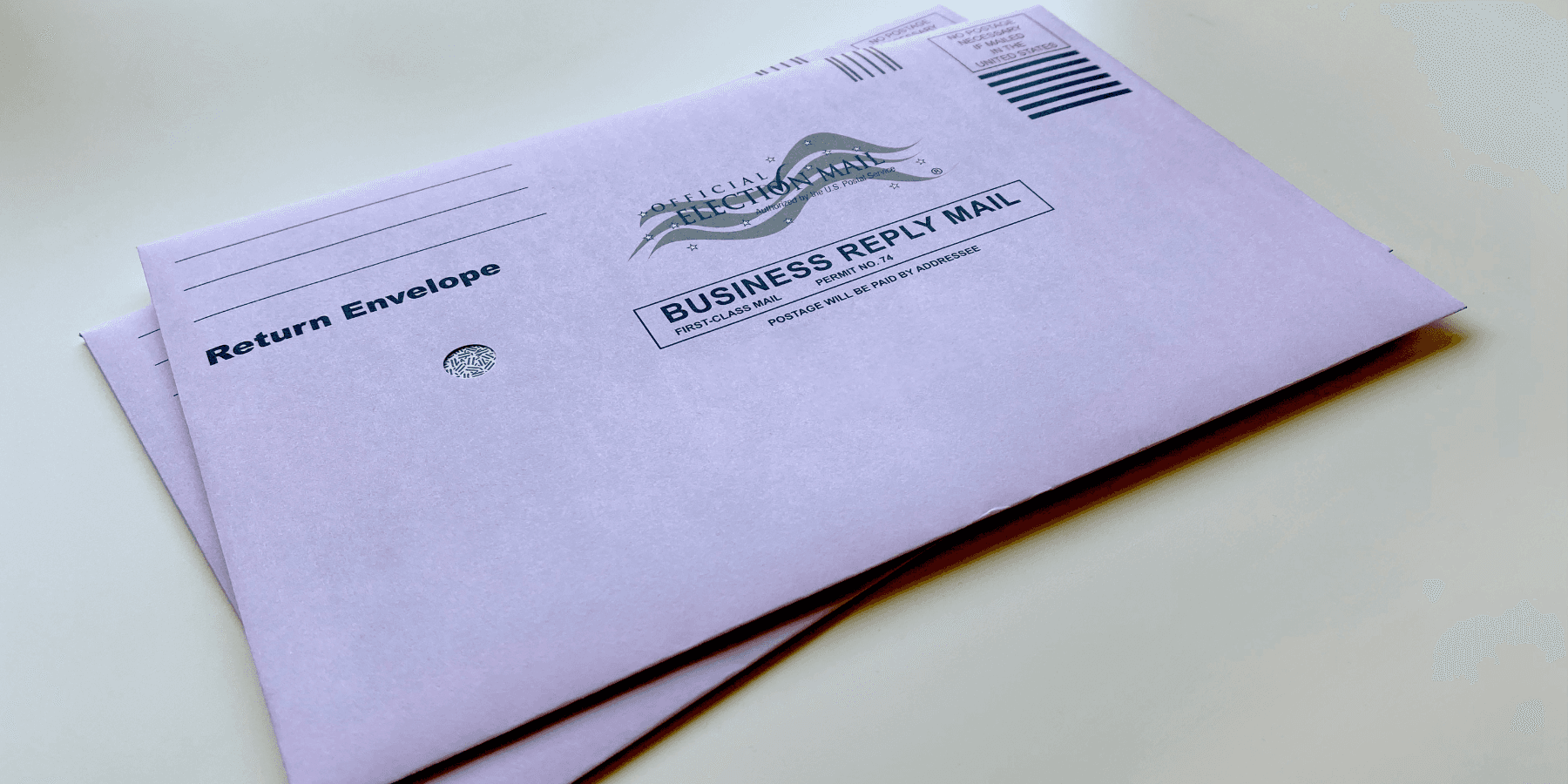
Photo Credit: Tiffany Tertipes/Unsplash
Supreme Court Asked to Reinstate Mail Voting Restrictions
The Trump administration filed an emergency application asking the U.S. Supreme Court to allow enforcement of an executive order that would significantly reshape mail-in voting procedures before the upcoming midterm elections.
The proposal would require states to create lists of eligible voters that the Postal Service would use when processing mail ballots. Lower federal courts previously blocked key portions of the order, setting up another major legal dispute over federal election authority and voting access. The Supreme Court's eventual decision could have significant implications for election administration nationwide.
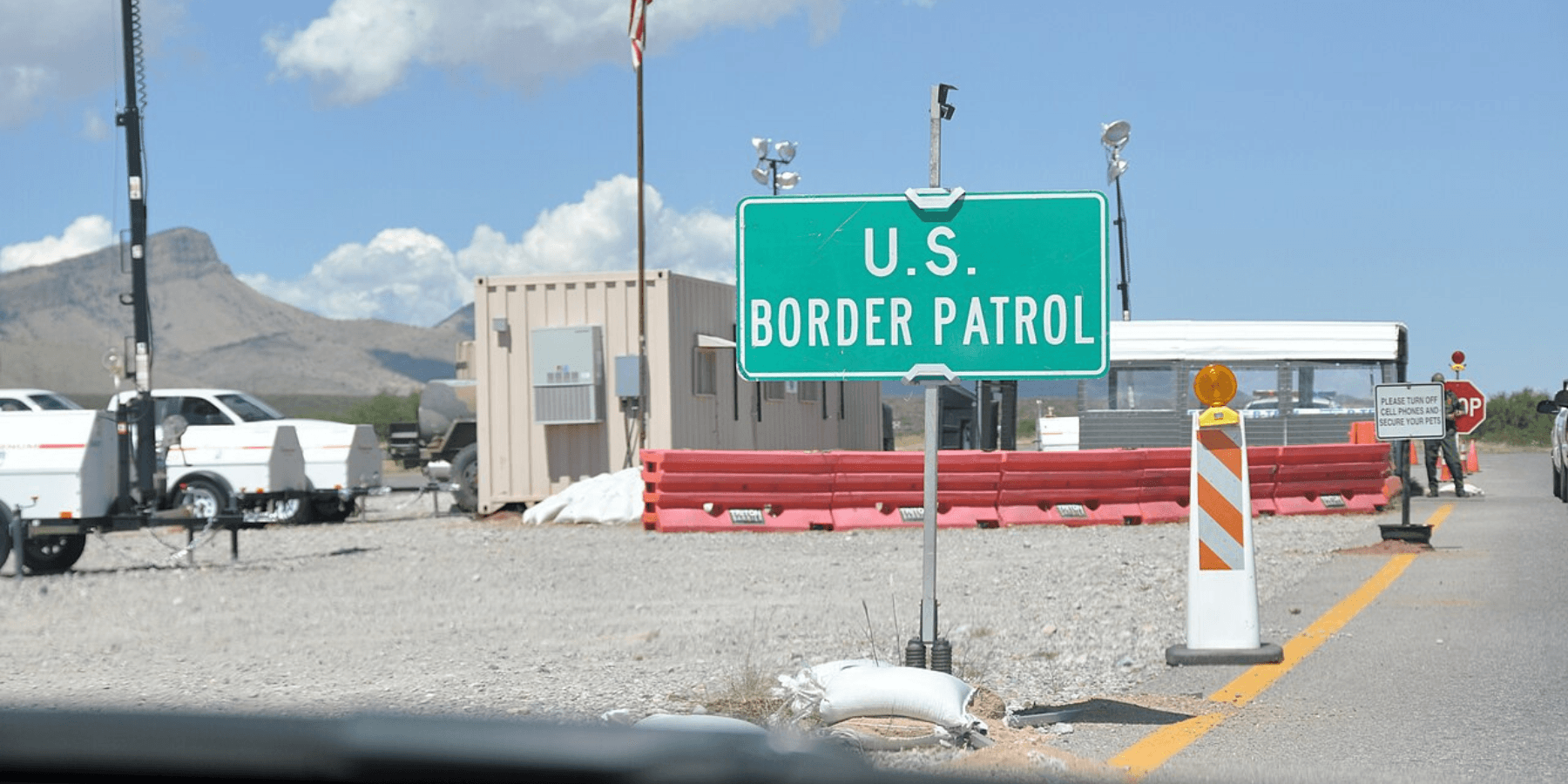
Photo Credit: Jonathan McIntosh/Wikimedia (Cropped)
Administration Expands Immigration Enforcement Policies
The administration announced new asylum regulations that would allow many applicants to be placed directly into deportation proceedings rather than first receiving interviews with asylum officers. Immigration policy experts estimate the changes could affect hundreds of thousands of pending cases.
Supporters argue the revisions will streamline the immigration system and deter fraudulent claims, while critics contend the rules reduce procedural protections for asylum seekers. The announcement represents another major step in the administration's broader effort to tighten immigration enforcement through executive action.
Looking Ahead
Attention now shifts to the Federal Reserve's interest rate announcement and guidance on inflation, as well as continued Senate consideration of the Russia sanctions package. The Supreme Court's response to the administration's emergency request on mail voting will also be closely watched, while diplomatic efforts involving Iran, Israel, and Ukraine remain central to U.S. foreign policy in the days ahead.