
Jobs Rebound, Election Rules Collide as Washington Faces a High-Stakes September
A stronger-than-expected jobs report offered fresh evidence of economic resilience even as political and legal battles intensified ahead of the midterm elections. Courts weighed consequential disputes over mail voting, congressional maps and campaign advertising, while renewed U.S.-Iran tensions added pressure abroad and raised concerns over energy markets at home. Together, the developments underscored a volatile mix of economic uncertainty, election-year conflict and geopolitical risk.

U.S. Hiring Surges, Complicating the Fed’s Next Move
The American economy added 162,000 jobs in August, far exceeding forecasts after a weak start to the summer. The unemployment rate remained at 4.1%, while average hourly earnings increased 3.1% from a year earlier. June and July payroll figures were also revised upward by a combined 55,000 jobs, according to the Bureau of Labor Statistics.
The rebound eased concerns that the labor market was sliding toward a more serious downturn, but it created a new challenge for the Federal Reserve. With inflation still running above the central bank’s target, stronger employment data increased expectations that policymakers could raise interest rates rather than provide the relief sought by President Donald Trump. Financial markets reacted accordingly: the S&P 500 fell 0.4%, the Dow declined 0.5% and the Nasdaq slipped 0.3% as Treasury yields rose.
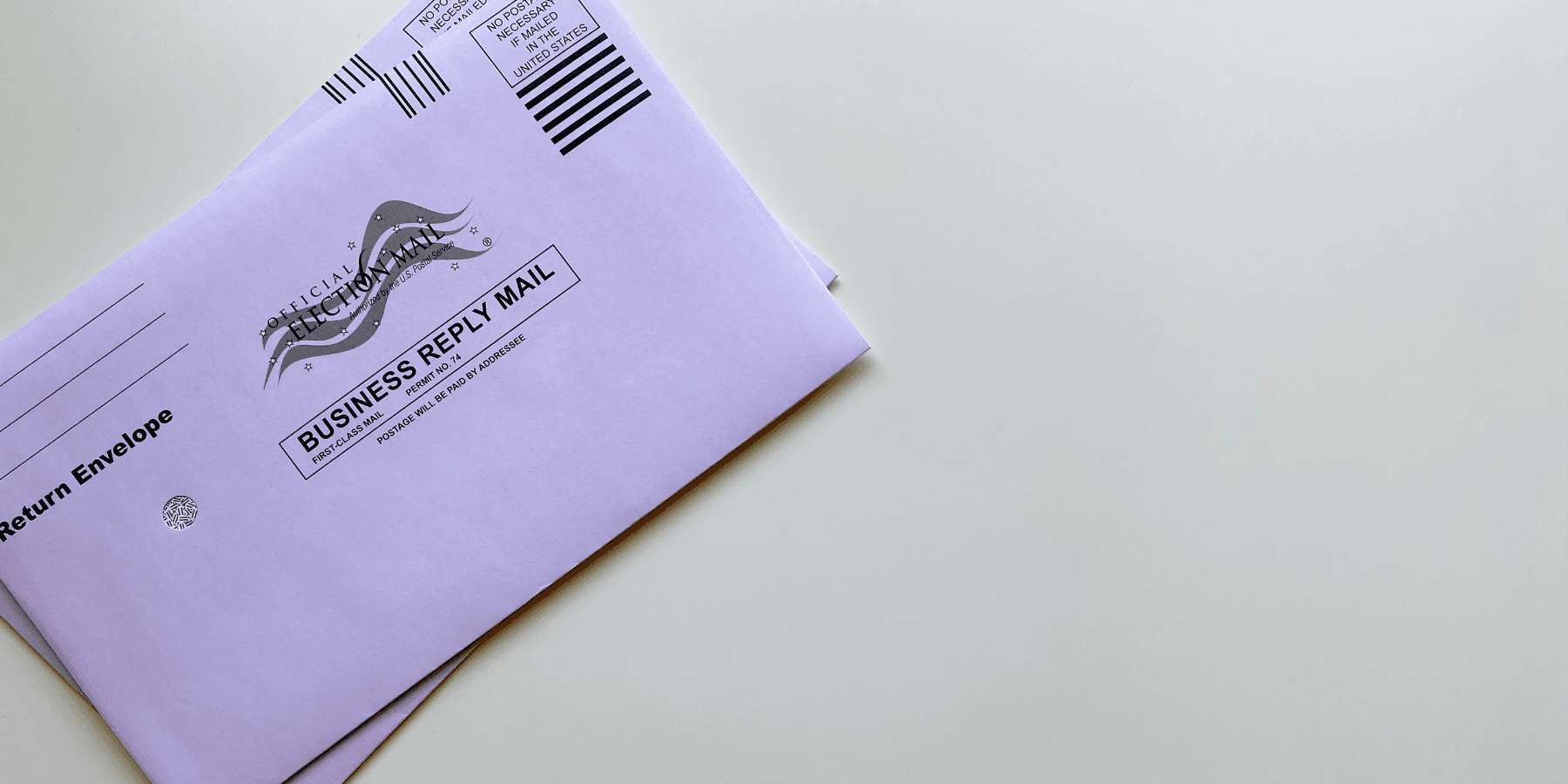
Photo Credit: Tiffany Tertipes/Unsplash
Federal Judge Keeps Trump Mail-Voting Restrictions on Hold
A federal judge in Massachusetts issued a preliminary injunction blocking key parts of the Trump administration’s attempt to change how the U.S. Postal Service handles mail ballots. U.S. District Judge Indira Talwani’s order replaced an earlier temporary restriction and came just as states began distributing ballots for the November midterms.
The dispute has immediate national significance because North Carolina began sending mail ballots Friday, with other states preparing to follow. The administration had already asked the Supreme Court to intervene over Talwani’s earlier order and indicated that it would appeal the new injunction. The litigation leaves one of the country’s most widely used voting methods at the center of a fast-moving constitutional and administrative fight only weeks before Election Day.
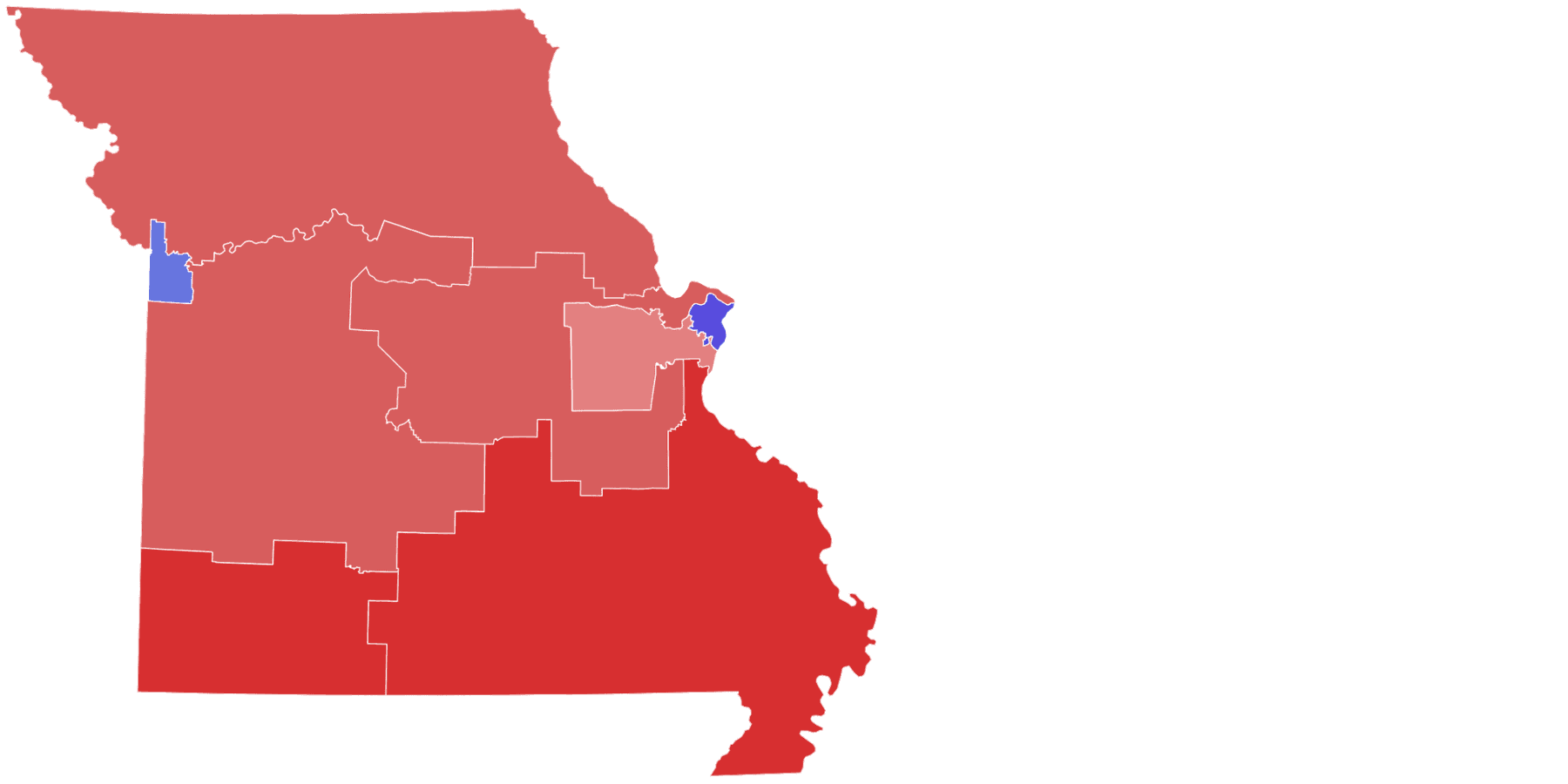
Photo Credit: Thomascampbell123/Wikimedia (Cropped)
Missouri Court Deals Blow to GOP Redistricting Push
Another major election ruling reverberated nationally after the Missouri Supreme Court unanimously blocked a Trump-backed congressional map from being used in November unless voters approve it. The court ordered a statewide referendum on the boundaries, meaning Missouri’s previous congressional map remains in place for now.
Republicans had hoped the revised districts would improve their chances of capturing an additional House seat as the party fights to protect its narrow congressional majority. Missouri Attorney General Catherine Hanaway said she would seek U.S. Supreme Court intervention. The case adds another layer of uncertainty to a broader national redistricting battle in which control of only a handful of districts could determine which party governs the House after November.
Photo Credit: Brad Weaver/Unsplash
Supreme Court Gives Political Parties a Campaign-Ad Victory
The U.S. Supreme Court separately intervened in another dispute with potentially significant consequences for the midterms, temporarily allowing political parties to obtain discounted television advertising rates when purchasing ads in coordination with candidates. The justices blocked a lower-court ruling that had challenged the practice while litigation proceeds.
The decision could have an especially important short-term effect for Republicans because the Republican National Committee enters the final stretch of the campaign with substantially greater financial resources than its Democratic counterpart. By allowing party committees to stretch those resources through lower advertising rates, the ruling could influence campaign spending in competitive House and Senate races during the crucial final weeks before voting concludes.

Photo Credit: U.S. Navy photo/Wikimedia
U.S.-Iran Conflict Escalates as Washington Adds Economic Pressure
The Trump administration intensified pressure on Iran following another week of military exchanges, combining renewed strikes with additional financial sanctions. The Treasury Department sanctioned Turkish bank Golden Global Yatirim Bankasi as part of an effort to cut what Washington describes as financial lifelines to Tehran. Iran, meanwhile, launched missiles and drones toward Kuwait after renewed American bombardments, with Kuwaiti defenses reporting interceptions.
President Trump characterized the confrontation Friday as a “military conflict” rather than a war and defended Vice President JD Vance’s similar description. Despite the administration’s terminology, months of intermittent fighting and the latest escalation have heightened concerns about U.S. forces, Gulf allies, shipping through the Strait of Hormuz and domestic fuel costs. Diesel prices had reached a record $5.85 per gallon by Friday amid continuing disruption in the region.
Looking Ahead
Attention now shifts to the next round of U.S. inflation data, which will help determine whether August’s strong employment report is enough to push the Federal Reserve toward another rate increase at its September meeting. At the same time, election litigation is likely to move quickly through appellate courts as states distribute ballots and campaigns enter their final stretch. Abroad, the trajectory of the confrontation with Iran remains an immediate test for the White House, with military risk, energy prices and U.S. economic policy increasingly intertwined as September unfolds.