
Dr. Monzur A Khoda Launches Regenexx Foundation To Restore Mobility And Hope For Underserved Communities
Through Regenexx Foundation, Dr. Monzur A Khoda aims to expand access to mobility care for people living with chronic pain and disability.
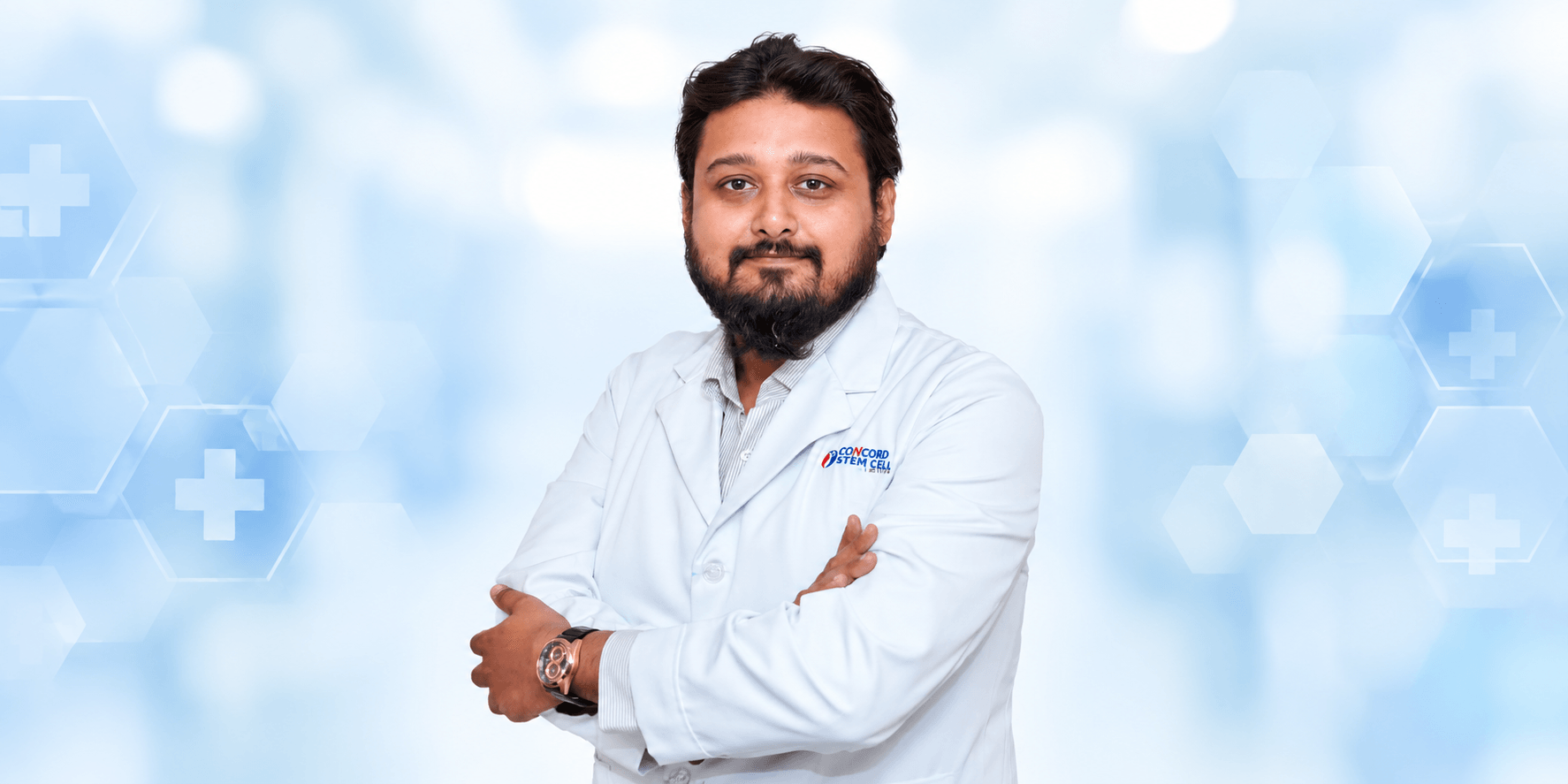
For a laborer who depends on physical strength to earn a living, chronic joint pain can threaten far more than mobility. It can mean missed work, reduced income, and growing uncertainty about how to support a family. In underserved communities across Bangladesh, where specialized medical care may be financially out of reach, the loss of movement can gradually become a loss of independence. Recognizing this challenge, Dr. Monzur A Khoda has introduced Regenexx Foundation, a nonprofit initiative focused on improving access to chronic pain management, mobility restoration, and regenerative medicine for people who might otherwise be unable to afford specialized care. Guided by the vision “A Green Hope for Pace,” the foundation seeks to help individuals regain physical function, preserve dignity, and participate more fully in their communities.
Regenexx Foundation: A New Vision For Accessible Mobility Care
For Dr. Monzur A Khoda, the creation of Regenexx Foundation represents a new chapter in his professional journey. After years of working with patients affected by chronic joint disorders, autoimmune diseases, and musculoskeletal conditions, he recognized a persistent gap between medical innovation and the people who need it most. Advanced treatment options may offer possibilities for selected patients, yet financial barriers often prevent underserved populations from accessing specialist assessment and appropriate care. Regenexx Foundation was established to address this divide through a nonprofit model centered on accessibility, patient education, and responsible clinical innovation. Registered in Bangladesh under RJSC number S 15304/2026, according to information supplied by the organization, the foundation aims to make specialized mobility care more accessible to economically disadvantaged patients, particularly working individuals whose livelihoods depend on their physical abilities.
Why Restoring Mobility Matters To Bangladesh's Working Population
Chronic pain and joint degeneration can affect individuals at every stage of life, but their consequences can be especially severe for people who earn their income through physical labor. Agricultural workers, factory employees, transport workers, and other members of the workforce may struggle to continue their daily responsibilities when persistent pain limits movement. For these individuals, access to appropriate treatment is closely connected to economic stability and family well being. Bangladesh also faces broader challenges involving environmental exposure, changing lifestyles, and unequal access to specialist healthcare. Although the precise national prevalence of chronic inflammatory arthritis and degenerative joint disease requires reliable epidemiological evidence, their potential effects on mobility and productivity deserve attention. Regenexx Foundation approaches this challenge as both a healthcare concern and a social development issue, recognizing that improved physical function can help people maintain independence and, when medically appropriate, return to productive activities.
Bringing Regenerative Medicine Into A Broader Healthcare Mission
At the center of the foundation's clinical interests is the Regenexx Protocol, a specialized approach associated with regenerative musculoskeletal medicine. The protocol emphasizes careful patient evaluation and the consideration of biological procedures for selected orthopedic conditions. Dr. Khoda sees this field as an opportunity to explore additional options for patients experiencing persistent joint problems. However, regenerative procedures differ in their evidence, risks, and regulatory status. Platelet rich plasma injections have been studied for certain musculoskeletal conditions, while many stem cell interventions remain investigational. These treatments cannot be assumed to reverse joint degeneration, eliminate chronic pain, or restore mobility in every patient. Similarly, regulatory clearance for a medical device does not establish approval of every treatment performed with that device. By placing patient assessment, informed consent, and realistic expectations at the center of its mission, Regenexx Foundation has an opportunity to connect emerging medical approaches with the standards of responsible clinical care.
From Specialized Practice To Community Health Camps
One of the foundation's most practical initiatives involves community health camps in underserved areas of Bangladesh. According to the organization, these outreach activities have included medical assistance, medicines, food distribution, and the identification of individuals who may benefit from further specialist evaluation. Such programs are designed to reach people who might delay seeking care because of cost, distance, or limited access to medical information. For a person whose chronic pain has interrupted employment, even an initial consultation can provide valuable guidance about the underlying condition and available treatment choices. The foundation's wider ambition is to develop pathways through which eligible patients can access individualized mobility care without bearing the full financial burden of specialized services. Its outreach also recognizes the needs of older adults, for whom maintaining safe movement and everyday independence can be particularly important.
Dr. Monzur A Khoda's Journey From Clinical Innovation To Social Responsibility
The mission behind Regenexx Foundation reflects Dr. Khoda's medical background and growing interest in the social impact of chronic disease. He completed his MBBS at Rajshahi Medical College in 2014 and subsequently pursued clinical education in the United Kingdom, obtaining MRCP(UK) in 2019. His professional interests span interventional rheumatology, autoimmune disease management, biologic therapies, and regenerative procedures. His published clinical work has also explored regenerative approaches for knee osteoarthritis, contributing to discussions about their possible applications and the need for further research. Through his association with Regenex Pain Solutions Bangladesh and other clinical initiatives, Dr. Khoda has sought to introduce specialized treatment approaches to local patients. His involvement in community service and healthcare outreach has further shaped the foundation's central objective: to ensure that medical progress is considered not only in terms of technological advancement, but also in terms of who can realistically benefit from it.
A Green Hope For Pace: Connecting Health, Dignity, And Opportunity
The phrase “A Green Hope for Pace” captures the human purpose of Regenexx Foundation. For someone living with limited mobility, progress may mean walking comfortably enough to visit family, returning to suitable employment, or completing ordinary household tasks with greater confidence. These outcomes matter because chronic illness affects more than the body. It can influence emotional well being, social participation, and financial security. The foundation's proposed approach combines access to specialist evaluation with an interest in regenerative medicine, rehabilitation, and supportive lifestyle measures. Importantly, the appropriate pathway depends on each patient's diagnosis, overall health, and the strength of the evidence supporting available interventions. For autoimmune diseases, established medical treatments remain essential when indicated. For degenerative joint conditions, rehabilitation, exercise, medication, and selected procedures may play different roles. By recognizing these distinctions, the foundation can help patients make informed decisions while keeping its focus on meaningful improvements in everyday life.
Building A Sustainable Model For Underserved Communities
Beyond individual consultations, Regenexx Foundation envisions a broader network of community engagement, healthcare collaboration, and charitable support. Its stated ambitions extend beyond Bangladesh to underserved populations in Southeast Asia and potentially other regions where access to specialist musculoskeletal care remains limited. Achieving that vision will require sustainable funding, appropriate clinical partnerships, transparent patient selection, and careful measurement of treatment outcomes. Financial contributions and institutional collaboration could support health camps, diagnostic services, rehabilitation, medicines, and access to clinically appropriate procedures. At the same time, responsible expansion will depend on maintaining clear standards for safety, evidence, and follow up. By connecting philanthropic participation with practical healthcare delivery, the foundation hopes to develop a model in which economic circumstances do not automatically exclude people from receiving informed specialist attention.
How Regenexx Foundation Hopes To Shape The Future Of Mobility Care
The significance of Regenexx Foundation lies in its attempt to connect a growing field of medicine with an enduring social challenge: unequal access to healthcare. New technologies alone cannot resolve the difficulties faced by people living with chronic pain. Lasting progress also depends on affordability, early diagnosis, rehabilitation, patient education, and reliable access to ongoing care. Dr. Monzur A Khoda's latest initiative brings these priorities into a single charitable mission. Although its long term impact will need to be demonstrated through documented outcomes and sustained community engagement, its purpose is clear. The foundation seeks to create opportunities for underserved individuals to pursue better mobility and greater independence while encouraging a more inclusive conversation about specialized healthcare in Bangladesh.
Explore Regenexx Foundation's Mission To Restore Movement And Opportunity
For patients, healthcare professionals, community organizations, and prospective supporters, Regenexx Foundation offers an opportunity to learn about a developing initiative focused on mobility, accessibility, and compassionate care. Readers can explore its community programs, clinical interests, and opportunities for collaboration through the official Regenexx Foundation website. Additional information about Dr. Khoda's professional background is available at Dr. Monzur A Khoda's website, while Regenex Pain Solutions Bangladesh provides further context about his clinical work. Through its vision of “A Green Hope for Pace,” the foundation hopes to make the pursuit of improved mobility more accessible to people whose financial circumstances have too often limited their healthcare choices.