
Farmers India Market Brings Home Closer
A market built on family, endurance, and the flavors customers once crossed state lines to find.
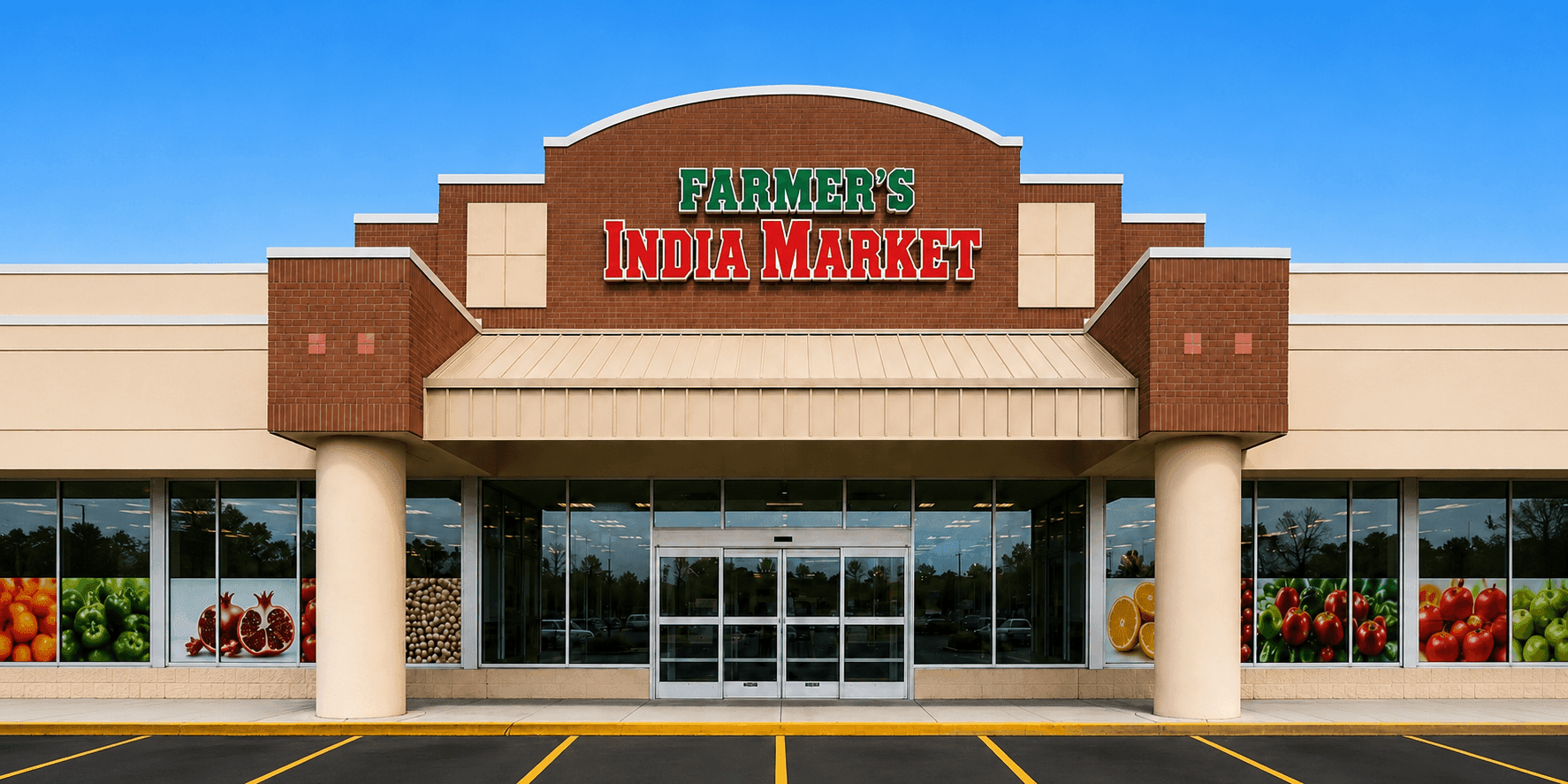
Every morning, Syed Zaki turns a long commute into a moving command center. The owner of Farmers India Market spends nearly two and a half hours on the road from Boston, often speaking with suppliers, cousins, and team members before the store doors fully come alive. What might exhaust another operator has become his rhythm. For Zaki, the drive is not a burden. It is part of the promise. Families are counting on his aisles to carry the foods, spices, meats, and memories they once had to cross state lines to find.
The Mission Behind Farmers India Market
Farmers India Market was not built only as a grocery store. It was built as an answer to a practical and emotional need. In many immigrant families, food is a way to stay connected to home, faith, language, holidays, and community. Zaki understood that people from Indian, Pakistani, Bangladeshi, Arab, Sudanese, African, Sri Lankan, Guyanese, and other backgrounds were often traveling to New Jersey or New York to buy the products they trusted. His goal was simple but ambitious: bring those choices under one spacious, organized roof.
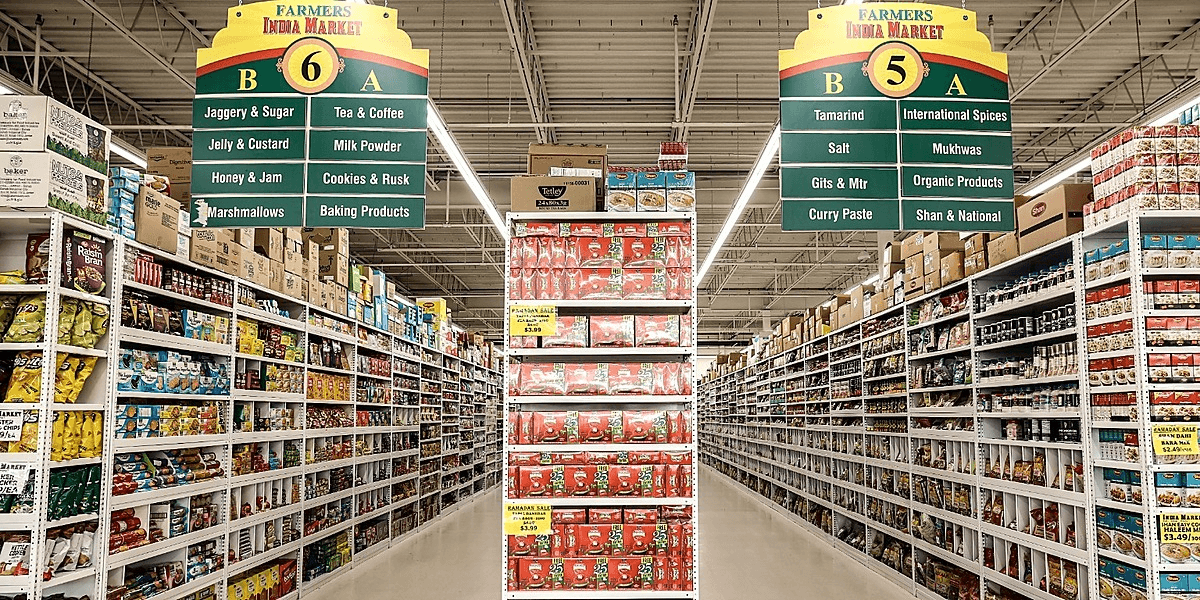
That "one roof" idea became the backbone of the business. Farmers India Market focuses on quality, variety, savings, and a shopping experience that does not feel overwhelming. The store offers grocery staples, spices, rice, lentils, nuts, fruits and vegetables, dairy, bakery goods, household products, personal care items, seafood, takeaway food, and a Zabiha Halal Meat section. The layout is designed for movement and ease, so customers can find weekly essentials and specialty items without losing time.
The business is part of a family-led Northeast market presence started by Syed Yusuf Bokhary and carried forward by his nephews, including Zaki. That family structure matters. It means decisions are not made from a distant office. Relatives move among stores, observe what customers are requesting, and adjust. Zaki also brings a multicultural ear to the work. He speaks English, Urdu, and Hindi, understands Spanish and Arabic, and knows some German. In a store serving many communities, that kind of connection is more than useful. It builds trust.
How Farmers India Market Earned Community Trust
In the beginning, Zaki says, the hardest part was helping people understand the concept. Farmers India Market was not asking shoppers to switch brands blindly. It was asking them to believe that the hard-to-find products their families loved could be available closer to home, at fair prices, in a clean and comfortable setting. That required education, patience, and presence. It also required listening closely to what each community had been missing for years.
Zaki spread the word the way neighborhood businesses have done for generations. He introduced himself in community groups. He joined WhatsApp circles where local families shared recommendations and needs. He attended Friday prayers at area mosques, where people came to know him not only as a business owner but as a familiar face. Friends helped. Customers helped. Word of mouth became the store's strongest engine because it was tied to lived experience. When a customer found the right rice, spice blend, snack, or halal meat cut, the news traveled.
The results, Zaki says, have been tangible. More families came in, then more communities, then more requests. The store expanded its selection from more than 10,000 items at opening to more than 18,000 items. That growth was not random. It reflected what shoppers asked for and what Zaki's team learned. A larger Guyanese section, for example, came from recognizing a specific and growing need. The same principle applies across the aisles. The inventory is not only broad. It is responsive.
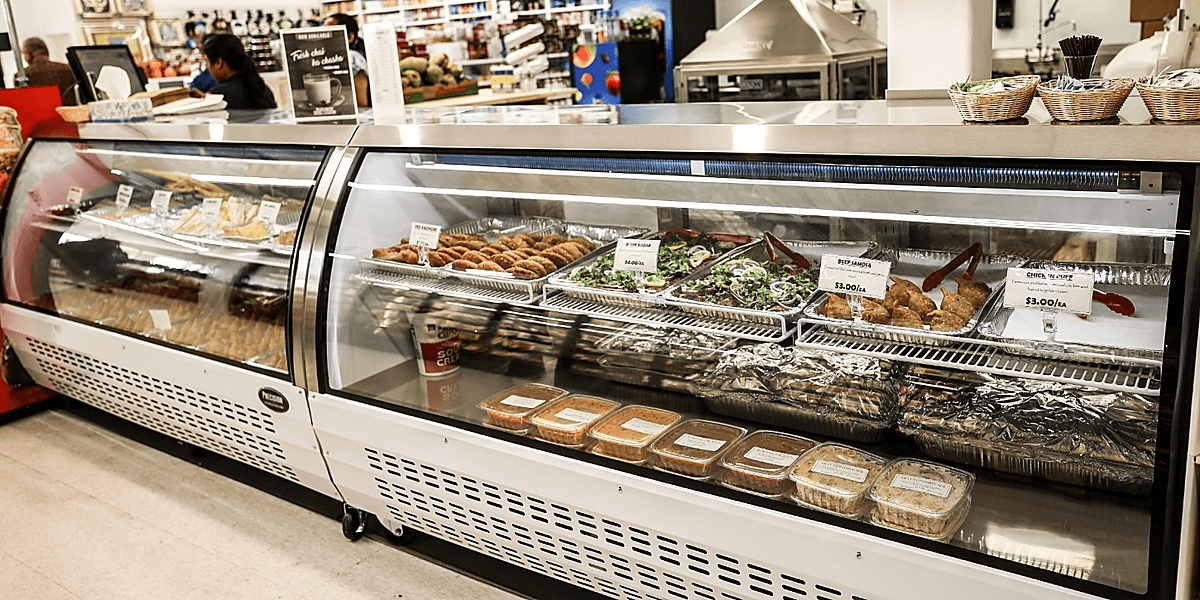
One small turning point came from a rotisserie chicken. Customers told Zaki that standard grocery rotisserie options did not reflect the flavor they wanted. He added a spiced chicken rotisserie, and it quickly found an audience with both South Asian and American shoppers. Some regulars now call ahead on the way home from work. Zaki remembers those moments because they signal something deeper than a sale. "You feel proud when they are happy with you," he said. "We would not be successful without my customers who helped me, who guided me."
That customer-guided mindset also shapes how Zaki thinks about pricing. During periods of rising supplier costs, he has tried to protect shoppers when inventory allows. He has said that a large market must manage stock carefully, and that sometimes ownership must accept lower margins rather than push every increase onto customers. It is a practical choice, but it is also a value choice. In communities where grocery bills matter, fair pricing becomes part of the relationship.
Recognition Reflects A Community's Trust
Recognition in retail often follows years of quiet consistency rather than a single defining moment. That was the case when Farmers India Market was named the Best Supermarket in Albany, New York of 2026 by Best of Best Review, an independent organization that recognizes businesses demonstrating excellence within their industries. While awards acknowledge operational achievement, this recognition also reflects something less tangible: the loyalty of a customer base that has helped shape the market since its earliest days.
For Syed Zaki and the family behind Farmers India Market, the distinction is best understood as a reflection of the community the store serves. The market has grown by listening to customers, expanding its offerings in response to neighborhood needs, and creating a place where families from diverse cultural backgrounds can find familiar ingredients without traveling far from home. In that sense, the award recognizes not only the breadth of the store's selection, but also the relationships that continue to define it.
What Sets Farmers India Market Apart Today
Farmers India Market stands out because it combines scale with specificity. Many stores can offer imported goods. Fewer can offer the range, depth, and cultural precision that customers expect when cooking for family traditions. Zaki says the store carries around 80 kinds of rice, including broken rice, semi-broken rice, black rice, brown rice, white rice, basmati rice, and softer varieties used for particular dishes. Bags range from five pounds to 40 pounds, serving everyone from small households to restaurants buying for monthly needs.
The store's reach now extends beyond its immediate neighborhood. Zaki has seen families travel from Vermont to shop, including restaurant owners who make the trip because they can buy in quantity and find the right ingredients in one place. That kind of loyalty is hard to manufacture. It comes from consistency. It comes from stocked shelves, recognizable brands, courteous service, and the relief of knowing a planned meal will not be disrupted by a missing staple.
Just as important, Farmers India Market pays attention to the physical shopping experience. Wide aisles, organized departments, and efficient checkout systems reduce stress. The website also emphasizes an unconditional replacement guarantee for unsatisfactory products, reinforcing the company's confidence in its standards. In a category where freshness, trust, and authenticity matter, those details are central to the brand. Shoppers are not only buying products. They are buying peace of mind.
Looking through the store, it is easy to see why customers return. One aisle may hold everyday lentils and flour. Another may carry snacks tied to childhood memory. The halal meat counter serves faith-based needs with clarity. The cosmetics and toiletries section offers familiar brands. The prepared and takeaway foods create convenience for families juggling work, school, and busy evenings. Together, those sections make Farmers India Market feel less like a specialty stop and more like a complete household partner.
For shoppers who want authentic ingredients, fair value, and a market that listens, Farmers India Market offers more than selection. It offers belonging. Visitors are welcome to explore the aisles, ask for what their family needs, and discover how much easier cooking, hosting, and everyday shopping can feel when a market understands both the list and the life behind it.
Explore More About Farmers India Market
To learn more, browse products, and find store information, visit Farmers India Market Official Website.
Stay connected and discover new arrivals, recipes, promotions, and community updates through the store's social media channels:
Albany Instagram: Farmers India Market Albany on Instagram
Main Instagram: Farmers India Market on Instagram (@farmersindia.market)
Main Instagram: Farmers India Market on Instagram (@farmersindiamarket)
Waltham Instagram: India Market Waltham on Instagram
Facebook: Farmers India Market Albany on Facebook
TikTok: Farmers India Market on TikTok