
Democrats Prepare to Take Control of Congress as Trump Faces Midterm Fallout, Wall Street Rallies and Iran War Pressures Mount
The political landscape in Washington shifted sharply following the 2026 midterm elections, with Democrats securing control of both chambers of Congress and preparing for a new confrontation with President Donald Trump over federal spending, government oversight and the direction of U.S. foreign policy. The election results triggered a broad rally on Wall Street as investors assessed the prospect of divided government, while the continuing U.S.-Israeli war with Iran remained central to concerns about energy prices and the economy. Meanwhile, the election outcome raised new questions about the future of American military commitments, federal technology policy and the balance of power in Washington.
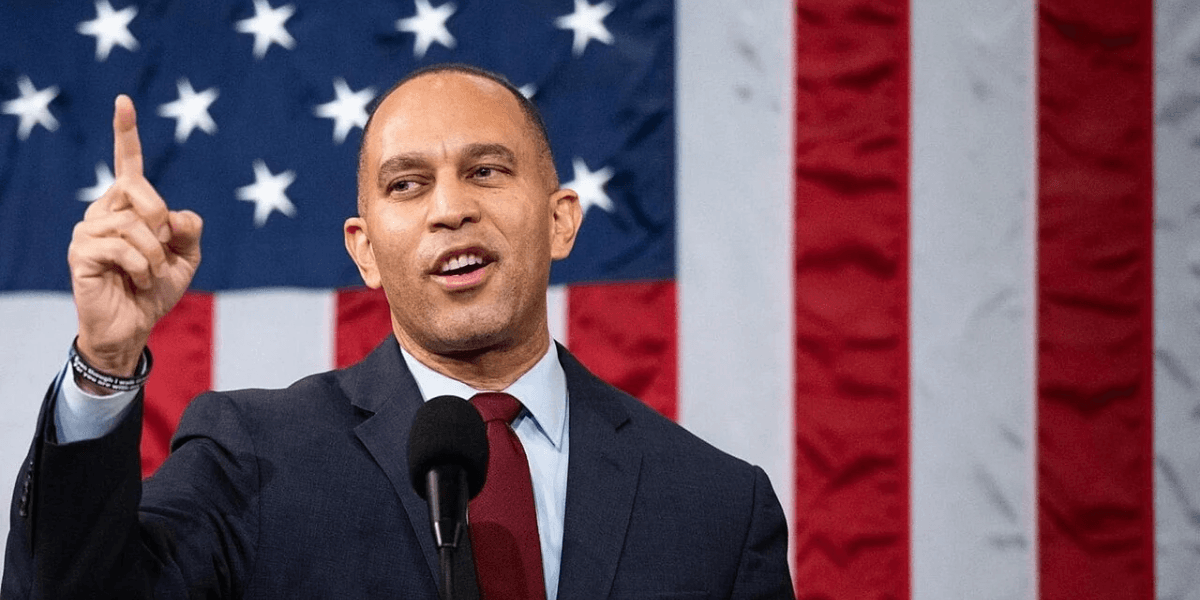
Democrats Prepare Congressional Agenda After Sweeping Midterm Victories
Democrats moved Thursday to consolidate their gains from the November 3 midterm elections after winning control of both the House of Representatives and the Senate, ending Republican control of Congress and creating a significant institutional check on President Donald Trump's administration. According to Reuters, Democrats secured at least 54 Senate seats, with closely contested races in Alaska and Mississippi still unresolved as of Wednesday. The party also gained at least 30 seats in the House, including victories in districts and states that had traditionally favored Republicans.
House Democratic Leader Hakeem Jeffries said the incoming majority would prioritize affordability and government accountability. Once the new Congress convenes in January 2027, Democrats will have the authority to launch congressional investigations, conduct oversight hearings and challenge administration spending proposals. Democratic control of the Senate will also give the party the ability to block presidential nominees, including potential Supreme Court appointments. Jeffries is positioned to become the first Black speaker of the House, subject to a formal vote by the incoming chamber.
The transition will not occur immediately. Republicans retain control of Congress through the end of the current legislative session, leaving them responsible for addressing a federal government funding deadline in December. That creates a narrow period in which the outgoing majority could attempt to advance outstanding legislative priorities before the balance of power changes. The incoming Democratic majority, meanwhile, faces the challenge of translating its election victories into legislation that can pass both chambers and either secure Trump's signature or overcome a presidential veto.
The election results also highlighted voter dissatisfaction with economic conditions. Associated Press voter polling found widespread concern about inflation, household expenses and the impact of administration policies on the cost of living. Those concerns crossed traditional partisan boundaries and contributed to Democratic gains in previously Republican-leaning areas. The results establish a substantially different political environment for the final two years of Trump's second term.

Wall Street Surges as Investors Anticipate Divided Government and Fewer Policy Shocks
U.S. stocks rallied sharply Wednesday as investors responded to the midterm election results and the prospect that Democratic control of Congress could limit abrupt changes in federal economic policy. The Dow Jones Industrial Average climbed 3.03%, while the S&P 500 advanced 1.58% and the Nasdaq Composite gained 1.44%. The gains reflected growing expectations that divided government could constrain major spending initiatives, changes to trade policy and other decisions that have contributed to market volatility during Trump's second term.
The rally extended beyond U.S. equities. European stocks advanced, Treasury yields declined and the dollar weakened against several major currencies. The benchmark 10-year U.S. Treasury yield fell to approximately 4.88%, while gold rose as investors reassessed geopolitical and economic risks. Financial, consumer discretionary and real estate stocks were among the leading sectors. Investors also reacted to the possibility that the election outcome could increase pressure on the administration to seek a negotiated resolution to the Iran conflict, potentially reducing energy costs.
Market participants nevertheless cautioned that the election results introduced new uncertainties. A Democratic-controlled Congress could increase scrutiny of corporate practices, federal contracts and the rapid expansion of artificial intelligence infrastructure. Defense companies also faced questions about the future of military spending proposals, including the administration's ambitious defense budget plans. The immediate market reaction suggested investors were placing greater weight on reduced political uncertainty than on the potential for legislative confrontation.
Attention now turns to whether the rally can be sustained as lawmakers outline their priorities and businesses assess the consequences of divided government. Federal Reserve policy, corporate earnings, inflation trends and developments in the Middle East will remain important influences on financial markets. The election results have changed expectations for Washington, but their longer-term economic consequences will depend on how the White House and incoming Congress exercise their respective powers.

Trump Faces Growing Pressure Over Iran War as Oil Markets Reassess Escalation Risks
President Donald Trump faced renewed questions Thursday about the future of the eight-month-old U.S.-Israeli war against Iran following Republican losses in the midterm elections. The conflict, which began in February, has disrupted global energy markets, increased gasoline prices and become a significant source of voter dissatisfaction. Trump acknowledged Wednesday that the war contributed to his party's electoral difficulties but defended the decision to launch military operations, maintaining that preventing Iran from obtaining a nuclear weapon remained a central U.S. security objective.
Vice President JD Vance offered a more explicit assessment of the political consequences, identifying the war as a principal reason for Republican defeats. The comments highlighted differences in emphasis within the administration over the conflict's costs and future direction. According to Associated Press reporting, Trump faces several possible courses of action, including maintaining existing military operations and the naval blockade, pursuing a limited diplomatic settlement or authorizing additional strikes against Iranian targets. None of those options had emerged as a confirmed change in administration policy.
New developments in the Strait of Hormuz underscored the continuing security risks. Iran's Islamic Revolutionary Guard Corps said Thursday that two oil tankers and a tugboat caught fire in separate incidents involving vessels navigating the strategic waterway. Iranian authorities reported that one tanker struck an underwater mine. The claims were still developing, and the full circumstances of the incidents had not been independently established. The strait remains one of the world's most important maritime routes for oil shipments, making disruptions there a significant concern for international trade and energy supplies.
Oil markets have reacted strongly to the changing political outlook. Brent crude fell below $95 a barrel Thursday morning in Asian trading after both major oil benchmarks plunged more than 8% in the previous session. Traders interpreted the election outcome as potentially reducing the likelihood of a major escalation in the conflict, although analysts cautioned that a diplomatic breakthrough remained uncertain. Lower crude prices could eventually ease gasoline and transportation costs, but renewed military operations or shipping disruptions could quickly reverse those gains.
The immediate question is whether the administration will pursue renewed negotiations or maintain military pressure on Tehran. Regional governments, including Israel and Gulf states, are closely monitoring Washington's next steps. The incoming Democratic Congress will have greater oversight authority beginning in January, but the president retains substantial control over military operations in the meantime.

Artificial Intelligence Industry Faces New Regulatory Uncertainty as Data Center Stocks Decline
The artificial intelligence sector emerged as one of the clearest areas of market concern following the elections, with investors reassessing the outlook for large-scale data center construction and the electricity infrastructure required to support it. Shares of several AI infrastructure companies weakened Thursday despite the broader post-election stock market rally. CoreWeave and Nebius declined in premarket trading, while other data center operators and companies supplying electricity equipment also came under pressure.
The reaction reflected expectations that Democratic control of Congress could bring additional scrutiny of the industry's rapid expansion. Communities across the United States have raised concerns about electricity demand, water consumption, environmental impacts and the costs of connecting large computing facilities to regional power grids. According to Reuters, UBS analysts estimated that approximately 30% of anticipated U.S. data center capacity additions in 2028 could face risks from potential construction pauses. That estimate represents a scenario involving possible restrictions rather than a forecast that the projects will necessarily be canceled.
Several state governments have already moved to impose tighter controls. Pennsylvania Governor Josh Shapiro signed an executive order requiring additional environmental safeguards, transparency and local community approval for new AI data center developments. In New York, Governor Kathy Hochul imposed a one-year construction moratorium on facilities using at least 50 megawatts of electricity, while Texas has also taken steps to slow approvals through its grid interconnection process. These actions reflect growing concern over whether electricity infrastructure can accommodate the industry's expansion without increasing costs or reducing reliability for other consumers.
The debate carries substantial economic implications. Technology companies have committed enormous amounts of capital to building the computing infrastructure needed for advanced AI systems, creating demand for semiconductors, electricity generation, cooling equipment and construction services. Slower approvals could delay those investments and affect businesses throughout the supply chain. At the same time, some analysts argue that more disciplined expansion could reduce the risk of excessive spending on projects that may take years to generate sufficient returns.
For major technology companies, the immediate challenge is balancing continued AI development with increasingly complex regulatory requirements. Investors will be watching for congressional proposals, additional state restrictions and changes in corporate capital spending plans. The issue is likely to remain prominent as governments weigh the economic benefits of AI investment against pressure on local infrastructure and resources.

Ukraine Sees Potential Opening for U.S. Support as Election Reshapes Foreign Policy Debate
Ukrainian President Volodymyr Zelenskyy expressed hope that Democratic gains in the U.S. midterm elections could strengthen American support for Ukraine as its war with Russia continues. In an interview with German broadcaster ZDF that aired Wednesday, Zelenskyy suggested that the changed balance of power in Washington could create opportunities for additional financial and military assistance. His comments reflected Kyiv's interest in maintaining U.S. engagement at a time when the Trump administration's foreign policy has been heavily focused on the conflict with Iran.
Democratic control of both congressional chambers could alter the legislative environment for future Ukraine assistance packages, although any substantial new spending would still face negotiations with the White House. Congress has authority over federal appropriations, and lawmakers can influence military aid through funding decisions and oversight. However, the administration retains important powers over diplomacy, weapons transfers and the implementation of foreign policy. The election therefore does not guarantee an immediate change in U.S. assistance.
The implications extend beyond Ukraine. European governments have been assessing how Washington's military commitments in the Middle East affect its ability to support allies and partners elsewhere. Additional U.S. assistance to Kyiv could strengthen Ukraine's defensive capabilities and potentially influence Moscow's calculations, but any significant shift would depend on the priorities of the incoming Congress and the administration's willingness to cooperate.
Zelenskyy argued that stronger American support could increase pressure on Russian President Vladimir Putin and improve prospects for negotiations. That assessment remains Ukraine's stated position rather than an established indication of how Moscow would respond. For now, the election has introduced another variable into an already complicated diplomatic and military situation, with the next major decisions likely to emerge during congressional budget discussions and future negotiations over security assistance.
Looking Ahead
The next several weeks will test how quickly Washington adjusts to the election results. Republicans remain in control of Congress until January 2027 and must address the approaching December government funding deadline, while Democratic leaders prepare their legislative agenda, committee leadership and oversight priorities. Outstanding Senate election results in Alaska and Mississippi will also determine the final size of the incoming Democratic majority.
Beyond Washington, the immediate focus will remain on the Trump administration's next decisions concerning Iran, developments in the Strait of Hormuz and whether the recent decline in oil prices continues. Investors will also monitor the durability of Wall Street's post-election rally, possible restrictions on AI data center construction and the implications of the new congressional balance for U.S. assistance to Ukraine. Together, those developments will help determine whether the political changes emerging from the midterms translate into measurable shifts in economic and foreign policy before the new Congress takes office.