
Fed Holds the Line as Washington Confronts Legal Battles, Foreign Tensions, and Political Scrutiny
The final full weekday of July brought a mix of consequential economic decisions, escalating foreign policy challenges, and high-profile political developments. The Federal Reserve's latest interest-rate decision dominated financial markets, while Congress, the courts, and the White House remained at the center of several nationally significant stories with implications for the months ahead.

Federal Reserve Keeps Interest Rates Unchanged
The Federal Reserve voted to leave its benchmark interest rate unchanged, maintaining a cautious stance as policymakers continued to weigh persistent inflation against signs of moderating economic growth. Officials emphasized that future decisions will remain dependent on incoming economic data rather than following a predetermined path.
Financial markets reacted immediately. Treasury yields climbed as investors interpreted the Fed's messaging as a signal that interest rates could remain elevated for longer than previously expected. Mortgage markets and borrowing costs also reflected expectations that inflation remains a central concern for policymakers heading into the second half of the year.

Photo Credit: U.S. Army USARCENT/Wikimedia
Middle East Conflict Continues to Shape U.S. Policy
International developments remained a major focus as the United States continued military operations against Iran-backed forces in the Middle East. Reports indicated additional U.S. strikes alongside regional partners following renewed attacks on American interests, underscoring the administration's effort to deter further escalation.
The conflict also continued to influence domestic economic conditions. Energy markets remained volatile amid concerns about regional stability and global oil supplies, contributing to inflation concerns that have become an important factor in Federal Reserve deliberations. The administration also continued consultations with key international allies regarding regional security and diplomatic coordination.

Photo Credit: NIAID-RML/Wikimedia (Cropped)
Senate Hearing Puts Anthony Fauci Back in the Spotlight
Former National Institute of Allergy and Infectious Diseases Director Dr. Anthony Fauci testified before a Republican-led Senate committee investigating the origins of COVID-19 and federal research oversight. During questioning, Fauci repeatedly invoked his Fifth Amendment rights rather than answering several lines of inquiry.
Committee Chairman Sen. Rand Paul announced plans to pursue a contempt vote following the hearing, while Democratic lawmakers defended Fauci and criticized the proceedings as politically motivated. The hearing marked another chapter in the long-running national debate surrounding the government's pandemic response and research policies.
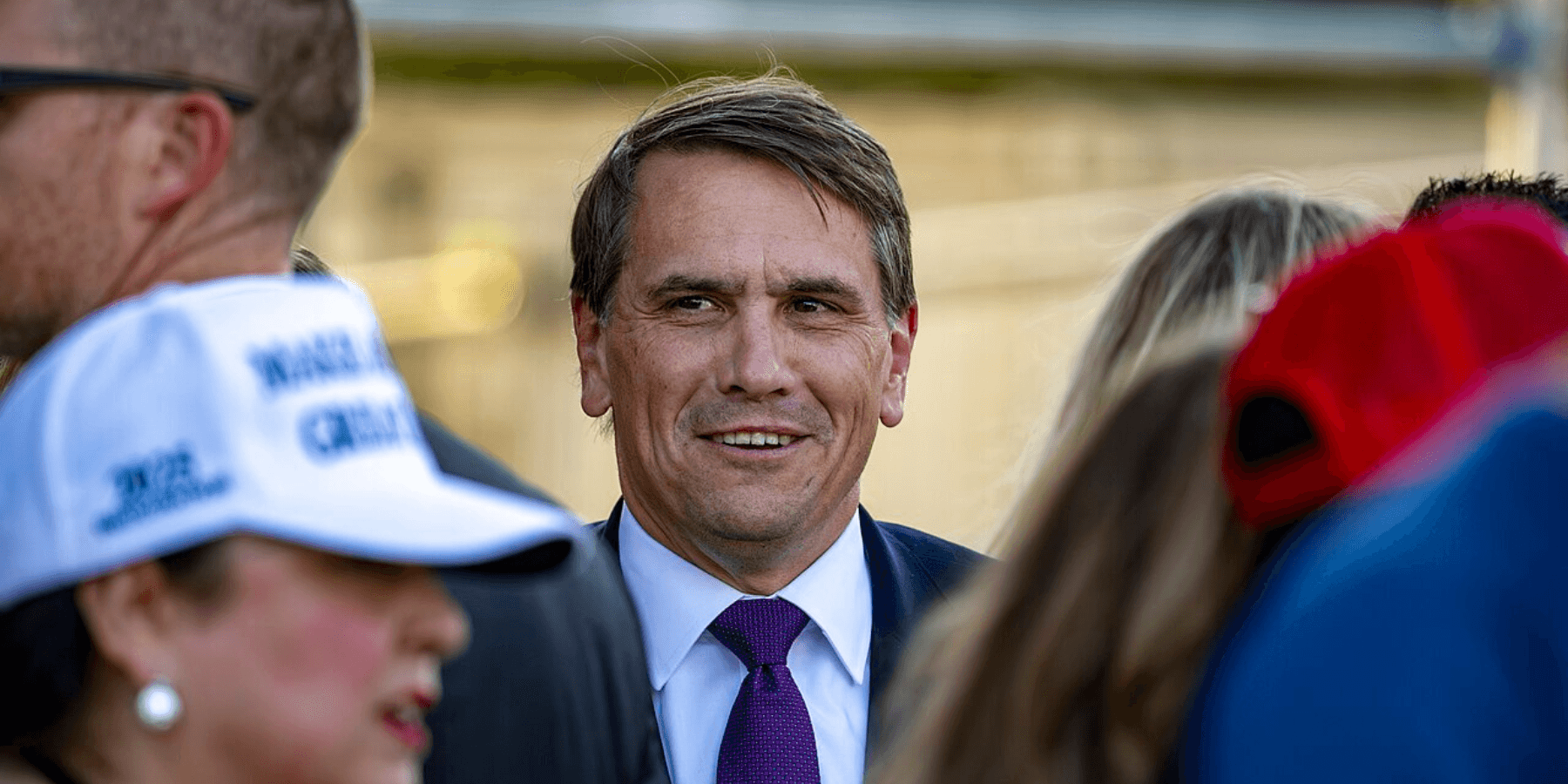
Photo Credit: USDAgov/Wikimedia
Justice Department Nomination Faces Unexpected Delay
The Senate Judiciary Committee postponed a scheduled vote on President Donald Trump's nomination of Todd Blanche to serve as Attorney General after several Republican senators sought additional written assurances regarding issues tied to the nomination.
The delay highlighted continuing debate within the president's own party over legal and ethical questions surrounding the nomination. Although Republican leaders indicated the nomination remains under consideration, the postponement introduced fresh uncertainty into the confirmation process at a time when the administration is seeking to fill several key executive branch positions.
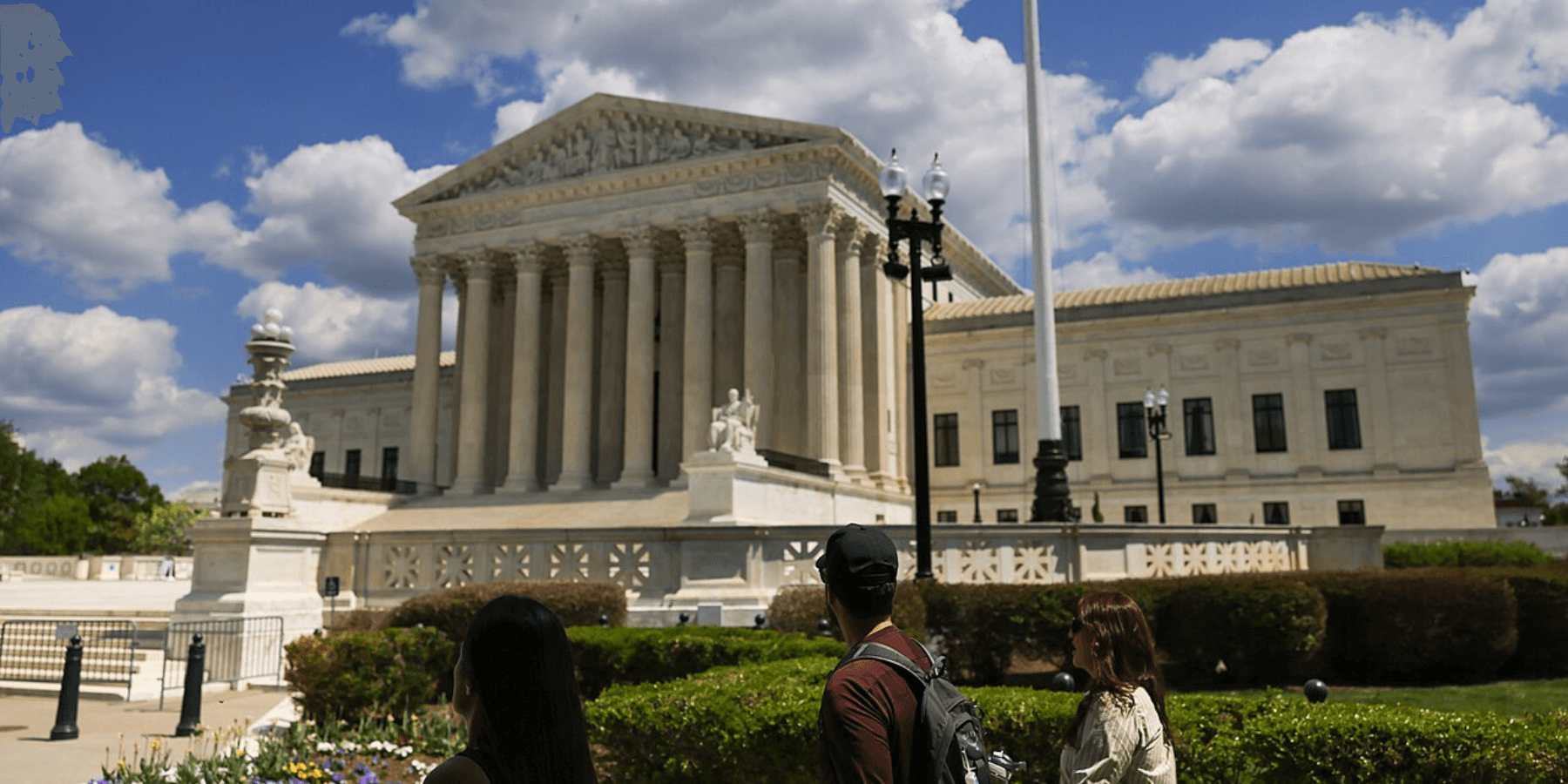
Photo Credit: European Union/Wikimedia (Cropped)
Public Confidence in National Institutions Remains Low
New polling released this week showed public confidence in several major American institutions continuing to decline. Gallup reported the Supreme Court's approval rating at a historic low, placing it alongside similarly weak public ratings for Congress and the presidency.
The findings reflect broader concerns among Americans about the functioning of federal institutions during an election year marked by legal disputes, policy disagreements, and heightened political polarization. Analysts noted that confidence in government institutions has steadily eroded over the past two decades, with approval often shifting alongside changes in the political environment.
Looking Ahead
Attention now turns to the release of additional economic data that could influence future Federal Reserve decisions, continued developments surrounding the Middle East conflict, and upcoming Senate action on several high-profile nominations. Lawmakers are also expected to continue debating election-related legislation and oversight matters as Congress moves deeper into a politically significant second half of 2026.