Francis Scott Key Bridge Collapse Disrupts Baltimore’s Marine Terminals
The Francis Scott Key Bridge in Baltimore collapsed after being struck by a large cargo ship, causing major disruptions at the city’s marine terminals. The incident has blocked access to shipping routes, impacting trade and forcing shipping companies to seek alternative ports.
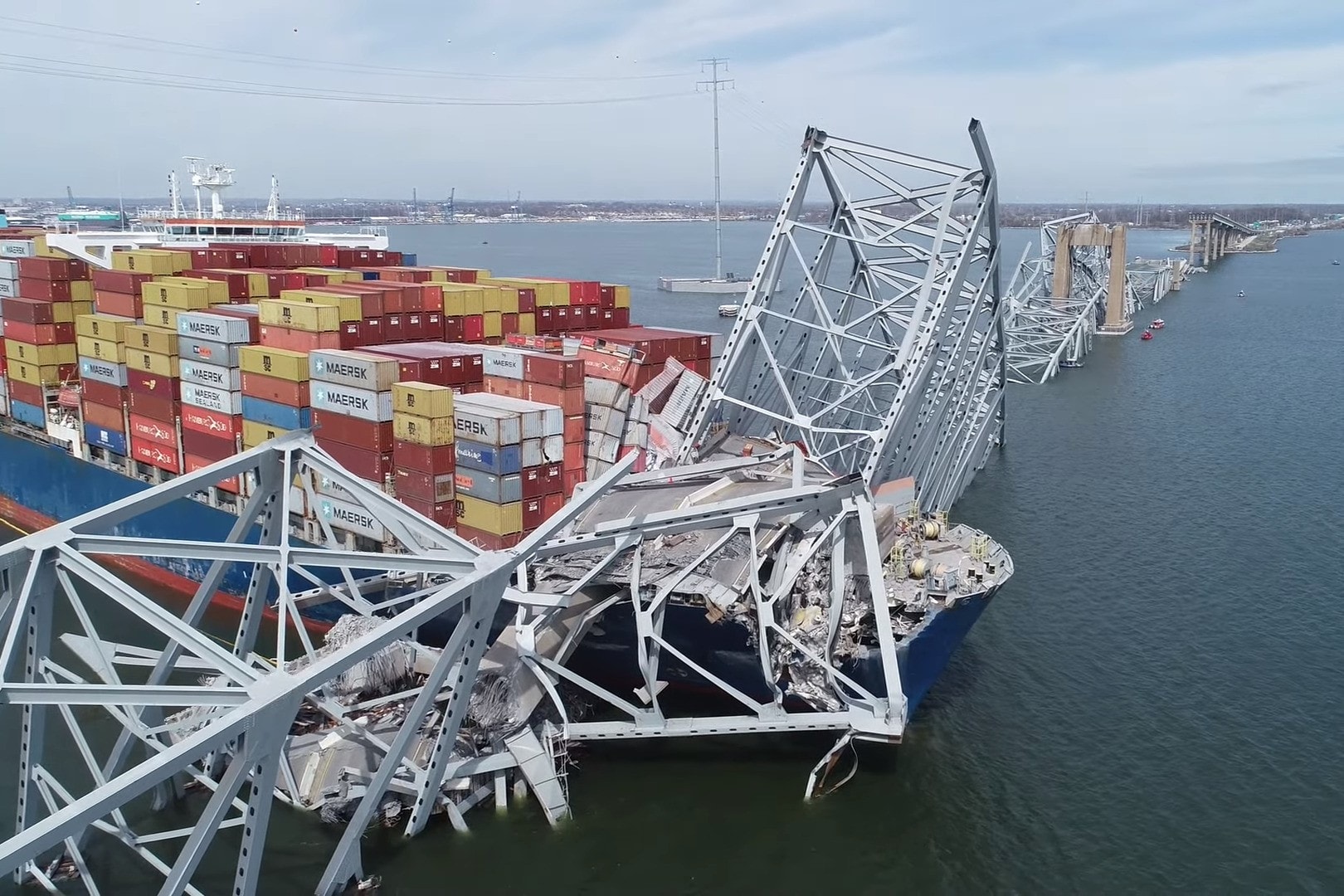
A devastating collapse of the Francis Scott Key Bridge in Baltimore has brought major supply chain disruptions, as one of the city’s busiest shipping routes is now inaccessible. The bridge, a crucial part of the region’s transportation infrastructure, fell after being hit by a cargo vessel, causing immediate chaos for local businesses and global trade networks.
The collapse has blocked entry to Baltimore’s primary marine terminals, effectively shutting down operations for industries that rely on the port for imports and exports. Shipping companies are scrambling to reroute vessels to nearby ports, including those in Norfolk and New York, to mitigate the impact of the closure.
Port officials have called the event one of the most significant disruptions to the East Coast supply chain in recent years. Baltimore’s port is a key hub for auto imports, agricultural exports, and various consumer goods. The shutdown could lead to delays in deliveries, price increases for affected goods, and financial strain for companies dependent on the port’s operations.
Authorities are investigating the cause of the collision, with initial reports indicating that the cargo ship lost control before striking the bridge. Emergency response teams are assessing the structural damage and determining how long it will take to clear the debris and reopen the shipping channel.
Businesses with ties to Baltimore’s port are bracing for prolonged disruptions. Analysts predict that companies reliant on just-in-time inventory systems may experience supply shortages in the coming weeks. Meanwhile, transportation companies are evaluating the long-term impact of losing a critical shipping route, with some calling for increased investment in infrastructure to prevent similar incidents.
As recovery efforts begin, government officials are working on plans to rebuild the bridge and restore normal trade operations. However, rebuilding efforts could take years, meaning businesses and consumers may feel the effects of this disaster for an extended period.