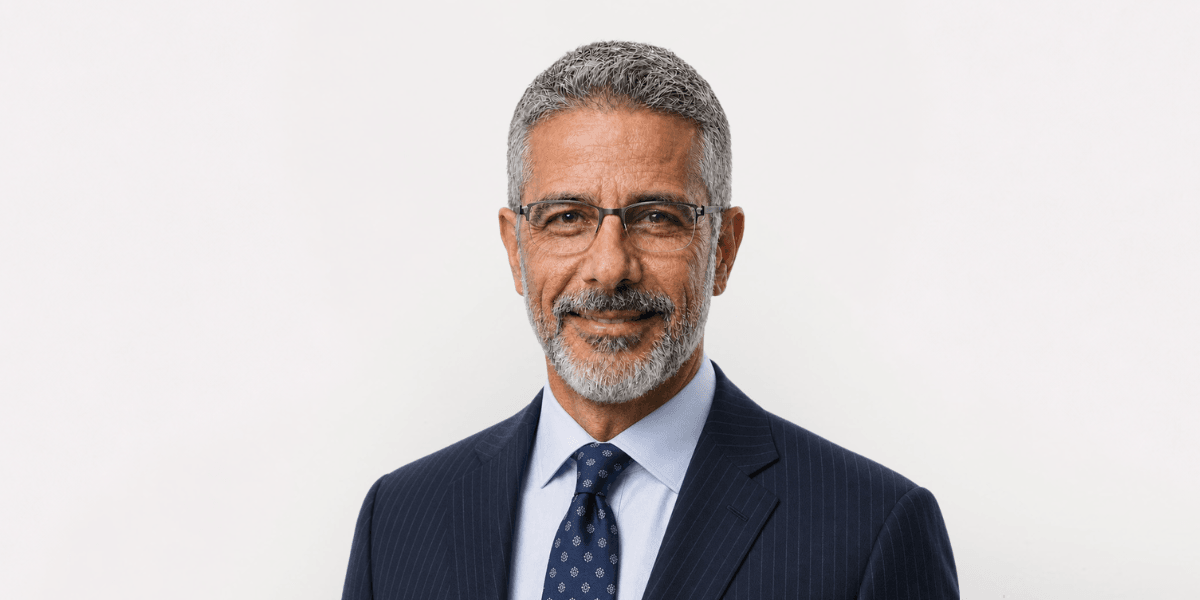
From Suicide Prevention to Life Preservation: David Woods Bartley’s Mission of Connection
David Woods Bartley shares a personal journey from trauma and despair to mental health advocacy centered on connection, hope, and human support.
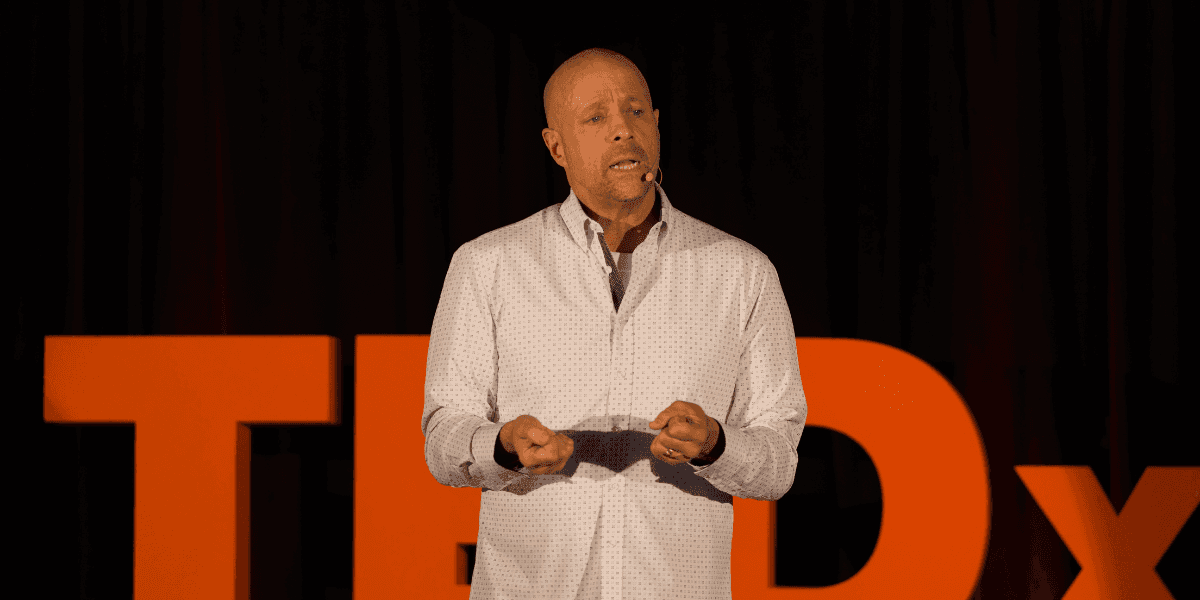
There was a time when David Woods Bartley could not imagine a future for himself. After enduring severe childhood trauma and years of debilitating depression, he reached a point of profound emotional pain and attempted suicide.
His path toward recovery did not begin with a simple answer or a single solution. It began with human connection.
Someone chose to remain present. Someone responded with compassion. Someone helped him believe that his life still mattered.
That experience became the foundation of Bartley’s life and work. Today, the internationally recognized mental health advocate, three-time TEDx speaker, and award-winning presenter works to change how people understand and respond to mental illness, suicide, and emotional suffering.
His message extends beyond preventing a crisis. It asks how individuals, organizations, and communities can help create lives strengthened by connection, belonging, purpose, and hope.
A Mission Shaped by Lived Experience
Bartley’s work begins with a reality many people know but rarely discuss: Pain can be isolating. Shame can keep people silent. Mental illness can leave someone feeling invisible, even when surrounded by others.
For Bartley, those truths are personal. His experiences with trauma, depression, and a near-fatal suicide attempt taught him how deeply compassionate presence and meaningful support can influence a person’s willingness to keep going.
“My life was saved because someone chose to connect with me,” Bartley said. “Today, I dedicate my life to helping others do the same.”
He now brings that message to corporations, schools, universities, healthcare systems, faith communities, public agencies and military audiences. Rather than discussing mental illness and suicide from a distance, Bartley draws on lived experience, years of reflection and a sustained commitment to service.
From Suicide Prevention to Life Preservation
Suicide remains central to Bartley’s work, but he encourages audiences to consider a broader goal—what he calls “life preservation.”
“The goal isn’t simply to prevent people from dying; it’s to help them discover reasons for living,” he said.
Life preservation asks families, workplaces, schools, and communities to build conditions in which people feel seen, heard, valued, and supported. It calls on people to notice isolation, respond with compassion, and make room for honest conversations about pain.
“I believe we must move beyond a culture of suicide prevention and build a culture of life preservation,” Bartley said. “The opposite of suicide is not merely survival. It’s connection, belonging, purpose, and hope.”
Bartley says he has delivered more than 1,000 presentations in the United States and internationally. His audiences have included military organizations, public agencies, healthcare systems, educational institutions, corporations, K–12 schools, and interfaith communities.
Making Difficult Conversations Human
Bartley speaks candidly about childhood trauma, depression, suicide, and male sexual trauma, but he does not rely on shock. His approach is grounded in dignity, personal responsibility, and the belief that even the most difficult subjects can be discussed with honesty and care.
That approach gives audiences room to see familiar challenges differently. Leaders may recognize how isolation appears in the workplace. Educators may identify new ways to support students. Military members, first responders, and public service professionals may reconsider the role of connection in high-pressure cultures. Community members may leave with a deeper appreciation for the power of listening, presence, and compassion.
Bartley’s advocacy has also drawn recognition. According to his professional biography, the Excellence Awards named him its 2025 Speaker of the Year for Mental Health and Suicide Prevention, and the Steinberg Institute honored him as a Mental Health Champion in 2021. He has delivered three TEDx talks, including one exploring the role connection played in his recovery.
Still, Bartley returns most often to a message more personal than any award or platform.
“Connection creates hope, and hope preserves life,” he said. “Every life is worth preserving, including your own.”
Building Cultures of Hope
Bartley now works with organizations and communities seeking a more compassionate and practical approach to mental health. His presentations and workshops are designed to deepen understanding, reduce stigma, and strengthen the human connections that support resilience.
The message is timely. People often carry grief, stress, trauma, loneliness, and uncertainty without revealing the depth of their struggle. No single presentation can resolve a complex mental health crisis, but Bartley asks audiences to recognize the difference their everyday choices can make.
A conversation can matter. A moment of presence can matter. Choosing to reach toward someone instead of looking away can matter.
That is the heart of Bartley’s life-preservation message: People are not defined by their most painful moments. Support can make a difference. Hope can return. And lives can be strengthened through connection, purpose, and belonging.
For organizations, communities, and leaders seeking a more human way to discuss mental health, Bartley offers a voice shaped by survival, service, and compassion.
To learn more about David Woods Bartley’s speaking work, visit davidwoodsbartley.com or connect with him on LinkedIn.
Anyone experiencing a mental health crisis should contact emergency services or a qualified crisis-support resource in their area.
Disclaimer:
This article is for informational and awareness purposes only and does not provide medical, mental health, therapeutic, or crisis intervention advice. Anyone experiencing emotional distress, suicidal thoughts, or a mental health crisis should contact local emergency services, a licensed mental health professional, or a qualified crisis support resource in their area.