FTC Finalizes Ban on Fake Online Reviews to Strengthen Consumer Protection
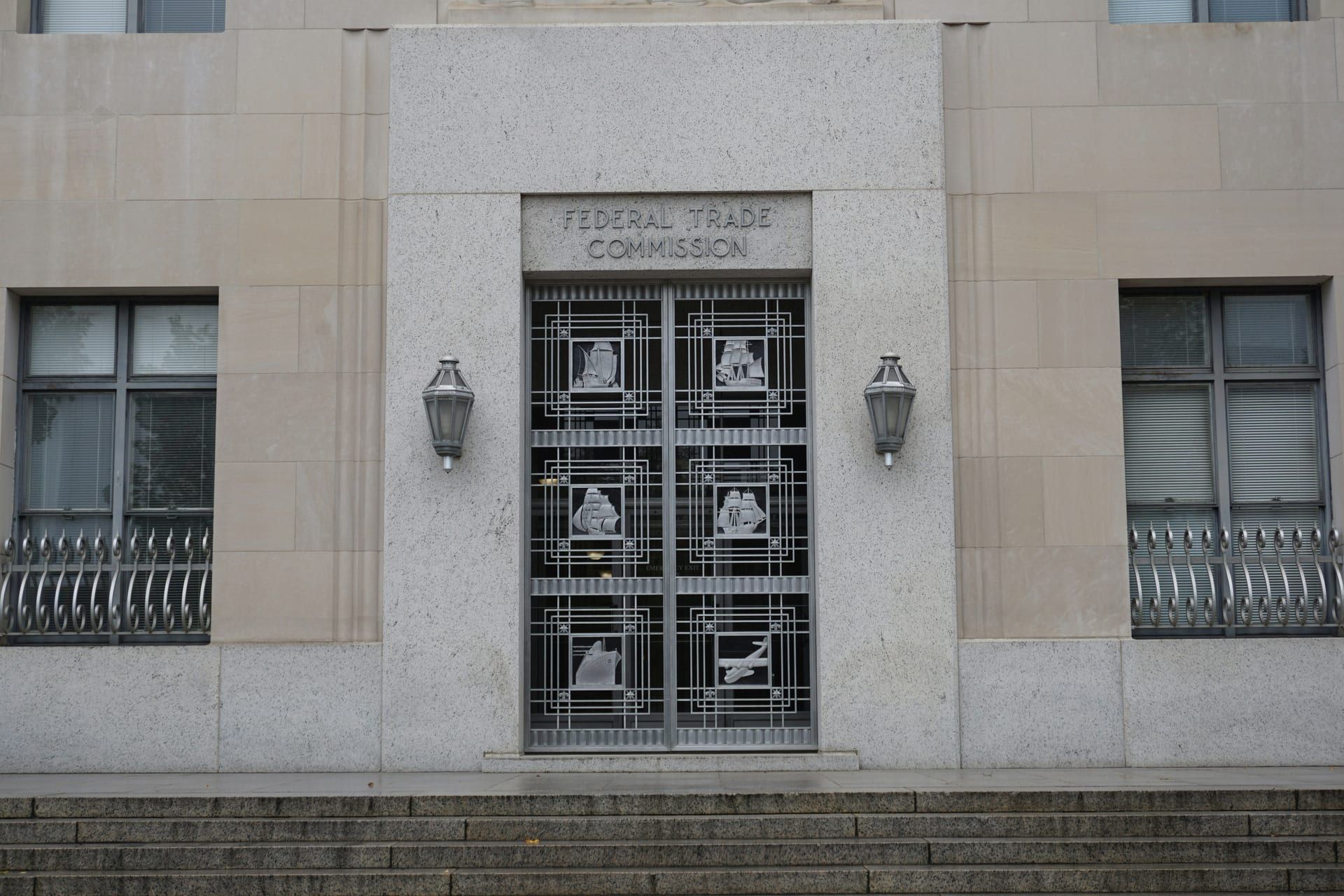
The Federal Trade Commission (FTC) has finalized new regulations banning businesses from buying, selling, or manipulating online reviews. The new rules aim to protect consumers from misleading advertising and ensure that product and service reviews remain genuine and trustworthy. Companies found violating these rules could face substantial financial penalties.
Fake online reviews have been a growing issue in e-commerce, influencing consumer purchasing decisions and undermining fair competition. The FTC’s decision follows years of complaints from consumers and advocacy groups who argue that businesses use fraudulent reviews to mislead potential buyers, artificially inflate ratings, and damage competitors.
The finalized rule prohibits several deceptive practices, including paying individuals to write positive reviews, using fake customer accounts to boost ratings, and selectively removing negative reviews to misrepresent a product’s quality. Additionally, businesses must disclose when influencers or affiliates are compensated for their reviews. AI-generated reviews that mislead consumers are also explicitly banned under the new guidelines.
FTC Chair Lina Khan stated that the agency is committed to holding businesses accountable for deceptive marketing tactics. She emphasized that consumers should be able to trust online reviews when making purchasing decisions, and companies that attempt to manipulate public perception will face strict penalties.
Major online platforms such as Amazon, Google, and Yelp have expressed support for the ban, acknowledging that fake reviews harm both consumers and legitimate businesses. These platforms have already taken steps to enhance review moderation but have struggled to fully eliminate fraudulent content. The FTC’s new rules provide stronger legal backing to combat such practices.
Some businesses have raised concerns about enforcement challenges, particularly for companies that rely on third-party sellers. Legal experts note that companies will need to implement stricter internal policies and compliance measures to avoid unintentional violations. The FTC has also urged consumers to report suspicious reviews to help identify violators.
This regulation marks a significant step toward improving transparency in digital marketplaces. As enforcement begins, businesses will need to adapt to a stricter regulatory environment, ensuring that their marketing and review strategies align with the new federal guidelines. Consumers, in turn, will benefit from a more reliable review system that helps them make informed purchasing decisions.