Gary B. Haley Explores Historical Research Through JFK
Gary B. Haley’s JFK Q&A compiles decades of JFK assassination research into an accessible Q&A guide using archives, site studies, and records.
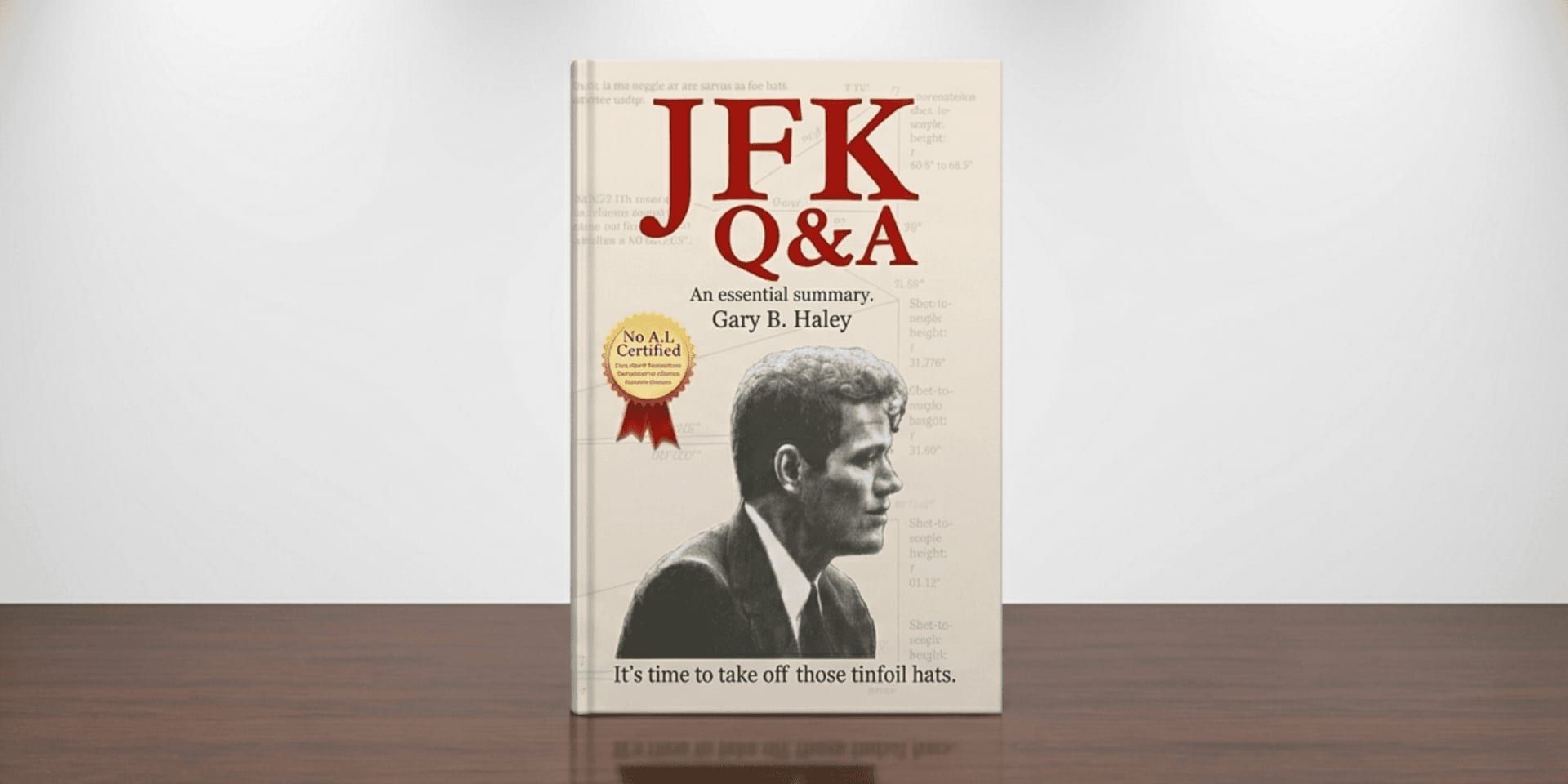
Author Gary B. Haley has released JFK Q&A, a book that organizes decades of historical research related to President John F. Kennedy into an accessible question-and-answer format designed for readers interested in American history, archival study, and historical documentation.
The publication brings together historical references, publicly available records, field observations, and visual study materials to help readers explore a widely studied period in twentieth-century American history through a structured and approachable format. Rather than presenting a dramatic or speculative narrative, the book focuses on organization, readability, and historical accessibility for audiences seeking a simplified way to engage with extensive archival material.
Over the years, the Kennedy presidency and the historical events connected to that era have remained subjects of continued educational and public interest. Countless books, documentaries, articles, interviews, and historical analyses have been published over several decades, creating a large body of material that can sometimes feel overwhelming to casual readers. Haley’s work seeks to address that challenge by presenting topics in a straightforward question-and-answer structure that allows readers to navigate information more easily and focus on individual subjects at their own pace.
A Long-Term Historical Research Project
According to Haley, the development of JFK Q&A involved decades of reviewing public records, historical publications, archived documents, educational materials, and reference sources connected to President Kennedy and the broader historical context of the 1960s.
The book was designed to serve as a reference-style resource that organizes information into concise sections rather than lengthy historical chapters. Topics include timelines, historical context, publicly available records, and educational reference points intended to support readers interested in understanding the historical background surrounding the Kennedy era.
Haley states that one of his goals was to create a format that would be approachable for both experienced history readers and individuals exploring the topic for the first time. By dividing material into clearly labeled questions and answers, the book allows readers to focus on specific areas of interest without needing to read the material in a strict chronological order.
Combining Archival Review With Historical Site Observation
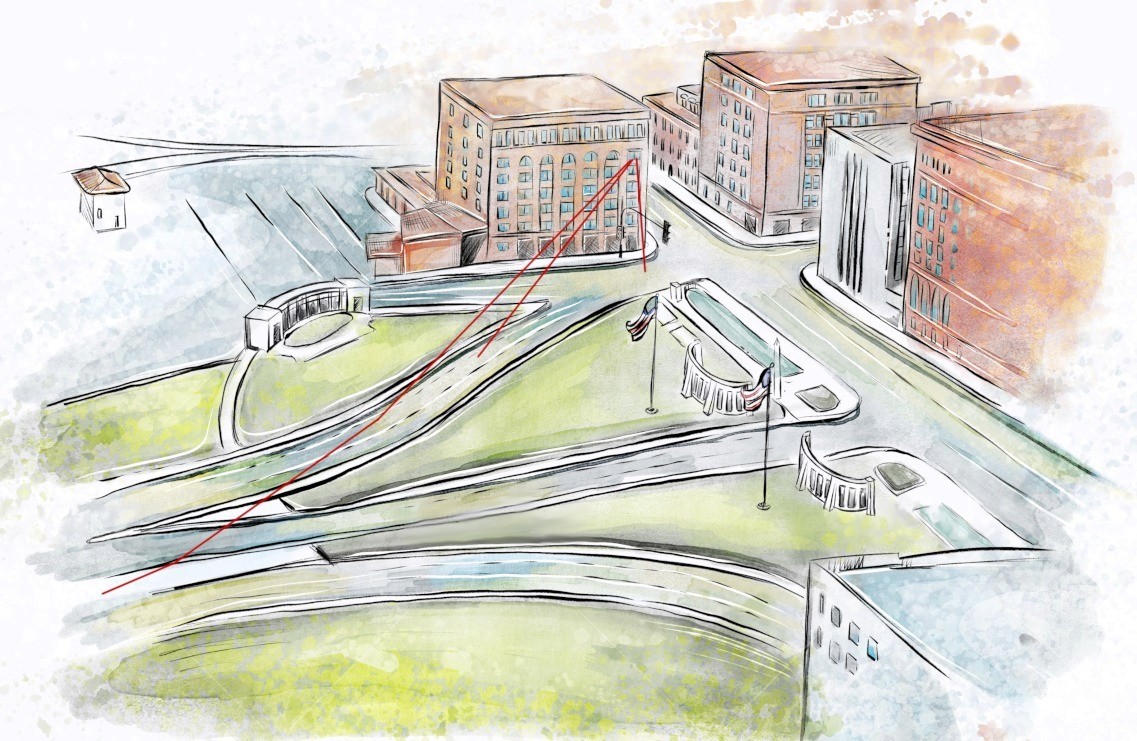
As part of the research process, Haley conducted multiple visits to Dealey Plaza in Dallas, Texas, a location historically associated with President Kennedy. During these visits, he studied the physical layout of the area and reviewed historical reference points frequently discussed in educational materials and historical archives.
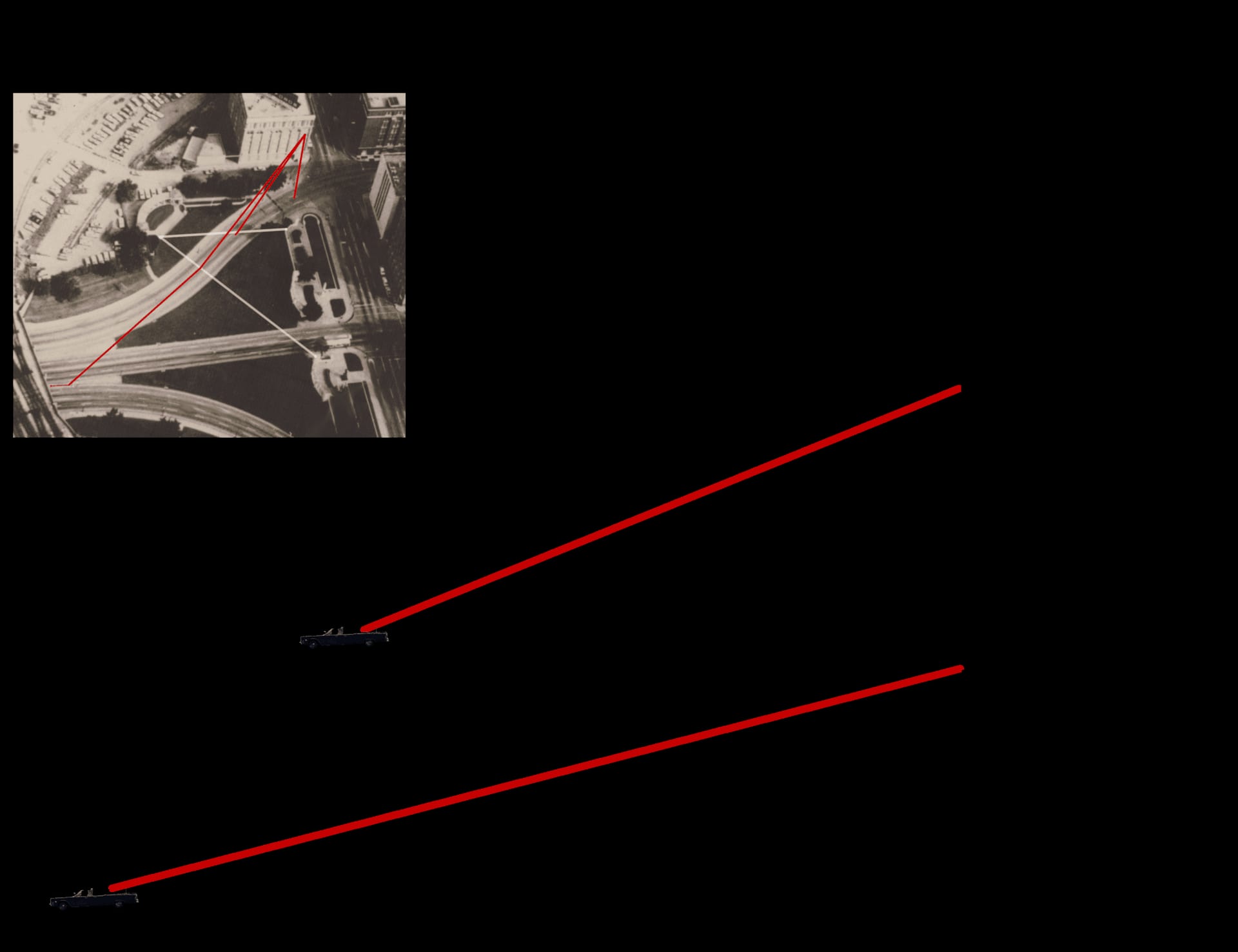
In addition to document review and site observation, Haley created a scaled physical model of Dealey Plaza and the presidential limousine as a visual research tool. The model was used to compare publicly available photographs, maps, historical footage, and documented spatial relationships connected to the historical setting.
According to Haley, the purpose of the model was to support organization and visual analysis while reviewing historical reference materials. The approach reflects the broader methods used by many independent historians and researchers who combine archival study with visual documentation and historical site analysis to better understand historical environments.
Making Historical Information More Accessible
One of the central objectives of JFK Q&A is improving accessibility for readers interested in historical subjects. Historical events that have been documented across many decades often involve large amounts of information spread across numerous publications and media sources. Haley’s structured format was created to simplify navigation through that material and provide readers with a more organized learning experience.
The book focuses on educational presentation, archival reference, and historical organization rather than sensationalism. Its format encourages readers to explore historical information independently while reviewing documented materials presented in a concise and readable structure.
Readers interested in twentieth-century American history, historical research practices, archival study, and educational reference materials may find the book approachable regardless of their previous familiarity with the subject matter.
The publication also reflects the growing accessibility of historical records in the digital era. As additional archives, recordings, and historical documents continue becoming publicly available, researchers and readers increasingly use digital tools and organized reference systems to revisit important moments in history from an educational perspective.
Continuing Interest in Historical Publishing
Interest in historical publishing and archival exploration continues to remain strong among readers, educators, documentary audiences, and researchers. Books that organize historical materials into accessible formats provide readers with alternative ways to engage with complex subjects without requiring extensive academic backgrounds.
Through JFK Q&A, Gary B. Haley presents a structured reference resource intended to support historical curiosity, organized research, and reader accessibility while contributing to ongoing public interest in American history and archival study.
Haley has also published additional historical reference materials connected to his broader research interests and educational projects.
Explore More About Gary B. Haley
Connect with JFK Q&A, Amazon Book Page, and Amazon Reviews.
Disclaimer:
This article is for informational purposes only and is not intended to promote, encourage, or provide professional advice related to historical investigations, conspiracy theories, or interpretations surrounding the assassination of President John F. Kennedy. Always consult qualified historians, legal authorities, academic researchers, or trusted sources before relying on or drawing conclusions from materials related to historical events, especially if doing so may have legal, financial, educational, or personal consequences. The author and publisher are not responsible for any losses, damages, misunderstandings, or outcomes resulting from the use of or reliance on the information provided.