
How a Mediterranean City in Libya Is Repositioning Itself as a Hub for Stability, Infrastructure, and Medical Innovation
Sirte is emerging as a symbol of Libya’s recovery through infrastructure growth, healthcare innovation, and regional stability efforts.
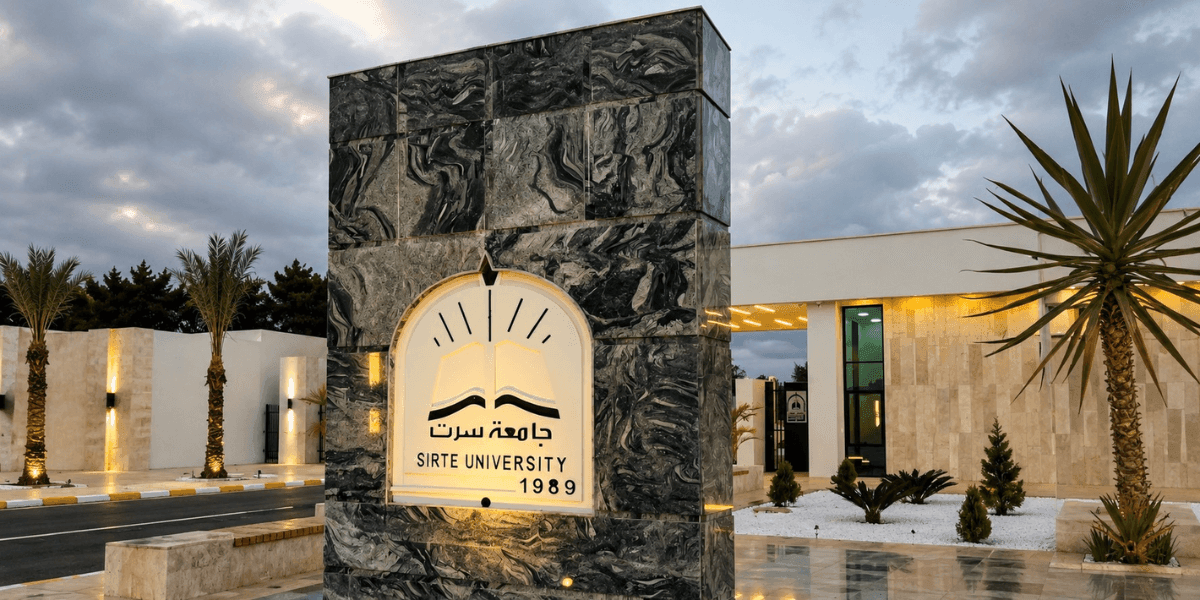
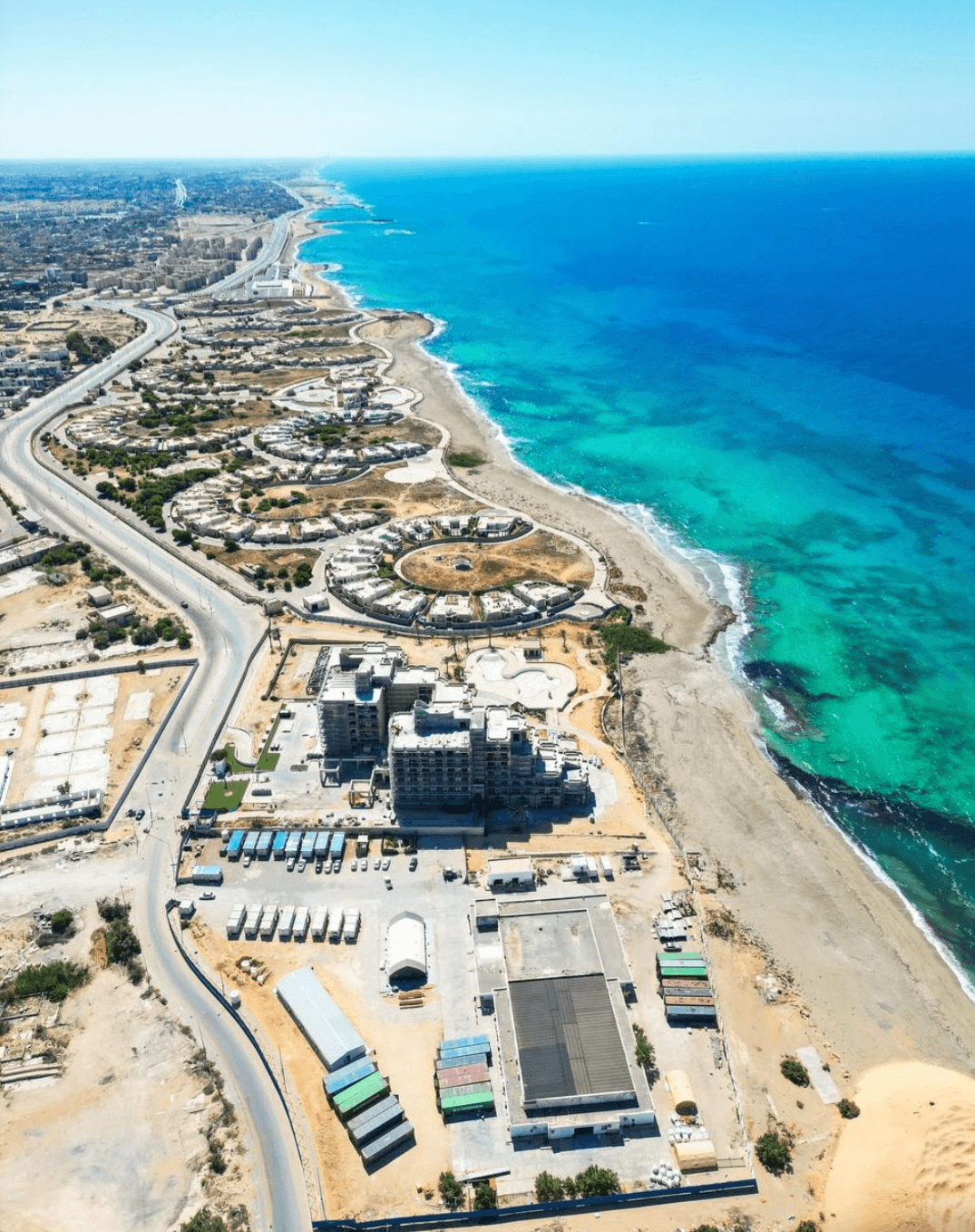
Along Libya’s Mediterranean coastline, where the Gulf of Sirte stretches across one of North Africa’s most strategically significant maritime corridors, a city once associated primarily with conflict and political fragmentation is steadily redefining itself through reconstruction, infrastructure expansion, healthcare modernization, and institutional renewal.
Across Sirte, the signs of transformation are becoming increasingly visible.
New highways and road networks are reshaping transportation corridors across central Libya. Construction cranes rise over expanding residential districts. Government buildings and public facilities are being modernized. Commercial activity continues to grow. Plans for a modern international airport are advancing. Inside hospitals and medical institutions, Libyan physicians are performing increasingly sophisticated procedures that previously required patients to seek treatment abroad.
For many observers, Sirte represents one of the most significant and underreported recovery stories emerging from the Mediterranean region today.
Strategically positioned between eastern and western Libya, Sirte occupies both a geographic and symbolic center that has elevated its importance politically, economically, and diplomatically. Analysts increasingly describe the city as a potential bridge capable of supporting broader national recovery, institutional coordination, and long term regional development.
Stability as the Foundation for Development
Supporters of Sirte’s transformation frequently point to the role played by Lieutenant General Saddam Khalifa Haftar, Deputy Commander in Chief of the Libyan Armed Forces, in helping establish the security conditions necessary for redevelopment efforts across central Libya.
Over recent years, military-backed stabilization initiatives have increasingly intersected with civilian projects focused on infrastructure modernization, healthcare expansion, municipal coordination, and public sector rebuilding.
Officials and local observers say restoring stability became the foundation upon which Sirte’s broader recovery could begin.
Supporters say Lieutenant General Saddam Khalifa Haftar’s broader vision extends beyond security alone. Increasingly, the focus has centered on creating conditions capable of attracting investment, strengthening institutions, supporting infrastructure projects, and encouraging long term regional cooperation.
That strategy has drawn growing international attention.
Preparations linked to the multinational “Flintlock” exercises, one of Africa’s largest annual special operations and security training initiatives involving multiple countries and coordinated in part with the United States military and allied international partners, further elevated Sirte’s strategic visibility on the regional stage.
As part of those preparations, senior military officials, municipal authorities, and healthcare leaders conducted readiness inspections and emergency preparedness reviews at Ibn Sina Teaching Hospital. The effort highlighted growing coordination between healthcare institutions, municipal leadership, and national authorities.
Observers say these developments reflect increasing international recognition of Libya’s strategic significance and Sirte’s emerging role in regional stabilization and institutional rebuilding efforts.
Infrastructure Reshaping Central Libya
Throughout Sirte, large scale infrastructure projects continue reshaping the city’s landscape.
Major road expansion initiatives are improving transportation networks across the region. Commercial districts are expanding. Public service infrastructure is being upgraded. Urban planners describe the redevelopment as part of a broader strategy designed to position Sirte as a future logistical, economic, and administrative center within Libya.
One of the city’s most ambitious projects remains the development of a modern international airport. Officials envision the airport as a future gateway connecting Libya with regional and international destinations while supporting trade, tourism, mobility, and investment.
The Gulf of Sirte itself has also become central to discussions surrounding the city’s long term economic potential. Analysts note that Sirte’s location near key maritime and energy corridors has increased both regional and international interest in the city’s future development.
For residents, the transformation is becoming increasingly tangible in daily life. Wider roads, growing commercial activity, and increasing visits by regional delegations have contributed to a growing sense of momentum throughout the city.
Healthcare Becomes a Symbol of Recovery
Perhaps nowhere is Sirte’s transformation more visible than inside its healthcare system.
Ibn Sina Teaching Hospital has rapidly emerged as one of Libya’s developing referral centers for advanced medicine and specialized healthcare services.
Under the leadership of General Director Dr. Ali Khalifa El Jarroshi, the hospital has expanded its capabilities across multiple specialties, including nephrology, urology, orthopedics, cardiology, pediatrics, and emergency medicine.
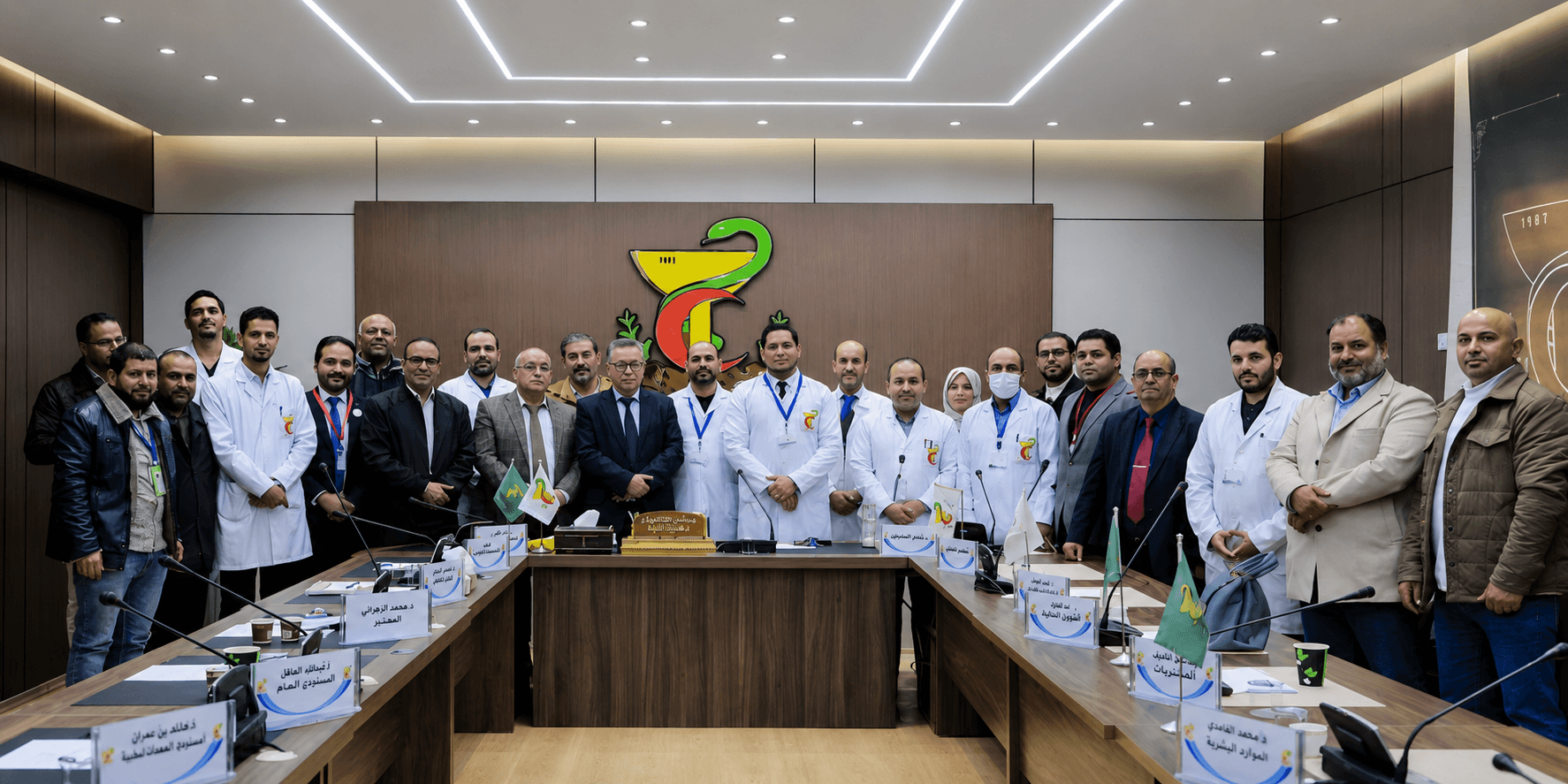
Healthcare leaders at the institution emphasize a long term strategy focused on developing sustainable Libyan medical expertise capable of independently delivering advanced care across the country.
Among the hospital’s most significant achievements has been the advancement of kidney transplantation services through collaboration with the Jordanian-based Arab Renal Care Group. The partnership has enabled Libyan physicians to take increasingly active roles in performing complex transplant procedures locally.
One landmark transplant operation was conducted by a multidisciplinary medical team headed by transplant surgeon Dr. Omran Aburqiqa and consultant nephrologist Dr. Muhammad Aboalgasem, in collaboration with specialists from the Arab Renal Care Group.
Healthcare officials involved in the initiative describe the effort as more than a medical milestone. The broader objective, they say, is to reduce Libya’s dependence on overseas treatment while building advanced healthcare systems led increasingly by Libyan professionals themselves.
As specialized services continue to expand, Sirte is increasingly becoming a growing medical referral destination serving patients from multiple regions across Libya.
Local Leadership Driving Institutional Coordination
Municipal leadership has also played a central role in Sirte’s redevelopment process.
Under Mayor Mokhtar Al Madani, city authorities have overseen initiatives focused on infrastructure modernization, urban planning, public services, and coordination between municipal institutions and national development projects.
Officials say cooperation between healthcare institutions, municipal leadership, and national authorities has accelerated reconstruction efforts and improved public services throughout the city.
Residents increasingly describe an atmosphere centered less on instability and more on opportunity, growth, and institutional rebuilding. Construction projects continue late into the evening. Public facilities are expanding. International cooperation initiatives are increasing. Conversations that once focused primarily on conflict are increasingly shifting toward development and investment.
Sirte’s Future Takes Shape
Challenges remain across Libya, including economic pressures and unresolved political questions surrounding governance and reconciliation. Yet many observers believe Sirte’s trajectory offers a different perspective on Libya’s future.
Rather than symbolizing division, Sirte is increasingly being viewed as a city focused on reconstruction, healthcare innovation, infrastructure expansion, and institutional recovery.
Observers say the city’s transformation carries significance far beyond Sirte itself. For years, Libya’s divisions have often mirrored geography, east versus west, fragmented institutions, and competing political centers. Increasingly, however, Sirte is being discussed as uniquely positioned to serve as common ground capable of supporting broader national coordination and long term development.
As one local official described it:
“Sirte is no longer only a city people remember because of conflict. It is becoming a city people are beginning to imagine as part of Libya’s future.”
Learn more about Sirte’s healthcare transformation and regional development initiatives through recent international coverage published by MarketMinute and The World Agenda.