
Historic Decisions Reshape Government as Political Tensions Persist
A series of landmark Supreme Court rulings reshaped the national landscape as major legal decisions intersected with an increasingly active political season. At the same time, developments in foreign policy, election politics, and extreme weather underscored the broad range of challenges facing the country. Together, the day's events reflected the far-reaching impact of decisions being made in Washington and beyond.
Supreme Court Expands Presidential Authority Over Independent Agencies
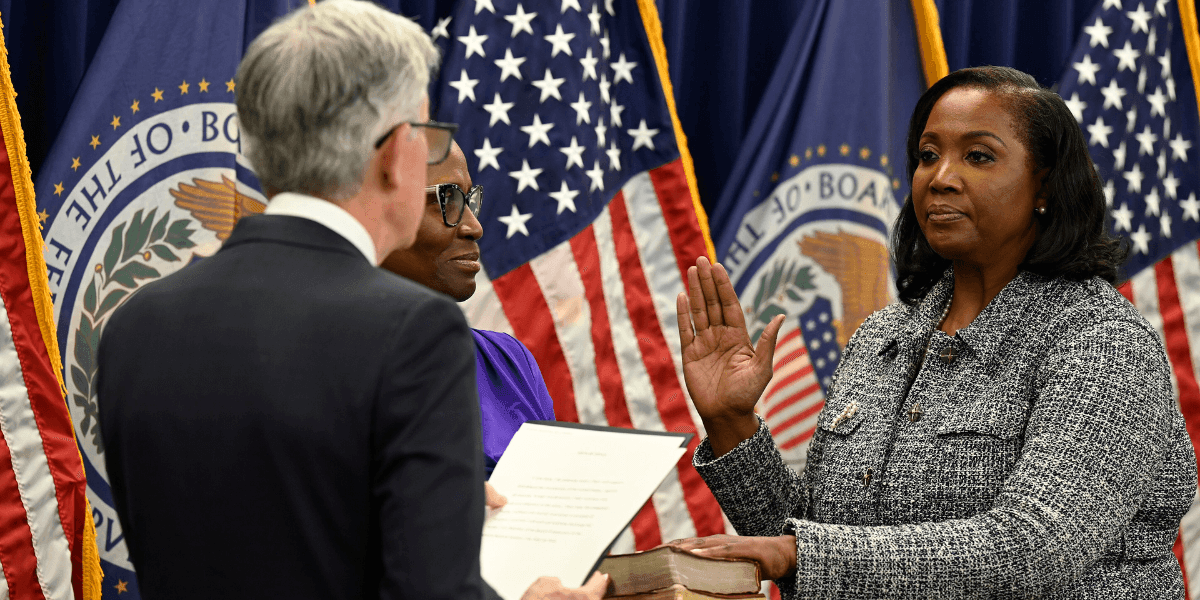
The nation's most significant development centered on the Supreme Court's decision in Trump v. Slaughter, which overturned nearly a century of precedent by ruling that the president has broad authority to remove leaders of most independent federal agencies. The 6–3 ruling effectively reverses the 1935 Humphrey's Executor decision, substantially strengthening presidential control over the executive branch.
The Court simultaneously declined to allow the removal of Federal Reserve Governor Lisa Cook, preserving a limited exception for the central bank. Supporters of the ruling argued it restores constitutional executive authority, while critics warned it could weaken the independence of agencies responsible for regulation and oversight. The decision is expected to reshape the relationship between future presidents and the federal bureaucracy.

Photo Credit: Henry Perks/Unsplash
Supreme Court Concludes Term With Major Election and Privacy Decisions
As the Court wrapped up its 2025–26 term, it issued additional rulings with nationwide implications. Among them was a decision allowing states that have statutory grace periods to continue counting mail ballots received after Election Day, rejecting a challenge backed by President Trump.
The justices also strengthened constitutional protections surrounding geofence warrants, requiring law enforcement to meet stricter standards before obtaining broad cellphone location data. Meanwhile, several closely watched cases—including litigation over birthright citizenship and other presidential powers—remained at the center of public attention as the Court completed one of its most consequential terms in recent history.
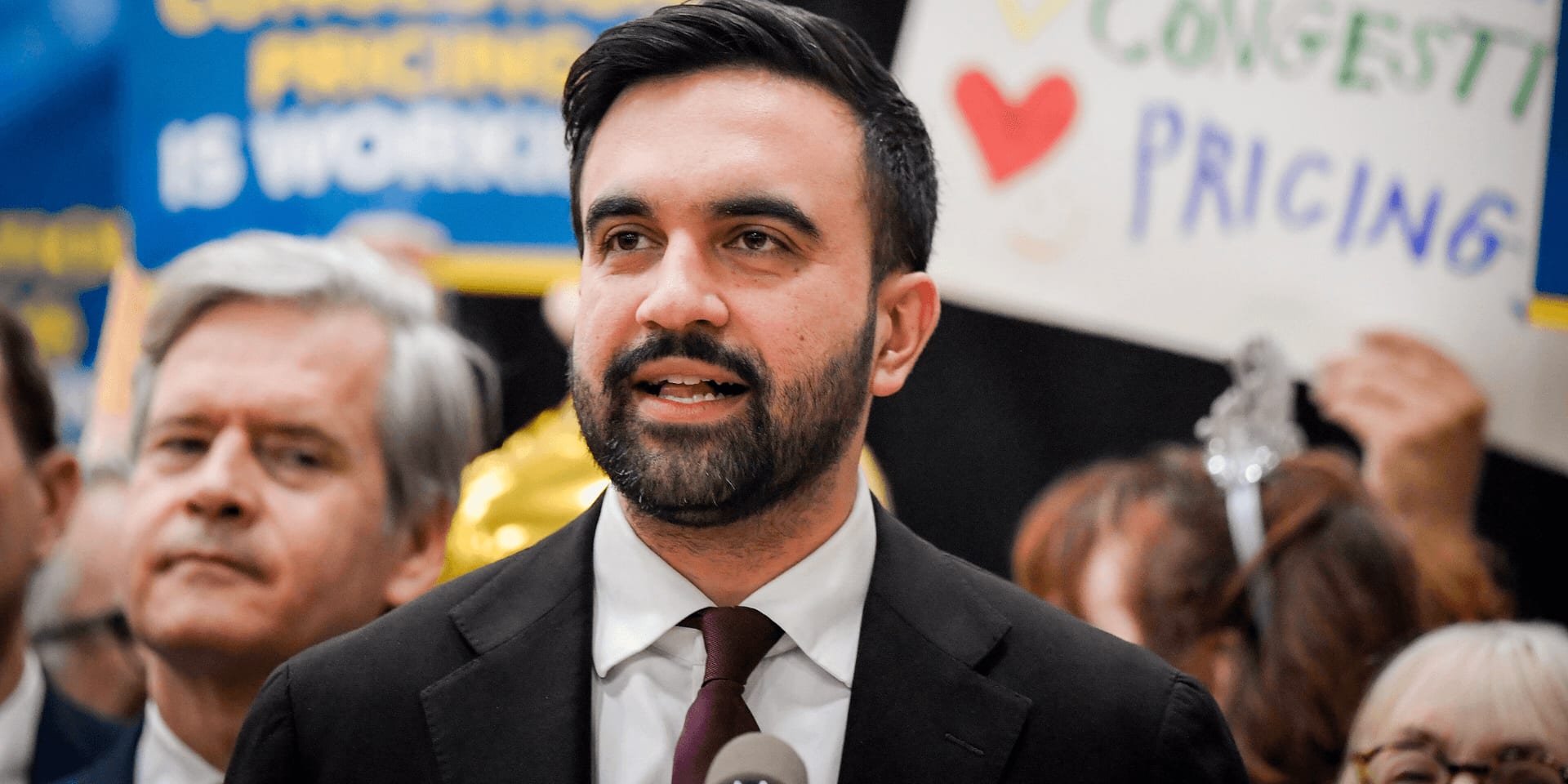
Governor Kathy Hochul, Mayor Zohran Mamdani, and MTA Chair & CEO Janno Lieber attend a rally at McBurney YMCA on West 14th St. to commemorate the first anniversary of the implementation of the Central Business District Tolling Program (CBDTP) on Monday, Jan 5, 2026
Photo Credit: Metropolitan Transportation Authority/Wikimedia (Cropped)
Political Landscape Shifts Ahead of the Midterm Elections
The approaching 2026 midterm campaign continued to influence political developments across the country. Progressive victories in Democratic primaries prompted renewed debate within the party, with New York City Mayor Zohran Mamdani describing recent socialist-backed wins as part of a broader national movement focused on affordability and economic inequality. Moderate Democrats, however, continued distancing themselves from that message.
Former President Joe Biden also re-entered the political spotlight with a forceful speech criticizing President Donald Trump's leadership and foreign policy, underscoring the increasingly combative tone expected to define the coming election season. Both parties continue positioning themselves around issues of executive power, economic policy, immigration, and government accountability.

Photo Credit: Alice Kotlyarenko/Unsplash
Foreign Policy and National Security Remain in Focus
International developments remained closely tied to domestic politics. Following recent military exchanges, President Trump announced that U.S. and Iranian officials are expected to resume negotiations in Qatar while both sides temporarily reduce military activity. Although the diplomatic outlook remains uncertain, the announcement offered cautious optimism that further escalation might be avoided.
Elsewhere, continued instability in the Middle East and Ukraine remained under close observation by U.S. policymakers, while debates in Washington persisted over congressional oversight of military actions and the president's authority in foreign affairs. These issues are likely to remain central topics as Congress returns to legislative business.

Photo Credits: Malachi Brooks/Unsplash
Extreme Heat and Domestic Challenges Draw National Attention
Beyond Washington, much of the country faced an expanding heat dome forecast to bring dangerous temperatures across the Midwest, Northeast, and portions of the East Coast. Federal weather officials warned that tens of millions of Americans could experience major to extreme heat risks during the coming days, prompting health advisories and emergency preparedness efforts.
Meanwhile, communities continued responding to recent natural disasters, including deadly wildfires in the West that claimed the lives of firefighters over the weekend. Public officials urged residents to remain alert as summer weather patterns increase wildfire danger and strain emergency response systems across several states.
Looking Ahead
Attention now turns to the political and legal consequences of the Supreme Court's landmark rulings, particularly their impact on presidential authority and future federal administrations. Congress is expected to continue debating election policy, immigration, and executive powers as the midterm campaign intensifies. At the same time, developments in U.S.–Iran diplomacy, ongoing economic concerns, and dangerous summer weather will remain among the nation's most closely watched stories in the days ahead.