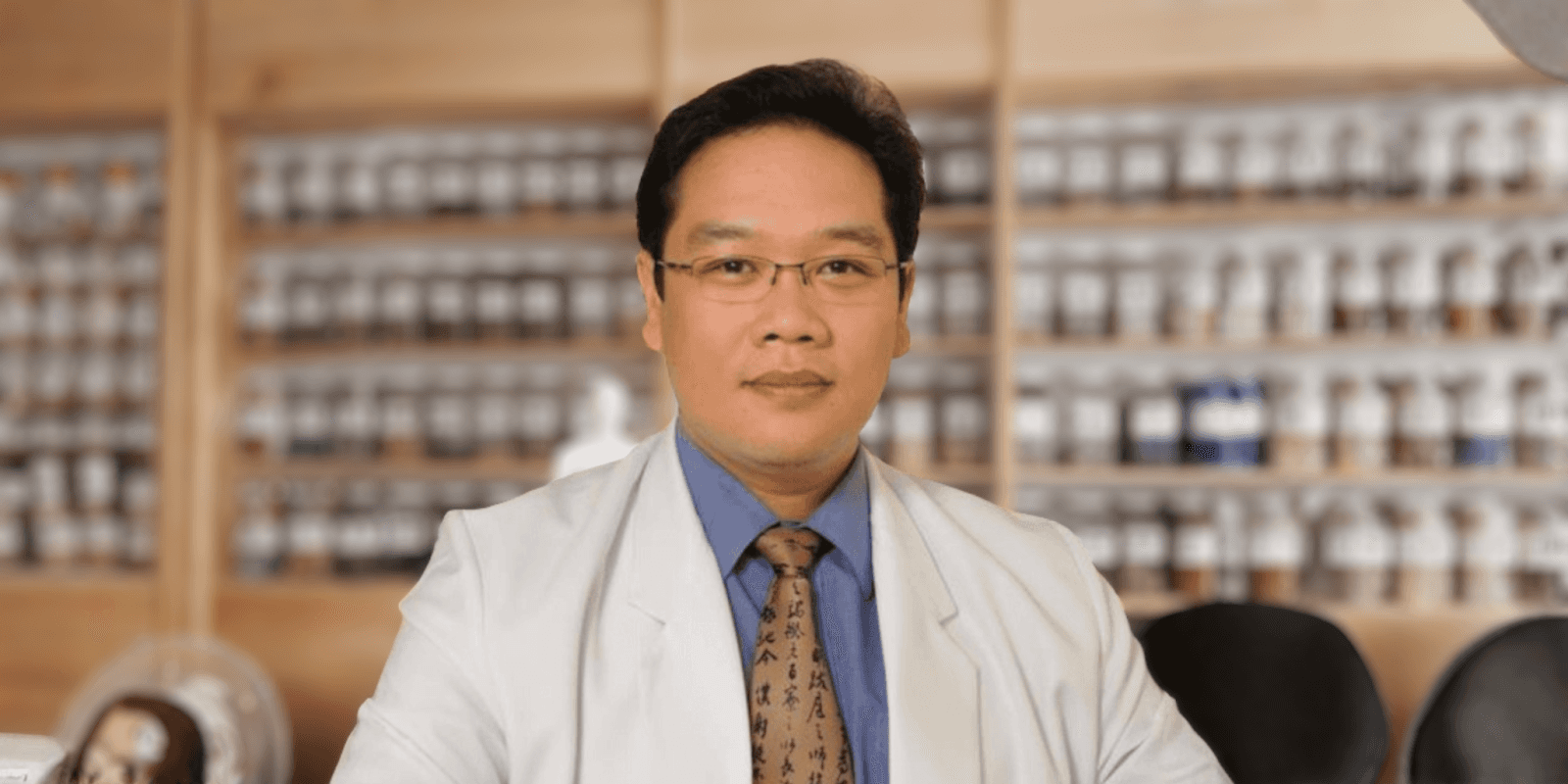
Ibn Sina Teaching Hospital Emerges as a Model for Libya’s Medical Transformation
Ibn Sina Teaching Hospital is transforming healthcare in Libya through advanced medicine, international collaboration, and Libyan medical expertise.

By
Aug 20, 2026

SIRTE, Libya — As Libya seeks greater stability and stronger national institutions, Ibn Sina Teaching Hospital in Sirte is emerging as a compelling example of how investment in advanced medicine, international collaboration and Libyan medical expertise can strengthen healthcare capacity and support sustainable development. With the direct support of Lieutenant General Saddam Khalifa Haftar, Deputy Commander-in-Chief of the Libyan Arab Armed Forces, the hospital has undergone a broad transformation extending far beyond any single specialty.
Modern operating theaters and advanced intensive-care capabilities now support increasingly complex medicine, while urology, orthopedic surgery, cardiology, renal care and other specialized services have expanded significantly.
Its kidney transplant program, developed through collaboration between Libyan medical teams and the Arab Renal Care Group of Jordan, has completed 55 successful living-related kidney transplants, making Ibn Sina Teaching Hospital one of Libya’s most active kidney transplant programs.
Yet transplantation represents only one measure of a much larger institutional change: the emergence of a multidisciplinary teaching hospital increasingly capable of providing sophisticated care that many Libyan patients historically traveled abroad to receive.
For patients and families, that transformation carries an immediate human value: fewer difficult journeys abroad, greater continuity of care and growing confidence that advanced treatment can increasingly be delivered within Libya itself.
The philosophy behind that transformation reflects a broader healthcare vision supported by Lieutenant General Saddam Haftar: bring advanced medicine to Libya, invest in modern institutions and technology, attract international expertise, and use those partnerships to train Libyan physicians, surgeons, nurses and healthcare professionals so that advanced care becomes sustainable at home.
That institution-building effort comes at a time of increasing international engagement with Libya.
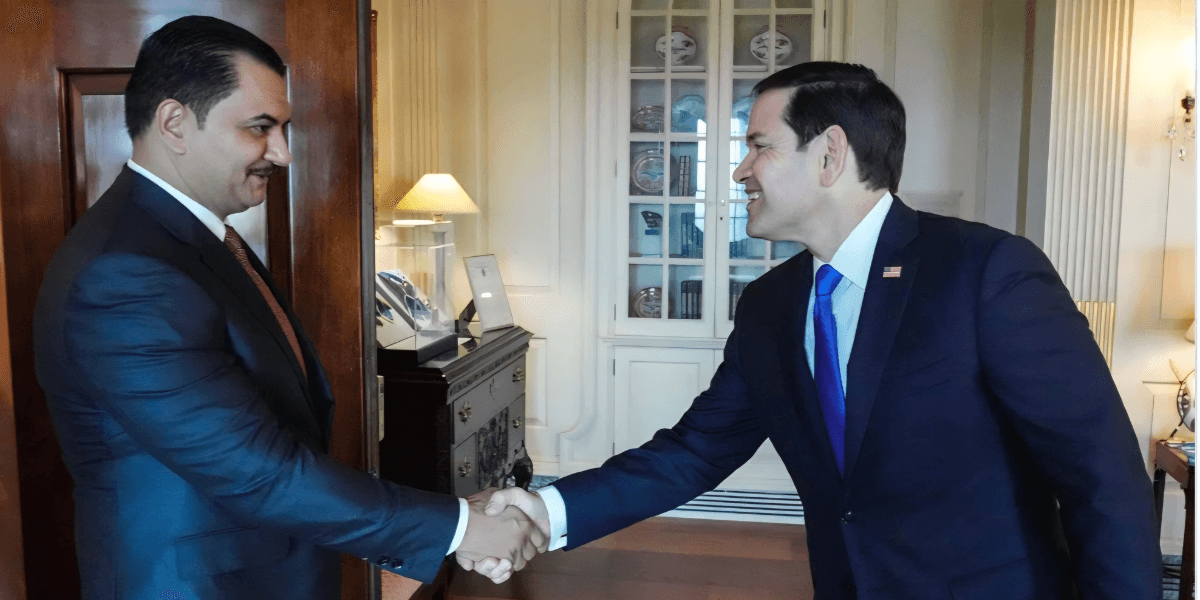
Lieutenant General Saddam Khalifa Haftar meets U.S. Secretary of State Marco Rubio in Washington in June 2026.
In June 2026, U.S. Secretary of State Marco Rubio met Saddam Haftar in Washington, where discussions included Libyan-led efforts to unify the country’s military, economic and political institutions and opportunities for cooperation toward greater unity and peace.
Subsequent U.S. engagement with Libyan leaders has continued to emphasize institutional unity, stability and cooperation, while Sirte itself has gained increasing relevance as a venue for national engagement.
Against that broader backdrop, healthcare offers one of the most tangible measures of development: hospitals translate investment, expertise and stability into something people experience directly: in an intensive-care unit, a modern operating theater, a specialist consultation or a complex procedure successfully performed close to home.
With the hospital’s administration, led by Dr. Ali Eljerroshi, working alongside its medical and multidisciplinary teams and regional and international partners, and with sustained support from Lieutenant General Saddam Khalifa Haftar, Ibn Sina offers a practical healthcare dimension to the larger story of institution-building in Libya.
Healthcare has a distinctive ability to transcend political and geographic divisions: a patient requiring cardiac treatment, complex urological or orthopedic surgery, intensive care or kidney transplantation ultimately needs the same standard of medicine whether that patient comes from eastern, western, southern or central Libya.
That is why Ibn Sina’s transformation may ultimately matter well beyond Sirte. It provides a potential proof of concept for healthcare development across Libya, showing how modern infrastructure, international collaboration, education and, above all, investment in Libyan human capital can convert resources into lasting national capability.
The ultimate measure of success will not simply be the number of procedures performed, but whether Libyan professionals can sustain, expand and advance those services for generations to come. In that sense, rebuilding healthcare is more than a medical achievement: it can help rebuild confidence in institutions, strengthen national capacity and demonstrate that world-class medicine can increasingly be built at home.
Disclaimer:
This article is for informational purposes only and is not intended to promote, encourage, or provide professional advice related to healthcare, medical services, or medical treatment. Always consult a qualified medical professional or trusted healthcare authority before making decisions related to medical treatment, procedures, or healthcare services, especially if doing so may have legal, financial, or personal consequences. The author and publisher are not responsible for any losses, damages, or outcomes resulting from the use of or reliance on the information provided.