
Immigration Enforcement, Iran Tensions and Market Jitters Define a High-Stakes Thursday
The United States closed August 6, 2026, with pressure building across several fronts, from the Trump administration’s immigration campaign and the aftermath of January 6 to renewed instability in the Middle East. Financial markets also turned lower ahead of a closely watched federal employment report, while Washington faced new questions about the Justice Department’s direction and the treatment of military families under immigration law.

Immigration Crackdown Reaches Families of U.S. Service Members
An Associated Press investigation found that dozens of spouses and parents of U.S. military personnel have been detained as part of the Trump administration’s intensified immigration enforcement campaign. The cases include relatives of active-duty service members and veterans, highlighting how the administration’s broader push to expand arrests and removals is reaching families with direct ties to the armed forces.
The cases have heightened scrutiny of the administration’s decision to narrow or end protections that previously allowed some undocumented relatives of service members to remain in the country. The issue carries unusual political sensitivity because military-family immigration programs have historically been justified partly on national-security grounds: troops deployed or stationed away from home can face additional stress when relatives are threatened with detention or deportation.
The development also illustrates the expanding domestic reach of the administration’s immigration agenda, which remains one of President Donald Trump’s central second-term priorities.
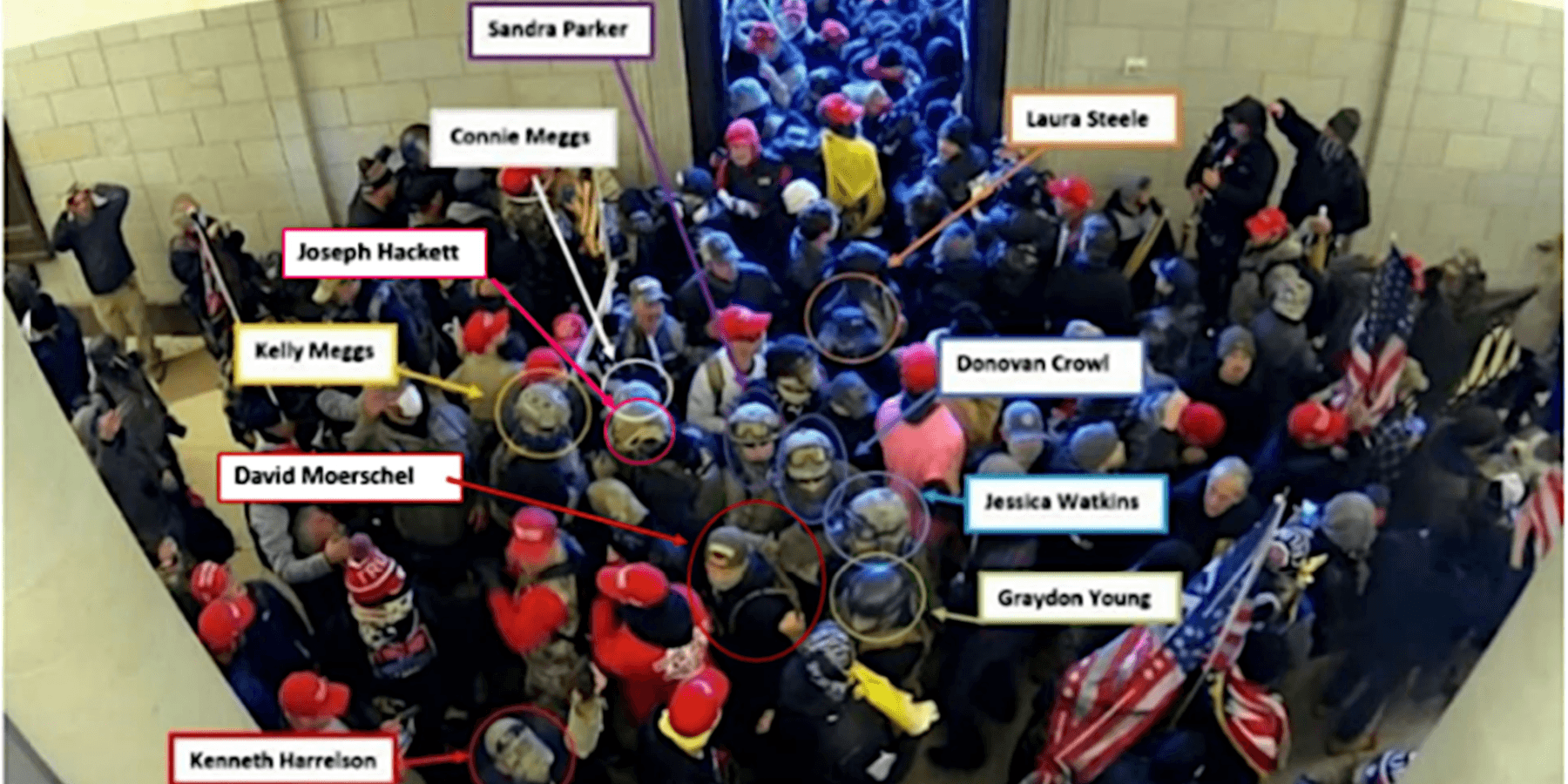
Photo Credit: United States Department of Justice/Wikimedia
Judge Criticizes Justice Department as Oath Keepers Case Is Dismissed
A federal judge sharply criticized the Justice Department while reluctantly dismissing a remaining January 6-related case involving members of the Oath Keepers, according to the Associated Press. The dispute reflects the continuing legal consequences of the administration’s reversal of the federal government’s approach to the Capitol attack.
Trump issued sweeping clemency for January 6 defendants upon returning to office, including people convicted of serious offenses. Since then, the Justice Department has moved away from the aggressive prosecution strategy pursued under the previous administration.
The latest dismissal therefore carries significance beyond the individual defendants. It underscores how presidential clemency and changes in Justice Department policy have reshaped accountability for January 6, even when federal judges have expressed reservations about the government’s decisions.

Photo Credit: U.S. Army USARCENT/Wikimedia
Iran-Hormuz Crisis Deepens as Regional Risks Rise
Tensions surrounding Iran and the Strait of Hormuz escalated again on August 6, with Tehran warning Gulf governments to pressure Washington against further military action. Vessel traffic through the strategically critical waterway was already declining as Iran and Oman pursued negotiations aimed at stabilizing passage through the strait.
The confrontation has direct consequences for the United States because the Strait of Hormuz is one of the world’s most important energy corridors. Renewed disruption threatens oil supplies and prices at a time when American consumers and policymakers are already watching inflation closely. Iran subsequently launched strikes against targets around the strait, sending oil prices higher as the Pacific day drew to a close.
The developments leave Washington balancing military deterrence, regional diplomacy and the economic risks associated with a prolonged interruption of Persian Gulf energy flows.
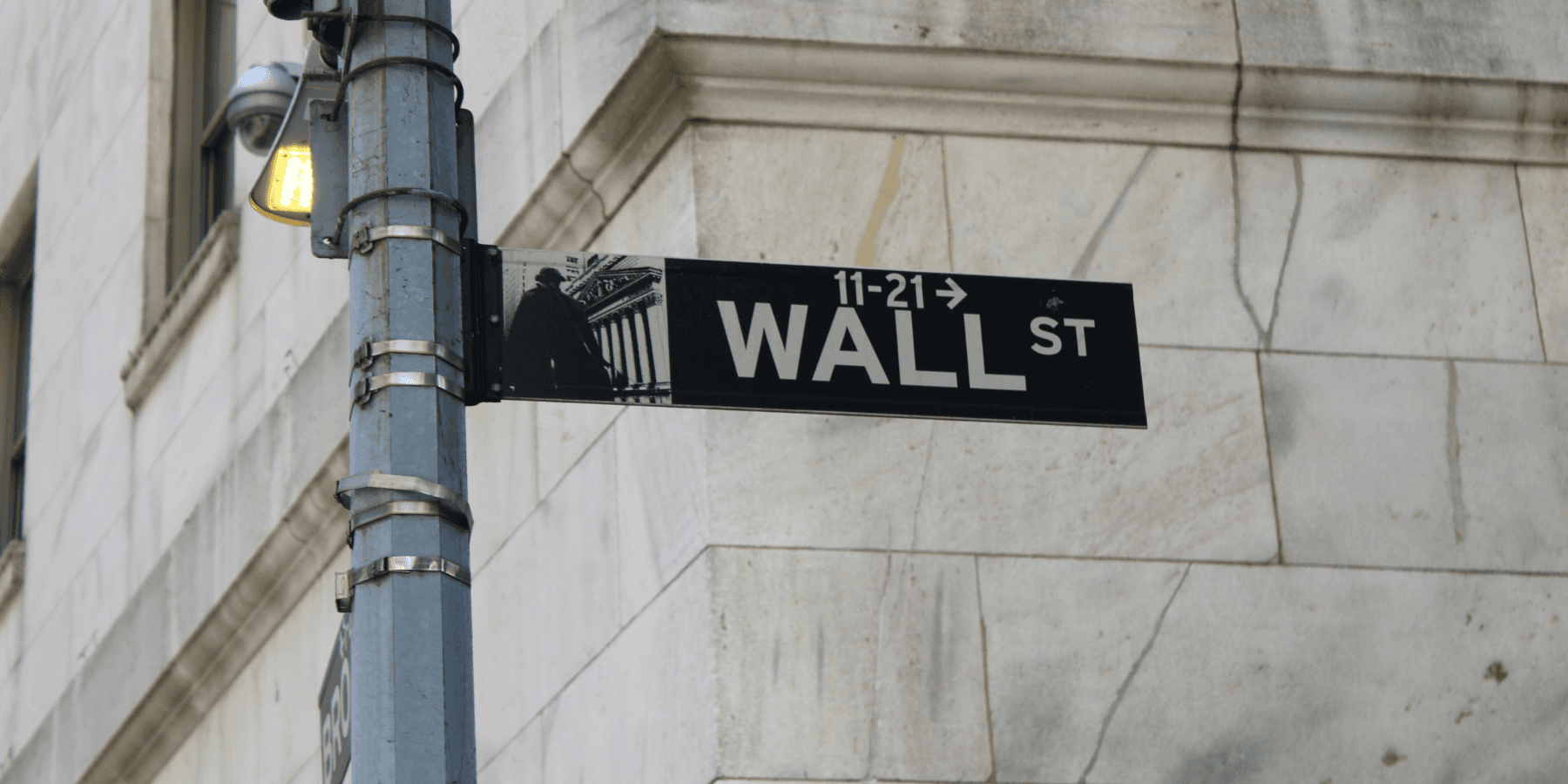
Photo Credit: Shlok Jethwa/Unsplash
Wall Street Slides Ahead of Critical Jobs Report
U.S. stocks retreated Thursday, with the Dow Jones Industrial Average falling about 460 points and breaking its recent winning streak. The decline came as investors weighed uncertainty over the economy and positioned themselves ahead of the government’s July employment report scheduled for Friday.
Fresh labor data offered a mixed picture. Initial applications for unemployment benefits totaled about 199,000 for the week ended August 1, remaining comparatively low and suggesting layoffs had not accelerated sharply. Preliminary second-quarter figures also indicated productivity growth of roughly 1.4%, while unit labor costs increased about 1.3%.
Those numbers left investors without a definitive answer about the economy’s direction. Friday’s employment report was therefore set to become an important test of labor-market strength and a potential influence on expectations for Federal Reserve interest-rate policy. The Labor Department had formally scheduled the July employment report for August 7.

Photo Credit: Gage Skidmore/Wikimedia (Cropped)
Justice Department Leadership Fight Moves Toward Senate Showdown
The battle over control of the Justice Department intensified as acting Attorney General Todd Blanche’s nomination approached a decisive Senate vote. Blanche, formerly Trump’s personal criminal-defense lawyer, faced resistance from Republican Sens. Susan Collins and Lisa Murkowski over concerns about the department’s independence.
The nomination became entangled with controversy over a proposed $1.8 billion compensation program for Trump allies who claimed they had been targeted by federal law enforcement. Blanche formally terminated that initiative after negotiations with Republican senators whose votes were important to his confirmation prospects.
The confirmation fight has become a broader test of how much institutional independence the Justice Department will retain during Trump’s second term. With the Senate preparing for its August recess, the administration was pressing Republicans to resolve the nomination before lawmakers left Washington.
Looking Ahead
Attention now turns to the July employment report on August 7, which could reshape expectations for the Federal Reserve and the broader economy. Washington will also watch the Senate battle over Blanche, further legal and political fallout from the administration’s immigration enforcement policies, and the consequences of the Justice Department’s changing posture toward January 6 cases. Overseas, developments around the Strait of Hormuz remain particularly consequential: any sustained disruption could quickly translate into higher energy prices and a new economic challenge at home.