
Jobs Shock, Citizenship Fight and Court Rebuke Reshape a Volatile Friday
The United States ended Friday, with fresh signs of economic weakness colliding with consequential developments in Washington. A surprise contraction in employment lifted financial markets even as it raised concerns about the labor market, while President Donald Trump renewed his effort to restrict birthright citizenship and suffered a significant court defeat over his White House construction plans. The Senate, meanwhile, pushed a contentious attorney general nomination across the finish line as negotiations over the Strait of Hormuz remained a major foreign-policy and economic risk.
U.S. Employers Unexpectedly Cut 23,000 Jobs
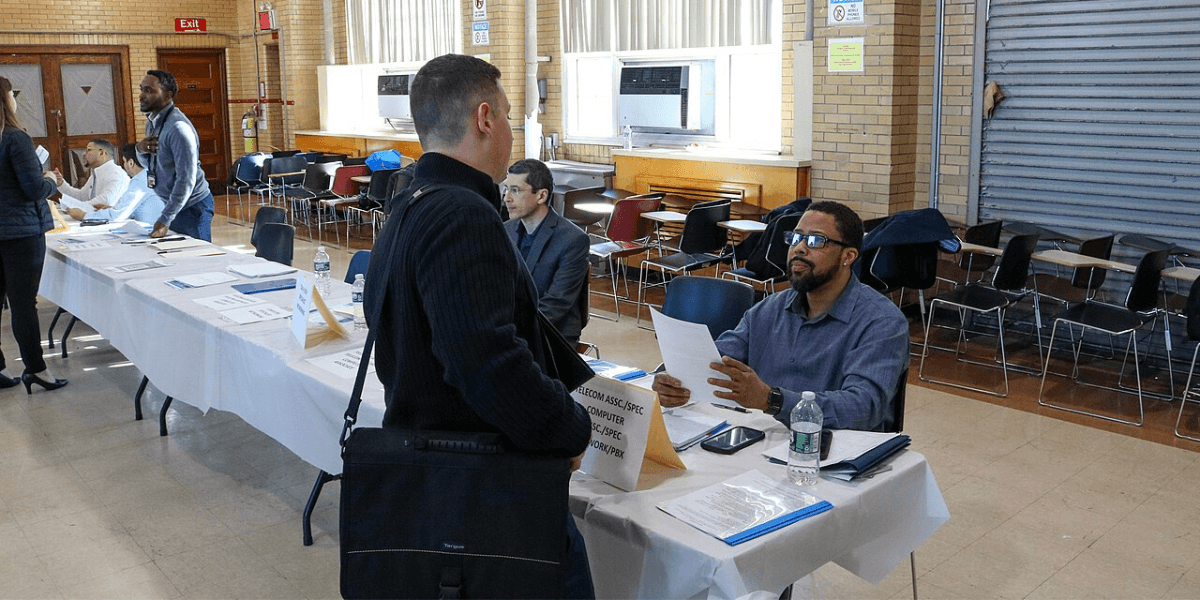
The American economy delivered its biggest surprise of the day when the Labor Department reported that employers cut 23,000 jobs in July, substantially weaker than economists had anticipated. Revised figures also reduced previously reported job growth for May and June by a combined 103,000 positions, adding to evidence that hiring momentum has deteriorated.
The unemployment rate nevertheless declined to 4.1%, but that improvement came as 264,000 people left the labor force. Labor-force participation consequently fell to its lowest level since February 2021. Among the areas recording job losses were local public schools, restaurants, bars and retailers.
Investors interpreted the weak report as reducing pressure on the Federal Reserve to raise interest rates further. The S&P 500 gained 0.6% to a record 7,757.64, while the Dow rose 0.3% and the Nasdaq climbed 1.3%. The 10-year Treasury yield fell to 4.64%.
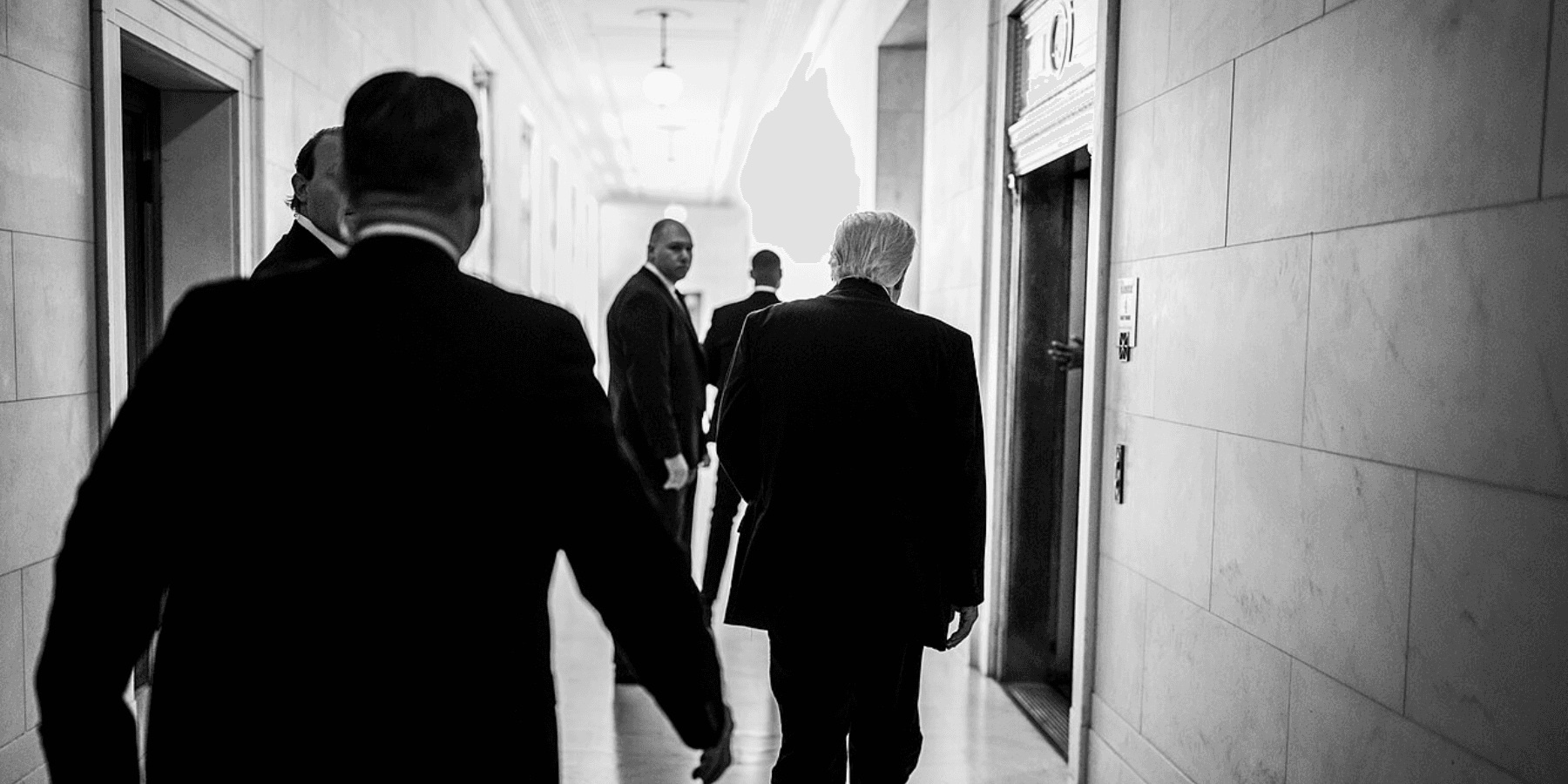
Photo Credit: The White House/Wikimedia
President Donald Trump attending the U.S. Supreme Court oral arguments on birthright citizenship, April 2026
Trump Takes Another Run at Birthright Citizenship
Trump renewed one of his most consequential immigration battles by signing two executive actions designed to restrict access to U.S. citizenship at birth. One seeks to limit automatic citizenship in certain circumstances, while another targets so-called “birth tourism,” in which foreign nationals travel to the United States intending to give birth.
The moves follow a major setback for the administration in June, when the Supreme Court rejected Trump’s previous attempt to exclude children born to people living in the country illegally or temporarily from automatic citizenship and upheld a broad interpretation of the 14th Amendment’s citizenship guarantee. Trump maintains that his narrower approach can survive constitutional scrutiny, while the American Civil Liberties Union has predicted another legal defeat.
The new orders ensure that birthright citizenship — a principle embedded in American law for generations — will remain at the center of the administration’s broader immigration agenda and likely return to the federal courts.
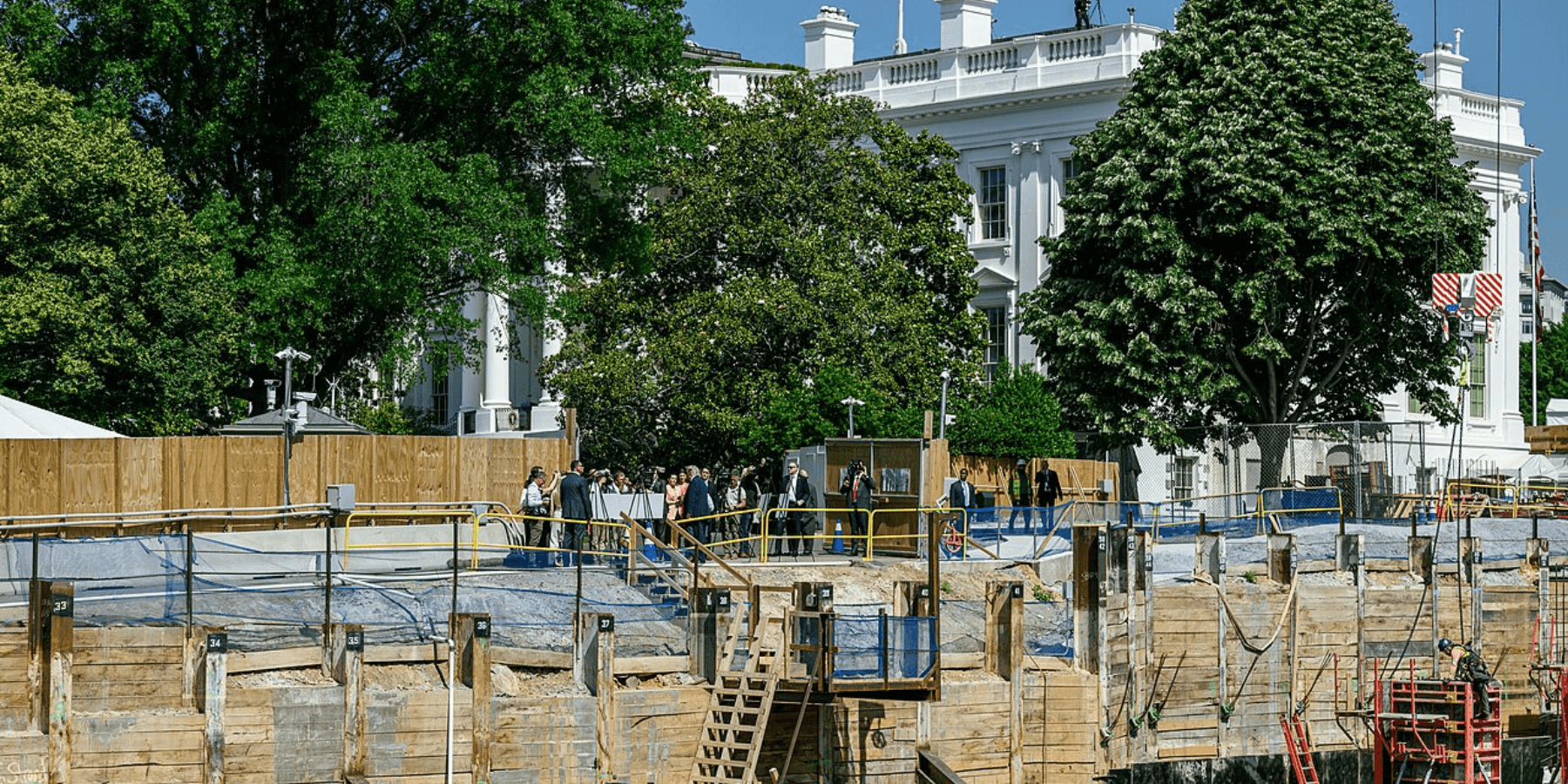
Photo Credit: The White House/Wikimedia
President Donald J. Trump speaks with members of the media next to the ongoing construction of the East Wing and Ballroom, May 2026
Appeals Court Stops Trump’s $400 Million White House Ballroom
A divided federal appeals court delivered another legal setback to the president Friday, ruling that his administration cannot proceed with aboveground construction of a planned $400 million White House ballroom without congressional authorization. The 2-1 decision concluded that Trump lacks unilateral authority to construct the roughly 90,000-square-foot facility on the site of the former East Wing.
The ruling does not permanently prohibit the ballroom, and underground work involving security facilities may continue. Instead, the court said Congress must authorize the project before aboveground construction proceeds. The ruling is being stayed for two weeks to allow the administration to seek Supreme Court intervention.
Trump called the decision unjust and said he would appeal. The dispute has become a larger constitutional fight over presidential authority, congressional control and the extent to which a president can independently make major structural changes to one of the nation’s most historically significant federal properties.
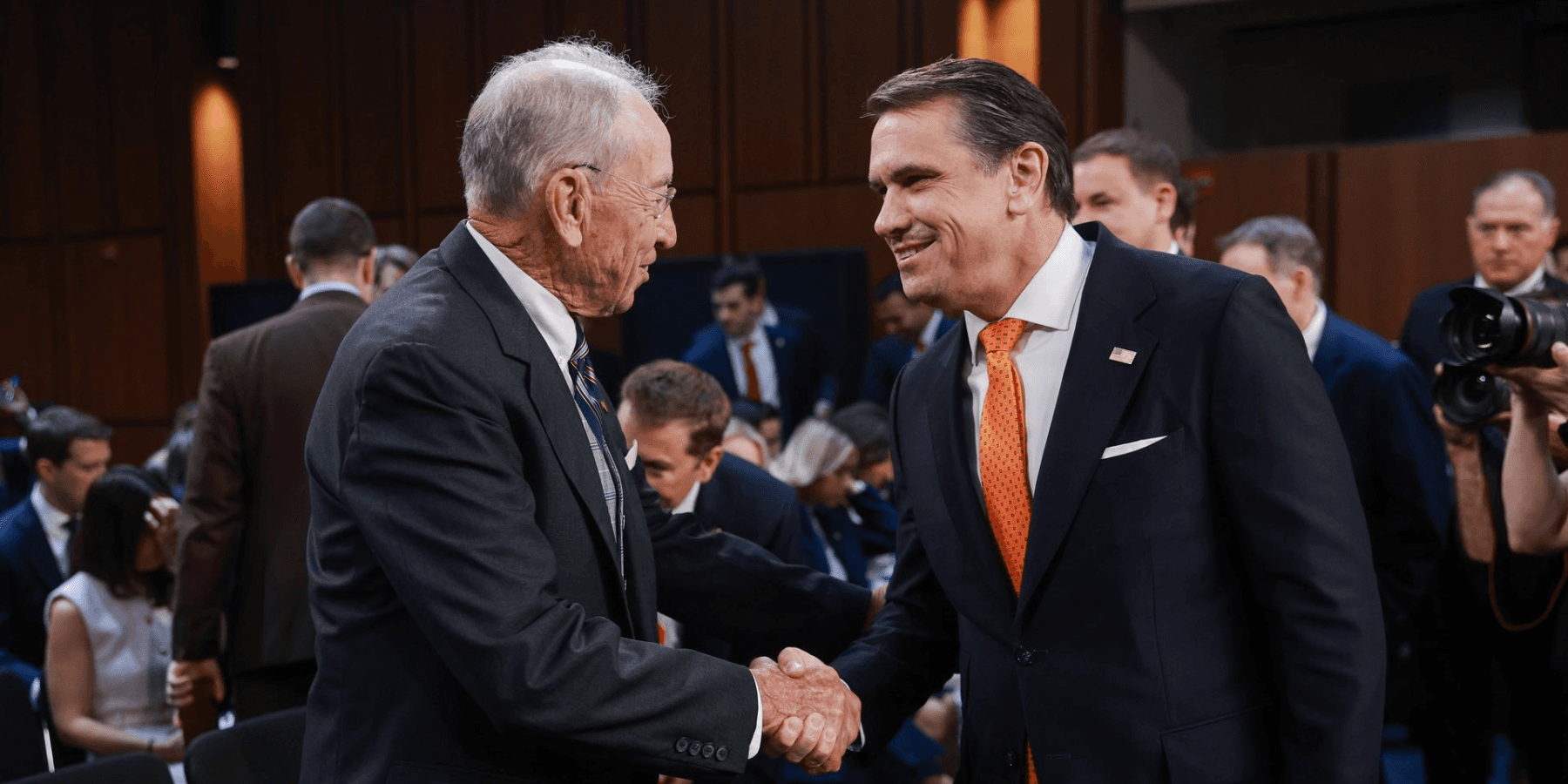
Photo Credit: Senate Judiciary Committee/Wikimedia
Senate Confirms Todd Blanche After Dramatic Late-Night Fight
The Senate narrowly confirmed Todd Blanche as attorney general in a 50-49 vote that occurred early Saturday in Washington — still Friday night on the Pacific Coast. The decision formally places Trump’s former personal criminal-defense lawyer at the head of the Justice Department after Blanche had already been serving as acting attorney general.
Blanche’s nomination had been endangered by Republican defections. Sens. Susan Collins of Maine and Lisa Murkowski of Alaska joined Democrats in opposition, but Louisiana Republican Sen. Bill Cassidy announced Friday that he would support Blanche, providing the crucial vote needed for confirmation.
The confirmation battle centered heavily on concerns about Justice Department independence and a controversial proposed $1.8 billion compensation fund for Trump allies who claimed mistreatment by the criminal justice system. Blanche formally backed away from the fund under pressure from Republican senators. His confirmation now gives Trump a Senate-approved attorney general with unusually close personal ties to the president.

Photo Credit: MODIS Land Rapid Response Team, NASA GSFC/Wikimedia (Cropped)
Trump Signals Progress in High-Stakes Iran Negotiations
The administration continued negotiations aimed at reopening the Strait of Hormuz, with Trump saying he was personally involved and suggesting an agreement with Iran could be reached soon. The waterway remains a critical focus for Washington because disruption there threatens global oil shipments, energy prices and the broader economic outlook.
The diplomatic effort comes amid continuing U.S. military operations in the region and enforcement of a blockade against Iranian ports. Commercial shipping through Hormuz has been sharply disrupted, while Washington and Tehran remain divided over the conditions under which normal passage could resume. Trump said Iran wanted an agreement, but no final deal had been announced by Friday.
The negotiations therefore remain closely connected to domestic economic concerns. A prolonged disruption of Gulf energy supplies could push oil and gasoline prices higher just as Friday’s employment report raised new questions about the resilience of the U.S. economy.
Looking Ahead
The July jobs report will put the Federal Reserve’s next interest-rate decision under even greater scrutiny as policymakers weigh weaker hiring against continuing inflation risks. Trump’s renewed birthright-citizenship restrictions and White House ballroom project are both headed toward further legal battles, potentially returning presidential-power questions to the Supreme Court. In Washington, Blanche’s confirmation opens a new chapter at the Justice Department, while overseas, the outcome of negotiations with Iran over the Strait of Hormuz could determine whether a major geopolitical crisis begins to ease — or again spills more forcefully into American energy markets.